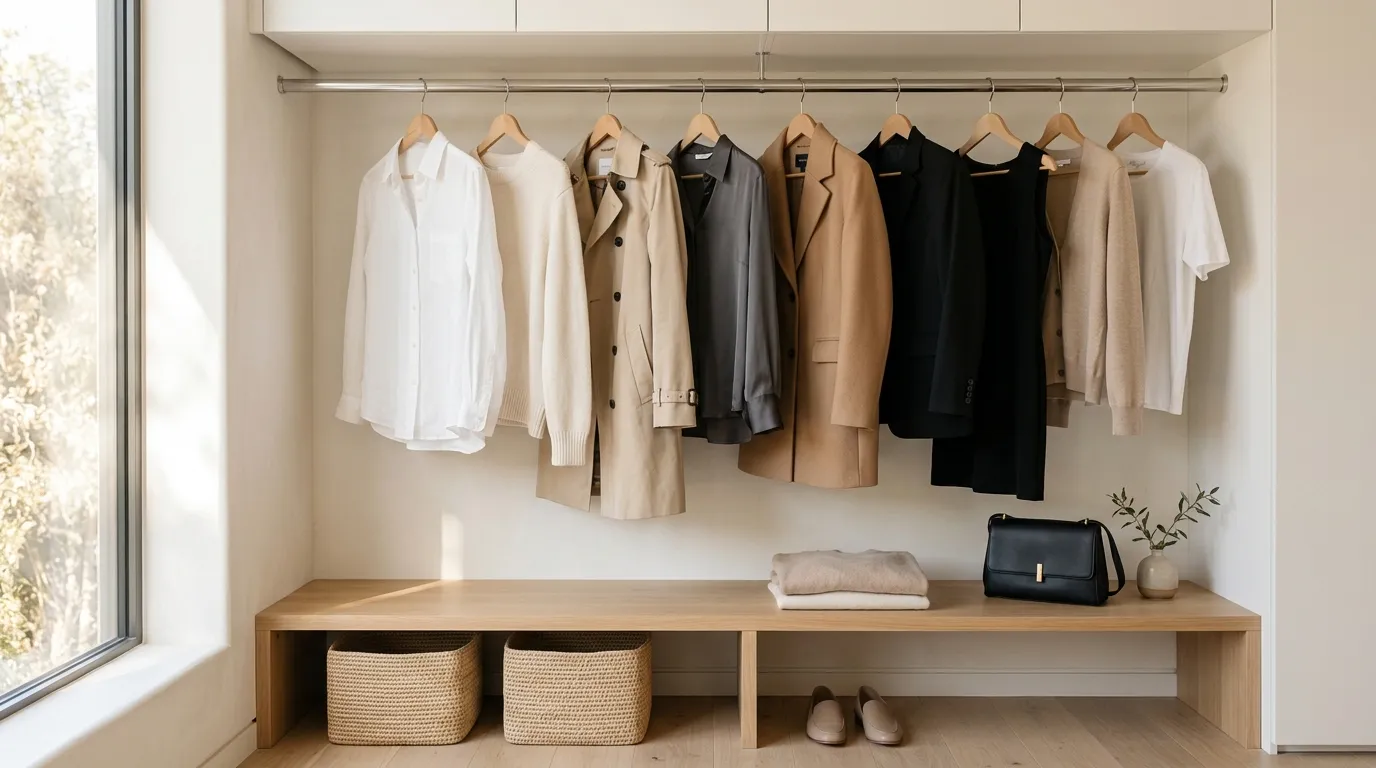
15 Minimalist Wardrobe Essentials to Build the Most Stylish Simple Closet
Introduction
Open the average closet and you will find clothes spilling off hangers, shelves stacked with items rarely touched, and a quiet but persistent sense of overwhelm every single morning. The strange irony of owning a lot of clothing is that it often makes getting dressed harder, not easier. When everything competes for attention, nothing truly stands out, and the default response is to reach for the same five pieces anyway.
A minimalist wardrobe solves this problem at its root. Rather than accumulating more, it asks you to own less and choose better. The philosophy behind minimalist wardrobe essentials is straightforward: every piece you own should earn its place. It should fit well, wear across multiple occasions, and remain relevant far beyond whatever trend cycle introduced it.
This guide walks through 15 carefully chosen minimalist wardrobe essentials that form the foundation of a stylish, simple closet. These are not arbitrary basics. They are considered, versatile, and genuinely useful across seasons and settings. Whether you are building from scratch or editing an existing wardrobe down to what truly works, these pieces give you the structure to dress with confidence every day.
What Makes a Wardrobe Truly Minimalist
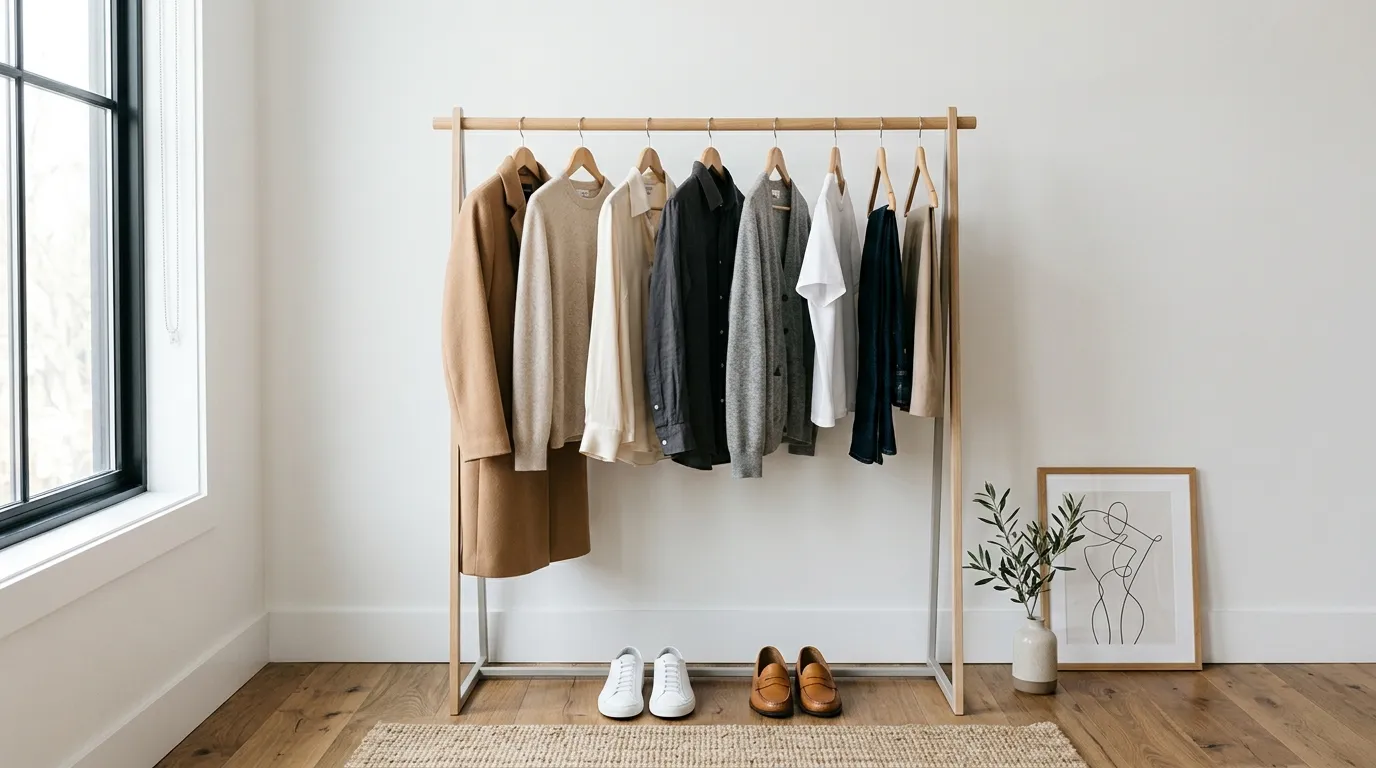
Before listing the pieces, it is worth understanding the principles that define a minimalist wardrobe. Without a clear framework, the exercise becomes just another form of shopping rather than a genuine shift in how you approach clothing.
A minimalist wardrobe is built on three core principles. The first is quality over quantity. Every piece you choose should be well made, constructed from durable fabric, and designed to last several years with proper care. A single high-quality tailored trouser outperforms a drawer full of poorly fitted alternatives in both longevity and daily usefulness.
The second principle is versatility. Each item in a minimalist closet should work with at least three or four other pieces you already own. If something only pairs well with one specific outfit, it does not belong in a minimal wardrobe regardless of how much you love it in isolation.
The third principle is timelessness. Minimalist wardrobe essentials are chosen because they transcend seasonal trends. Classic silhouettes, clean cuts, and neutral tones keep pieces relevant year after year without requiring constant replacement.
The Power of a Neutral Color Palette
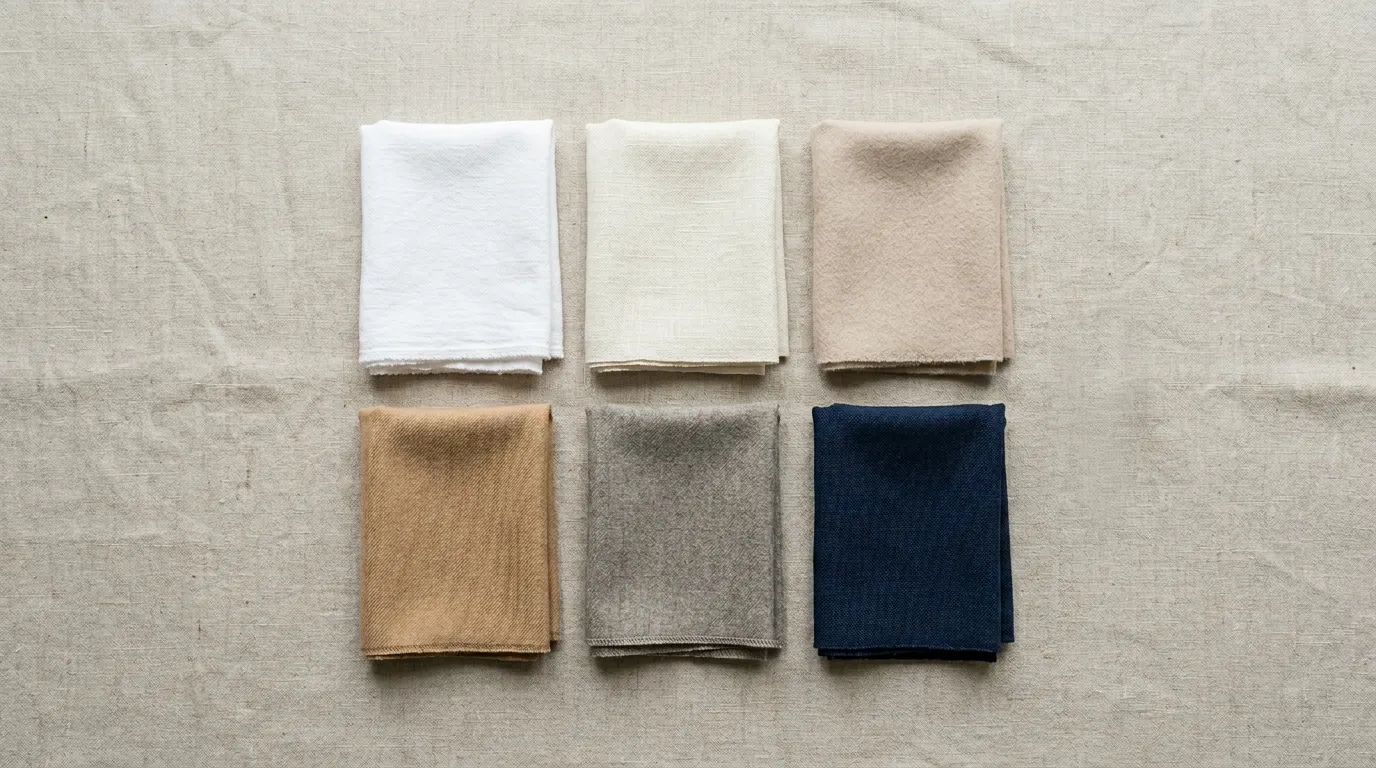
One of the most practical decisions you can make when building a minimalist wardrobe is committing to a neutral color palette as your base. Neutrals are not a stylistic limitation; they are a strategic foundation that makes every getting-dressed decision easier.
The most reliable minimalist neutrals are black, white, ivory, beige, camel, navy, and warm or cool gray. These tones complement each other naturally, which means any combination of pieces from your wardrobe will visually cohere without requiring significant effort. A camel coat works over a white shirt and navy trousers just as naturally as it does over a black dress.
Introducing one or two accent tones in muted, wearable shades like dusty rose, olive green, or rust gives the wardrobe enough visual interest without disrupting the harmony of the core palette. The goal is a closet where everything connects, making outfit decisions feel effortless rather than stressful.
15 Minimalist Wardrobe Essentials
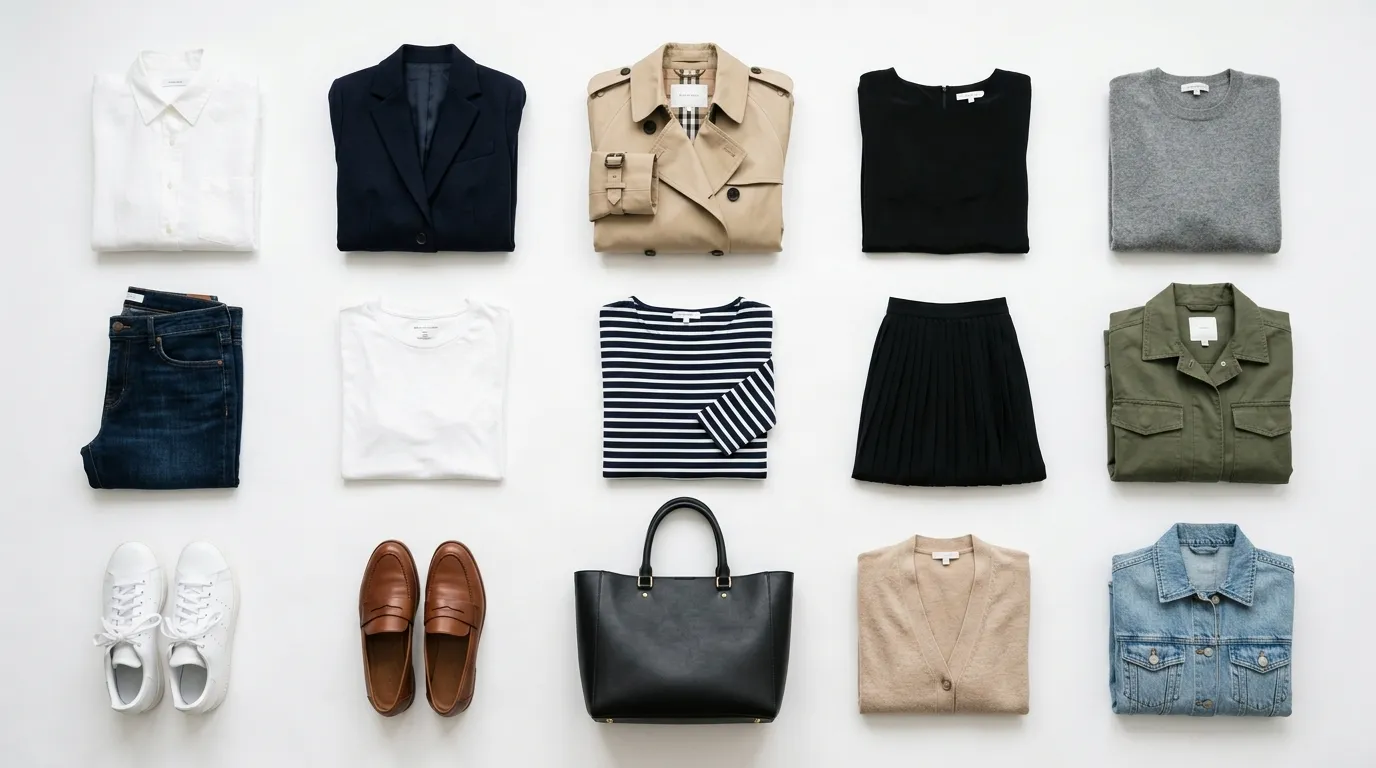
1. The Classic White Button-Down Shirt
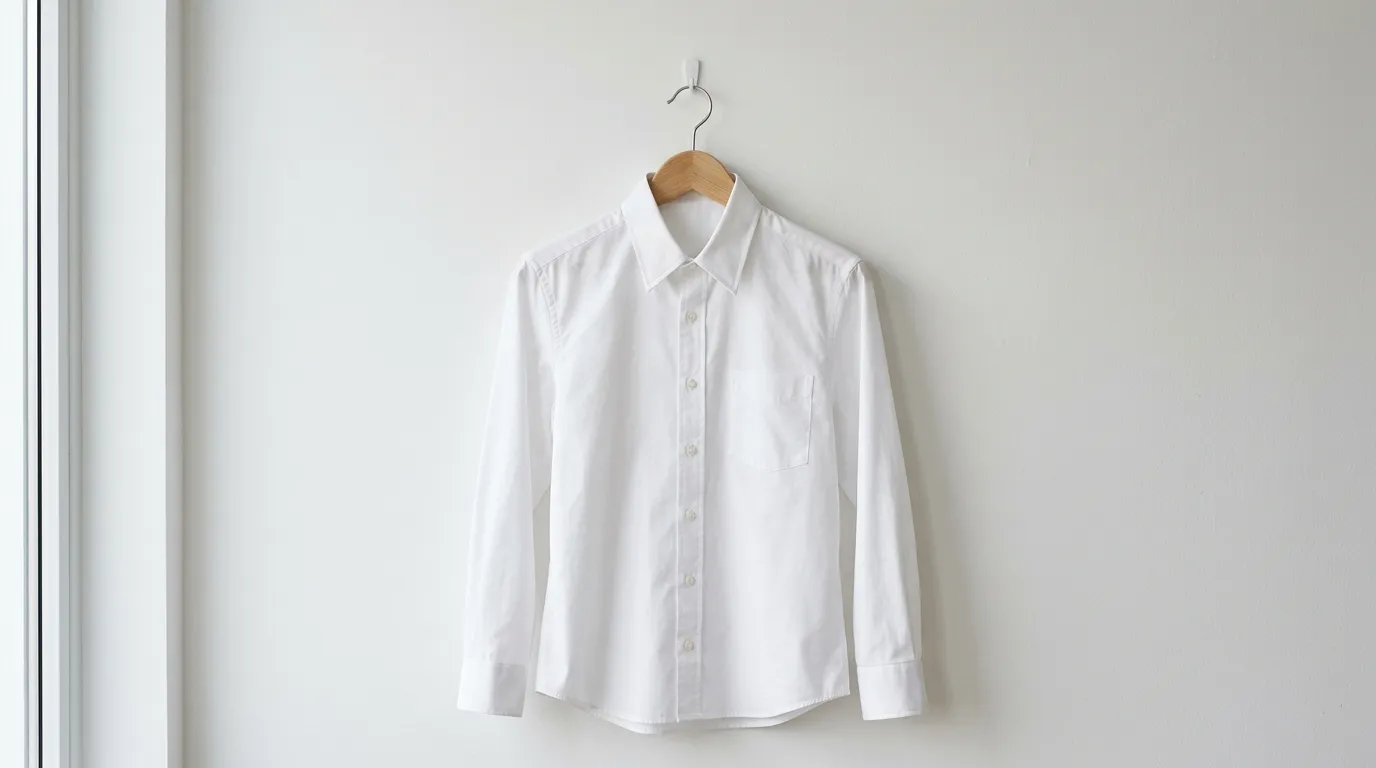
The white button-down is the single most versatile piece in a minimalist wardrobe. It tucks into tailored trousers for a polished office look, layers open over a fitted tee for a casual weekend outfit, or knots at the waist above a denim skirt for something relaxed and considered. Choose one in a quality cotton or cotton-poplin blend that holds its structure wash after wash.Who What Wear
2. Well-Fitted Dark Wash Jeans
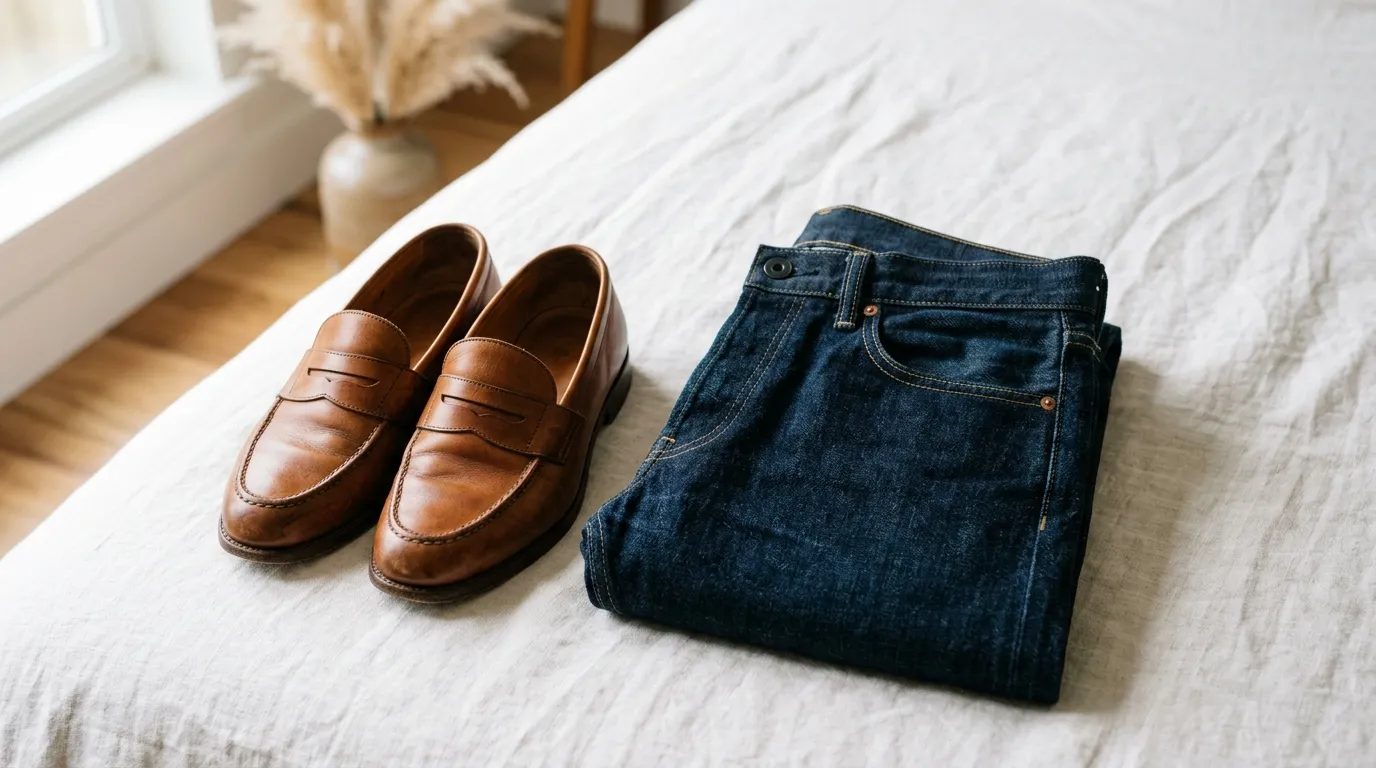
A pair of dark wash jeans bridges the gap between casual and smart with ease. The dark tone reads as more refined than a mid or light wash, which means it transitions from a coffee run to an evening dinner without looking out of place. Look for a straight or slim straight cut that works across different footwear, from sneakers to ankle boots to loafers.
3. A Tailored Blazer in a Neutral Tone
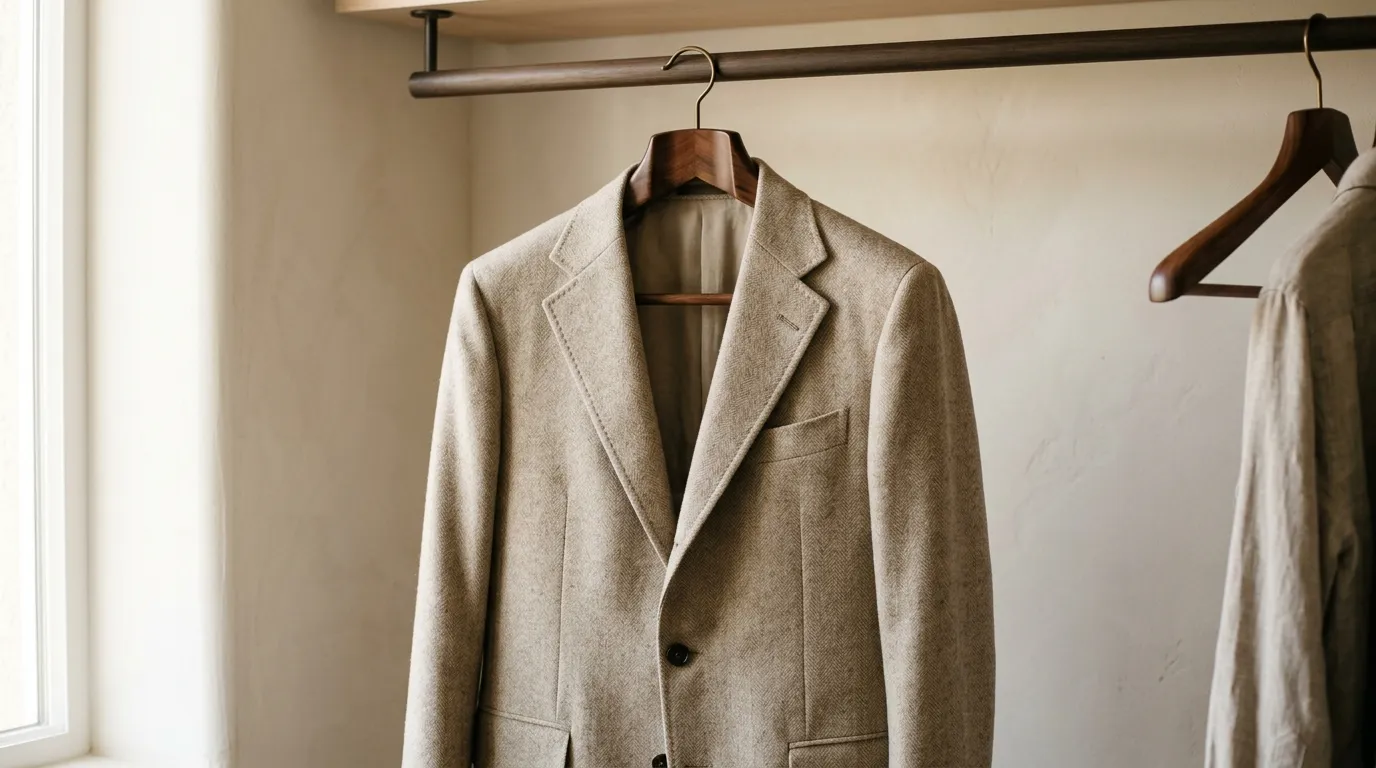
Few pieces elevate an outfit as efficiently as a well-cut blazer. Worn over a white tee and jeans, it instantly shifts the register of the look toward polished and intentional. In a neutral tone such as black, navy, oatmeal, or soft gray, a blazer becomes a workhorse piece that layers over dresses, shirts, and knitwear throughout the year.
4. A Quality White or Black T-Shirt
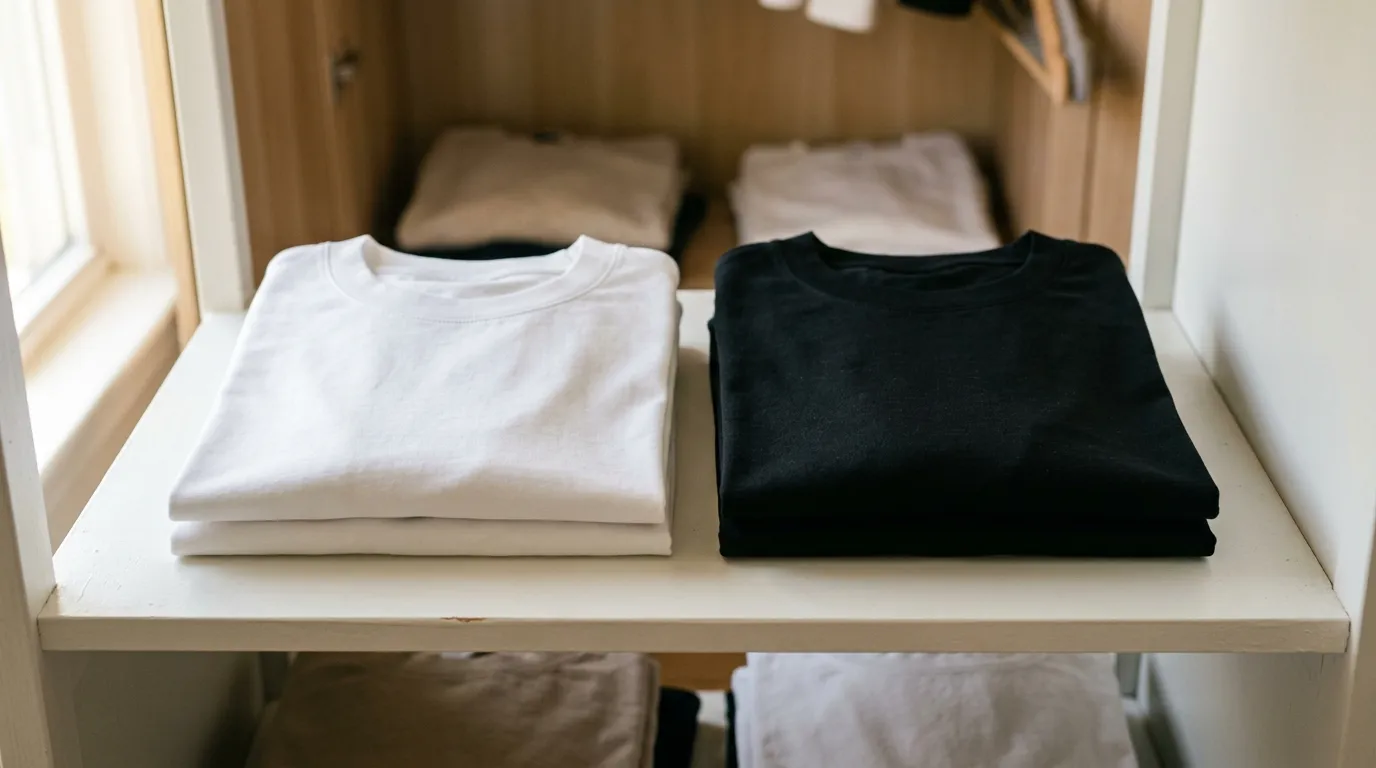
The humble crewneck or V-neck tee is the quiet backbone of a minimalist wardrobe. Choose two or three in white and black, made from a substantial cotton or cotton-modal blend that does not go thin or transparent after a few washes. A good-quality tee lies flat, holds its shape, and makes every outfit it anchors look more deliberate.
5. Tailored Trousers in a Classic Cut
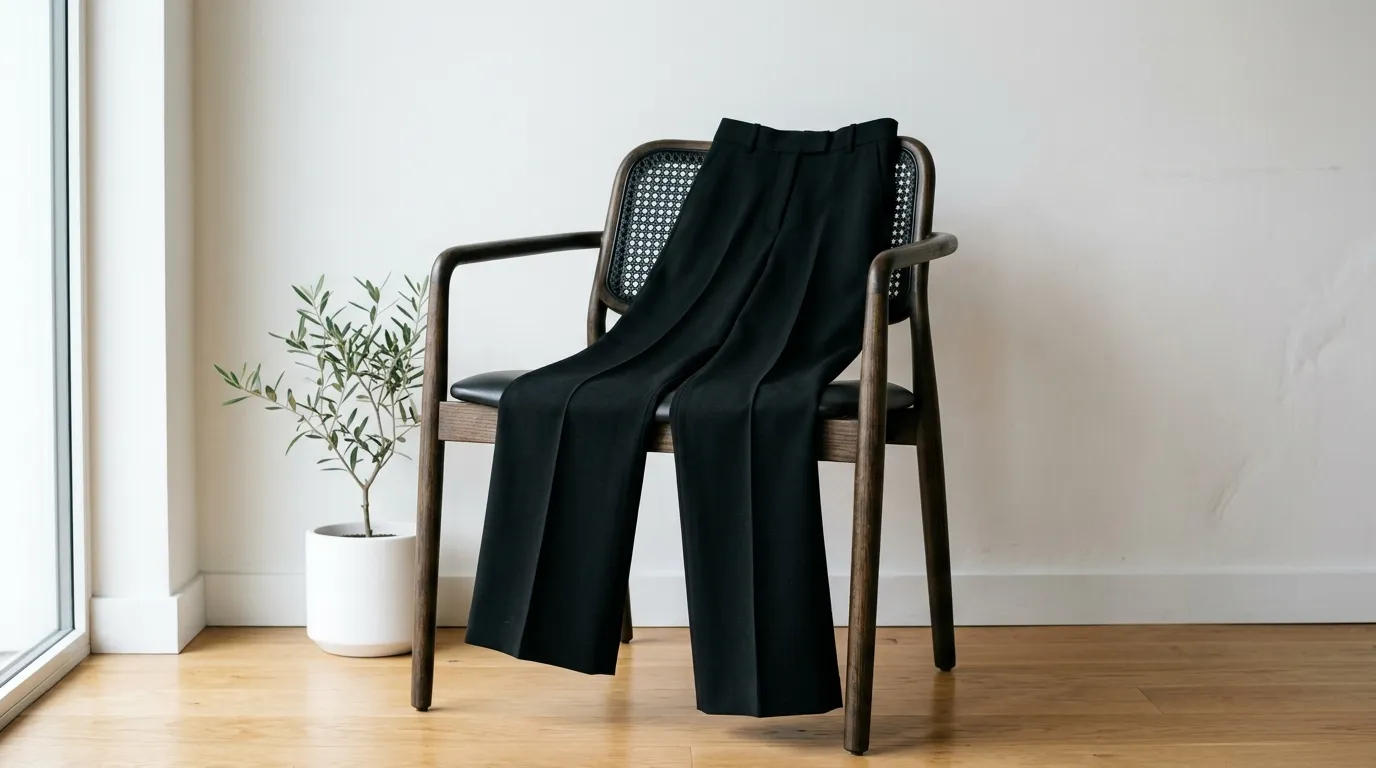
Tailored trousers in black, navy, or camel are essential to a refined minimalist closet. A straight-leg or slightly wide-leg silhouette in a quality woven fabric reads as polished across professional and social settings alike. They pair with everything from fitted turtlenecks to linen shirts and represent one of the strongest cost-per-wear investments available in a wardrobe.
6. A Cashmere or Merino Wool Sweater
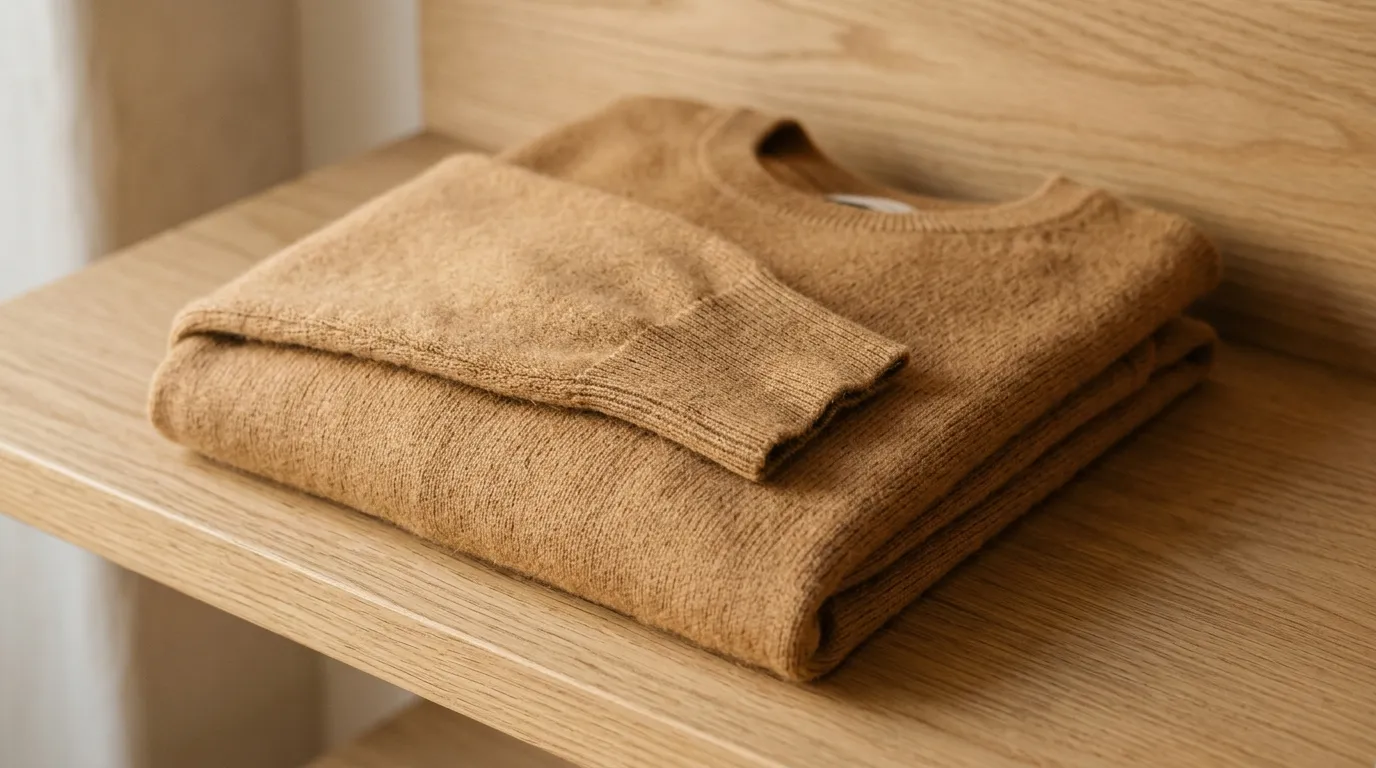
A fine-knit sweater in cashmere or merino wool occupies a category of its own in terms of versatility and longevity. It layers effortlessly under blazers and coats, works alone on mild days, and elevates a simple tee-and-trouser combination without any additional effort. Invest in a neutral crewneck or V-neck in one or two of your core palette tones and care for it properly to extend its life across many seasons.
7. The Little Black Dress
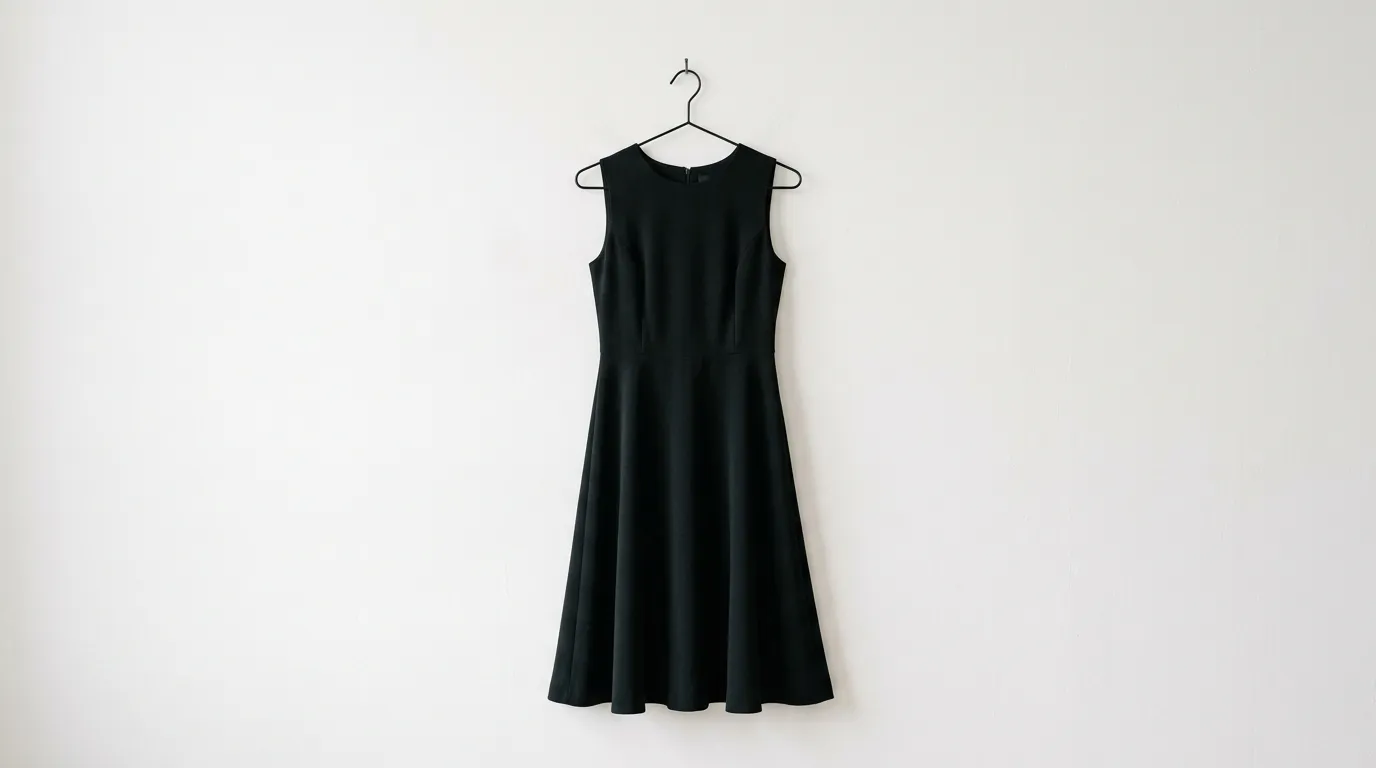
The little black dress is a minimalist wardrobe essential that has proven its relevance across decades of fashion. In a clean silhouette such as a sheath, wrap, or A-line cut, it serves as a foundation for both professional and social occasions. Styled simply with flat shoes and minimal jewellery, it looks polished and understated. Paired with heels and a structured bag, it transitions into more formal settings without any additional effort.
8. A Classic Trench Coat
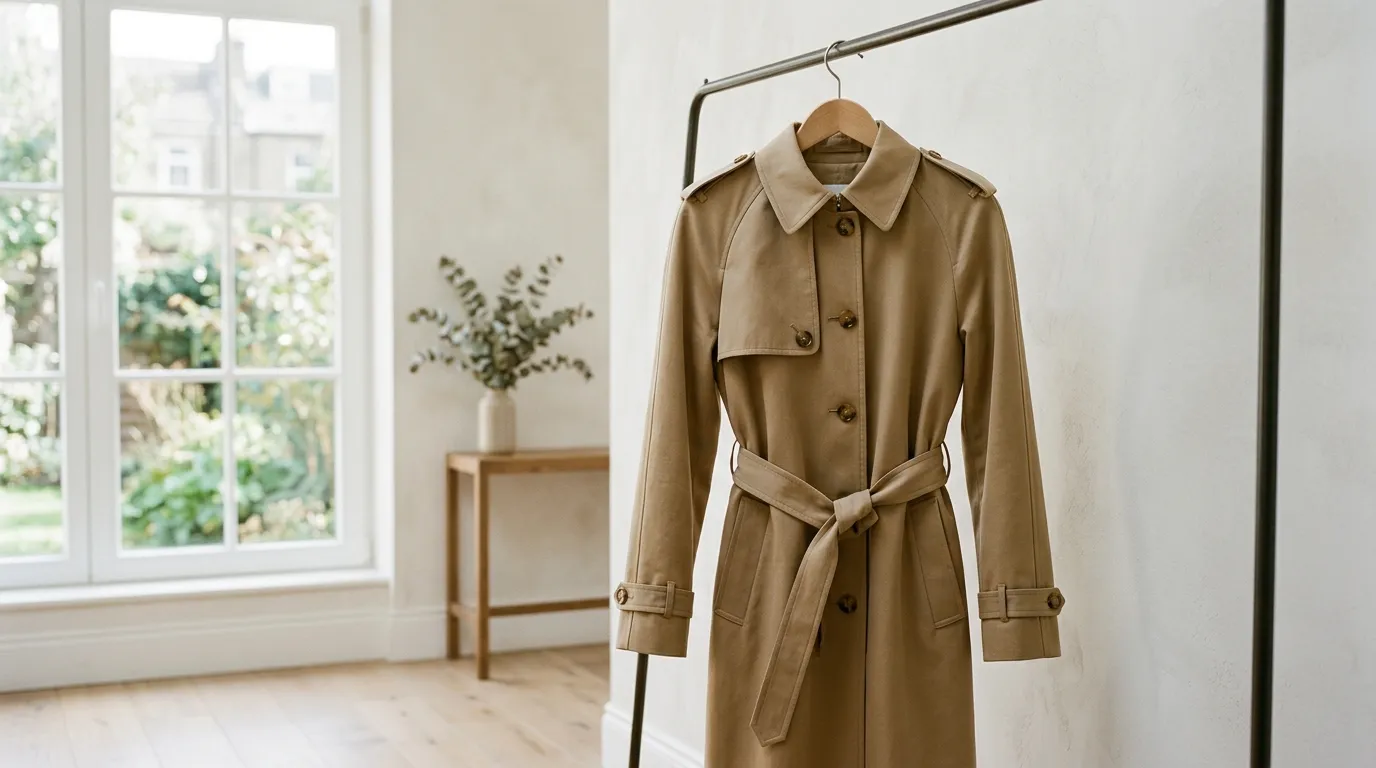
Outerwear is one of the most visible elements of any wardrobe, and the classic trench coat is the minimalist choice above all others. In beige or camel, it works across seasons and over almost every outfit in your closet. Its clean lines and belted silhouette look equally appropriate over a casual weekend look or a polished work ensemble. Invest in one with quality hardware and reinforced lining that will carry through years of regular wear.
9. A Crisp White or Navy Linen Shirt
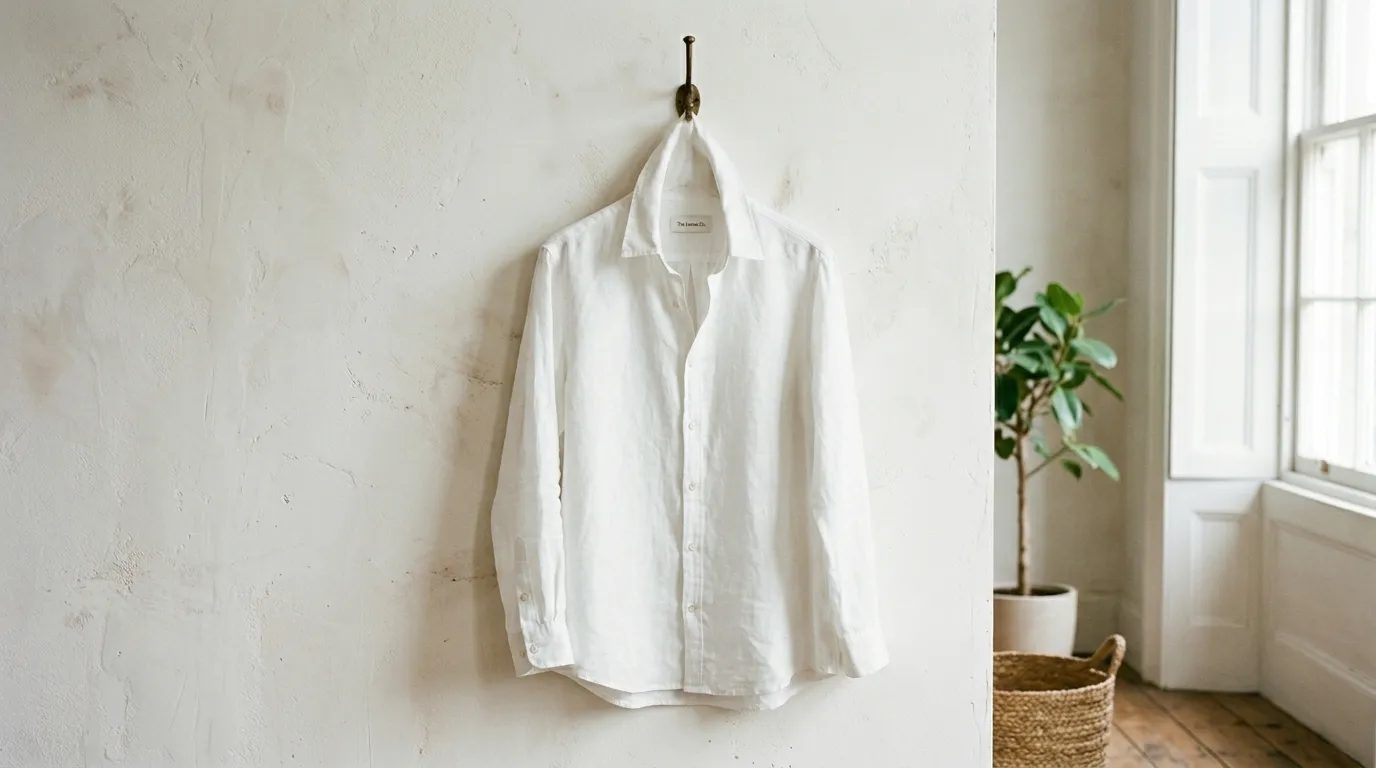
For warmer months and resort occasions, a quality linen shirt in white or navy offers the same level of versatility as the classic button-down in a more breathable, warm-weather appropriate fabric. It works tucked into wide-leg trousers, worn open as a light layer over a swimsuit, or belted as a dress in relaxed settings. Linen improves with age and wear, making it an excellent minimalist investment.
10. Dark or Straight-Leg Chinos
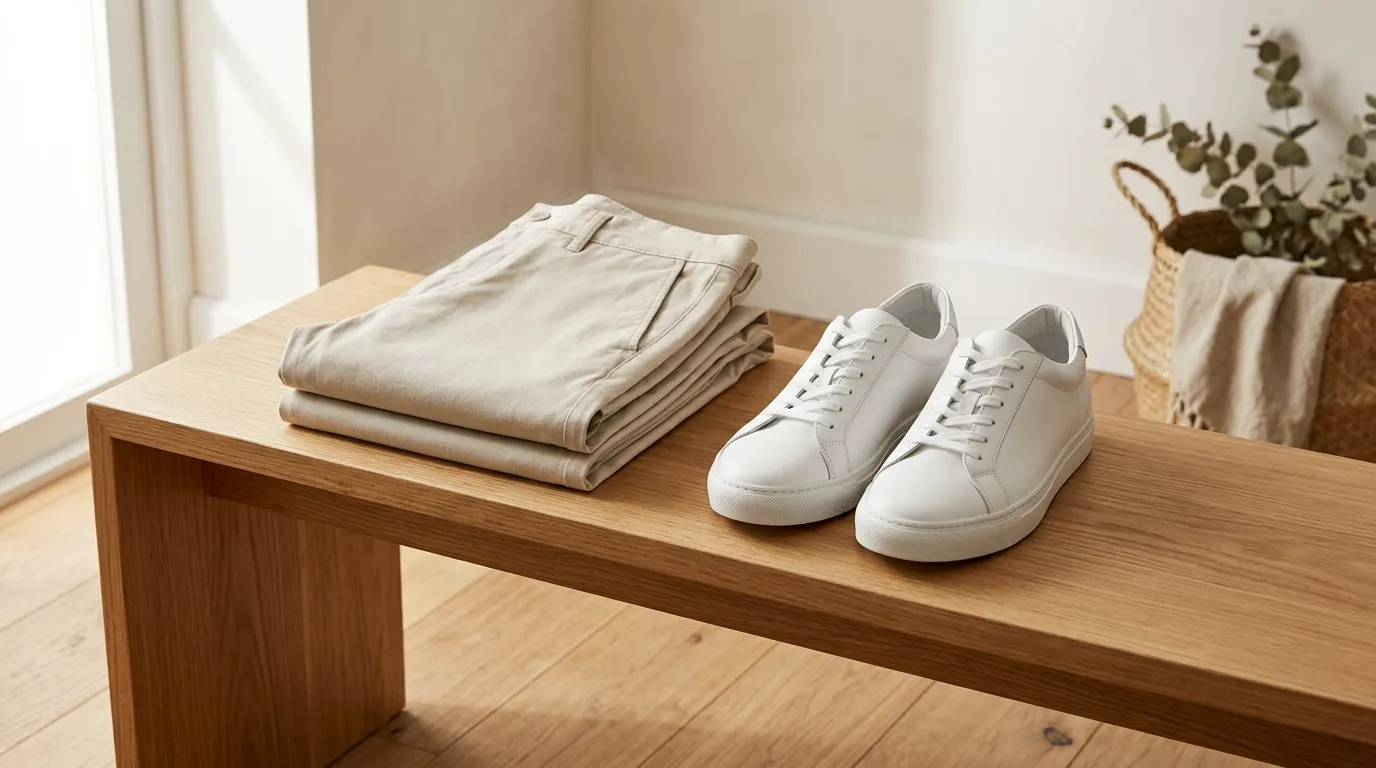
Chinos in a neutral tone such as camel, stone, or olive offer a casual alternative to tailored trousers that still reads as intentional and put-together. They bridge the gap between denim and formal trousers with ease, working with sneakers on weekends and loafers for smart casual settings. A straight-leg cut in a non-distressed finish keeps them aligned with a minimalist aesthetic.
11. A Simple Midi or Wrap Dress in a Neutral
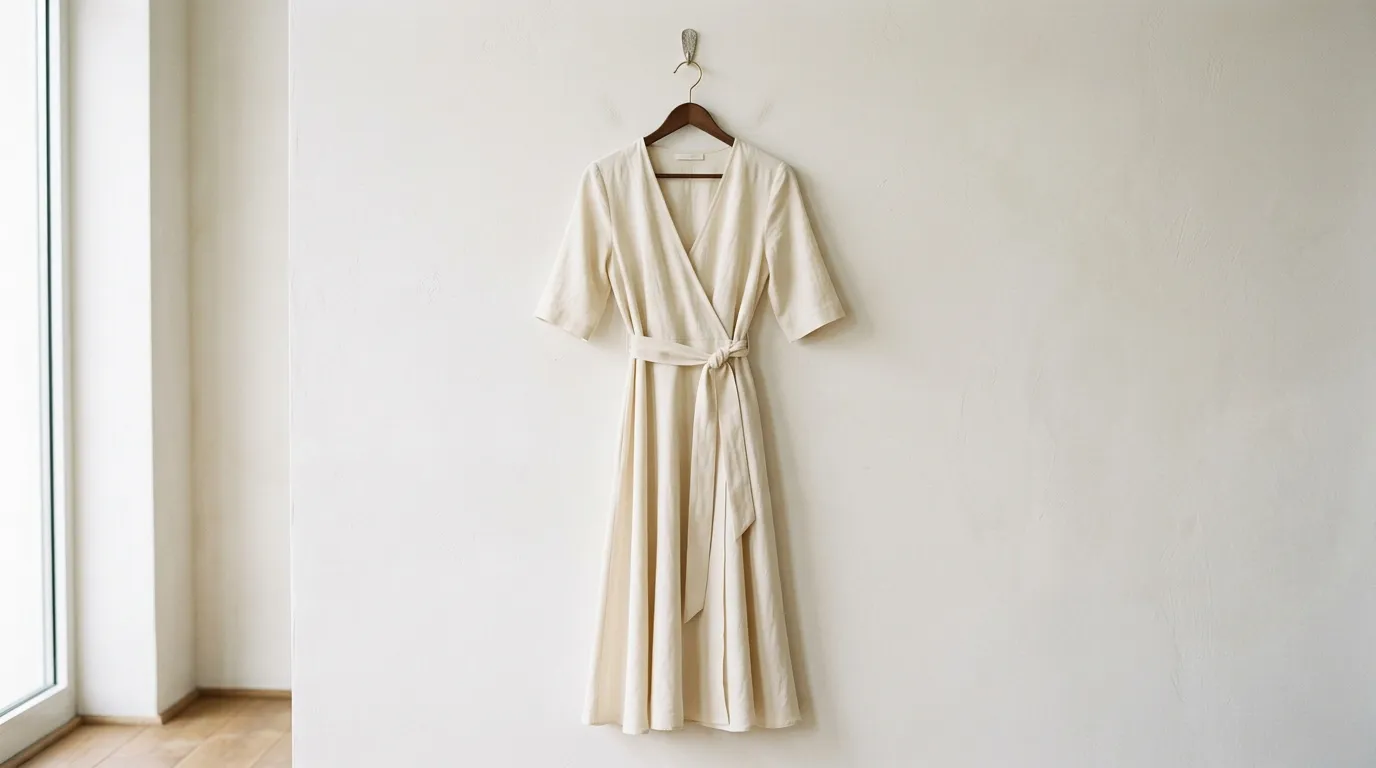
Beyond the little black dress, a second dress in a slightly more relaxed silhouette offers range within the wardrobe. A midi-length wrap dress or a clean shift dress in a neutral tone such as cream, warm gray, or navy works across seasons when layered with knitwear and transitioned into warmer months with sandals or flat mules. It should be loose enough to wear comfortably through a full day and refined enough to fit a dinner setting.
12. A Well-Made Leather or Leather-Look Belt
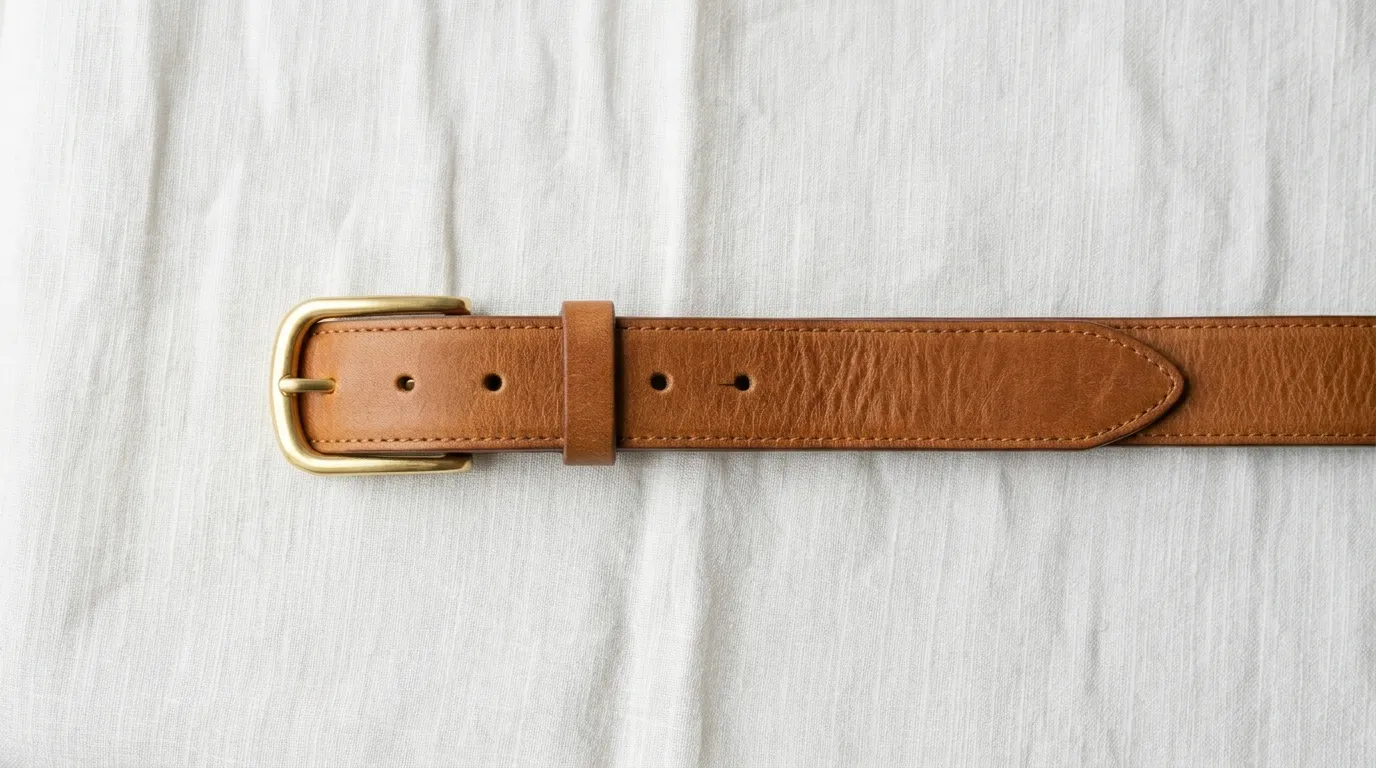
Accessories matter in a minimalist wardrobe not despite the limited quantity, but because of it. A quality leather belt in tan, black, or cognac defines the waist, anchors a layered look, and adds a finishing detail to an otherwise simple outfit. It should be classically proportioned rather than trendy in width or hardware finish, ensuring it remains usable across years and changing accessories trends.
13. White Leather Sneakers
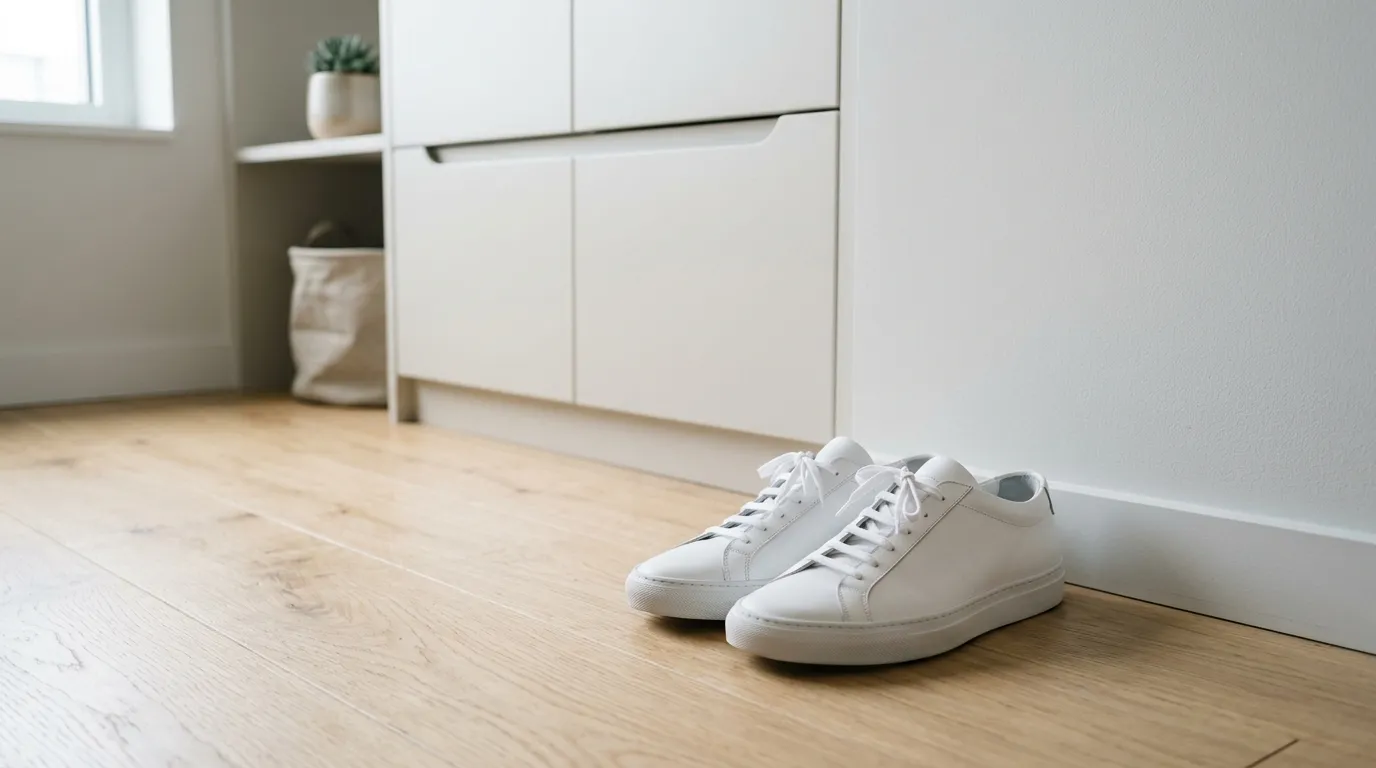
Clean white leather sneakers are the footwear equivalent of a white tee: foundational, reliable, and capable of working with nearly every casual and smart casual outfit in a minimalist closet. They soften the formality of tailored trousers, bring a contemporary edge to a midi dress, and are comfortable enough for day-long wear. Choose a low-profile silhouette without excessive branding or decorative detailing.
14. Classic Ankle Boots or Loafers
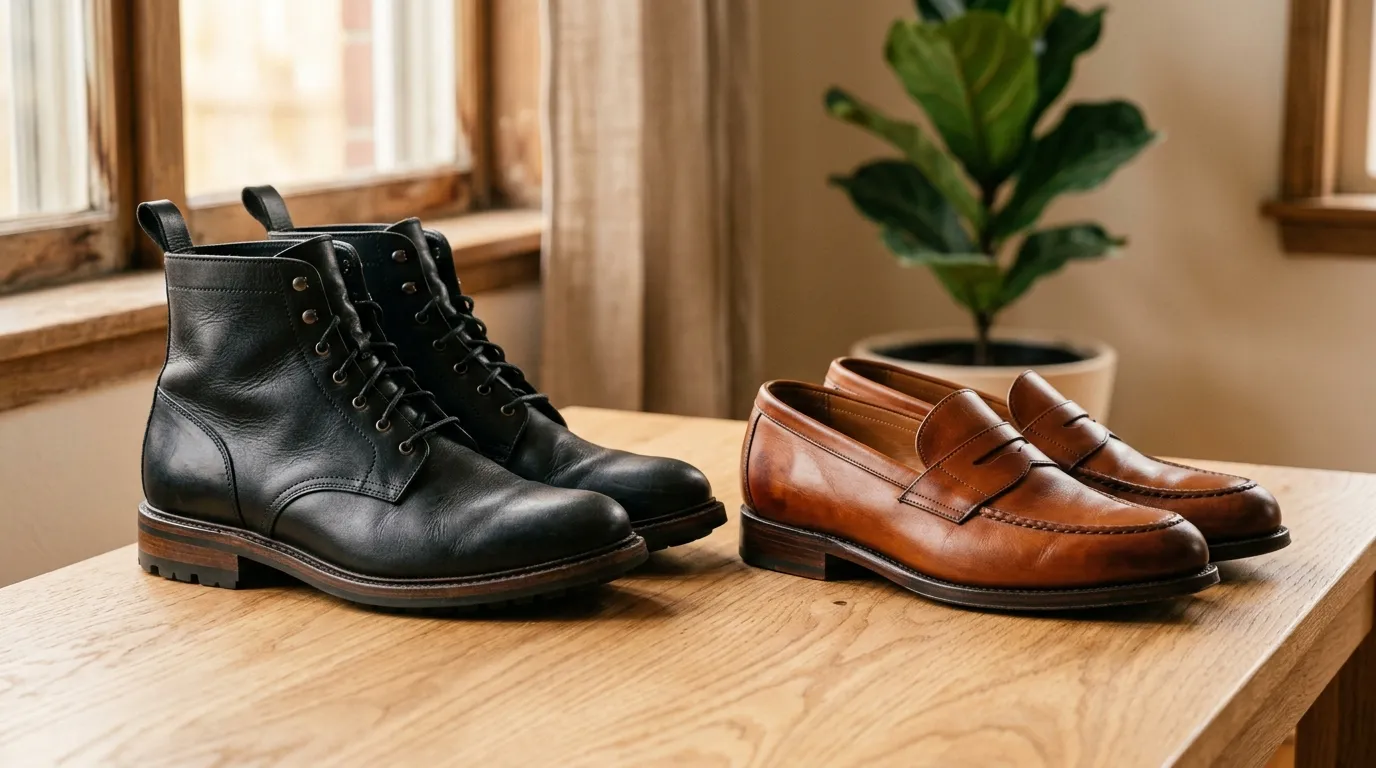
For occasions that require a more deliberate footwear choice, a pair of classic ankle boots or leather loafers completes the minimalist shoe rotation. Both silhouettes are seasonless in their wearability and work across a wide range of outfits. Ankle boots in black or tan extend the wearability of dresses and jeans into cooler months, while loafers in tan, black, or cognac add a polished note to trousers and straight-leg denim.
15. A Structured Tote or Crossbody Bag
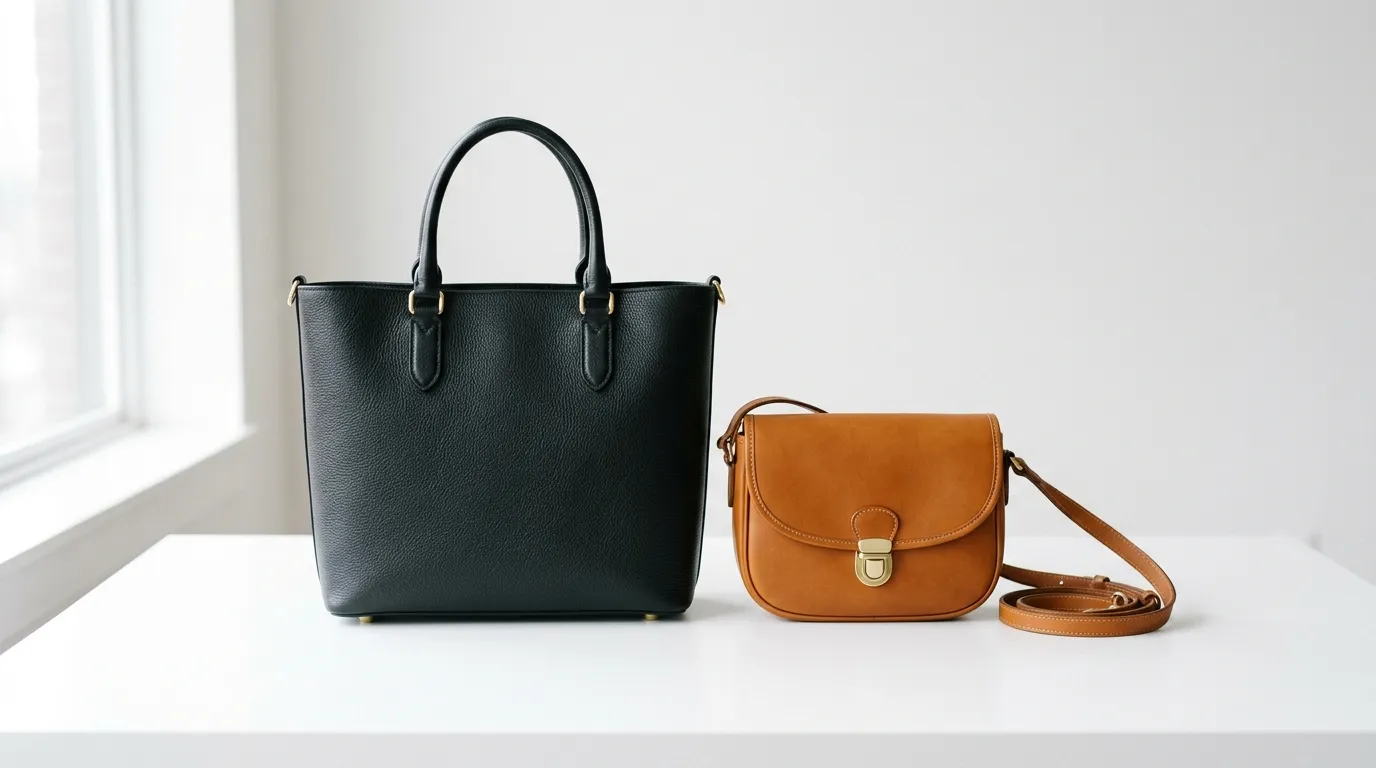
The final essential in a minimalist wardrobe is a bag that carries the same weight of versatility as any clothing piece. A structured tote in a neutral leather or quality canvas handles professional and daily life with equal ease. For a smaller option, a classic crossbody in black or tan reads as polished across casual and dressed-up settings. The shape should be clean and the hardware minimal, ensuring the bag remains as timeless as the rest of the wardrobe.
How to Choose Quality Over Quantity When Shopping
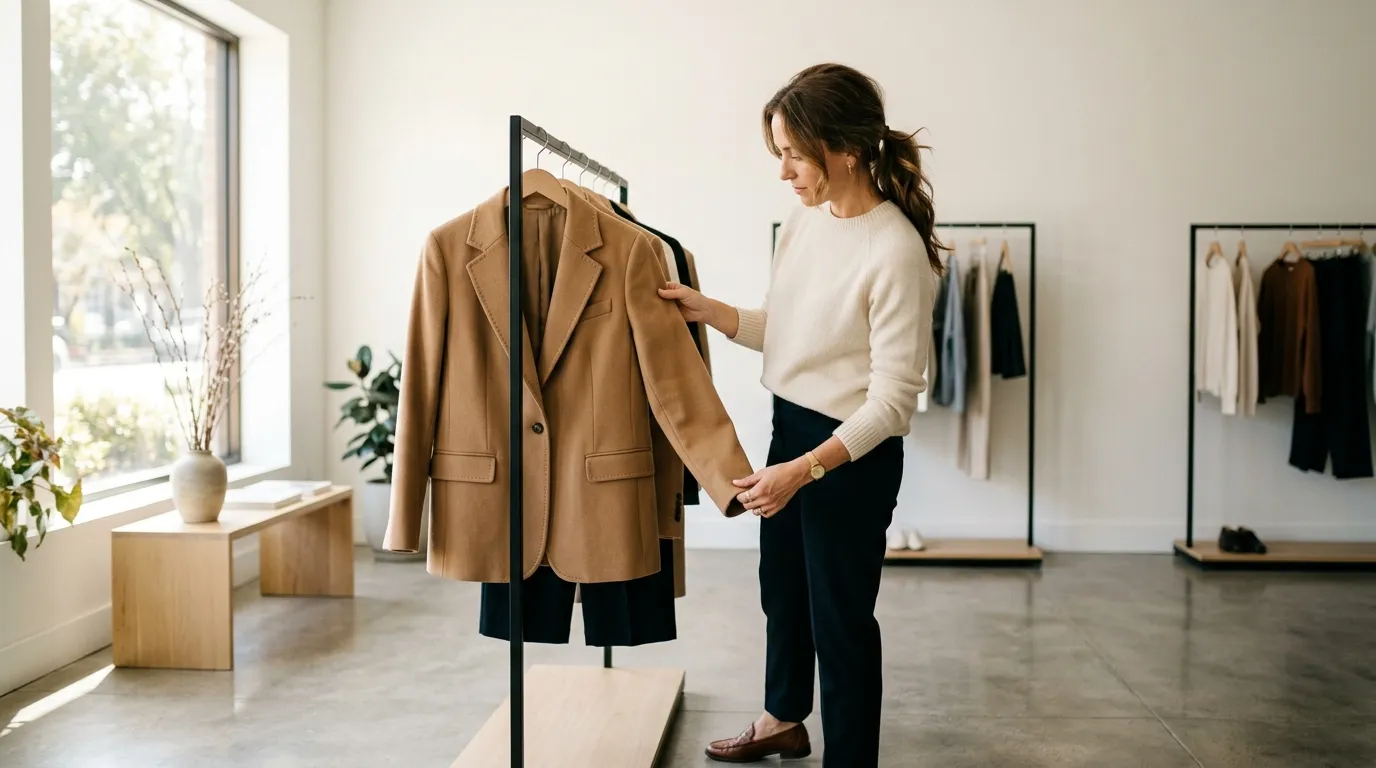
Building a minimalist wardrobe is as much about how you shop as it is about what you buy. The shift from volume-based to value-based shopping requires a slightly different mindset at the point of purchase.
Before buying any new piece, ask three questions. First, does it work with at least three things already in your wardrobe? If the honest answer is no, it will likely become a piece you rarely reach for regardless of how much you liked it in the store. Second, is it well made enough to last three or more years with proper care? Examine the seams, the fabric weight, the stitching, and the way the garment holds its shape off the hanger. Third, does it fit you well right now, as you are, without alterations that you have not yet made? Fit is the single most powerful factor in how a piece looks when worn.
How to Care for and Maintain a Minimalist Closet
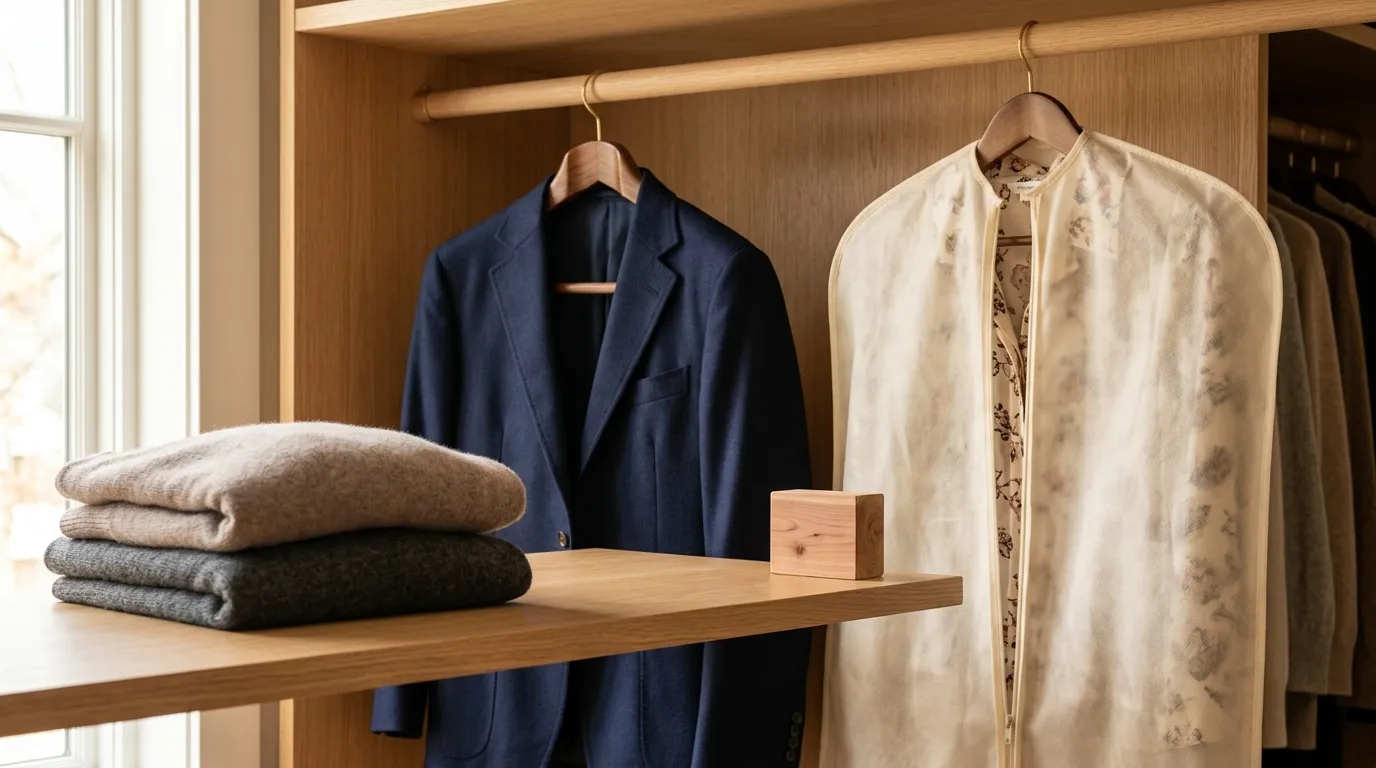
Owning fewer, better pieces means caring for them more deliberately. Proper garment care is not optional in a minimalist wardrobe; it is part of the investment.
Wash garments less frequently and in cooler water where the fabric allows. Heat and friction from frequent washing are the primary causes of pilling, fading, and structural breakdown in knitwear and delicate fabrics. Follow care label instructions specifically for cashmere, silk, and linen, which require handling different from standard cotton items.
Store structured pieces like blazers and coats on quality hangers that support the shoulder line. Fold knitwear rather than hanging it to prevent the fabric from stretching over time. Rotate pieces seasonally and take stock of what has been worn and what has not. A minimalist wardrobe is a living system that requires occasional editing, not a one-time project.
Common Mistakes to Avoid When Building a Minimalist Wardrobe
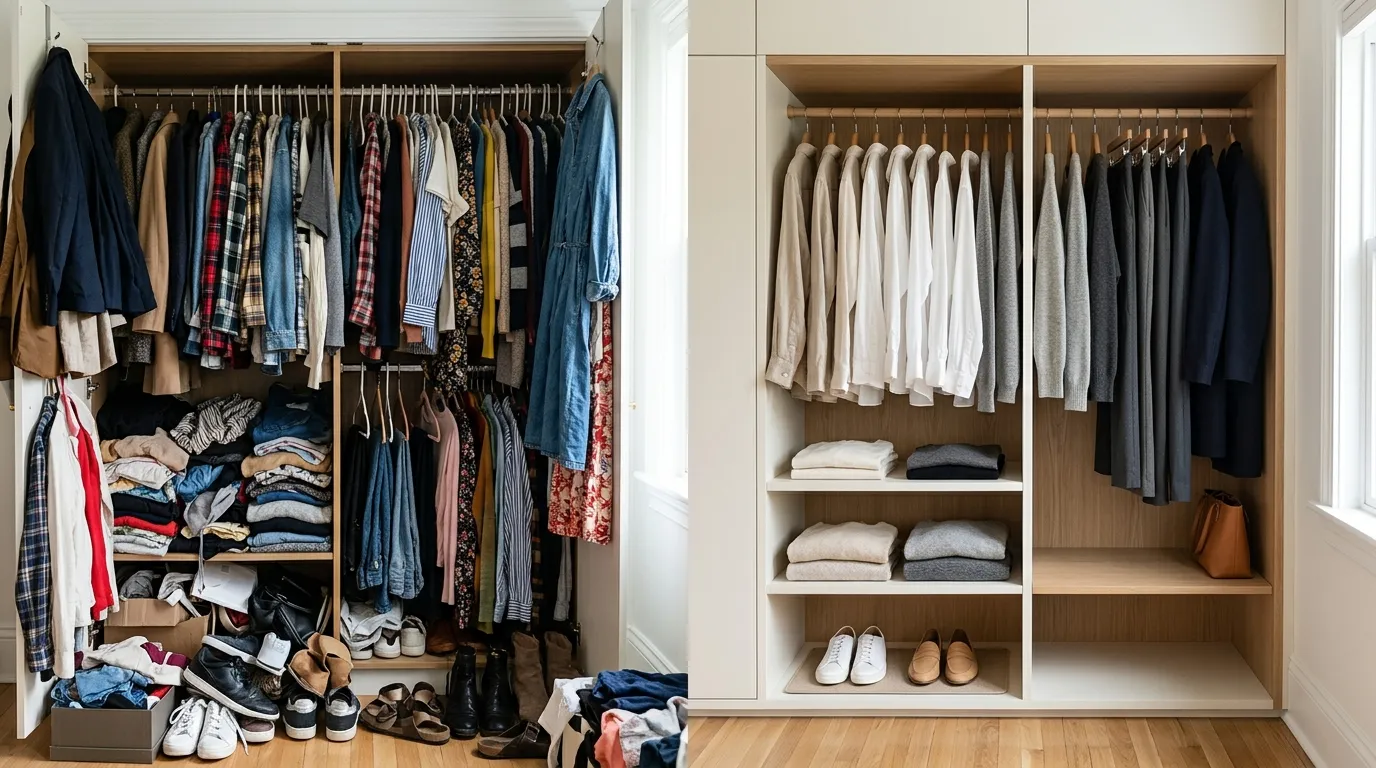
The most frequent mistake people make when transitioning to a minimalist wardrobe is buying everything new at once. This almost always results in a closet that feels cohesive in theory but lacks the personal familiarity that makes getting dressed feel natural. A better approach is to start with what you already own, identify the pieces you genuinely reach for, and build outward from that honest foundation.
A second common mistake is choosing pieces based on how they photograph rather than how they function in real life. Many minimalist wardrobe images online feature very pale, very stark colour palettes that look clean in photos but do not account for practical wear. Choose pieces you will actually enjoy wearing rather than pieces that represent an aspirational version of your life.
Finally, avoid confusing minimalism with austerity. A minimalist wardrobe should feel personal and pleasurable. It should reflect your actual lifestyle and the settings you move through daily. The goal is not the fewest possible items but the most useful, most enjoyable, most intentional selection that genuinely serves how you live.
Conclusion
A minimalist wardrobe is not a sacrifice. It is a recalibration of where value sits in your relationship with clothing. When you own 15 well-chosen pieces rather than 150 loosely considered ones, every item carries meaning and every outfit decision becomes easier, more confident, and more true to your personal sense of style.
The 15 minimalist wardrobe essentials outlined in this guide are not prescriptive rules. They are a considered starting point for a closet that works harder, lasts longer, and gives you more freedom than a wardrobe stuffed to capacity ever could. Begin with the pieces you already own that reflect these qualities, add intentionally over time, and let the wardrobe evolve slowly into something that genuinely represents who you are and how you live.
A simple closet, built with care, is one of the most quietly powerful style decisions you can make.
Frequently Asked Questions
Q1: How many pieces does a minimalist wardrobe actually need?
There is no universal number, but most minimalist wardrobes function well with 25 to 40 pieces including clothing, shoes, and outerwear. The goal is not a specific count but rather ensuring that every item you own is worn regularly and works well with the rest of your closet.
Q2: Do minimalist wardrobes have to be all neutral colors?
No. Neutral tones form a practical base because they mix easily, but a minimalist wardrobe can include carefully chosen accent colors that align with your personal palette. The key is that any color you introduce should coordinate with the rest of your closet rather than standing alone as a one-outfit piece.
Q3: Is building a minimalist wardrobe expensive?
It depends on how you approach it. A minimalist wardrobe favors quality over quantity, which can mean a higher initial cost per piece. However, because each piece lasts longer and is worn more frequently, the cost per wear over time is significantly lower than a fast-fashion wardrobe that requires constant replacement.
Q4: How do I transition to a minimalist wardrobe without starting over completely?
Start by auditing what you already own. Identify the pieces you reach for most consistently, the ones that fit well and work across multiple outfits. These are your existing minimalist essentials. Remove what you rarely wear and fill genuine gaps intentionally over time rather than all at once.
Q5: Can a minimalist wardrobe work for different lifestyles and professions?
Yes. The specific pieces will shift depending on whether your daily life is largely professional, creative, casual, or active, but the underlying principles of quality, versatility, and timelessness apply across every lifestyle. A minimalist wardrobe for a creative professional will look different from one built for a corporate environment, but both follow the same foundational logic.