

Don’t Be Clueless, Build the Ultimate Digital Fashion Closet
Standing in front of an overflowing closet while insisting you have nothing to wear might seem like a paradox, but it happens to the best of us. We accumulate clothing over years, yet somehow struggle to put together outfits that make us feel confident and stylish. The solution to this modern wardrobe dilemma lies not in buying more clothes, but in organizing what you already own through a digital fashion closet.
A digital fashion closet transforms the way you interact with your wardrobe by creating a visual, accessible database of every item you own. This technology driven approach to fashion management combines the practicality of organization with the creativity of styling, all while helping you make smarter purchasing decisions and reducing waste. Whether you consider yourself a fashion enthusiast or someone who simply wants to streamline their morning routine, building a digital fashion closet can revolutionize your relationship with clothing.
What Makes a Digital Fashion Closet Different
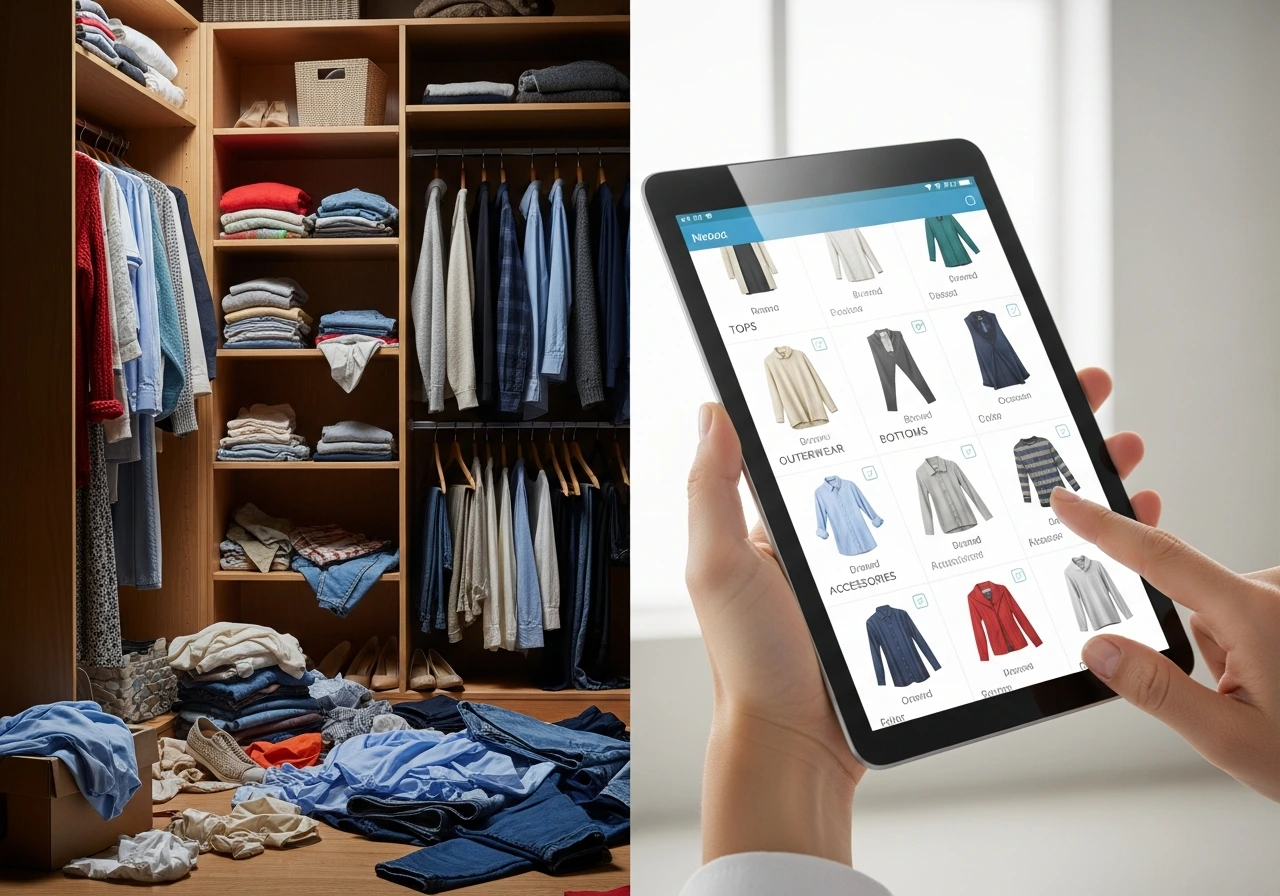
The concept of a digital fashion closet goes far beyond simply taking pictures of your clothes. While traditional closet organization focuses on physical space, a digital fashion closet creates a comprehensive inventory system that lives on your smartphone or computer. You can access your entire wardrobe from anywhere, mix and match pieces virtually, and gain insights into your wearing habits that would be impossible to track manually.
Modern digital fashion closet platforms incorporate advanced features like automatic background removal, color detection, and category tagging. Many systems now include artificial intelligence that learns your style preferences and suggests outfit combinations you might never have considered. The technology handles the tedious work of cataloging while you focus on the creative aspects of building great looks.
Understanding the Benefits of a Digital Fashion Closet

Building a digital fashion closet delivers tangible benefits that extend beyond mere convenience. Research shows that people spend an average of 13 to 17 minutes each morning deciding what to wear, which translates to over 100 hours per year. By planning outfits in advance or using AI generated suggestions, you can reclaim this time for more meaningful activities.
Financial savings represent another compelling advantage. When you can visualize your entire wardrobe organization at a glance, you avoid purchasing duplicate items or pieces that do not coordinate with your existing collection. The three item rule, which suggests that every new purchase should match at least three items you already own, becomes much easier to follow when you have a digital fashion closet at your fingertips. Users consistently report reduced impulse buying and more intentional shopping habits after implementing a digital wardrobe system.
The Sustainability Factor Behind Digital Fashion Closets
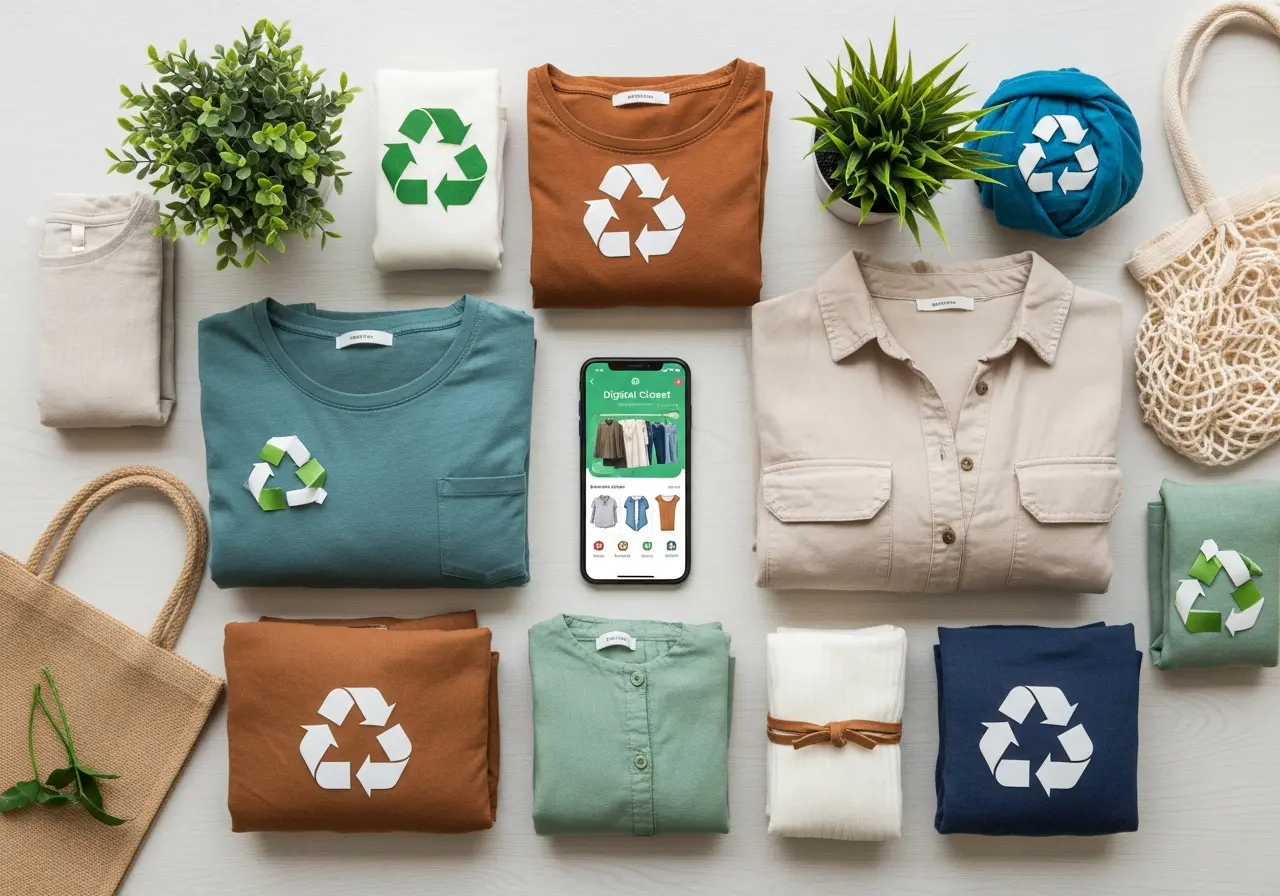
Environmental consciousness drives many people toward digital fashion closets. The average person wears only about 10 percent of their wardrobe regularly, leaving the majority of clothing underutilized. This inefficiency contributes to the fast fashion cycle, where people continuously buy new items while perfectly good clothes gather dust.
A digital fashion closet helps you rediscover forgotten pieces and find new ways to style them. By maximizing the use of what you already own, you reduce the demand for new clothing production. The ability to track cost per wear gives you concrete data about the true value of each garment, encouraging you to invest in quality pieces that will serve you well over time rather than trendy items that quickly fall out of rotation.
Choosing the Right Platform for Your Digital Fashion Closet
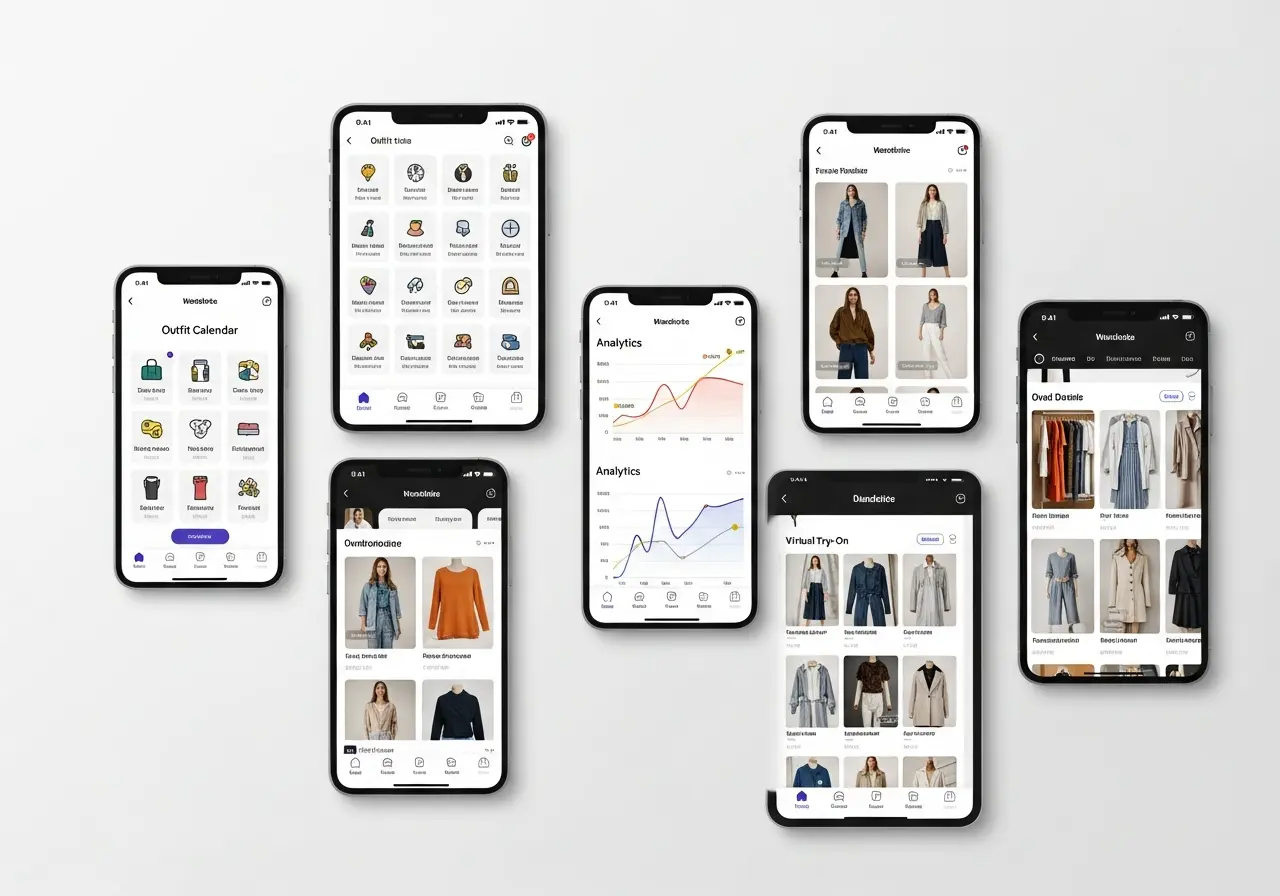
Selecting the appropriate platform sets the foundation for your digital fashion closet success. Dedicated wardrobe applications offer the most comprehensive features, including outfit creation tools, calendar integration, and analytics dashboards. Popular options provide both free and premium tiers, allowing you to start without financial commitment and upgrade as your needs grow.
Consider what features matter most to you when evaluating platforms. Some users prioritize detailed analytics that show wearing patterns and wardrobe gaps. Others focus on social features that allow sharing outfits with friends or connecting with personal stylists. The ideal digital fashion closet platform aligns with your specific goals, whether that involves minimizing decision fatigue, developing your personal style, or building a capsule wardrobe.
Getting Started with Photographing Your Wardrobe

The initial setup of your digital fashion closet requires an investment of time, but the process becomes easier with the right approach. Natural lighting makes the biggest difference in photo quality. Position yourself near a window with soft, indirect light to capture accurate colors without harsh shadows or overexposure.
For items that hold their shape like dresses and jackets, hanging them on a wall hook creates photos that show how the garment drapes naturally. Knitwear and other soft fabrics photograph well when laid flat on a neutral surface. Modern digital fashion closet apps include automatic background removal technology, so you do not need to worry about creating a perfect white backdrop. The software handles this technical aspect, leaving you with clean, professional looking images.
Organizing Categories and Tags in Your Digital Fashion Closet

Thoughtful categorization transforms your digital fashion closet from a simple photo album into a powerful tool. Most platforms allow you to organize items by type, such as tops, bottoms, dresses, and outerwear. However, you can enhance functionality by creating custom categories that reflect how you actually think about your wardrobe.
Seasonal tags help you filter clothing appropriate for current weather conditions. Occasion based organization lets you quickly pull up options for work, casual weekends, or formal events. Color coding makes it simple to identify pieces that coordinate well together. The key lies in developing a tagging system that feels intuitive to you, ensuring consistent application across your entire digital fashion closet.
Mastering the Art of Outfit Creation
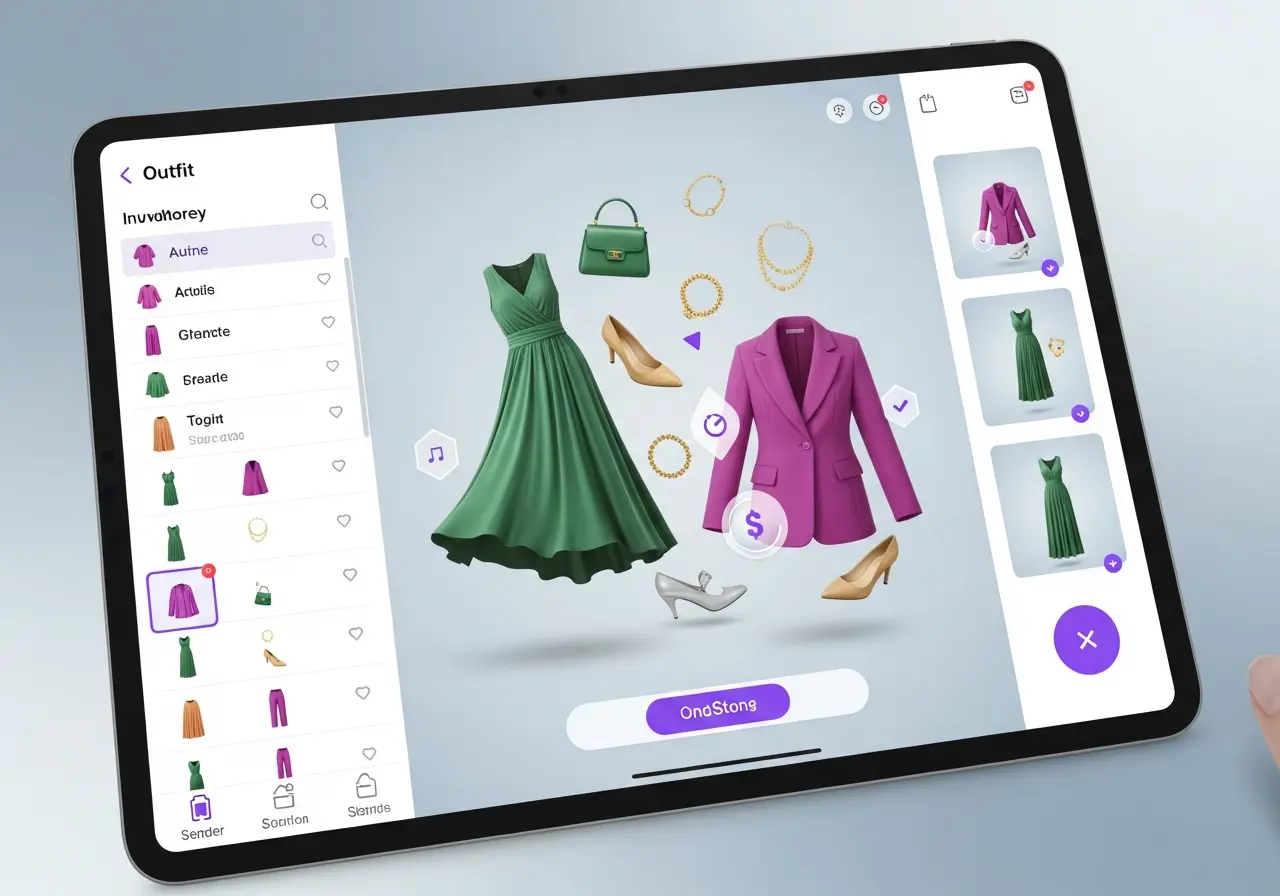
Once your digital fashion closet contains your full wardrobe, the real magic begins. Virtual outfit creation allows you to experiment with combinations without creating piles of clothing in your bedroom. Drag and drop interfaces make it easy to layer pieces, swap accessories, and preview complete looks in seconds.
Save your favorite outfit combinations for future reference. This feature proves particularly valuable for special occasions or travel, eliminating the need to recreate successful looks from memory. Many digital fashion closet platforms include randomizer features inspired by the iconic computer closet from Clueless, automatically generating outfit suggestions when you feel uninspired. These AI powered recommendations often surface creative combinations you would not have considered on your own.
Planning Your Wardrobe Calendar
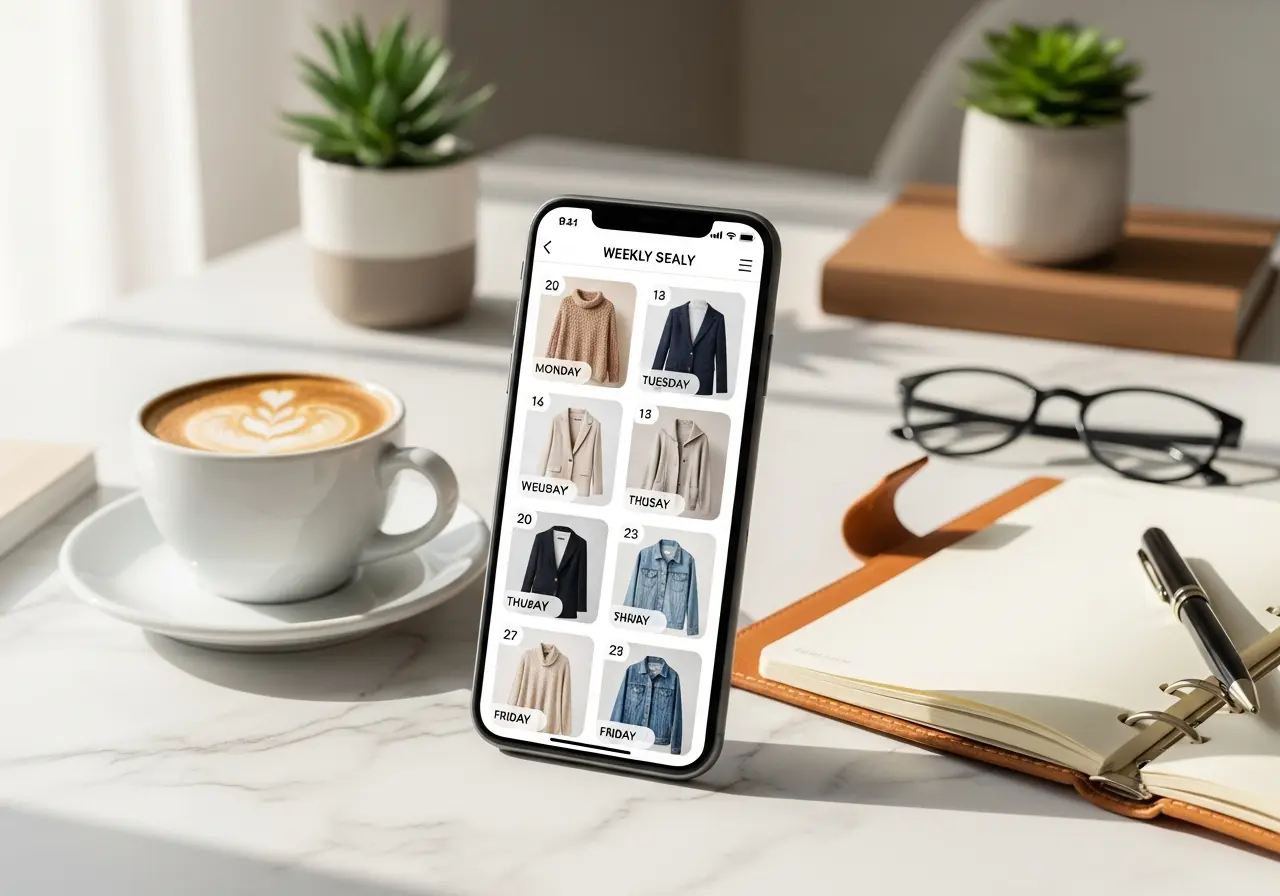
Calendar integration elevates your digital fashion closet from an organizational tool to a daily planning assistant. Schedule outfits in advance for important meetings, events, or trips. This proactive approach eliminates morning stress and ensures you always have appropriate clothing ready.
The calendar feature also enables automatic wear tracking. When you mark an outfit as worn, the system updates analytics showing which pieces get the most use. This data reveals patterns in your clothing preferences, helping you understand your true style versus items you thought you would wear but never do. Over time, these insights guide more successful purchasing decisions aligned with your actual lifestyle.
Leveraging Analytics to Understand Your Style
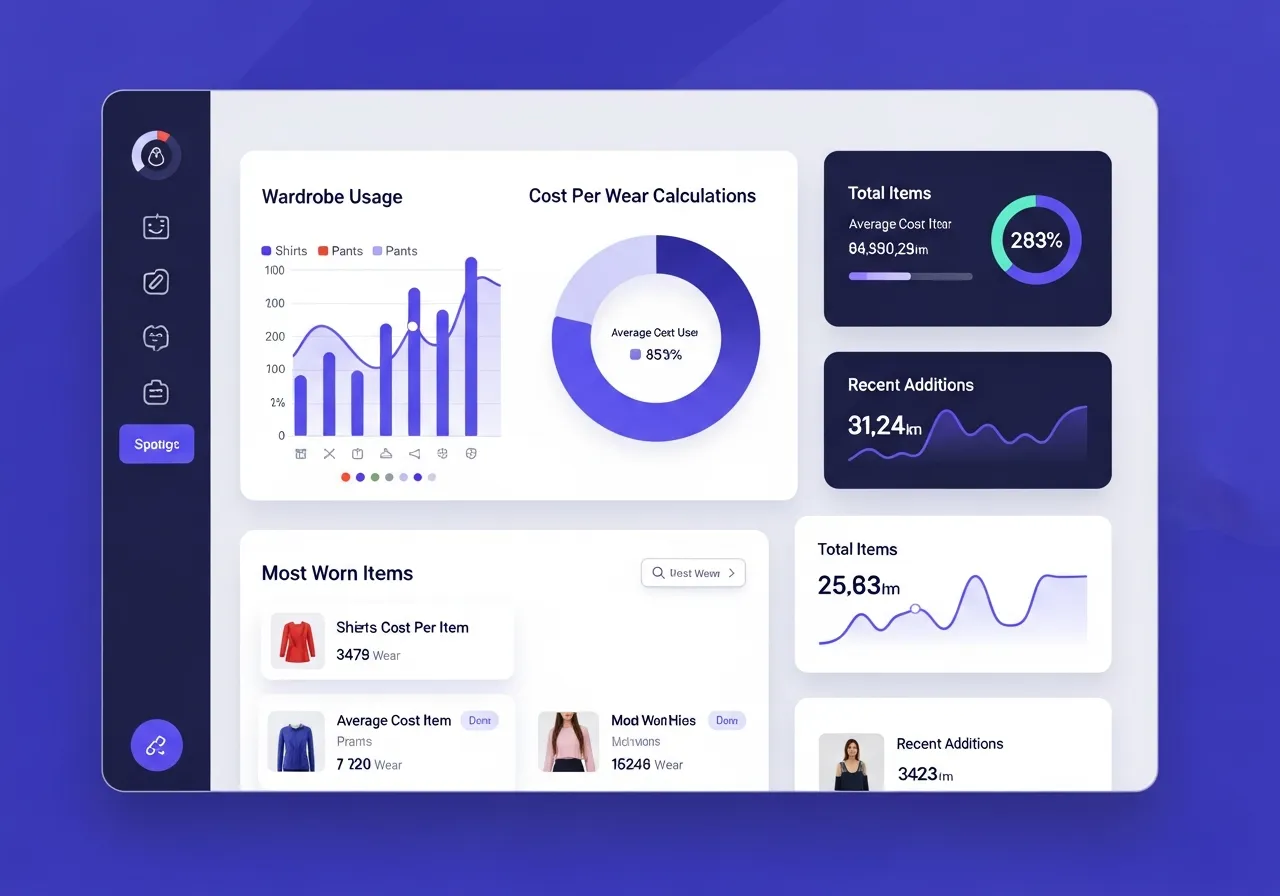
Digital fashion closet analytics provide objective insights into your wardrobe that would be impossible to gather manually. Cost per wear calculations show the real value of each garment by dividing the purchase price by the number of times you have worn it. This metric often surprises users, revealing that expensive staples deliver better value than cheap trendy pieces.
Wearing frequency reports highlight your most loved items as well as clothing that never leaves the closet. This information helps you identify wardrobe gaps where you lack versatile pieces versus areas where you own too many similar items. Style analysis features track patterns in colors, silhouettes, and aesthetics you gravitate toward, clarifying your personal style identity.
Implementing Smart Shopping Strategies

Your digital fashion closet becomes a powerful shopping companion that prevents wasteful purchases. Before buying anything new, check your virtual wardrobe to see what you already own. This simple habit stops duplicate purchases and helps you identify whether a potential buy genuinely fills a gap or simply duplicates existing pieces.
The wishlist feature lets you save items you are considering without making impulsive decisions. Add photos or links of pieces that catch your eye, then use your digital fashion closet to virtually style them with your existing wardrobe. If you cannot create at least three different outfits incorporating the new piece, it probably does not deserve a place in your collection. This methodical approach transforms shopping from an emotional activity into a strategic process.
Creating Capsule Wardrobes Within Your Collection
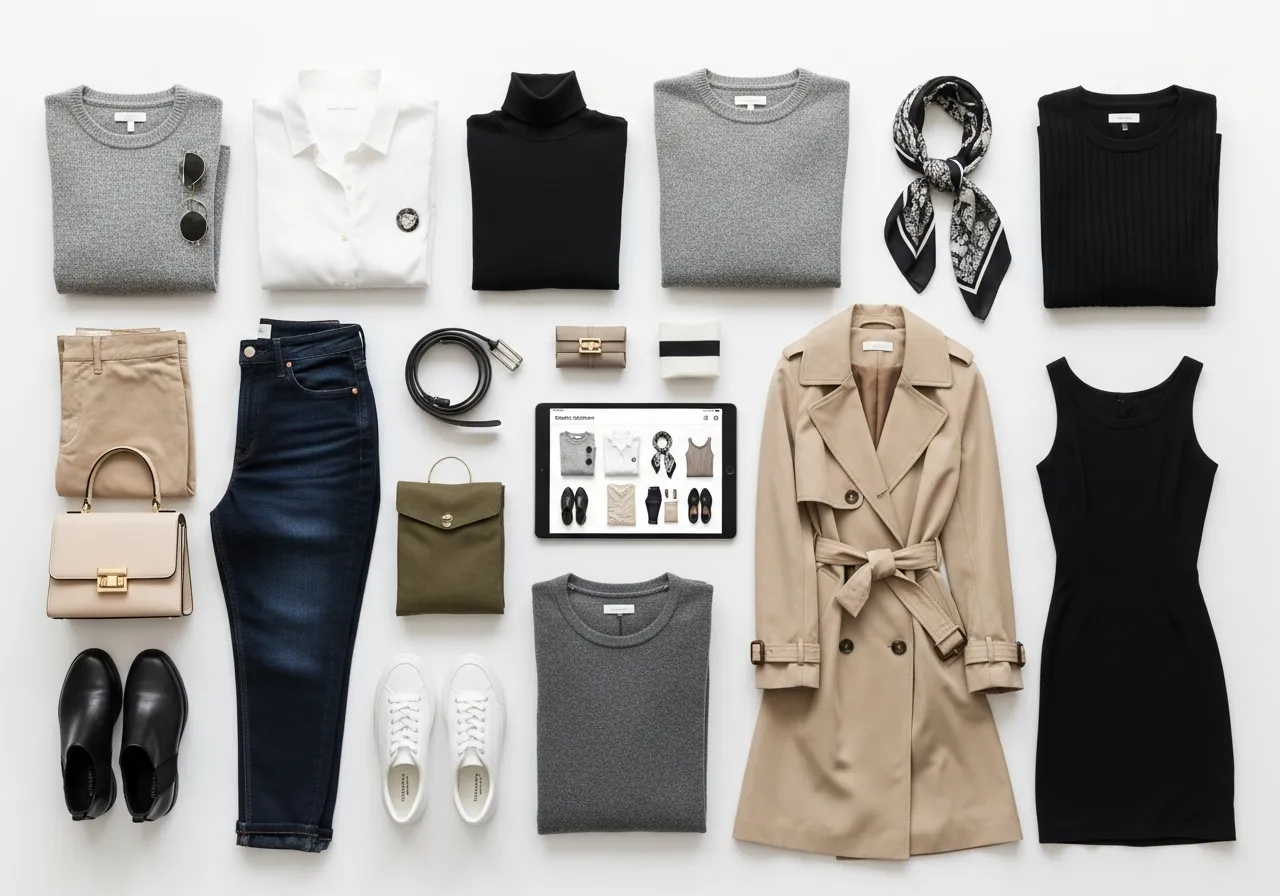
A digital fashion closet makes capsule wardrobe creation remarkably straightforward. Select a specific number of items that work together cohesively, then save this collection as a separate lookbook or category. Seasonal capsules help you rotate your wardrobe throughout the year without feeling overwhelmed by choices.
Travel capsules prove particularly valuable. Build a packing list by selecting pieces that coordinate well and suit your destination activities. Most digital fashion closet platforms let you plan complete outfits for each day of your trip, ensuring you pack efficiently without forgetting essential items. This feature eliminates overpacking and reduces the stress of travel preparation.
Connecting with Stylists and Community
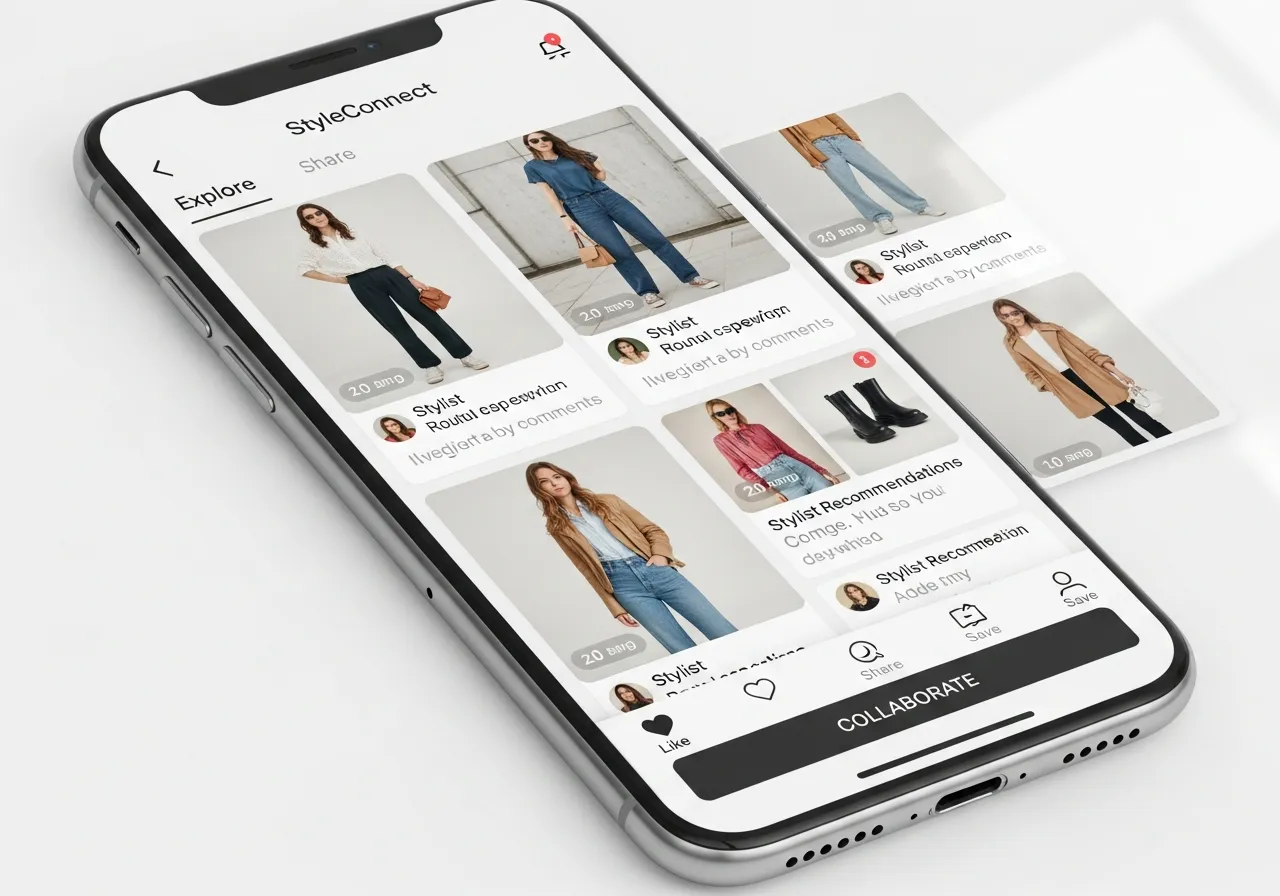
Many digital fashion closet platforms now include social features that enhance the experience. Share your wardrobe with friends to get outfit opinions or inspiration. Some systems connect users with professional stylists who can review your digital collection and create personalized lookbooks using pieces you already own.
Community features let you browse how other users style similar items, providing fresh perspective on your own wardrobe. This social aspect transforms fashion from a solitary pursuit into a collaborative experience. You gain access to styling ideas and trend information while maintaining focus on maximizing your existing clothing rather than constantly acquiring new pieces.
Maintaining Your Digital Fashion Closet
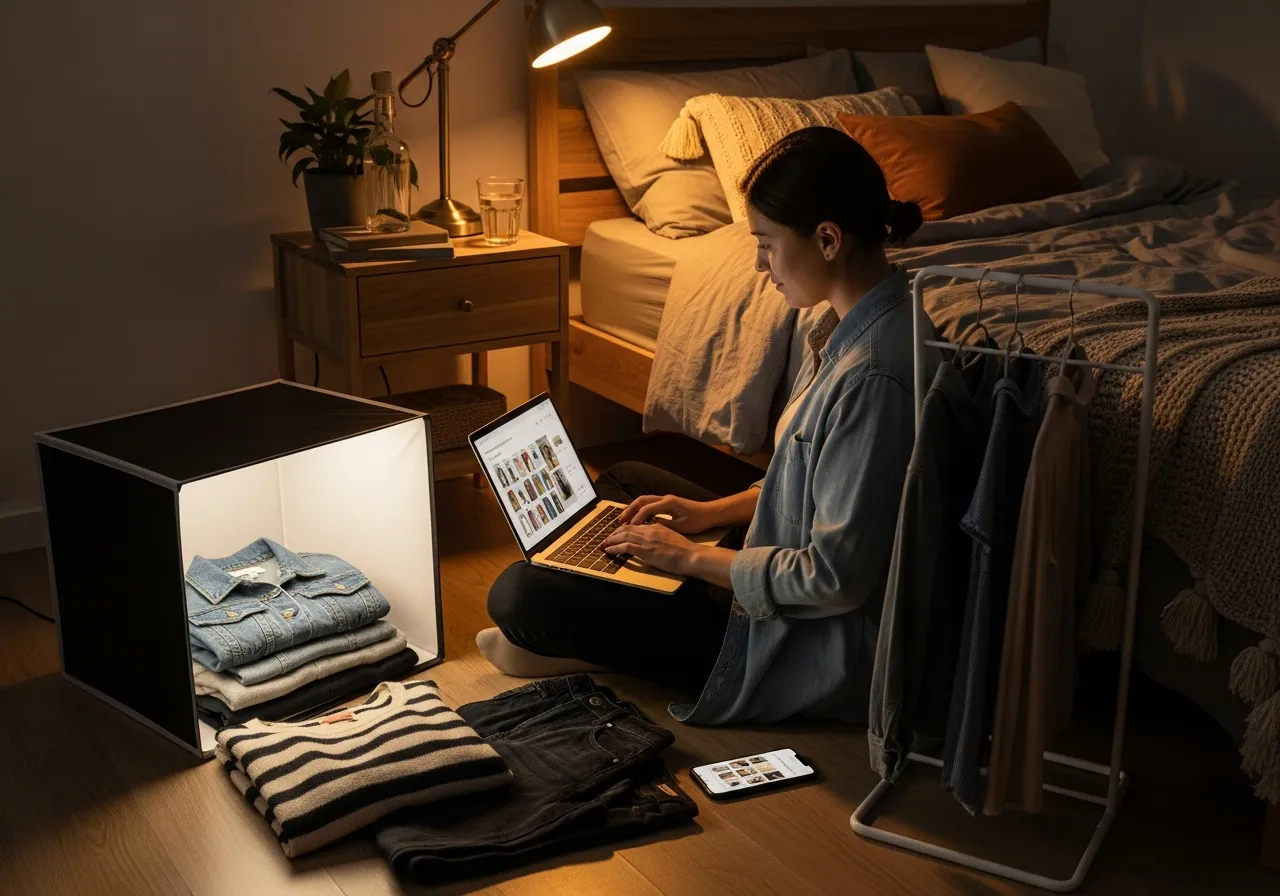
Consistency keeps your digital fashion closet useful over time. Update the system whenever you acquire new items or remove pieces from your wardrobe. Set a regular schedule, perhaps monthly or seasonally, to review and refresh your digital inventory. This maintenance ensures the platform accurately reflects your current collection.
As you wear outfits, take a moment to log them in your calendar or mark items as worn. This ongoing data collection makes your analytics increasingly valuable. Consider documenting why certain outfits worked well or noting adjustments you would make. These personal observations create a rich reference library that informs future styling decisions.
Overcoming Common Digital Fashion Closet Challenges

Building a digital fashion closet can feel overwhelming initially, especially if you own extensive clothing collections. Break the project into manageable segments by photographing one category at a time. Start with items you wear most frequently, then gradually add seasonal or occasional pieces. This approach lets you begin using the system quickly while working through the complete inventory at a comfortable pace.
Technical issues like poor photo quality or confusing categorization systems frustrate some users. Take time to learn your chosen platform thoroughly, exploring all features and settings. Most digital fashion closet applications offer tutorials or customer support to help you maximize functionality. Remember that your system will improve with use as you develop efficient workflows and habits.
Integrating Technology and Personal Style

The most successful digital fashion closet implementation balances technological efficiency with personal creativity. Let the system handle organizational tasks like tracking wear frequency and calculating costs, freeing your mental energy for the enjoyable work of styling and self expression. Use AI suggestions as inspiration rather than rigid rules, adapting recommendations to match your authentic preferences.
Your digital fashion closet should enhance rather than constrain your relationship with clothing. If certain features feel burdensome or unhelpful, simplify your approach. The goal involves creating a tool that serves your specific needs, not conforming to someone else’s ideal system. Customize categories, adjust settings, and develop workflows that feel natural and sustainable for your lifestyle.
Embracing the Future of Wardrobe Management
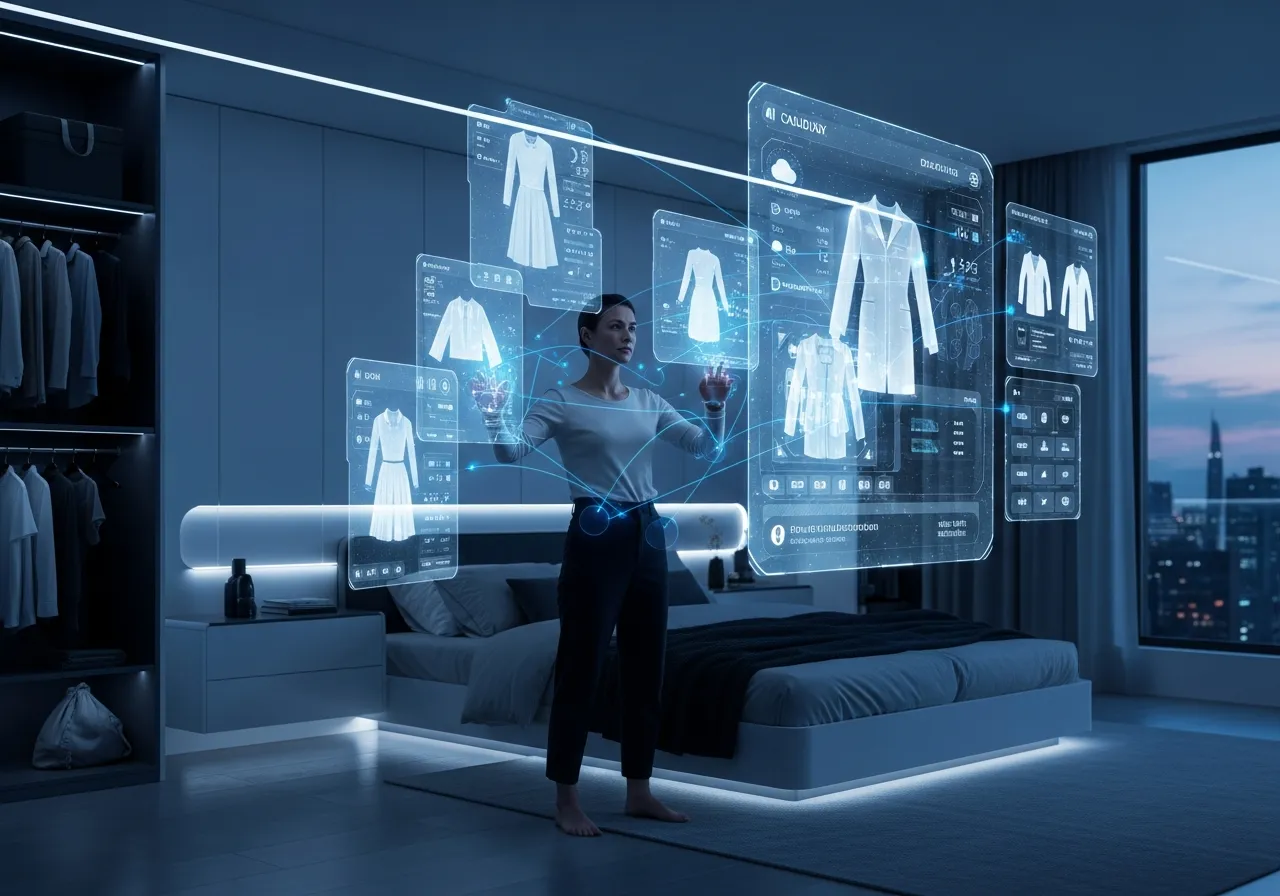
Digital fashion closets represent more than a passing trend. They reflect a fundamental shift in how people approach clothing ownership and consumption. As awareness grows around fashion’s environmental impact and the benefits of mindful consumption, these tools provide practical support for living those values daily.
The technology continues evolving with innovations like virtual try on features, enhanced AI styling capabilities, and deeper integration with sustainable fashion marketplaces. Early adopters gain not only immediate organizational benefits but also position themselves to take advantage of these advancing capabilities. Your digital fashion closet becomes increasingly powerful as platforms add features and refine their algorithms based on user data.
Building a digital fashion closet transforms chaos into clarity, waste into wisdom, and morning stress into creative possibility. You gain complete visibility into your wardrobe, make smarter purchasing decisions, and develop genuine understanding of your personal style. The time invested in setup pays dividends every single day as you effortlessly create outfits, avoid duplicate purchases, and feel confident in your clothing choices. Take that first step toward wardrobe enlightenment and discover why millions of fashion lovers have already embraced this game changing approach to style management.
Explore more for trendy fashion tips!
Frequently Asked Questions
How long does it take to set up a digital fashion closet?
The initial setup typically takes 4 to 8 hours depending on your wardrobe size. You can break this into smaller sessions by photographing one category at a time. Start with frequently worn items so you can begin using the system immediately while gradually adding the rest of your collection.
Do I need to pay for a digital fashion closet app?
Many excellent platforms offer robust free versions that include unlimited item uploads, outfit creation, and basic analytics. Premium subscriptions unlock advanced features like professional styling services, detailed wardrobe insights, and additional customization options, but are not necessary for most users.
Can a digital fashion closet really help me save money?
Yes, users consistently report reduced spending after implementing a digital wardrobe system. Seeing your complete collection prevents duplicate purchases and impulse buying. Cost per wear tracking also helps you evaluate whether potential purchases offer genuine value based on how often you will realistically wear them.
What happens to my digital closet if I switch apps?
Most platforms store your data in your account rather than just on your device. However, transferring between different apps usually requires rebuilding your wardrobe in the new system. Choose your platform carefully initially, focusing on established companies with strong user bases to ensure long term stability.
Is a digital fashion closet only for people with large wardrobes?
Digital fashion closets benefit anyone who wears clothes, regardless of wardrobe size. Even minimalists with capsule wardrobes appreciate the outfit planning features and wear tracking capabilities. The system helps you maximize whatever collection you have, whether that includes 50 pieces or 500.



One Comment