The Jelly Shoe Trend Is Back and Better Than Ever
Fashion has a peculiar relationship with nostalgia, constantly revisiting decades past to reimagine styles that once defined entire generations. Few items capture this cyclical nature quite like jelly shoes. The plastic footwear that dominated playgrounds and beach trips throughout the 1980s and 1990s has returned to contemporary wardrobes, but with significant upgrades that address past shortcomings while maintaining the playful spirit that made them beloved in the first place.
The resurgence of jelly shoe trends represents more than simple nostalgia. This comeback coincides with broader fashion movements toward transparency in design, sustainable material innovation, and the embrace of unconventional textures. Modern jelly shoes benefit from three decades of material science advancement, resulting in versions that are more comfortable, durable, and versatile than their predecessors. The childhood staple has matured into a legitimate fashion choice that works for adults who appreciate both whimsy and practicality.
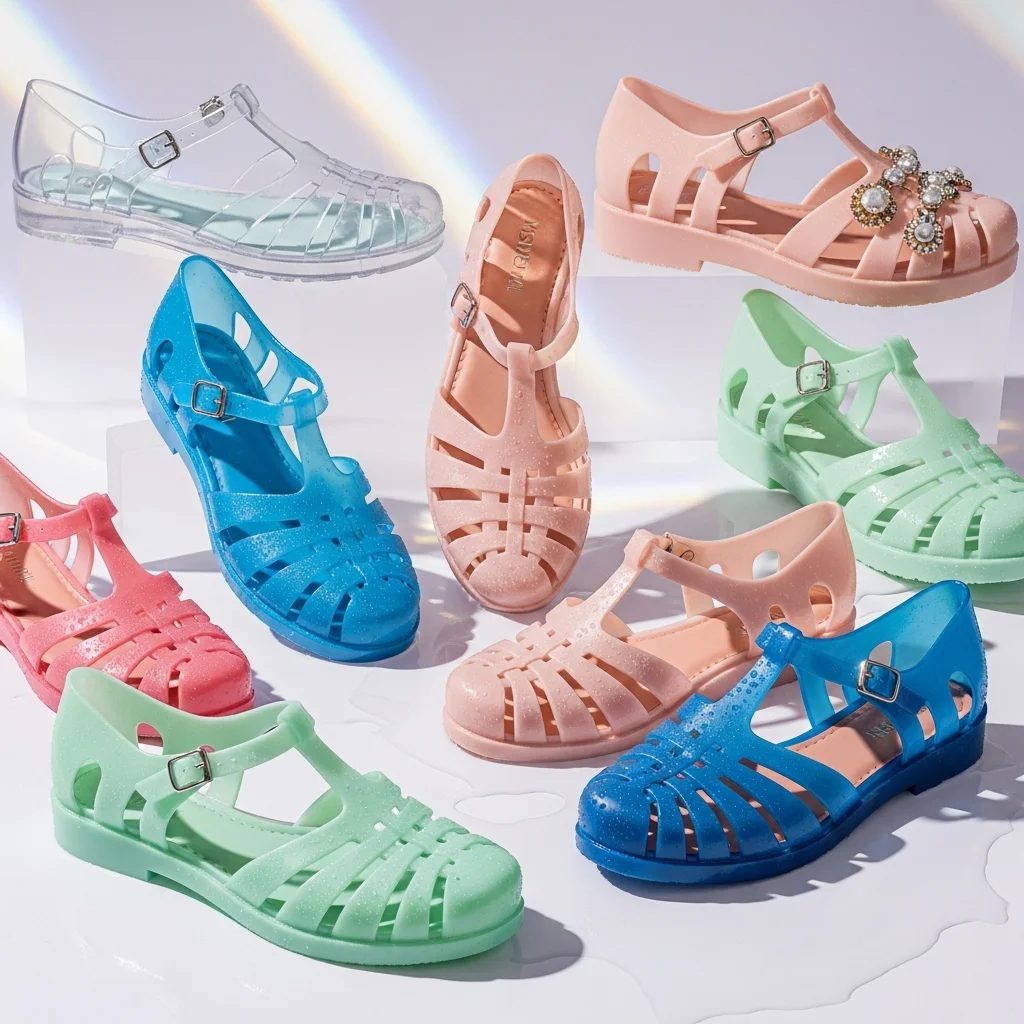
What distinguishes the current jelly shoe moment from previous revivals is the diversity of options available. Today’s market offers everything from minimalist clear flats that work with professional attire to chunky platform jellies that make bold fashion statements. Designers across all price points have embraced the trend, creating interpretations that range from faithful reproductions of classic styles to avant-garde pieces that push the boundaries of what jelly footwear can be. This variety ensures that everyone can find a version suited to their personal aesthetic and lifestyle needs.
The timing of this resurgence also reflects changing attitudes toward what constitutes appropriate footwear. The rigid formality that once governed shoe choices has relaxed considerably, creating space for playful, unconventional options in contexts where they would have previously been dismissed. Jelly shoes embody this shift, offering practical benefits like waterproof construction and easy maintenance while delivering the visual interest that makes getting dressed feel creative rather than obligatory.
The Original Jelly Shoe Legacy

Understanding the current trend requires appreciating the cultural footprint jelly shoe trend left during their initial popularity. First mass-produced in the early 1980s, these PVC shoes offered an affordable, waterproof alternative to traditional footwear. Their appeal transcended economic boundaries because they solved practical problems while offering fun color options and playful designs that resonated with children and fashion-forward adults alike.
The original jelly shoe trend came primarily in simple flat sandal styles with a distinctive T-strap or latticed design. The material’s flexibility allowed manufacturers to create intricate cutout patterns that provided ventilation while maintaining structural integrity. These shoes became synonymous with summer, equally at home on beaches, at pools, or during rainy day errands. Their waterproof nature made them ideal for situations where traditional leather or canvas shoes would be damaged, giving them utility that justified their place in most closets.
However, the first generation of jelly shoes had notable drawbacks. The rigid plastic often caused blisters and discomfort, particularly during break-in periods or extended wear. The material trapped heat and moisture, creating less-than-ideal conditions for feet during hot weather. Sizing could be problematic since the inflexible material offered little accommodation for different foot shapes. These practical concerns, combined with the inevitable fashion cycle that moved away from 1980s aesthetics, led to jelly shoes falling out of mainstream favor by the late 1990s.
Despite disappearing from fashion prominence, jelly shoes maintained a loyal following among certain subcultures and remained available through specialty retailers. This sustained presence, though modest, kept the style alive long enough for nostalgia to build. Adults who wore jellies as children began experiencing fondness for the memories associated with them, creating the cultural groundwork necessary for a successful revival. When fashion’s pendulum swung back toward 1990s and Y2K aesthetics in the early 2020s, jelly shoes were perfectly positioned for rediscovery.
Here Are 7 Reasons the Jelly Shoe Trend Thrives Today

1. Material Innovation Changes Everything
The most significant difference between vintage and contemporary jelly shoes lies in material composition. Modern PVC formulations incorporate plasticizers and additives that create more flexible, comfortable materials that adapt better to foot shapes. Some manufacturers now use thermoplastic rubber compounds that offer memory foam-like cushioning while maintaining the transparent aesthetic that defines jelly shoes. These advances address the primary complaint about original jellies without sacrificing their distinctive appearance. Read more here.
Premium jelly shoe trend brands have introduced cushioned insoles, anatomically designed footbeds, and arch support features that were completely absent from original versions. The base material itself has improved in terms of durability and resistance to yellowing or clouding over time. Contemporary jelly shoes can withstand significantly more wear before showing signs of degradation, making them viable options for regular rotation rather than occasional novelty wear.
2. Designer Interpretations Elevate the Category
High-fashion brands embracing jelly shoe trend has legitimized them in ways that seemed impossible during their initial run. When luxury houses create elevated interpretations using premium materials and sophisticated design principles, it signals that jelly shoes deserve consideration as serious fashion items rather than cheap throwback novelties. These designer versions often incorporate unexpected elements like metallic finishes, crystal embellishments, or architectural heel structures that push the concept into new territory.
The presence of jelly shoes on runways and in high-fashion editorials creates a trickle-down effect that influences mass-market offerings. Mid-range brands take inspiration from luxury interpretations, creating more accessible versions that capture similar aesthetic qualities at lower price points. This dynamic ensures that shoppers at every budget level can participate in the trend while still finding versions that feel fresh and contemporary rather than like costume pieces.
3. Sustainable Considerations Drive Interest
The fashion industry’s growing focus on sustainability has prompted renewed interest in durable, long-lasting materials. While PVC has environmental concerns, modern jelly shoe manufacturers increasingly use recycled plastics and develop bio-based alternatives that reduce environmental impact. Some brands have introduced plant-based jellies made from algae or other renewable resources that biodegrade more readily than traditional plastics while maintaining similar performance characteristics.
The longevity of quality jelly shoe trend also contributes to sustainability arguments. A well-made pair can last multiple seasons with proper care, reducing the need for frequent replacement. Their waterproof nature means they withstand conditions that would destroy other shoe types, extending their useful life. For consumers trying to build more sustainable wardrobes focused on versatile pieces with extended lifespans, contemporary jelly shoes offer compelling benefits that align with these values.
4. Versatility Surprises Skeptics
Modern styling approaches have revealed unexpected versatility in jelly shoes that expands their utility far beyond beach and pool contexts. Fashion influencers and stylists have demonstrated that clear jelly flats work beautifully with professional attire, creating interesting textural contrast with tailored pieces while maintaining appropriate polish. jelly shoe trend sandals pair effectively with everything from casual denim to flowing summer dresses, adapting to various aesthetic directions without looking out of place.
The transparent quality of many jelly shoes gives them a chameleon-like ability to work with diverse color palettes and patterns. Unlike opaque shoes that must coordinate with specific colors, clear jellies essentially disappear into outfits while adding subtle visual interest through their distinctive texture and construction. This quality makes them remarkably efficient wardrobe pieces that deliver high versatility relative to closet space occupied.
5. Nostalgia Meets Contemporary Sensibility
The emotional appeal of jelly shoe trend for millennials and older Gen Z consumers cannot be overstated. These shoes evoke specific childhood memories and represent a tangible connection to simpler times. However, the current trend succeeds because it offers nostalgia without requiring adults to dress like children. Contemporary jelly shoes honor the spirit of originals while incorporating sophisticated design elements and improved construction that feel age-appropriate.
This balance between nostalgic reference and modern execution allows wearers to enjoy the emotional satisfaction of reconnecting with beloved childhood items while maintaining adult style credibility. The trend doesn’t ask people to pretend they’re still children but rather to celebrate how certain elements from youth can be reinterpreted through mature perspectives. This nuanced approach to nostalgia feels more authentic and sustainable than trends that simply try to reproduce the past without adaptation.
6. Practical Benefits Remain Undeniable
Beyond aesthetics and nostalgia, jelly shoes deliver genuine functional advantages that justify their presence in contemporary wardrobes. Their waterproof construction makes them ideal for unpredictable weather, travel scenarios where wet conditions are likely, or activities near water. They clean easily with simple soap and water, requiring minimal maintenance compared to leather or suede alternatives. Their relatively low cost allows for guilt-free wear in situations where expensive shoes might be damaged.
The ease of packing jelly shoes for travel represents another practical benefit. They resist crushing, don’t require special storage considerations, and can be wiped clean after wear rather than requiring time-consuming care routines. For people who value efficiency in their wardrobes, jelly shoes offer a ratio of benefits to hassles that’s difficult to match with other footwear categories.
7. Social Media Amplifies Visibility
The visual nature of jelly shoe trend makes them exceptionally well-suited for social media platforms where distinctive, photogenic items generate engagement. The transparent material photographs beautifully, creating interesting light effects and visual depth that translates well to digital formats. Fashion content creators have embraced jelly shoes as props that add personality to outfit posts without overwhelming other elements.
This social media presence creates a self-reinforcing cycle where increased visibility drives interest, which generates more content, which further amplifies awareness. The hashtags associated with jelly shoes contain thousands of posts showing creative styling approaches, which both inspires potential buyers and provides social proof that the trend has genuine momentum rather than being an isolated phenomenon.
Addressing the Comfort Question
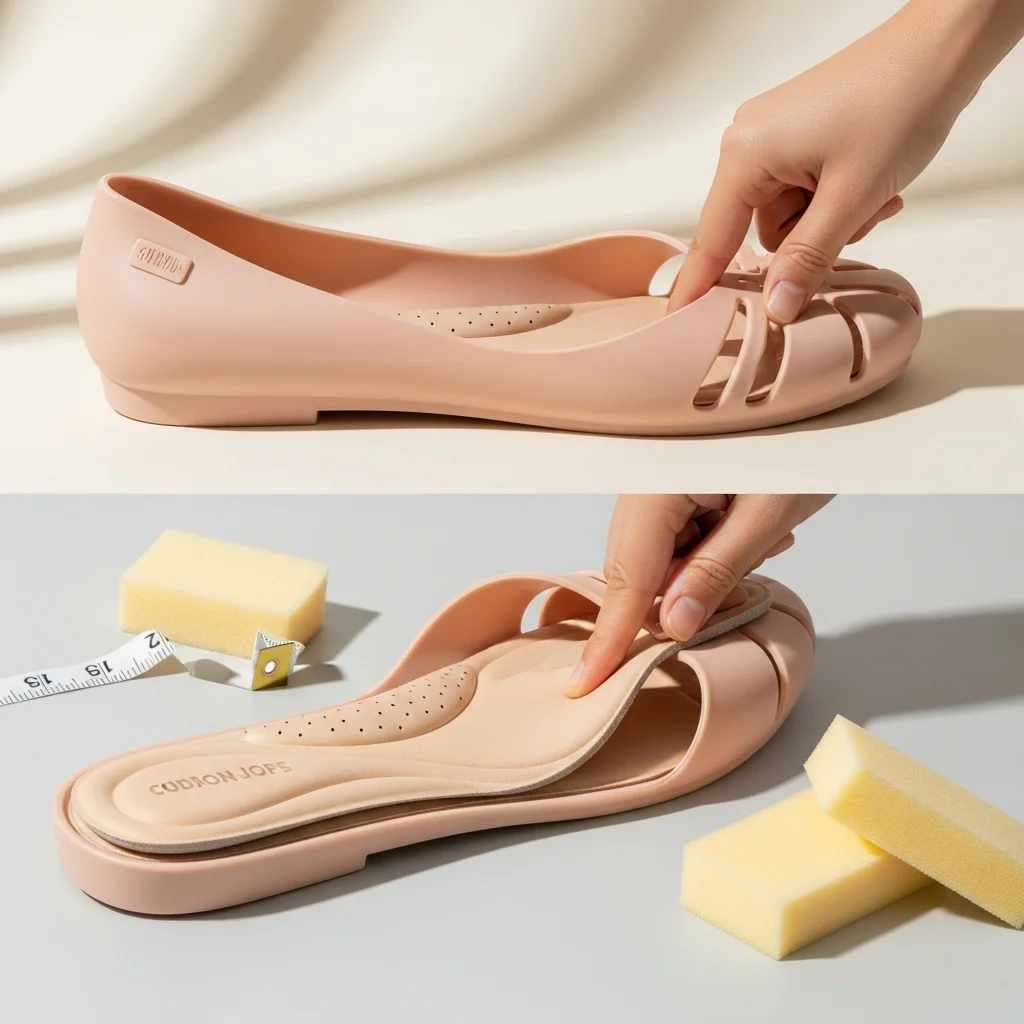
The elephant in the room for anyone considering jelly shoes remains the comfort concern. Original jellies earned their reputation for causing blisters and discomfort, and this historical baggage influences current perceptions. However, addressing comfort requires distinguishing between vintage shoes and contemporary versions while acknowledging that some inherent limitations exist with the material.
Modern jelly shoe trends incorporate several features that substantially improve comfort. Cushioned insoles provide shock absorption that bare plastic never could. Strategic perforation patterns enhance breathability and reduce moisture buildup. Adjustable straps on certain styles allow for customized fit rather than the one-size-fits-all approach of classic designs. These improvements make contemporary jellies dramatically more comfortable than their predecessors, though they may never match the comfort of premium leather shoes with proper support systems.
Successful jelly shoe trend wearing also requires appropriate expectations and use cases. They work beautifully for short to moderate wear periods and situations where their waterproof benefits matter most. They may be less suitable for all-day wear requiring extensive walking or standing. Understanding these limitations helps users deploy jelly shoes strategically rather than expecting them to serve every footwear need. Proper sizing also matters significantly, as too-tight jellies will inevitably cause problems regardless of how well-designed they might be.
Breaking in new jelly shoes gradually helps prevent issues. Wearing them for short periods initially allows feet to adapt to the material while identifying any problem areas before committing to extended wear. Some people find that wearing jellies with thin socks during break-in reduces friction and prevents blisters, though this obviously defeats the waterproof purpose. Various products like anti-blister balms and gel cushions can also improve comfort for people who want to wear jellies but experience fit challenges.
Styling Contemporary Jelly Shoes
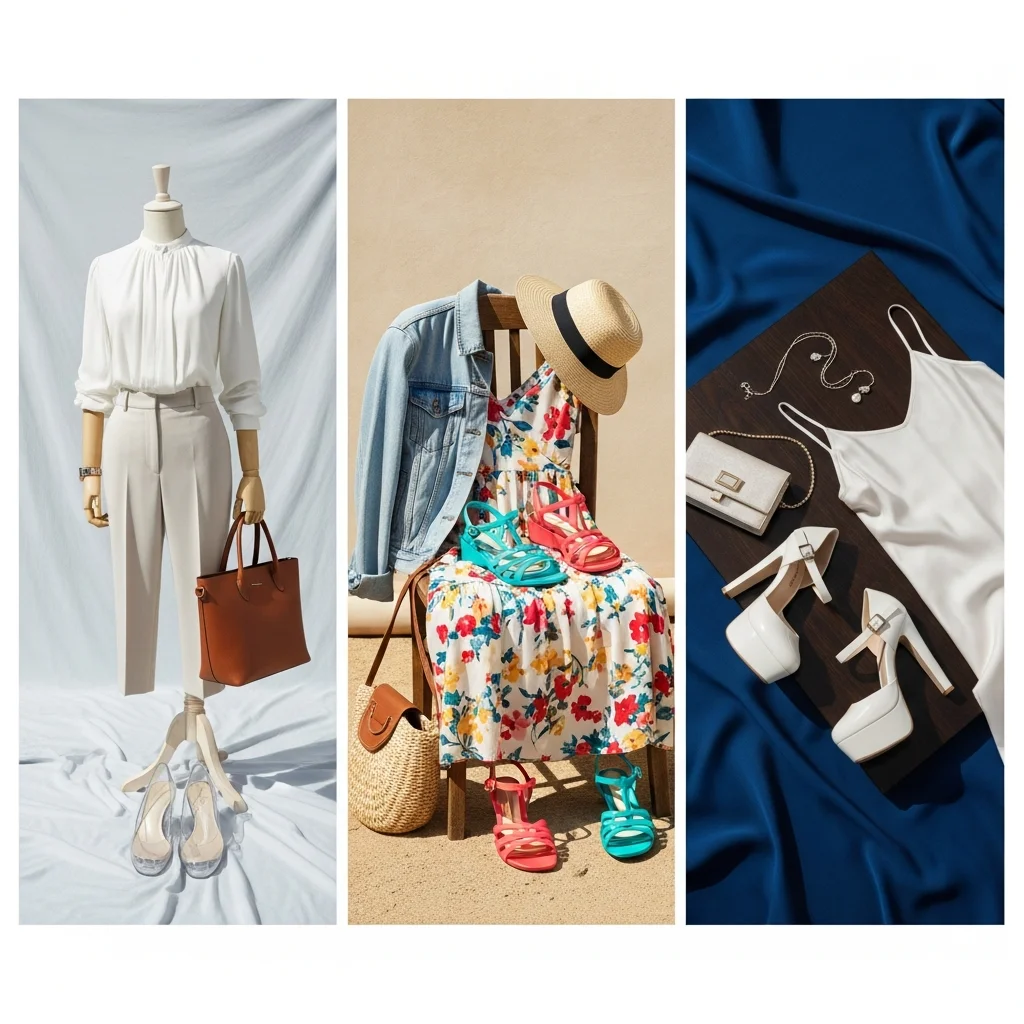
The expanded design landscape for jelly shoe trend requires updated styling approaches that maximize their contemporary potential while avoiding costumey appearances that undermine their fashion credibility. The key involves treating them as legitimate footwear options worthy of the same styling consideration given to any shoes rather than as novelty items requiring special handling.
For professional contexts, clear or neutral-toned jelly flats work surprisingly well with tailored pieces. Pair them with cropped trousers and structured blouses for office-appropriate looks that feel fresh without crossing into unprofessional territory. The transparency allows them to blend smoothly rather than creating harsh visual breaks. This approach works best in creative professional environments rather than traditional corporate settings, but it demonstrates that jelly shoes can function beyond purely casual contexts.
Casual styling offers the broadest range of possibilities. Jelly sandals complement summer dresses beautifully, creating easygoing looks perfect for weekend activities. They pair well with denim in all forms, from cutoff shorts to boyfriend jeans. For more fashion-forward approaches, try contrasting the playful nature of jellies with sophisticated pieces like silk slip skirts or tailored blazers. This high-low mixing creates interesting tension that elevates both elements. Find more on shoes here.
Platform and heeled jelly shoe trend open additional styling opportunities that flat versions cannot provide. These dressier interpretations work for evening occasions, parties, or events where you want memorable footwear that sparks conversation. Style them with simple, streamlined clothing that allows the shoes to serve as focal points. The transparent material means they won’t overwhelm outfits despite their bold proportions, creating balanced looks even when the shoes themselves make strong statements.
The Market Landscape
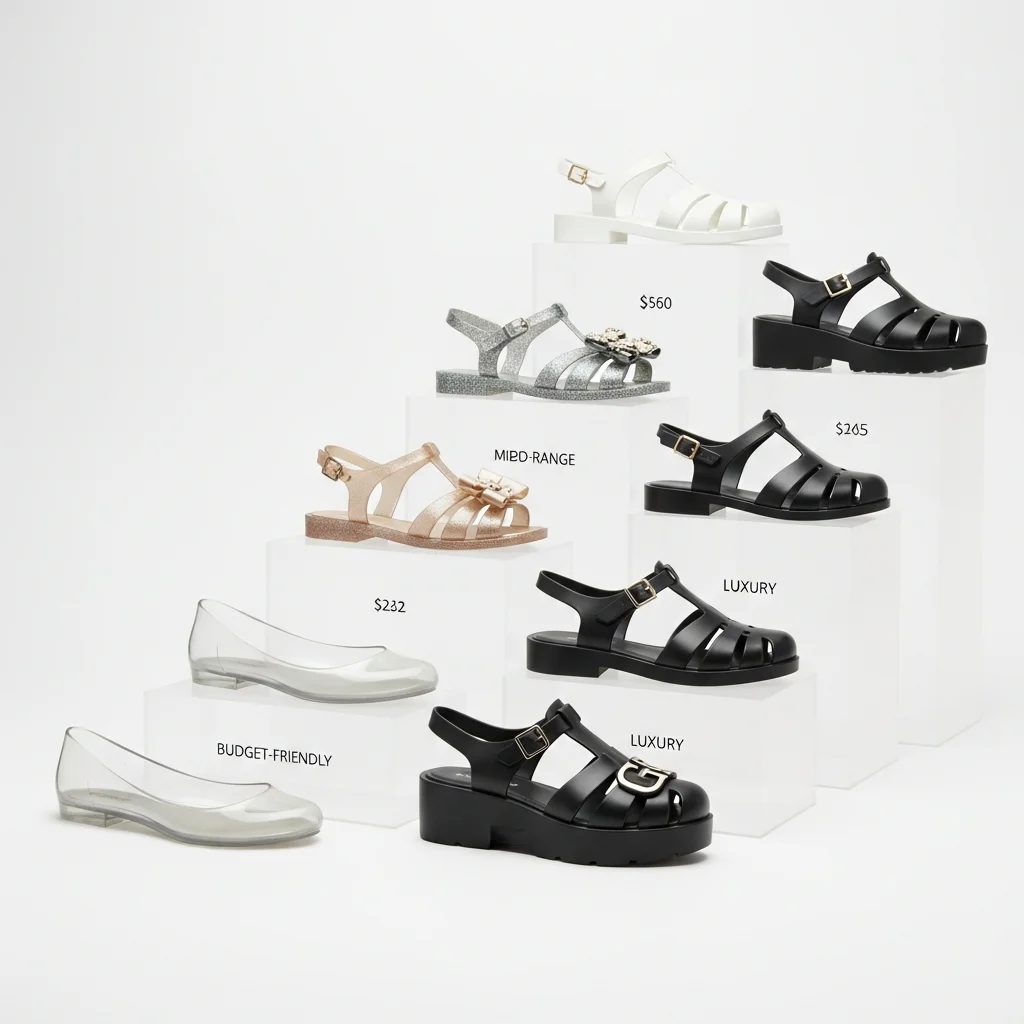
The contemporary jelly shoe trend market spans an impressive range of price points and style directions, offering options for virtually every preference and budget. Fast fashion retailers provide affordable entry points, typically pricing basic styles between fifteen and thirty dollars. These versions work well for testing the trend or for situations where shoe longevity isn’t critical. They generally offer decent quality for the price, though they may not include the comfort features found in premium options.
Mid-range brands occupy the sweet spot between affordability and quality, usually priced between forty and eighty dollars. These versions typically incorporate better materials, improved comfort features, and more thoughtful design details than budget options. They represent the best value proposition for most consumers, delivering solid performance and reasonable longevity without requiring luxury-level investment.
Designer and luxury jelly shoe trend command prices from one hundred dollars up to several hundred for especially elaborate styles. These premium versions justify their costs through superior materials, exceptional comfort engineering, unique design elements, and brand prestige. They appeal to consumers who view shoes as investments and appreciate the refinement that comes with higher price points. Some designer jellies have achieved cult status within fashion communities, becoming sought-after items that sell out quickly upon release.
The variety of styles available across these price tiers means that jelly shoes now accommodate diverse aesthetic preferences. Minimalists can find simple, understated versions that blend seamlessly with pared-down wardrobes. Maximalists have access to embellished, colorful options that make bold statements. This stylistic range ensures the trend appeals broadly rather than serving only niche audiences with specific tastes.
Caring for Jelly Shoes
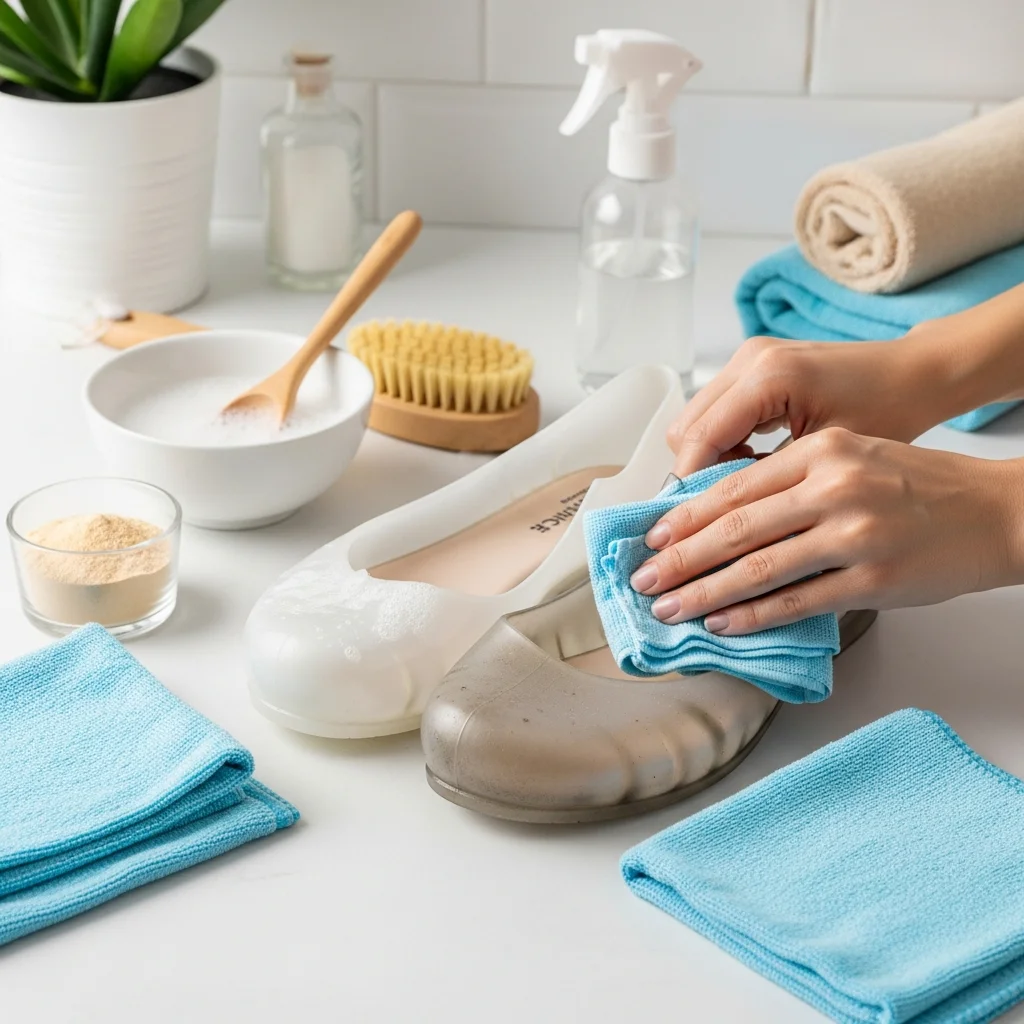
Proper maintenance extends the life of jelly shoes while keeping them looking fresh. Fortunately, caring for them requires minimal effort compared to other footwear types. The basic cleaning process involves simply wiping shoes with damp cloth and mild soap after wear. For more thorough cleaning, jellies can be fully submerged and scrubbed gently with soft brushes. Their waterproof construction means there’s no risk of damage from water exposure, unlike leather or suede shoes requiring careful moisture management.
Preventing yellowing and cloudiness represents the main long-term care challenge for clear jelly shoes. Direct sunlight exposure accelerates discoloration, so storing jellies away from windows helps maintain their transparency. Some users report success with occasional cleaning using baking soda paste or specialized plastic cleaners designed for clear materials. While some discoloration over time is inevitable with PVC materials, proper storage and care significantly slow this process.
Storage considerations for jelly shoe trend are straightforward. They can be kept in regular shoe boxes or on open shelves without special requirements. Avoid storing them in extremely hot conditions, as high temperatures can cause warping or material degradation. Some people prefer storing them stuffed with tissue paper to help maintain shape, though this isn’t strictly necessary for most styles. The durability of the material means jellies withstand storage conditions that would damage more delicate shoes.
Addressing odor represents another care consideration since the non-breathable material can trap moisture and bacteria. Allowing shoes to dry completely between wears helps prevent odor development. Sprinkling baking soda inside shoes and letting it sit overnight absorbs moisture and neutralizes smells. Some people use shoe deodorizer sprays formulated for synthetic materials. Maintaining good foot hygiene also prevents odor issues before they start.
The Future of Jelly Shoes
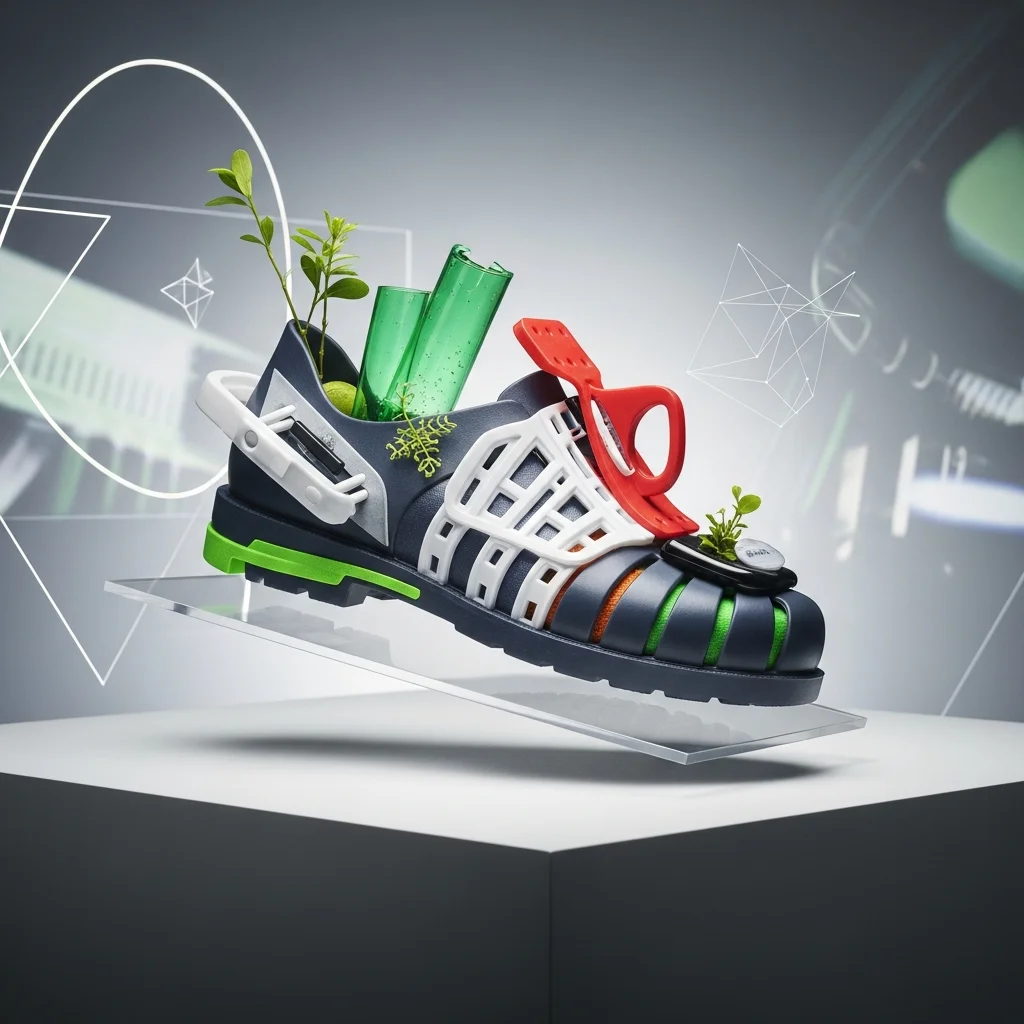
Predicting fashion’s future direction always involves speculation, but several indicators suggest jelly shoe trend have staying power beyond typical trend cycles. The material innovations and comfort improvements that define contemporary versions create a foundation for continued relevance that didn’t exist during previous jelly shoe moments. When products deliver genuine functional benefits while satisfying aesthetic desires, they tend to establish lasting market presence rather than flaming out after brief popularity spikes.
The sustainability angle also supports longevity predictions. As eco-friendly material alternatives continue developing, jelly shoes could become leaders in sustainable footwear categories. Brands investing in bio-based materials and closed-loop manufacturing processes position jellies as responsible choices that align with consumer values increasingly prioritizing environmental considerations. This positioning transcends trend status to create lasting category relevance.
Design evolution will likely continue pushing jelly shoes in new directions. Expect to see ongoing experimentation with hybrid constructions combining transparent elements with other materials, innovative closure systems moving beyond traditional straps, and architectural shapes that challenge conventional footwear silhouettes. These innovations keep the category feeling fresh even as the basic concept remains recognizable, preventing the stagnation that often dooms revived trends. Find more on 2026 shoe trends here.
The integration of jelly shoes into mainstream fashion consciousness also differs from their initial popularity. Current acceptance spans demographic groups and style tribes that previously would have dismissed them. This broad appeal creates larger, more stable market demand that encourages continued production and innovation. Rather than being confined to specific subcultures or age groups, jelly shoes now register as legitimate options within general footwear conversations.
Making Jelly Shoes Work for You
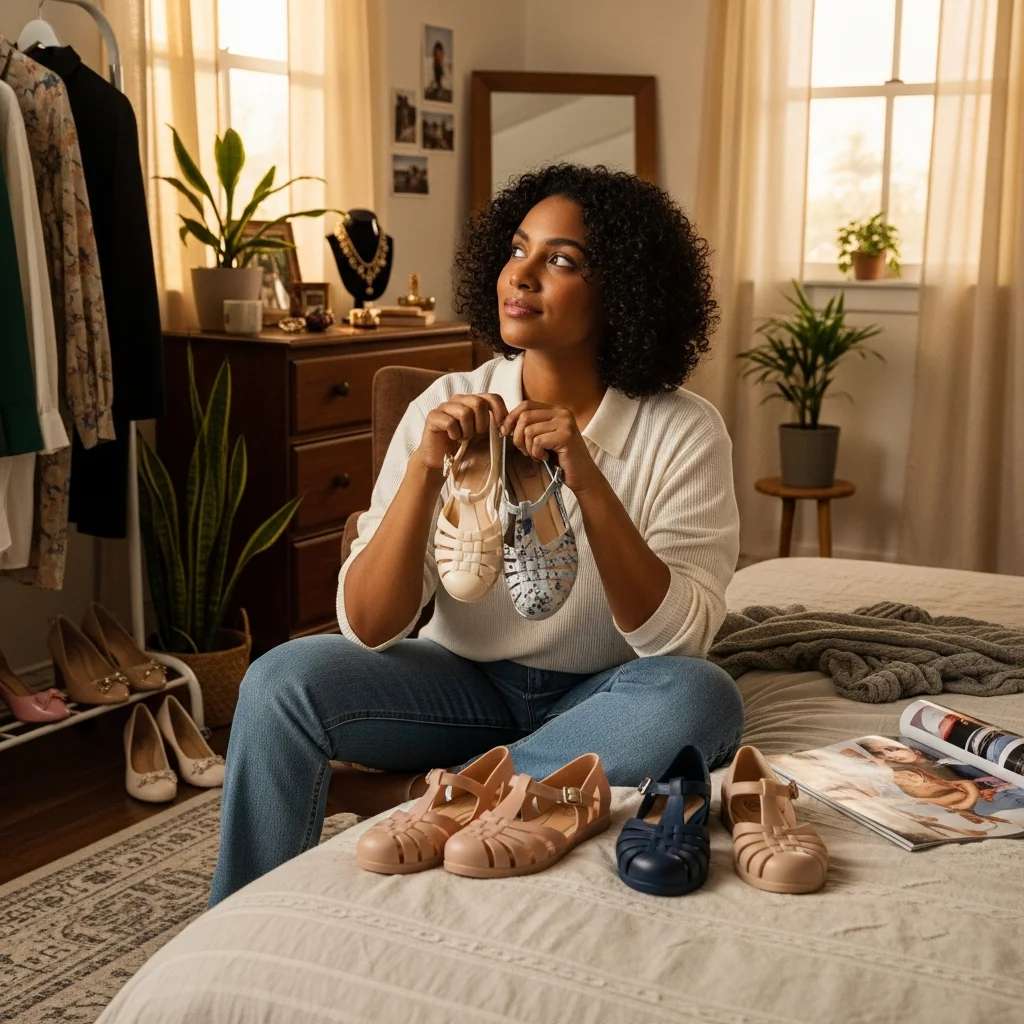
Successfully incorporating jelly shoes into your wardrobe requires honest assessment of your lifestyle, comfort tolerance, and styling preferences. Not everyone will find jellies suitable for their needs, and that’s perfectly acceptable. The key involves trying them with realistic expectations based on how you actually live rather than aspirational visions of how you might wear them.
Start by identifying specific use cases where jelly shoes would genuinely improve your current footwear situation. Perhaps you need waterproof options for rainy commutes, easy-to-clean shoes for beach vacations, or affordable statement pieces for special events. Having clear purposes in mind helps select appropriate styles and prevents impulse purchases of shoes that won’t integrate meaningfully into your rotation.
Consider comfort requirements carefully before committing to specific styles. If you need all-day comfort for extensive walking, premium versions with cushioning and support systems justify their higher costs. If you plan wearing jellies for shorter periods in low-impact situations, budget-friendly options may serve perfectly well. Trying shoes in person when possible allows you to assess fit and comfort before purchasing, though this obviously isn’t always feasible. Click here to learn more.
Think about your existing wardrobe when selecting jelly shoe styles and colors. Clear versions offer maximum versatility, working with virtually any outfit. Colored jellies should complement your typical color palette rather than requiring entirely new clothing purchases to create cohesive looks. Consider how many different outfits you could realistically pair with specific jelly shoes to ensure they’ll provide adequate cost-per-wear value.
Conclusion
The return of jelly shoes demonstrates fashion’s ability to resurrect past trends while addressing their historical shortcomings through modern innovation. Today’s versions honor the playful spirit and practical benefits that made jellies popular decades ago while incorporating material advances and design sophistication that transform them into legitimate contemporary footwear options. This isn’t simply nostalgia recycling past styles without improvement but rather thoughtful evolution that respects heritage while embracing progress.
The success of contemporary jelly shoes reflects broader shifts in how we approach fashion generally. The relaxation of strict style rules creates space for unconventional choices that might have previously been dismissed as inappropriate or childish. The emphasis on versatility and functionality means playful items must still deliver practical benefits to earn wardrobe space. The integration of sustainability considerations influences material choices and manufacturing processes. Jelly shoes navigate all these contemporary fashion currents while maintaining the distinctive character that makes them recognizable and appealing.
Whether jelly shoes work for your personal style depends entirely on your individual preferences, lifestyle needs, and willingness to embrace footwear that deliberately rejects conventional aesthetics. They won’t suit everyone, and that’s part of what makes fashion interesting. For those drawn to their unique combination of nostalgia, practicality, and visual distinctiveness, current offerings provide options that genuinely improve on memories rather than disappointing through poor execution. The jelly shoe trend isn’t just back but has returned with meaningful enhancements that justify attention from anyone interested in footwear that balances fun with function.
The plastic shoes that once defined childhood summers have matured into versatile options that work for adults who appreciate both whimsy and utility. This evolution represents fashion at its best, taking familiar concepts and reimagining them through contemporary lenses that honor the past while serving present needs. Whether you wore jellies as a child or are discovering them for the first time, the current moment offers compelling reasons to give this trend serious consideration.
5 Frequently Asked Questions About Jelly Shoes
Q1: Are modern jelly shoes actually comfortable enough for regular wear?
Contemporary jelly shoe trend are significantly more comfortable than vintage versions thanks to material innovations, cushioned insoles, and improved design. Premium brands offer arch support and flexibility that original jellies lacked. However, comfort varies by brand and individual foot shape. They work well for moderate wear periods but may not suit all-day standing or extensive walking for everyone. Proper sizing and gradual break-in periods help maximize comfort.
Q2: How do I prevent jelly shoes from causing blisters?
Start by ensuring proper fit since too-tight shoes cause most blister problems. Break in new jellies gradually with short wearing periods initially. Apply anti-blister balm or petroleum jelly to friction-prone areas before wearing. Some people wear thin socks during break-in to reduce friction. Choose styles with adjustable straps for customized fit. Modern jellies with cushioned footbeds and softer materials significantly reduce blister risk compared to vintage versions.
Q3: Can I wear jelly shoes in professional or business casual settings?
Clear or neutral-toned jelly flats work in creative professional environments when styled with tailored clothing like cropped trousers and structured tops. They’re best suited for business casual rather than formal corporate settings. The key is choosing minimalist designs without excessive embellishment and pairing them with polished pieces. Assessment of your specific workplace culture is essential, as acceptance varies considerably between industries and companies.
Q4: How do I clean and maintain clear jelly shoes to prevent yellowing?
Clean jellies after each wear with damp cloth and mild soap. For deeper cleaning, fully wash them with soft brush and gentle cleanser. Store away from direct sunlight, which accelerates yellowing. Some users successfully treat discoloration with baking soda paste or specialized plastic cleaners. While some yellowing is inevitable with PVC over time, proper care significantly slows the process. Quality contemporary jellies use improved materials that resist discoloration better than vintage versions.
Q5: Are there sustainable or eco-friendly jelly shoe options available?
Yes, several brands now produce jellies using recycled plastics, bio-based materials derived from algae or plants, and more environmentally responsible manufacturing processes. While traditional PVC has environmental concerns, the industry is developing alternatives that maintain the aesthetic and functional qualities of jellies while reducing ecological impact. Research specific brands’ sustainability practices, as commitments vary significantly. Some companies also offer take-back programs for recycling worn-out shoes.