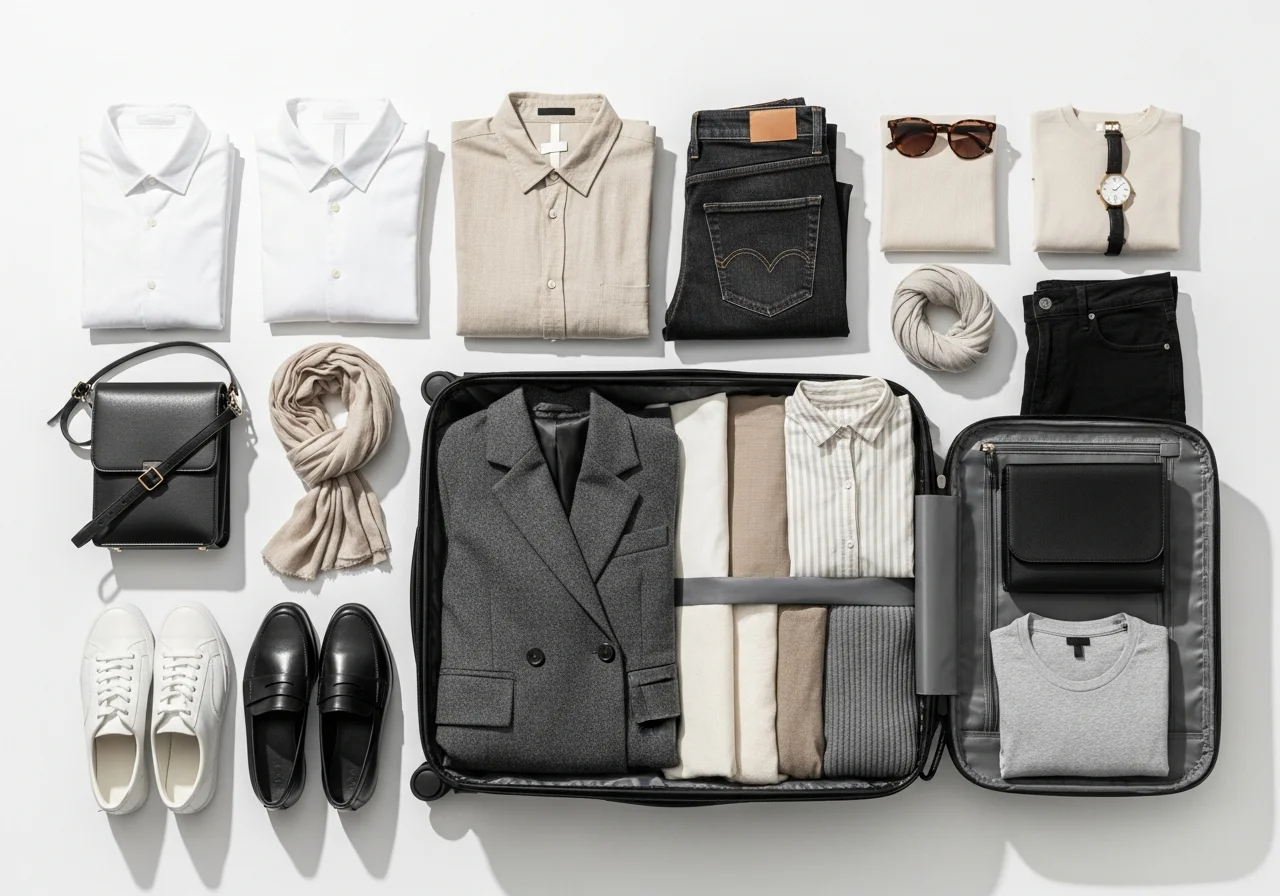
Packing for 2 Weeks with a Carry-On: 12 Essential Pieces
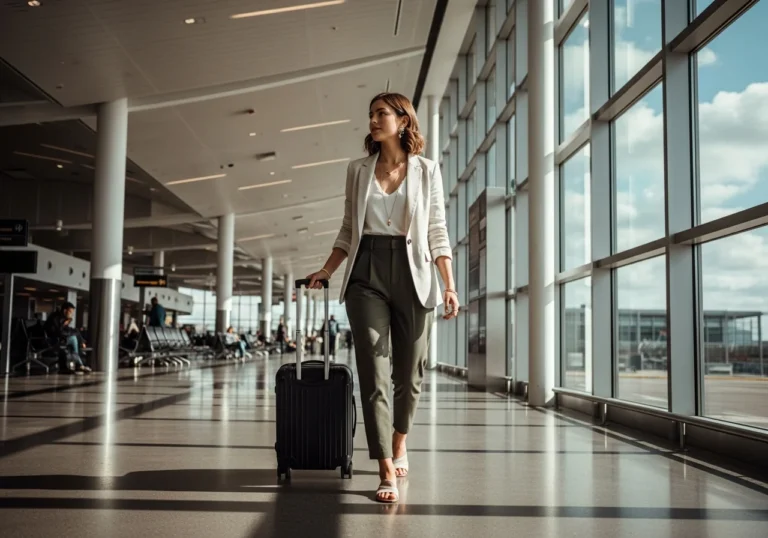
The moment you step off a long flight, walk past the luggage carousel while everyone else waits anxiously for their bags, you’ll understand why carry-on packing has become a travel revolution. For years, travelers believed that extended trips required checked luggage, multiple suitcases, and the inevitable stress of lost bags and baggage fees. The truth is far simpler: with strategic planning and the right essential pieces, packing for 2 weeks in a carry-on is not only possible but liberating. Packing for 2 Weeks in a carry-on may sound impossible at first, but with the right planning and versatile essentials, it becomes surprisingly simple.
This comprehensive guide reveals the 12 essential pieces you need to travel for two weeks with nothing but a carry-on bag. Whether you’re heading to European cities, tropical beaches, or business destinations, these carefully selected items will transform how you pack and travel. The secret lies not in bringing less of everything, but in bringing the right things that work together seamlessly.
The Benefits of Carry-On Only Travel

When it comes to packing for 2 weeks, traveling with only a carry-on saves money, time, and unnecessary stress. Before diving into the essential pieces, understanding why carry-on travel matters will change your entire approach to packing. The advantages extend far beyond simply skipping the baggage carousel.
Financial savings represent one of the most immediate benefits. Airlines charge between thirty and seventy dollars per checked bag on domestic flights, with international flights often demanding even higher fees. For a round trip, you’re looking at potentially spending over one hundred dollars just to transport clothes you might wear once. Budget airlines have particularly strict baggage policies, and those charges accumulate quickly across multiple flights.
Time efficiency becomes dramatically apparent when you travel carry-on only. Airport experiences transform from stressful marathons into streamlined processes. You bypass check-in counters, move swiftly through security with everything you need, and walk straight out of the airport upon arrival. For travelers with tight connections, this efficiency can mean the difference between making your flight and missing it entirely.
The physical freedom of traveling light cannot be overstated. Anyone who has dragged a massive suitcase up cobblestone streets in historic European cities or struggled with luggage on crowded metro trains understands this pain intimately. A single carry-on bag means you can navigate stairs, hop on buses, and move through crowded spaces without breaking a sweat. Your shoulders and back will thank you.
Packing for 2 Weeks: The 12 Essential Pieces Framework

The foundation of successful two-week carry-on packing rests on a strategic framework that ensures maximum versatility with minimum items. This approach differs fundamentally from traditional packing methods that encourage bringing options for every possible scenario.
The concept centers on creating a capsule wardrobe where every single piece coordinates with multiple other items. Think of it as a mathematical equation: twelve carefully chosen pieces can create dozens of different outfit combinations. The key lies in selecting items that serve multiple purposes and work across various settings, from casual sightseeing to evening dinners.
Color coordination forms the backbone of this system. By committing to a cohesive color palette, typically built around neutrals like black, navy, gray, or beige with one or two accent colors, you ensure that any top matches any bottom. This eliminates the common packing mistake of bringing pieces that only work with one specific outfit.
Fabric selection matters tremendously for carry-on packing. Wrinkle-resistant materials like merino wool, synthetic blends, and technical fabrics designed for travel maintain their appearance despite being compressed in luggage. These fabrics also tend to be lighter weight and often possess moisture-wicking properties that keep you comfortable across different climates.
Versatile Tops for Every Occasion

The top category represents your most flexible packing opportunity. You’ll need four to five tops that range from casual to slightly dressier options, all coordinating within your chosen color scheme.
A classic white or neutral t-shirt serves as your foundational piece. This basic item works under jackets, pairs with any bottom, and transitions from day to night effortlessly. Choose a high-quality version in a fabric that resists yellowing and maintains its shape after multiple wears. The investment in a good basic tee pays dividends throughout your trip.
A chambray or denim button-down shirt provides exceptional versatility. Wear it as a standalone top, layer it under sweaters, tie it around your waist for style, or throw it over a dress to change the look entirely. The structured nature of this piece adds polish to casual outfits while remaining comfortable for all-day wear.
One patterned or colored blouse adds personality to your capsule without taking up significant space. Stripes work particularly well because they read as nearly neutral while adding visual interest. This piece becomes your go-to for dinners, nicer occasions, or when you simply want to feel more put together.
A lightweight sweater or cardigan handles temperature fluctuations that occur in restaurants, museums, airplanes, and evening outings. Choose a thin knit that layers easily and doesn’t add bulk. Merino wool excels here due to its temperature-regulating properties and resistance to odors, meaning you can wear it multiple times between washes.
The final top should be a tank or camisole that works for layering under other pieces or wearing alone in warm weather. Silk or synthetic materials pack extremely small and add negligible weight to your luggage.
Bottom Pieces That Work Overtime

Your bottom pieces require more careful consideration because they take up more space and typically get worn multiple times. Plan for three to four bottoms that cover different activities and dress codes.
Dark jeans or black pants form the cornerstone of your bottom selection. These workhorses go everywhere and hide wear between washings. Choose a style that flatters your body and feels comfortable for extensive walking. The dark color ensures they look appropriate for both casual daytime activities and slightly dressier evening plans.
A second pair of pants in a lighter neutral color or different style provides variety without redundancy. Khaki chinos, gray trousers, or olive pants work well here. If you prefer dresses, you might substitute one pair of pants for a versatile dress that can be styled multiple ways.
One skirt or pair of shorts rounds out your bottom pieces. For warm weather destinations, lightweight linen or cotton shorts prove invaluable. In cooler climates or dressier settings, a midi skirt in a neutral color creates numerous outfit possibilities when paired with different tops and shoes.
Leggings or athletic pants serve double duty as workout gear and comfortable travel day attire. Modern athleisure styles look polished enough for casual sightseeing while providing the comfort necessary for long days of walking or unexpected physical activities.
The Right Outerwear Makes All the Difference
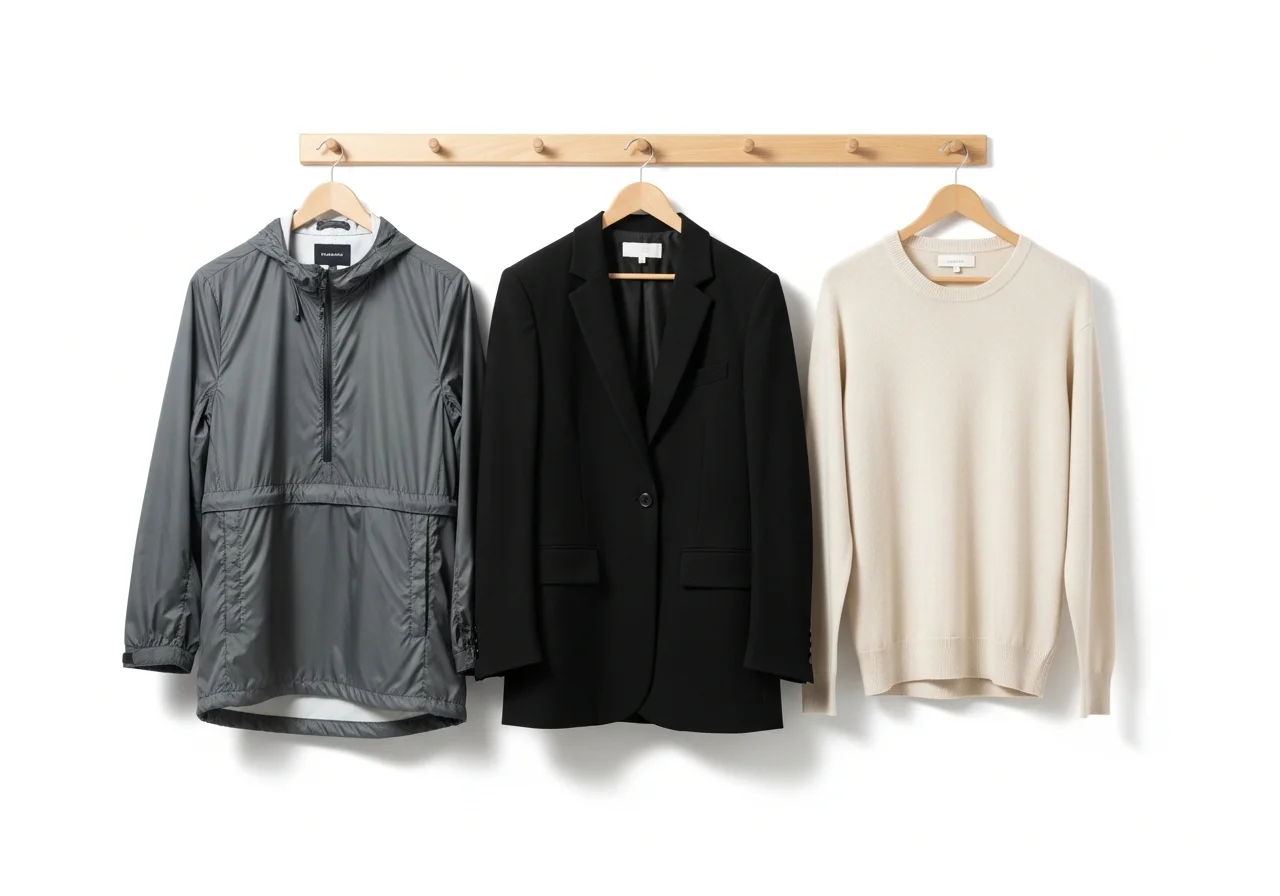
Outerwear selection can make or break your carry-on packing strategy. These bulky items require thoughtful consideration, but the right choices provide warmth, weather protection, and style without consuming your entire bag.
A lightweight rain jacket represents one of the smartest packing decisions you’ll make. Modern packable rain jackets compress to nearly nothing, weigh mere ounces, and protect against unexpected weather. Look for versions with hoods and zippered pockets. The best travel rain jackets can be worn over other layers and work across a wide temperature range.
One structured jacket or blazer adds polish and warmth. A denim jacket works for casual trips, while a black blazer suits business travel or dressier destinations. Choose a style that layers comfortably over your sweater for maximum warmth potential. This piece transforms your basic tops into restaurant-appropriate outfits.
If traveling to cold destinations, wear your bulkiest coat during travel days rather than packing it. This strategy saves precious luggage space while keeping you comfortable on planes, which tend to run cold. A down jacket or wool coat worn on the plane doesn’t count against your carry-on allowance.
Strategic Shoe Selection
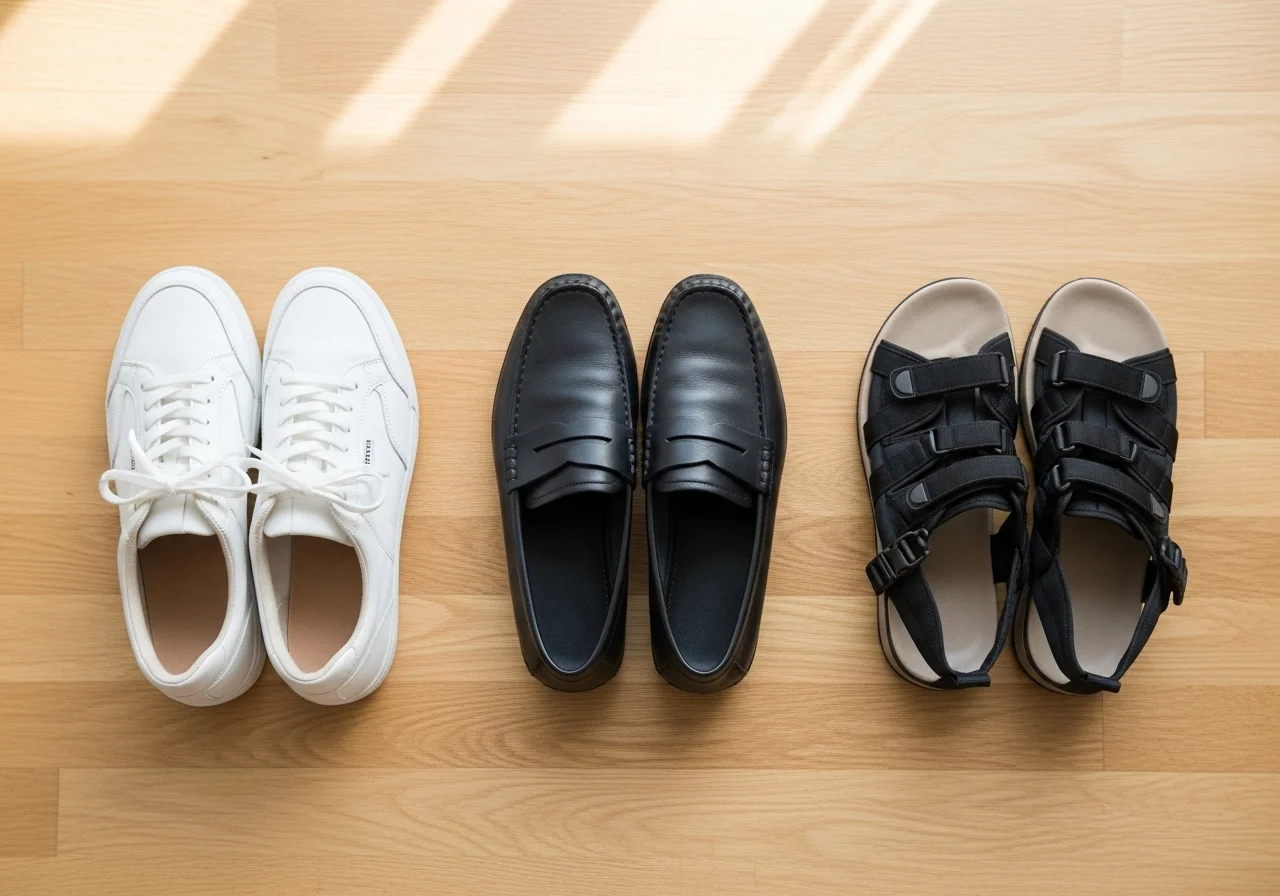
Shoes present the biggest challenge in carry-on packing because they’re bulky, heavy, and difficult to compress. Success requires ruthless editing down to just two or three pairs maximum. Choosing versatile footwear is essential when packing for 2 weeks, as shoes take up the most space in a carry-on.
Your primary walking shoes must prioritize comfort above all else. You’ll log thousands of steps daily while traveling, and uncomfortable shoes will ruin your experience faster than anything else. Sneakers, comfortable loafers, or supportive ankle boots all work depending on your destination and personal style. Break in new shoes thoroughly before your trip by wearing them on long walks at home. Most carry-on wardrobes rely heavily on comfortable basics similar to the best casual outfits that transition effortlessly from day to night.
A dressier shoe option handles evening dinners, cultural events, or business meetings. For women, this might be ballet flats, simple heels, or dressy sandals. Men might pack leather shoes or loafers. Choose something that takes up minimal space and works with multiple outfits in your capsule.
If your destination includes beaches or pools, packable flip-flops or sandals compress easily and weigh almost nothing. These can also serve as shower shoes in hostel settings or hotel gyms.
The golden rule of shoe packing: wear your bulkiest pair during travel days. This immediately frees up significant luggage space for other items.
Accessories That Multiply Your Options

Accessories provide the secret weapon for making a limited wardrobe feel abundant and varied. These small items take up minimal space but dramatically change your appearance in photos and daily life.
A versatile scarf serves multiple purposes beyond simple style. It provides warmth on cold planes, protects against sun, covers shoulders in religious sites, and transforms outfits instantly. Silk scarves pack incredibly small, while larger cotton or wool versions offer more coverage and warmth. Choose one or two in colors that complement your capsule palette.
Statement jewelry allows you to dress up basic pieces for evening outings. A pair of quality earrings, one necklace, or a distinctive bracelet can elevate a simple t-shirt and jeans into an intentional outfit. Keep jewelry minimal and leave expensive pieces at home for security reasons.
A quality leather belt in brown or black adds polish to pants and can cinch dresses or oversized tops to create different silhouettes. This small item weighs next to nothing but provides valuable styling flexibility.
Sunglasses protect your eyes and complete your look. Choose a classic style that works with everything in your wardrobe rather than trendy designs that might clash with certain outfits.
Bags and Personal Items

Beyond your main carry-on suitcase, you’re allowed one personal item on most airlines. Maximizing this additional space proves crucial for successful two-week packing.
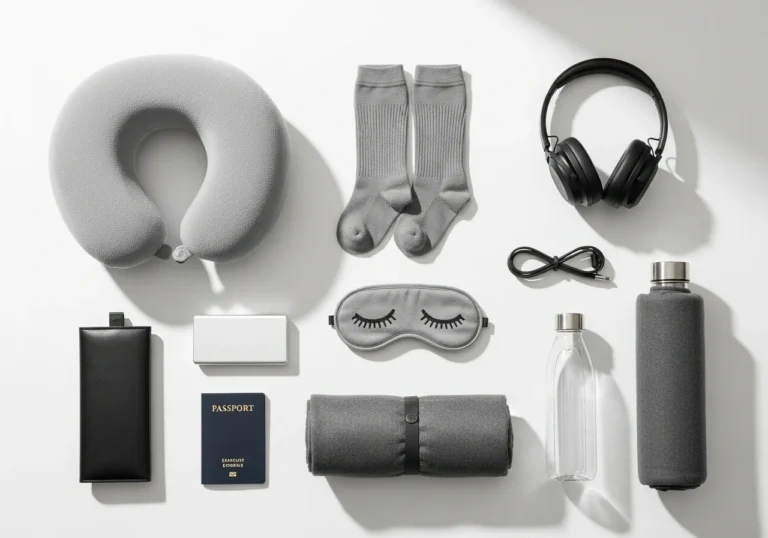
Your personal item should be a large tote bag, spacious backpack, or roomy purse that fits under the seat in front of you. This bag holds items you’ll need during your flight plus serves as your daily bag at your destination. Pack it strategically with medications, valuables, electronics, and one complete change of clothes in case your carry-on must be gate-checked.
A small crossbody bag or foldable daypack for your destination can be packed flat in your luggage and used daily for sightseeing. This keeps your hands free and valuables secure while you explore. Choose something lightweight that compresses easily when not in use.
Consider bringing a collapsible shopping tote for souvenirs and purchases during your trip. These fold to nearly nothing but expand to hold surprising amounts. This strategy prevents the need to buy an additional bag for your return journey.
Packing Techniques That Maximize Space

Owning the right items represents only half the battle. How you pack these pieces determines whether everything fits comfortably in your carry-on or requires creative compression to close the zipper.
Compression packing cubes have revolutionized travel packing. These zippered organizers not only keep items separated and tidy but many versions include compression zippers that squeeze air out, reducing volume by nearly thirty percent. Organize cubes by category: one for tops, one for bottoms, one for undergarments and accessories. This system makes unpacking and repacking throughout your trip effortless. If you want your suitcase to look as organized as a pro, learning how to pack like a fashion influencer can completely change your approach.
Rolling versus folding creates endless debate among travelers, but the truth depends on fabric type. Roll casual items like t-shirts and jeans to minimize wrinkles and maximize space. Fold structured items like blazers and button-down shirts to maintain their shape. Combining both methods based on the specific garment yields the best results.
Fill empty spaces strategically. Shoes represent wasted space unless you fill them with socks, underwear, or small accessories. The gaps around the edges of your suitcase can accommodate belts, scarves, and other flexible items. Think of packing as a puzzle where every centimeter matters.
Wear your bulkiest items during travel. Beyond shoes, wear your jeans, heaviest jacket, and chunkiest sweater on the plane. This approach removes the most space-consuming pieces from your luggage while keeping you comfortable in typically cold airport and airplane environments.
Toiletries and Personal Care Essentials
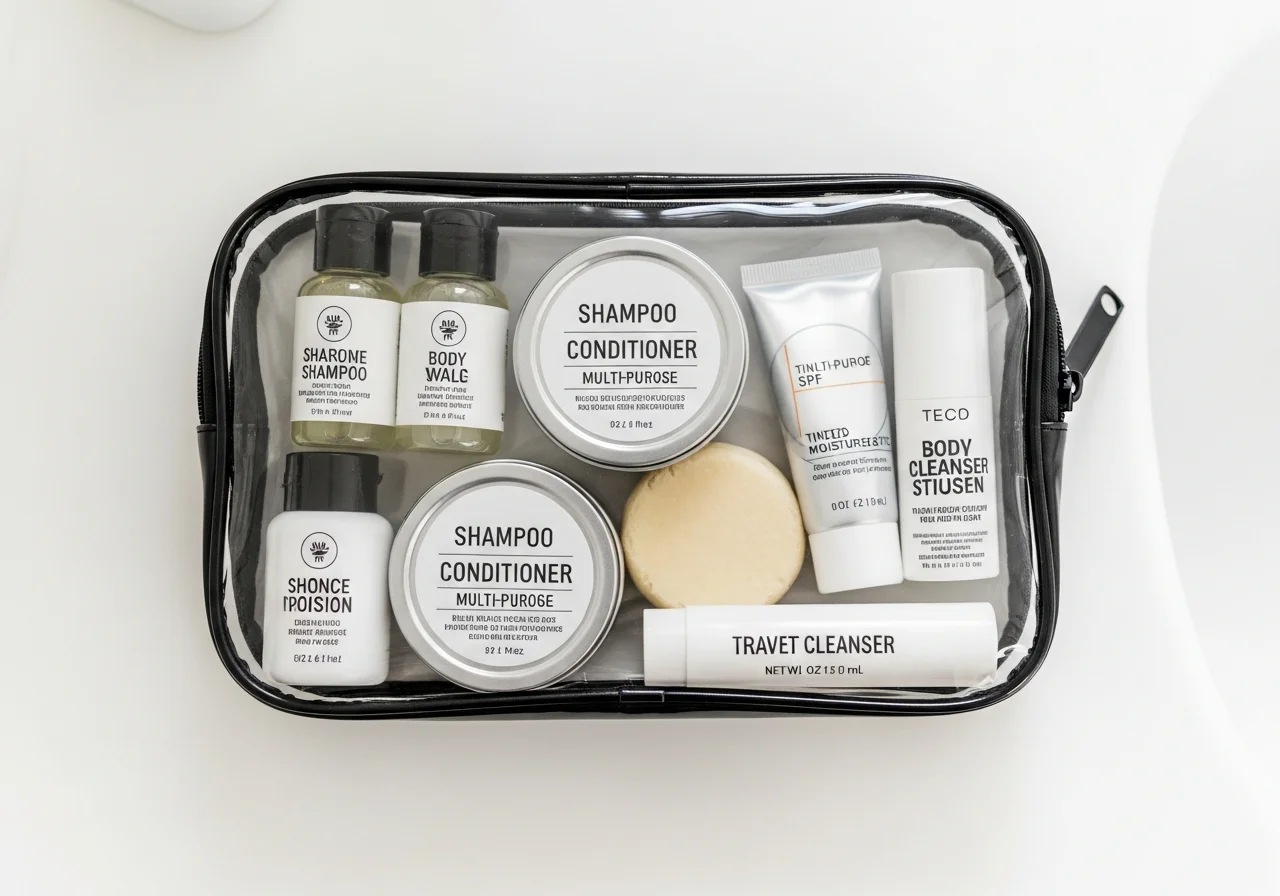
Toiletries often sabotage carry-on packing attempts because people pack full-sized products or fail to account for TSA liquid restrictions. Strategic planning in this category saves significant space and hassle.
Remember the TSA three-one-one rule for carry-on liquids: containers must be 3.4 ounces or smaller, all containers must fit in one quart-sized clear plastic bag, and each passenger gets one bag. This limitation forces you to get creative and ruthless about what you actually need.
Purchase travel-sized versions of essential products or transfer favorites into small reusable bottles. Better yet, many hotels provide basic toiletries, eliminating the need to pack shampoo, conditioner, and body wash entirely. Focus your liquid allowance on specialty items like skincare products or specific hair products you can’t find easily while traveling.
Solid alternatives to liquid products have exploded in popularity among frequent travelers. Solid shampoo bars, bar conditioners, solid perfumes, and powder deodorants bypass liquid restrictions entirely while lasting longer than travel-sized bottles. These products take up minimal space and eliminate leak concerns.
Multipurpose products maximize efficiency. A tinted moisturizer with SPF replaces separate sunscreen and foundation. A lip and cheek tint handles both color needs. A cleansing balm removes makeup and cleanses skin in one step. Each multipurpose product eliminates an additional item from your bag. Remember the TSA 3-1-1 liquid rule when packing toiletries in your carry-on to avoid airport delays.
The Laundry Strategy
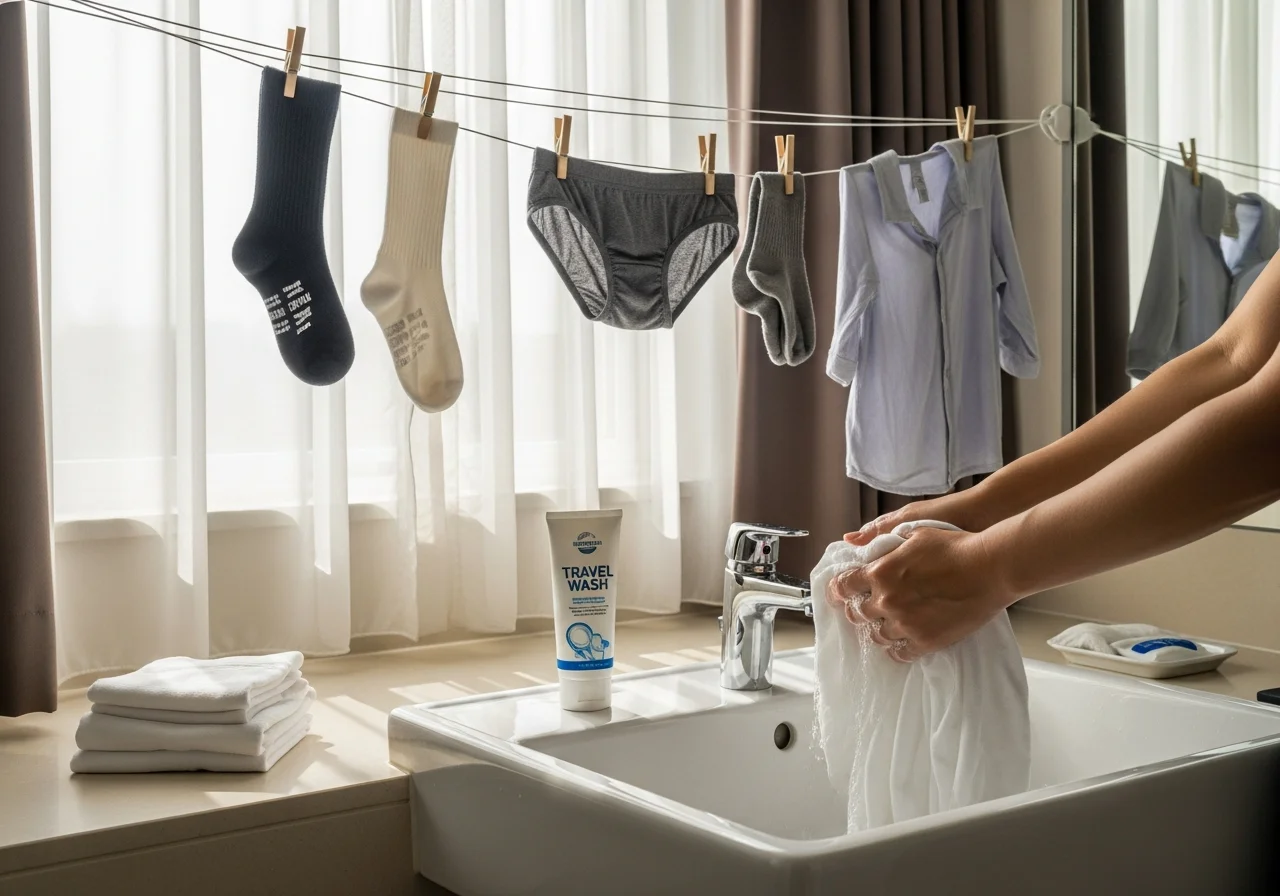
Perhaps the most crucial mindset shift for successful two-week carry-on packing involves accepting that you’ll wash clothes during your trip. This realization liberates you from needing fourteen days of fresh outfits.
Most travelers find that washing clothes once around the midpoint of a two-week trip provides sufficient freshness while requiring minimal effort. This means you realistically only need seven to eight days of clothing, which fits comfortably in a carry-on.
Hotels often provide laundry services for a fee, and while expensive, this option saves time and effort if your budget allows. For a few items like undergarments or workout clothes, hotel laundry service proves more economical than checking a bag.
Sink washing works perfectly for small items. Pack a small container of travel laundry detergent or use the provided soap. Wash items in the evening, wring them thoroughly, and hang them to dry overnight. Quick-dry fabrics like synthetic blends and merino wool dry within hours, making them ideal travel companions.
Many accommodations offer washer access, especially vacation rentals and hostels. A quick load of laundry costs a few dollars and refreshes your entire wardrobe. Build flexibility into your itinerary to allow for the occasional hour spent waiting for laundry.
The psychological barrier of wearing the same clothes multiple times dissolves quickly when you realize no one notices or cares. Travelers see thousands of people daily, and the chances anyone remembers what you wore yesterday approach zero. This mental shift proves freeing and essential for successful minimalist packing.
Adapting the System to Your Destination

While the twelve essential pieces framework works universally, smart travelers adapt specific items based on their destination’s climate and cultural expectations.
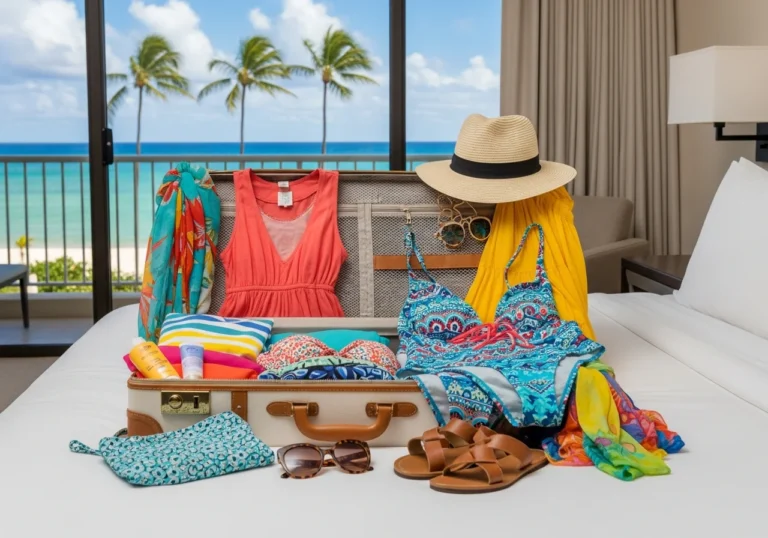
Warm weather destinations require lighter fabrics and different silhouettes. Substitute long pants for shorts or lightweight linen trousers. Replace sweaters with additional tank tops or short-sleeve shirts. Your rain jacket might become less essential, but sun protection through hats and lightweight long sleeves gains importance. Beaches and pools demand swimwear, which fortunately packs very small. For tropical trips, focusing on breathable fabrics and versatile pieces- like those seen in these chic beach vacation outfits that keeps your carry-on light and stylish.
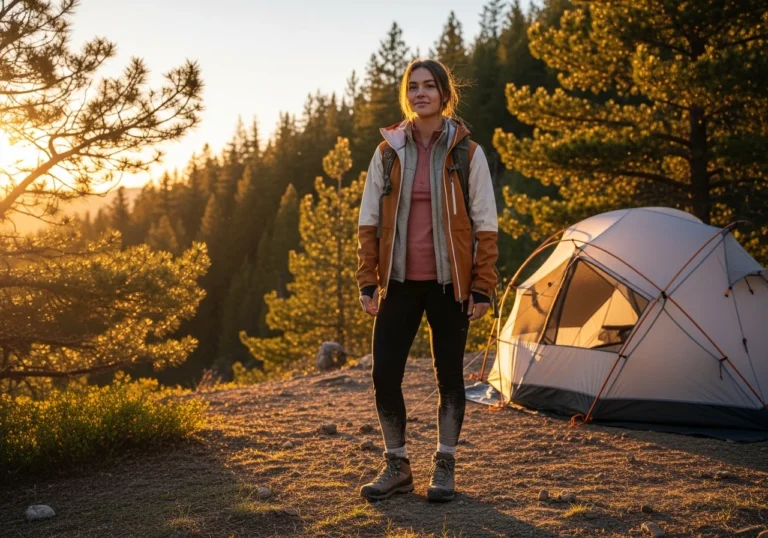
Cold weather destinations demand layering expertise. Your base twelve pieces should include more long sleeves, and you’ll add thermals as underlayers that take minimal space. Wool socks, warm accessories like hats and gloves, and insulated outerwear become necessary. Remember to wear your bulkiest winter gear during travel to save luggage space. Traveling to colder destinations becomes much easier when you apply the same principles used in a winter capsule wardrobe.
Business travel requires tailoring your capsule toward professional items. Your tops might include more button-down shirts and blouses, bottoms shift toward dress pants and skirts, and your jacket becomes a structured blazer. Even with professional requirements, the twelve-piece framework adapts successfully.
Cultural considerations influence clothing choices in certain destinations. Conservative dress codes in some regions require longer hemlines and covered shoulders. Research your destination’s norms and adjust your capsule accordingly. A lightweight long scarf can cover shoulders or legs when needed while serving multiple styling purposes.
Frequently Asked Questions
How do I choose the right carry-on size for two-week trips?
Select a carry-on that meets airline dimension requirements, typically 22 x 14 x 9 inches for most carriers. Check specific airline policies since budget carriers often have stricter limits. Lightweight hardshell or soft-sided bags with four spinner wheels offer the best maneuverability. Ensure your chosen bag includes compression features or expansion capabilities for flexibility. A bag around twenty inches tall generally provides sufficient space for two weeks while remaining compliant with most airlines.
Can I really pack for two weeks with only twelve clothing pieces?
Absolutely, when you build a coordinated capsule wardrobe where each piece works with multiple others. The key involves choosing versatile, mix-and-match items in a cohesive color palette. Plan to wash clothes once during your trip, which means you only need seven to eight days of outfits. Accessories like scarves and jewelry create variety, making the same core pieces look different in photos. Most travelers discover they need far less than they initially believed.
What should I do if I need to pack for multiple climates?
Layer strategically and choose pieces that work across temperature ranges. A lightweight rain jacket over a sweater handles cold and wet conditions. Tank tops layer under long sleeves for warmth or work alone in heat. Bring one warm layer you can add or remove as needed. Merino wool regulates temperature naturally, making it ideal for variable climates. Wear your warmest items during travel days to save luggage space. Focus on versatile pieces that adapt to different conditions rather than packing separate wardrobes for each climate.
How can I fit shoes without taking up too much space?
Limit yourself to two or three pairs maximum and wear your bulkiest pair during travel. Pack shoes in protective bags to keep clothes clean, then stuff them with socks, underwear, or small accessories to use interior space efficiently. Choose shoes that compress slightly or have flexible construction. Place shoes along the bottom and sides of your luggage where they provide structure. Consider whether you truly need each pair or if one versatile option could handle multiple situations. Comfortable walking shoes that look decent handle most travel scenarios.
Is it worth investing in special travel clothing or can I use regular clothes?
Regular clothes work perfectly fine for most travelers, especially items you already own and love wearing. However, certain travel-specific features provide genuine benefits worth considering. Wrinkle-resistant fabrics maintain appearance despite compression. Quick-dry materials allow washing in sinks and overnight drying. Hidden pockets in travel pants offer security for valuables. Merino wool naturally resists odors and regulates temperature. If replacing items anyway, choosing versions with these features makes sense, but don’t feel obligated to buy an entire specialty wardrobe. Focus on quality basics that happen to have travel-friendly properties rather than obviously technical gear.