
24 How to Smell Amazing All Day: Simple Tips
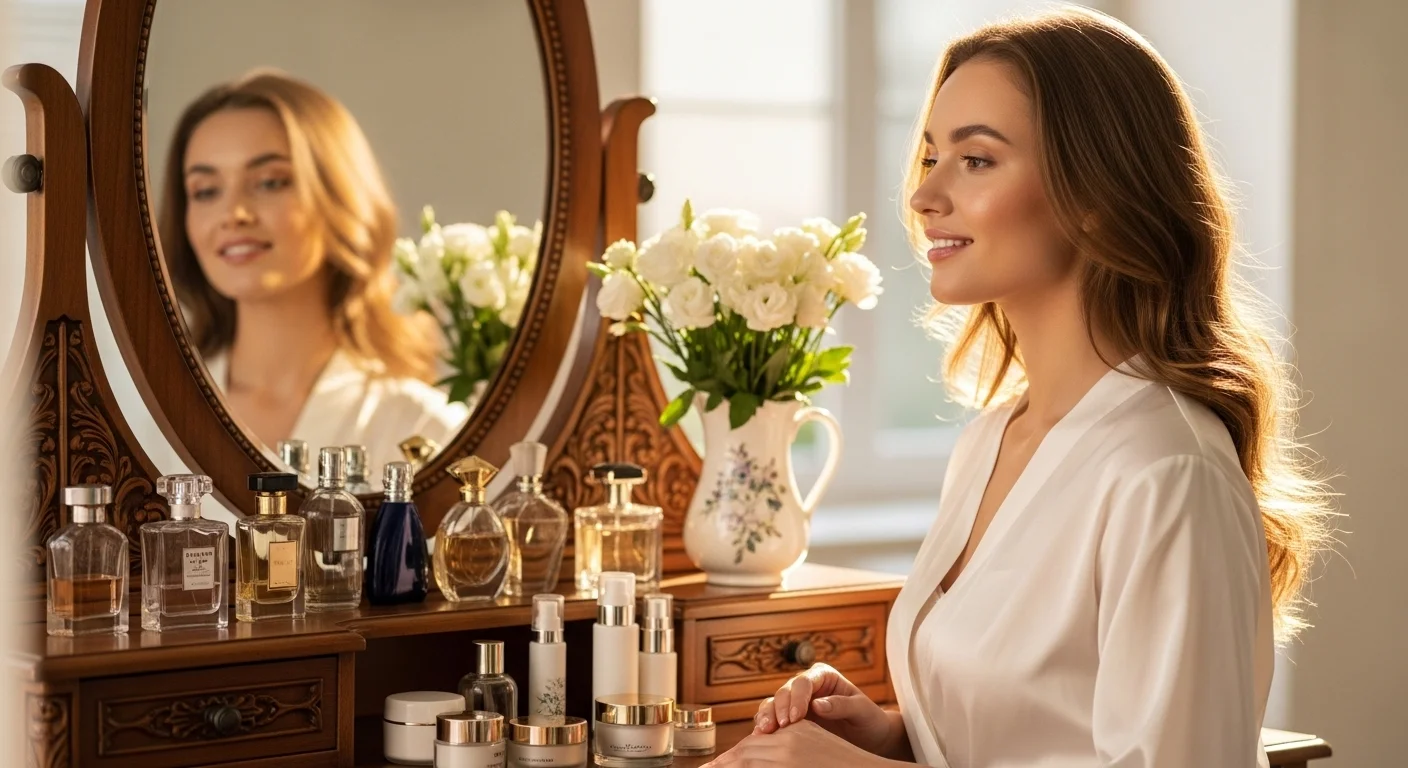
There is something undeniably powerful about a person who walks into a room and leaves a trail of warmth, freshness, and confidence behind them. People turn their heads. Conversations pause. Someone inevitably asks the question: what are you wearing? That level of presence is not accidental. It is the result of a deliberate, well-thought-out routine built around understanding how fragrance works, how the body interacts with scent, and how to maintain that impression from the first hour of the morning all the way through to late evening.
Knowing how to smell amazing all day is not about drowning yourself in expensive perfume. It is about preparation, layering, and consistency. Whether you are heading into a boardroom, a brunch date, or an evening out, the tips in this article will give you a complete, step-by-step system for smelling irresistible around the clock. These are not vague suggestions. These are practical, proven methods that work together to create a lasting, personal, and signature scent experience.
Start With a Clean and Prepared Base
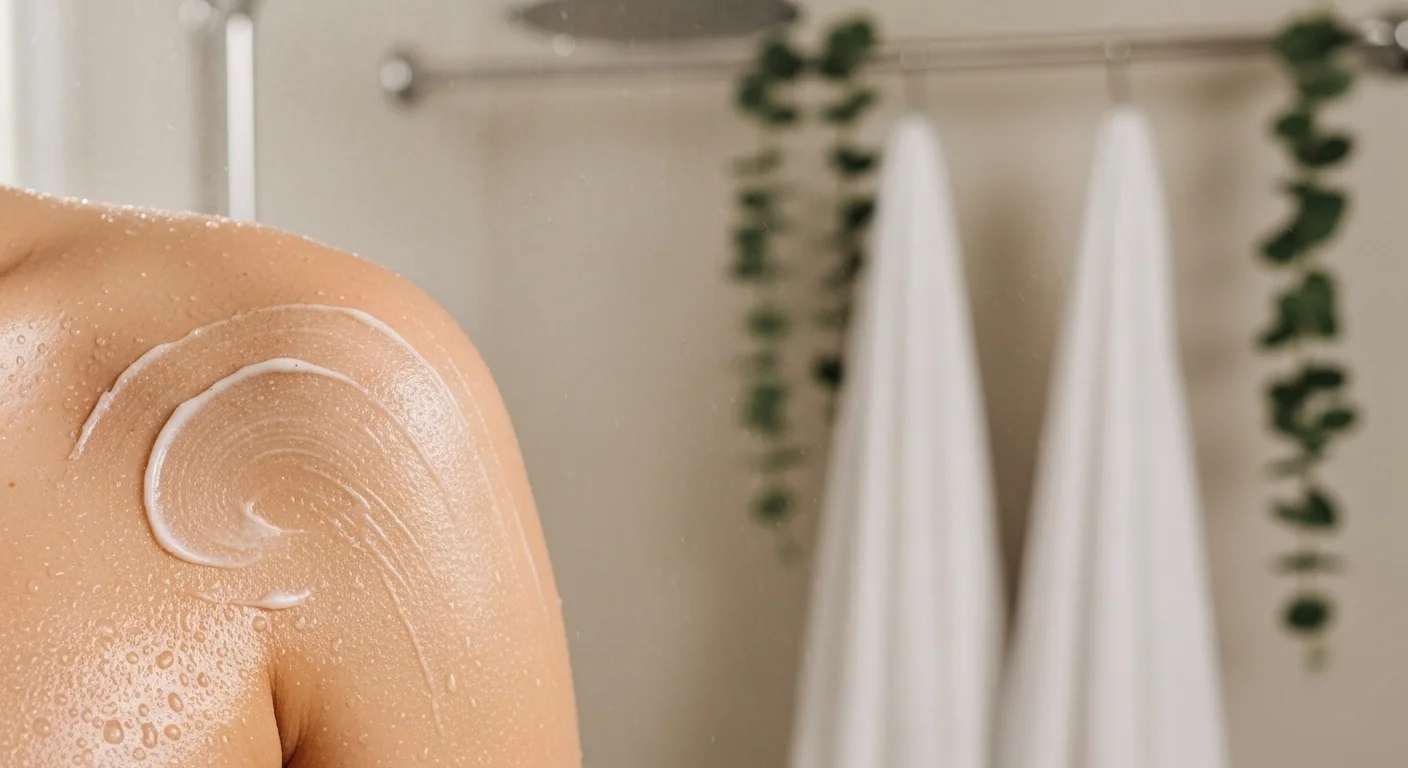
Before a single drop of fragrance touches your skin, the foundation you build matters enormously. Fragrance does not perform well on skin that is dry, unexfoliated, or carrying residual odor. The first step in any serious scent routine is preparing the body to actually hold and project fragrance correctly.
Exfoliate Your Skin Regularly
Dead skin cells are one of the biggest obstacles to long-lasting scent. They sit on the surface of the skin, trap stale odor, and prevent fragrance from absorbing properly. Exfoliating two to three times a week removes that buildup and creates a smooth, receptive surface.
Physical exfoliation using a body scrub or an exfoliating mitt works well for most skin types. If you prefer a lower-effort approach, chemical exfoliants containing ingredients like salicylic acid or lactic acid dissolve dead cells without scrubbing and leave the skin noticeably smoother. Either method, done consistently, makes a visible and olfactory difference.
Shower Effectively and Double Cleanse
The shower is where you set the stage for everything that follows. Using a body wash that genuinely cleanses, rather than just lathering and rinsing, removes sweat, bacteria, and the odor they produce. Follow that first cleanse with a richer, more nourishing wash, such as an oil-based cleanser or an almond or shea butter body wash, to leave the skin soft and slightly conditioned before you step out.
One often overlooked detail is ending your shower with a brief cold rinse. Cold water tightens the pores, stimulates circulation, and seals in the moisture your skin just absorbed. The result is a surface that holds scent longer and feels smoother throughout the day. Check out our post on: Unlocking The Magic Of The Everything Shower.
Hydration Is the Secret Weapon for Lasting Scent
If you have ever applied your favorite perfume in the morning and found it completely gone by noon, the likely cause is dry skin. Fragrance clings to moisture. It literally needs water and oil in the skin to bind to, develop properly, and project throughout the day. Skipping moisturizer while expecting your perfume to last is one of the most common scent mistakes people make.
Apply Moisturizer to Damp Skin
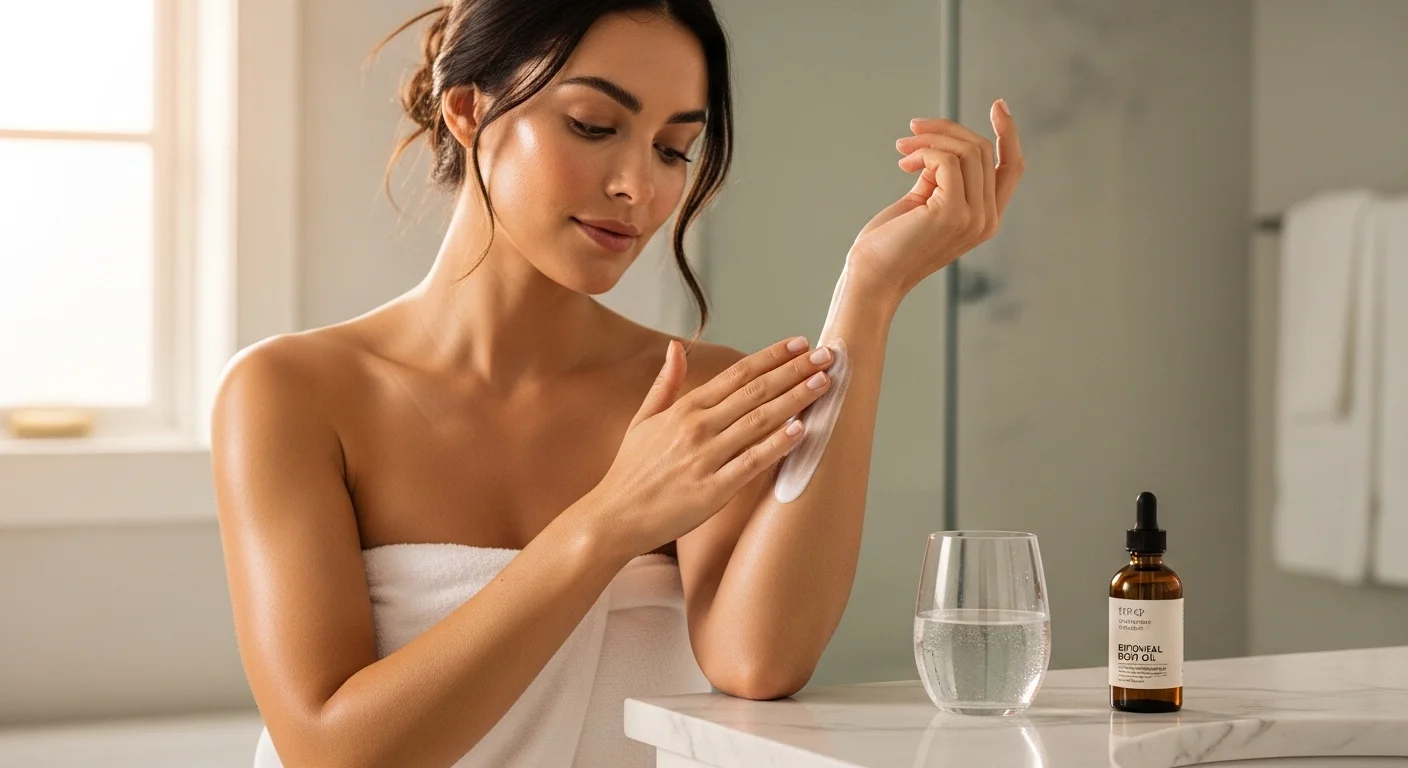
Immediately after your shower, before you towel off completely, apply your body lotion or body butter to skin that is still slightly damp. This locks in the water your skin just absorbed and prevents transepidermal water loss. Hydrated skin is not just better for fragrance. It is simply better for your skin overall, and it makes any scent you apply on top significantly more potent and long-lasting.
Choose Moisturizers With Complementary Scent Profiles
Not all body lotions are neutral. Many carry their own fragrance, whether it is vanilla, coconut, citrus, or musk. Rather than ignoring this, use it to your advantage. Select a moisturizer whose scent profile complements or blends with the perfume you plan to wear. A warm vanilla body butter pairs beautifully with oriental or gourmand fragrances. A light citrus body lotion layers well with fresh and floral perfumes. This approach turns your moisturizer into an intentional part of your fragrance story rather than an afterthought.
Body oils are equally valuable here. Applying a dry body oil before perfume adds a luminous glow to the skin while creating a smooth, slightly oily surface that absorbs fragrance molecules and holds them in place for far longer than bare skin would.
Master Fragrance Layering for All-Day Wear
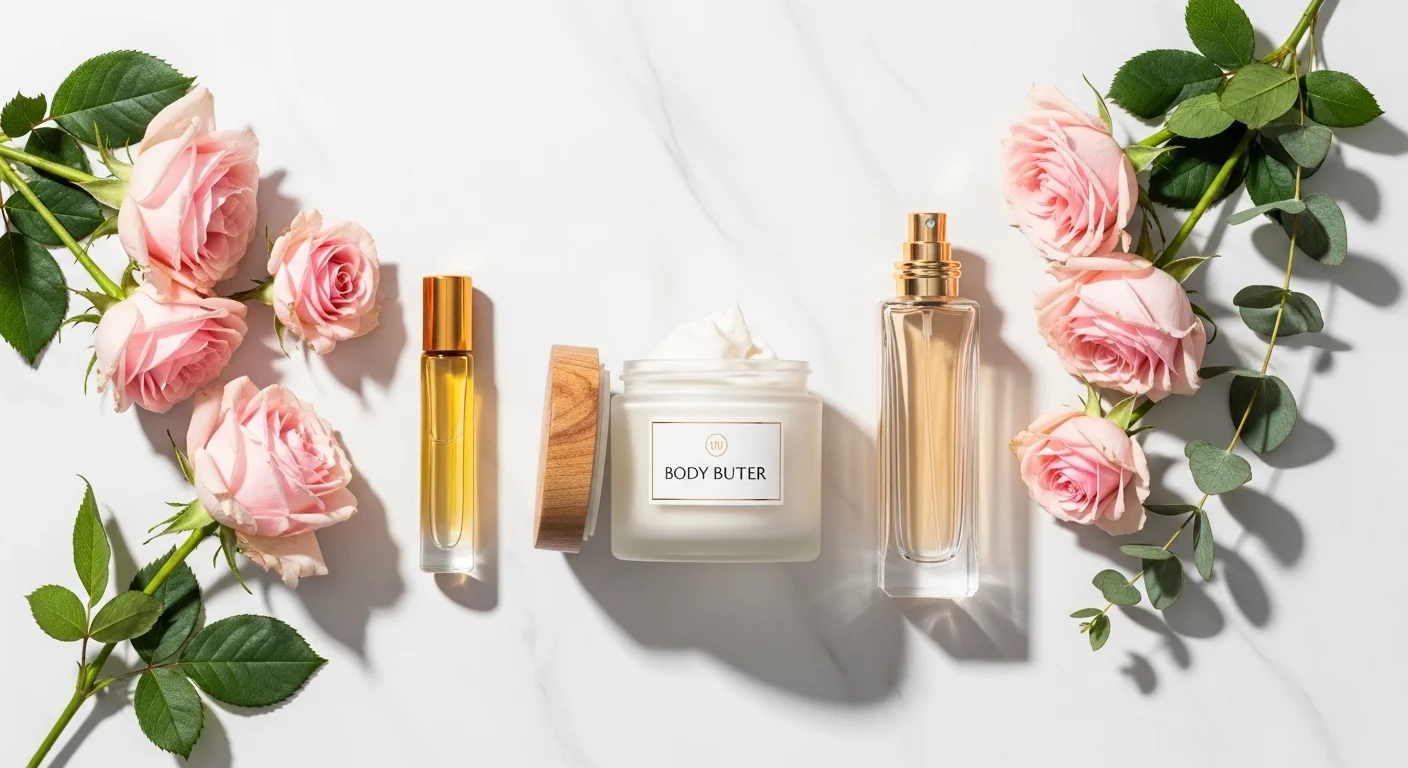
This is the section that separates people who smell good from people who smell unforgettable. Fragrance layering is the practice of applying multiple scented products in a deliberate sequence so that each layer builds on the one before it, creating a complex, long-lasting, and uniquely personal scent.
Understand the Fragrance Pyramid
Every well-crafted perfume is built on three layers of notes. Top notes are the first impression. They are the bright, fresh, or citrusy elements that you smell immediately after application, but they fade relatively quickly, usually within thirty minutes to an hour. Heart notes emerge as the top notes settle. These are the core of the fragrance, often florals, spices, or soft fruits, and they define the character of the perfume. Base notes are the foundation. These are the deep, rich, lasting elements like vanilla, musk, sandalwood, cedarwood, amber, and oud that anchor the fragrance and linger on skin for hours.
When you layer your scented products, you are essentially building this same structure from the outside in.
Apply Products in the Right Order
The correct order for fragrance layering is straightforward. Begin with your scented body lotion or body butter as the base layer. This provides hydration and a scent foundation. Next, apply a perfume oil to your pulse points. Perfume oils absorb into the skin and release scent slowly and continuously, adding depth and richness that builds throughout the day. Finally, apply your perfume spray as the top layer. This provides the immediate, attention-grabbing impression that people notice first.
This three-step system mirrors the structure of a fine fragrance and produces results that a single spritz of perfume alone cannot match.
Apply Fragrance to the Right Pulse Points
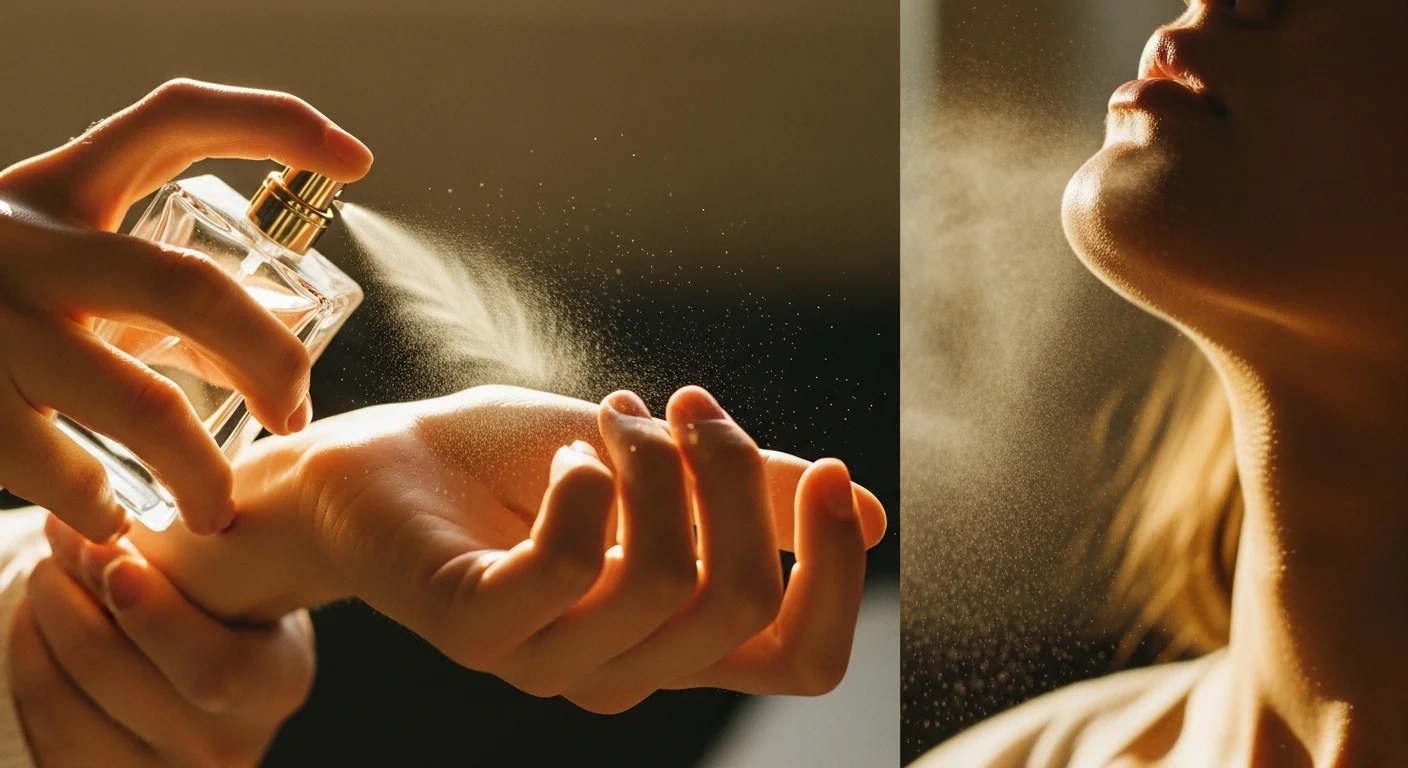
Where you apply your fragrance matters just as much as what you apply. Pulse points are areas of the body where blood vessels run close to the surface of the skin, generating warmth. That warmth activates and amplifies the fragrance, helping it radiate outward more effectively.
The Best Pulse Points for Fragrance Application
The most effective pulse points include the inner wrists, the sides of the neck just below the ears, the inside of the elbows, the back of the knees, and the collarbone. Each of these areas generates consistent heat that continuously lifts and diffuses the scent throughout the day.
One critical technique to remember is to never rub your wrists together after applying perfume. This common habit actually breaks down the fragrance molecules and causes the scent to fade faster. Instead, let the perfume dry naturally on the skin.
Fragrance in Hair and on Clothing
Hair holds scent exceptionally well. Rather than spraying perfume directly onto hair, which can be drying due to the alcohol content, spray a light mist onto your hairbrush and run it through your hair. The result is a subtle, long-lasting diffusion of scent that follows you throughout the day.
Fabric is another powerful scent carrier. Lightly misting your clothing, particularly natural fabrics like cotton and linen, allows the fragrance to linger for hours. The scent releases gradually as you move, creating a natural and effortless effect that feels entirely different from a heavy direct application.
Choose the Right Fragrance Concentration
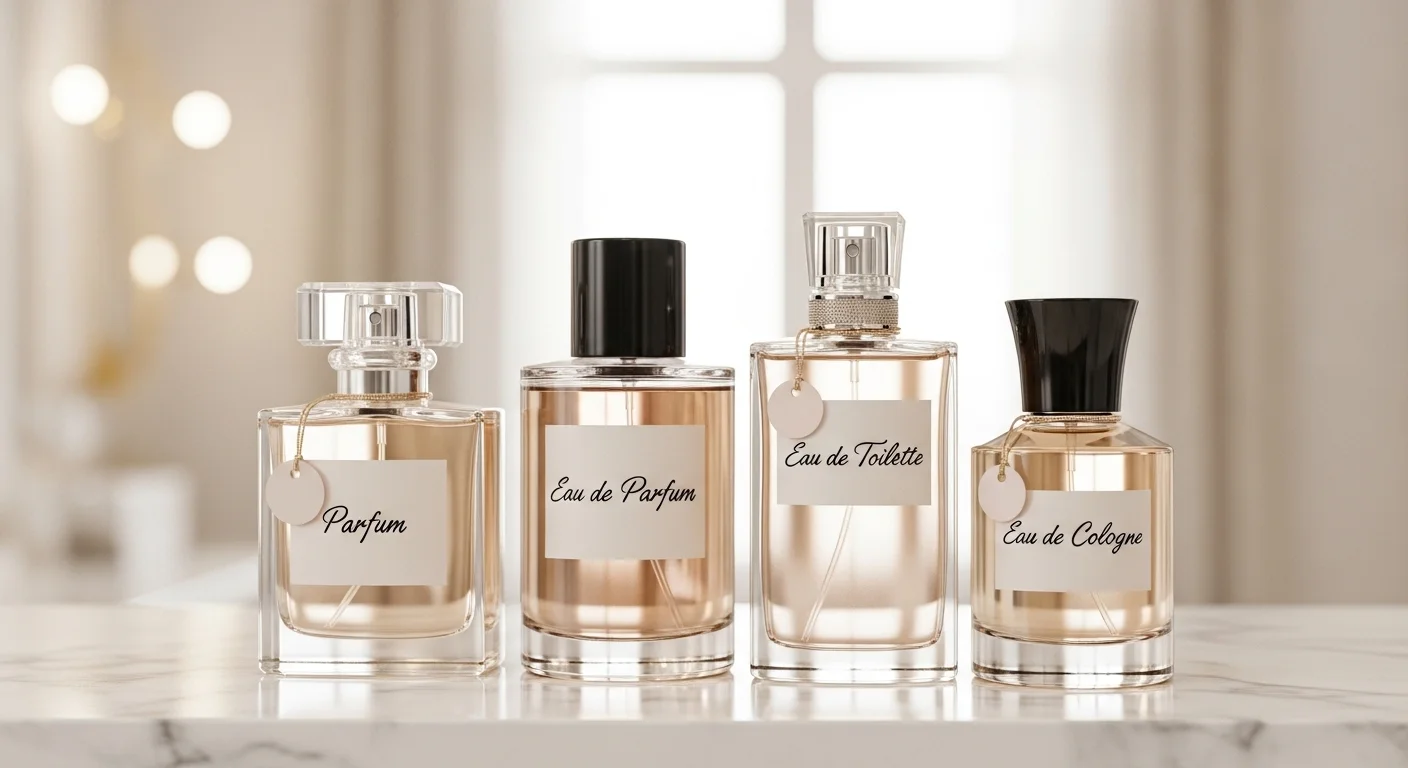
Not all perfumes are created equal. The concentration of fragrance oil in a product determines how long it lasts and how strongly it projects. Understanding this distinction helps you make smarter purchasing decisions.
Parfum, also called extrait de parfum, carries the highest concentration of fragrance oil, typically between twenty and thirty percent. It lasts the longest and projects the most intensely. Eau de parfum contains roughly fifteen to twenty percent fragrance and is an excellent choice for all-day wear. Eau de toilette has a lighter concentration, usually between five and fifteen percent, and works well for daytime or warmer weather use. Eau de cologne is lighter still and typically used for a quick refresh.
For maximum longevity, especially if you want your scent to last through a full workday and into the evening, reaching for an eau de parfum or parfum is the most reliable choice.
Lifestyle Habits That Affect How You Smell

Personal fragrance is not only about the products you apply. Your body produces its own scent based on factors including diet, hydration, stress levels, and clothing care. Addressing these underlying factors creates a clean, neutral base that allows your chosen fragrance to shine without interference.
Hydration and Diet
Drinking adequate water throughout the day flushes toxins and reduces the likelihood of producing a strong or unpleasant natural body odor. Foods with high sulfur content, such as garlic, onions, and certain cruciferous vegetables, can temporarily affect body scent. Incorporating fresh herbs, citrus, and foods rich in chlorophyll such as parsley and mint supports a naturally fresher scent from within.
Fabric and Clothing Care
Clothing that is not washed regularly or that retains moisture from sweat can contribute significantly to unwanted odor. Natural fabrics like cotton and linen breathe better and trap fewer bacteria than synthetic materials. Washing clothes promptly after sweating and storing them in a clean, well-ventilated space helps ensure your clothing does not undermine the effort you put into your personal fragrance routine.
Deodorant and Antiperspirant Selection
Choosing a deodorant or antiperspirant that complements rather than clashes with your fragrance is an often overlooked detail. Unscented options provide odor protection without introducing competing scent notes. If you prefer a scented deodorant, selecting one that shares notes with your chosen perfume, such as a musk or citrus-based deodorant paired with a complementary perfume, creates a more cohesive overall scent experience. Check out our Self Care Menu guide here.
Build Your Signature Scent Profile
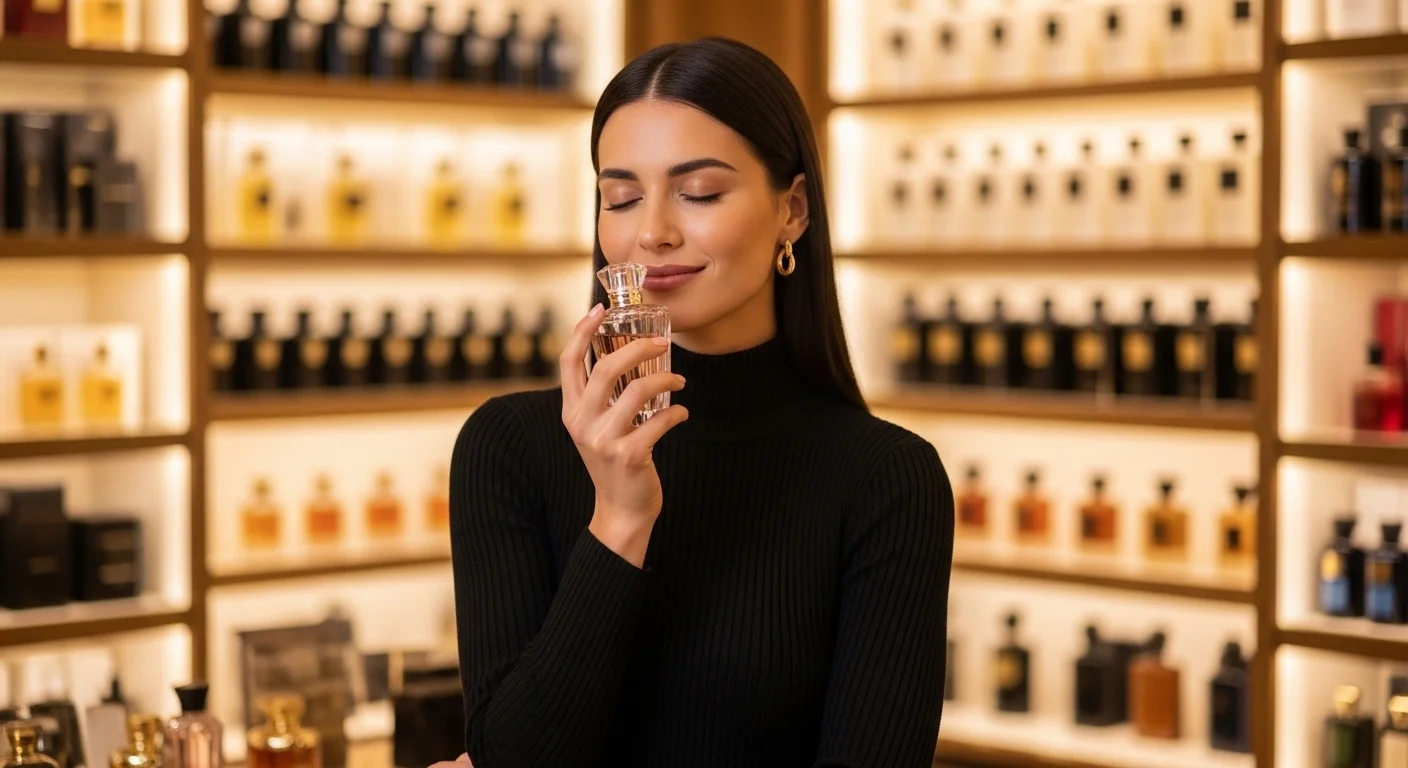
Smelling amazing is ultimately a personal endeavor. The goal is not to copy someone else’s fragrance choices but to develop a signature scent that feels authentically yours and that people associate with your presence long after you have left a room.
Explore Fragrance Families
Understanding fragrance families makes it significantly easier to identify what you are drawn to and what works with your natural skin chemistry. The major families include florals, which are romantic and feminine; orientals, which are warm, spicy, and sensual; fresh or aquatic, which are clean and energetic; woody, which are earthy and grounded; and gourmands, which are sweet and edible in character. Sampling across these families helps you identify patterns in what consistently makes you feel most like yourself.
Allow Fragrance to Develop on Your Skin
Always test a new fragrance on your skin rather than on a paper strip. Skin chemistry is individual and dramatically affects how a fragrance develops. What smells incredible on one person can smell entirely different on another. Apply a small amount to your inner wrist and give it at least thirty minutes to move through its top and heart notes before making a judgment. The base notes, which are the most important indicator of how the fragrance will wear throughout the day, often take an hour or more to fully emerge. Check out our post on: Wake Up Routine Will Have You Starting Your Day Like A Billionaire.
Conclusion
Smelling amazing all day is entirely achievable, and it does not require a collection of overpriced bottles or a complicated routine. It requires consistency, an understanding of how fragrance works, and the willingness to treat scent as a full-body experience rather than a last-minute spritz before walking out the door. Starting with clean, exfoliated, and hydrated skin, layering products thoughtfully, applying fragrance to the right pulse points, and supporting your routine with healthy lifestyle habits creates a foundation that allows your chosen scent to perform at its absolute best. Over time, the process becomes second nature, and the result is a signature scent presence that genuinely turns heads and stays with people long after you have gone.
Frequently Asked Questions
1. Why does my perfume fade so quickly?
Dry skin is the most common cause. Fragrance needs moisture to bind to and last. Applying a body lotion or body oil before your perfume significantly extends how long the scent stays on your skin.
2. What is the best way to apply perfume for long-lasting results?
Apply perfume to pulse points such as the inner wrists, neck, inside elbows, and back of knees. These warm areas amplify and project the scent throughout the day. Avoid rubbing your wrists together after applying.
3. Can I mix different perfumes together?
Yes, but with intention. Choose fragrances that share complementary notes, such as a floral perfume layered over a musky perfume oil. Understanding the fragrance pyramid helps you identify combinations that enhance rather than clash with each other.
4. How often should I reapply perfume during the day?
With proper layering and skin preparation, a single application of an eau de parfum should last six to eight hours. If you need to refresh, a light spritz on pulse points or hair mid-afternoon is sufficient.
5. Does diet really affect how you smell?
Yes. What you eat influences your natural body odor. Staying well hydrated and minimizing foods like garlic and onions supports a neutral natural scent that allows your chosen fragrance to come through cleanly without interference.

One Comment