
The Fashion Investment: From Fast Fashion to Quality Style
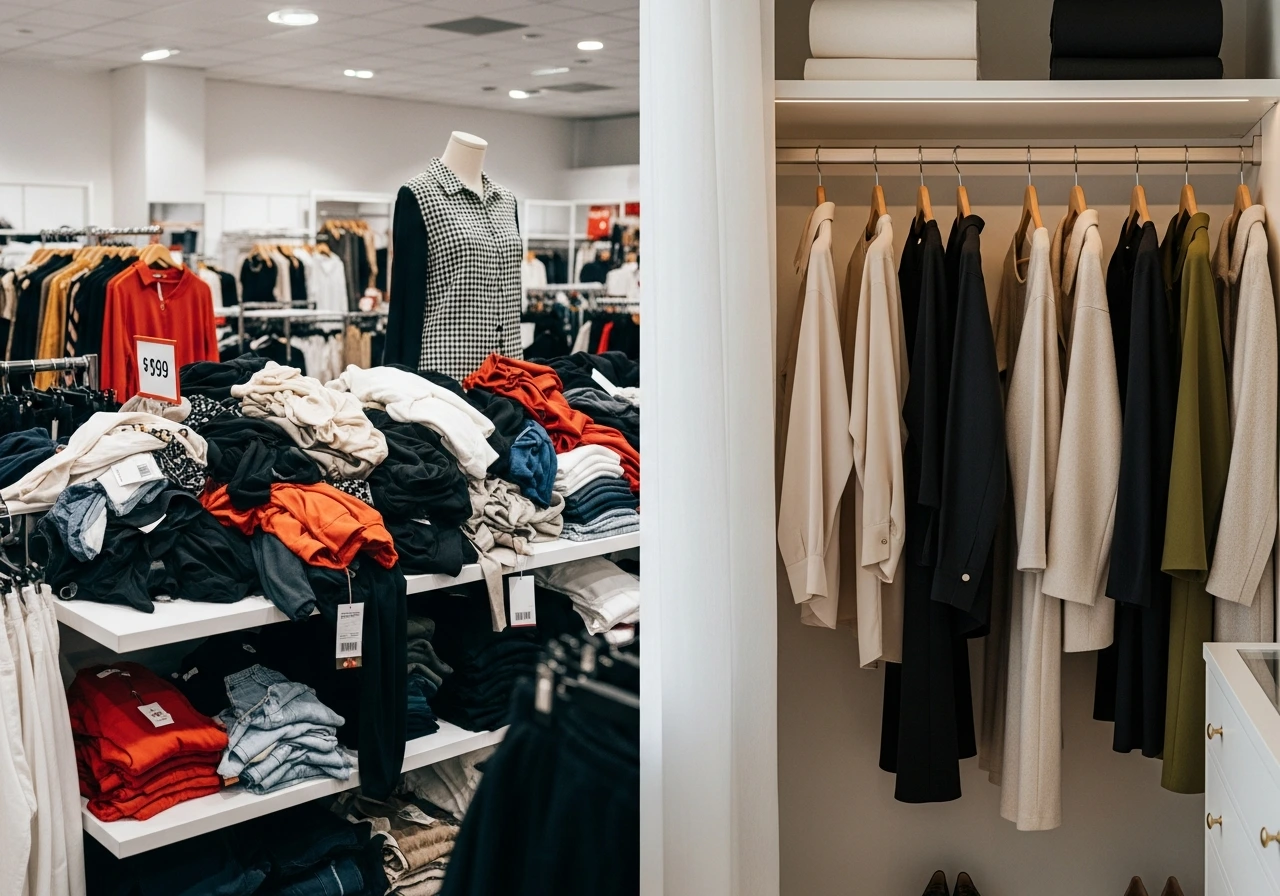
The modern wardrobe faces a critical crossroads. On one side stands the allure of inexpensive, trendy pieces that promise instant gratification. On the other lies a more thoughtful approach rooted in quality, longevity, and intentional choices. Understanding fashion investment transforms how we build our closets, shifting from disposable consumption to meaningful curation. This journey of fashion investment from fast fashion to quality style represents more than a shopping preference. It reflects values about sustainability, personal expression, and financial wisdom.
Understanding Fashion Investment Beyond Price Tags
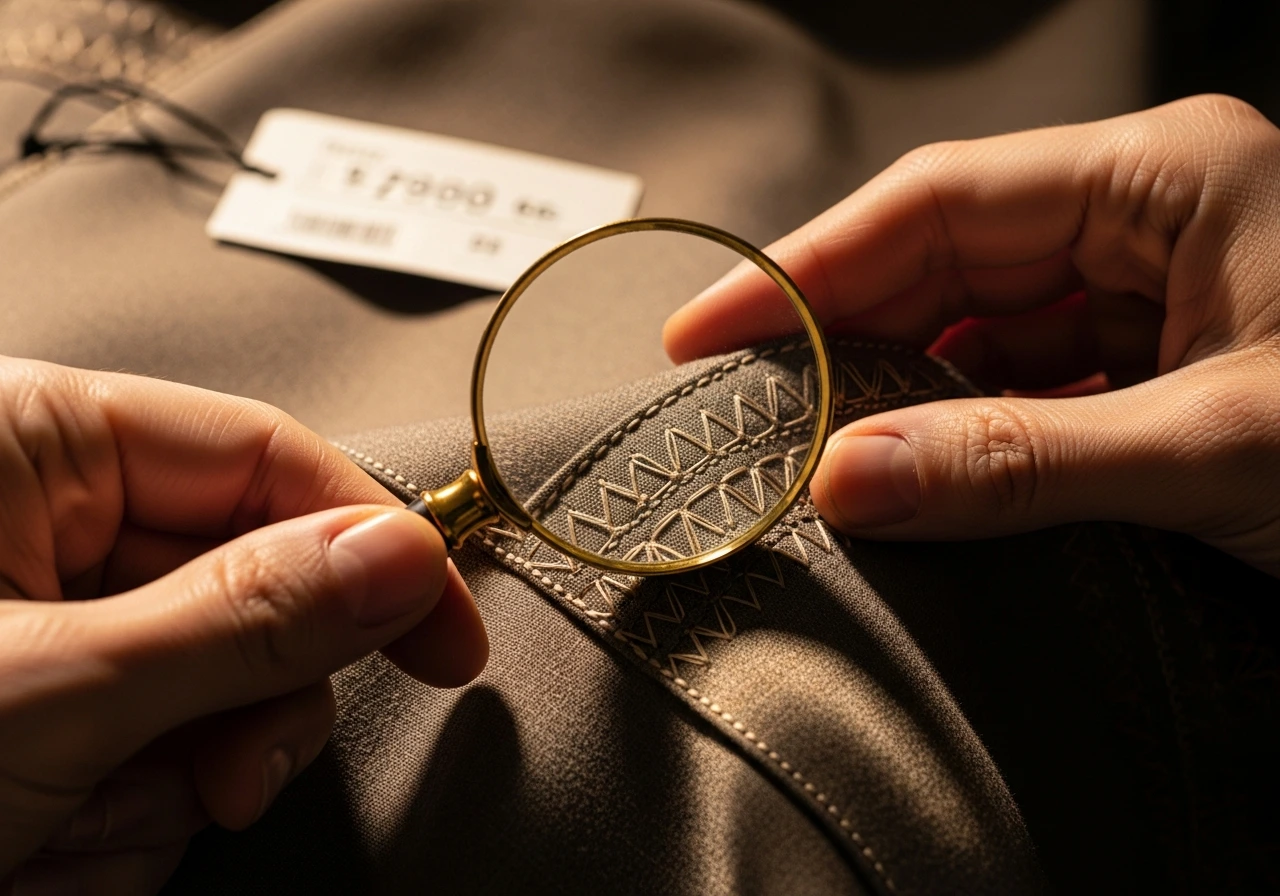
Fashion investment transcends the simple act of purchasing expensive clothing. The concept encompasses selecting garments that deliver lasting value through superior construction, timeless design, and versatile application. Unlike impulse purchases driven by fleeting trends, investment pieces serve as wardrobe foundations that withstand both physical wear and style evolution. These garments feature meticulous stitching, premium materials, and thoughtful design that elevates everyday dressing.
The true measure of fashion investment lies not in the initial price point but in the relationship between cost and utility over time. A well-crafted coat worn hundreds of times delivers greater value than a dozen cheap alternatives discarded after a single season. This fundamental shift in perspective challenges the conventional wisdom that equates affordability with smart shopping. Quality garments become partners in personal style rather than temporary solutions to wardrobe gaps.
The Hidden Economics of Quality Clothing
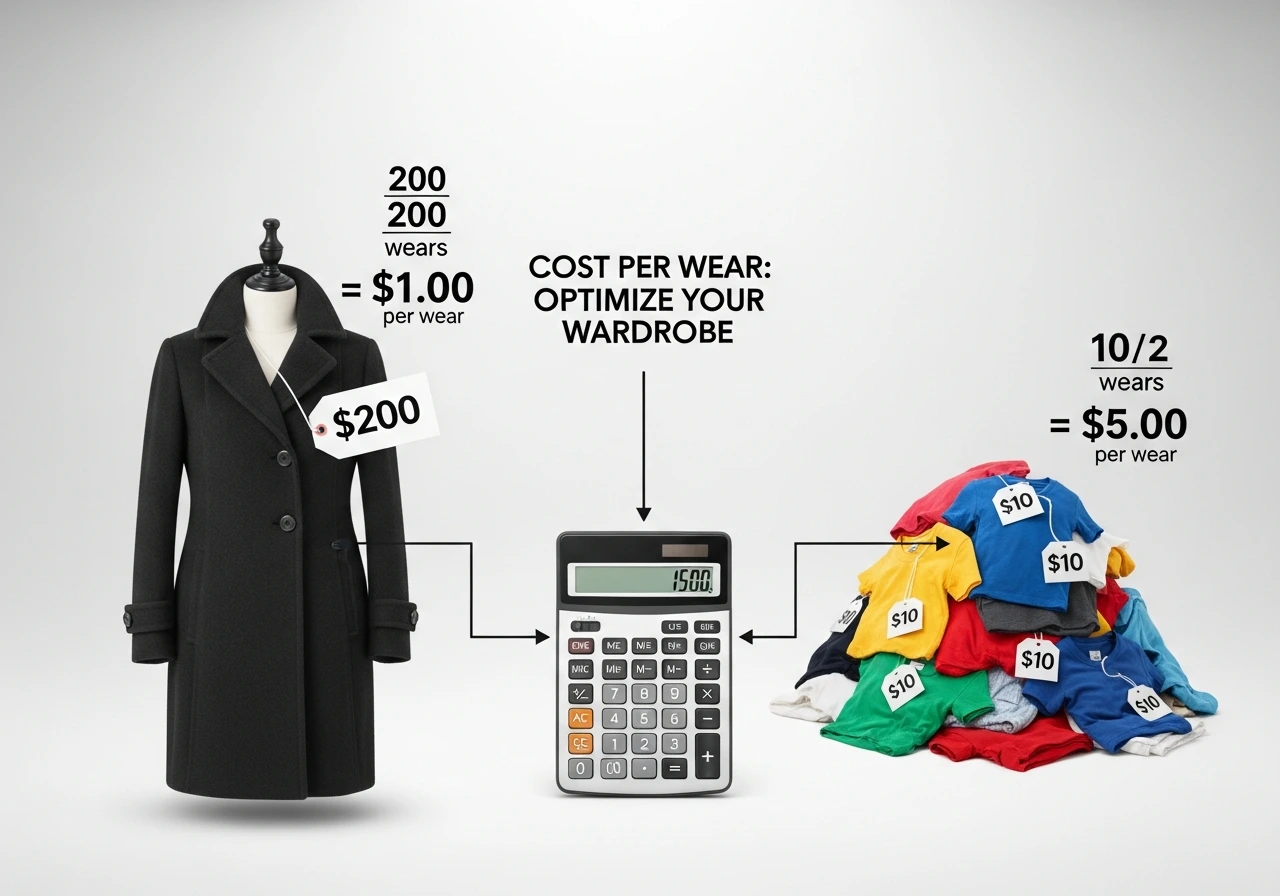
Understanding the financial mechanics of fashion investment reveals surprising truths about wardrobe spending. The cost per wear formula provides clarity on actual garment value. By dividing the purchase price by the number of times an item gets worn, shoppers uncover the real expense of their clothing choices. A garment costing two hundred dollars worn three hundred times costs less per use than a fifty-dollar piece worn only ten times before falling apart or losing appeal.
This mathematical approach to fashion investment exposes the false economy of fast fashion. Cheap clothing rarely delivers on its promise of savings. Poor construction leads to rapid deterioration, requiring frequent replacement. Seams unravel after minimal washing. Colors fade within weeks. Synthetic fabrics pill and lose shape. The cycle of constant replacement ultimately costs more than investing in durable alternatives from the start.
Beyond immediate replacement costs, quality garments retain resale value that fast fashion pieces never achieve. Well-maintained investment pieces from reputable brands command significant prices in secondary markets. This residual value provides financial flexibility, allowing wardrobes to evolve without total loss of initial investment. The combination of extended use and retained value makes fashion investment a sound economic strategy.
Craftsmanship and Construction Quality
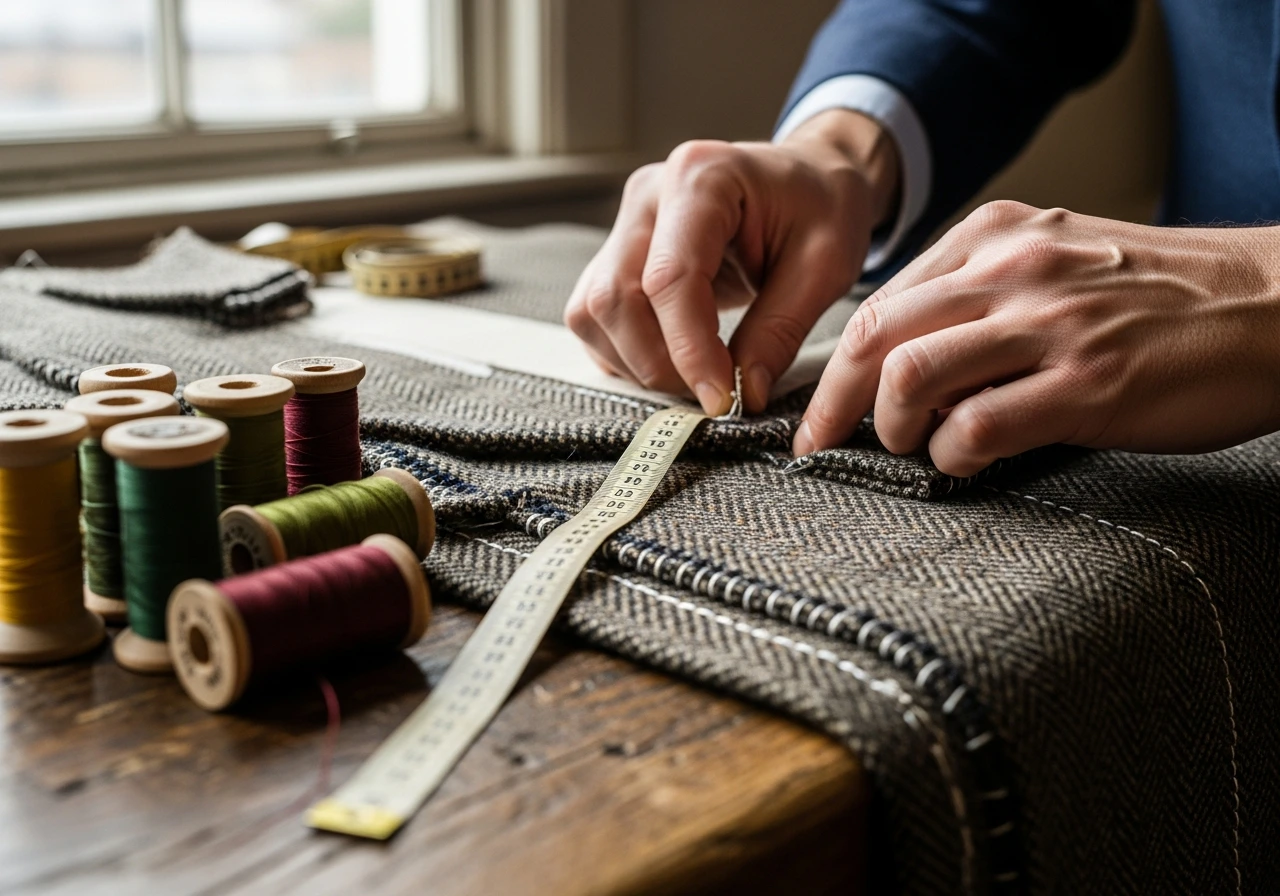
The foundation of fashion investment rests on superior craftsmanship. Quality garments reveal their value through countless details invisible in fast fashion counterparts. Double-stitched seams provide strength and longevity. Reinforced stress points prevent common failure modes. Careful pattern matching ensures visual coherence. Quality hardware functions smoothly through thousands of uses. These construction elements distinguish investment pieces from mass-produced alternatives.
Natural fibers form the backbone of quality fashion investment. Cotton, wool, silk, and linen offer durability, comfort, and graceful aging impossible in synthetic alternatives. These materials breathe naturally, regulate temperature, and develop character over time rather than deteriorating. Premium fabrics maintain their structure through repeated washing, resisting the shape distortion common in cheaper textiles. The tactile quality of natural fibers elevates the wearing experience, providing comfort alongside longevity.
Attention to fit separates investment garments from budget alternatives. Quality brands maintain consistent sizing standards and employ thoughtful pattern making that flatters diverse body types. Well-constructed clothing moves naturally with the body, avoiding the restriction and discomfort typical of poorly designed pieces. This superior fit extends beyond comfort to visual impact, creating polished appearances that cheap clothing rarely achieves.
Building a Timeless Wardrobe Foundation
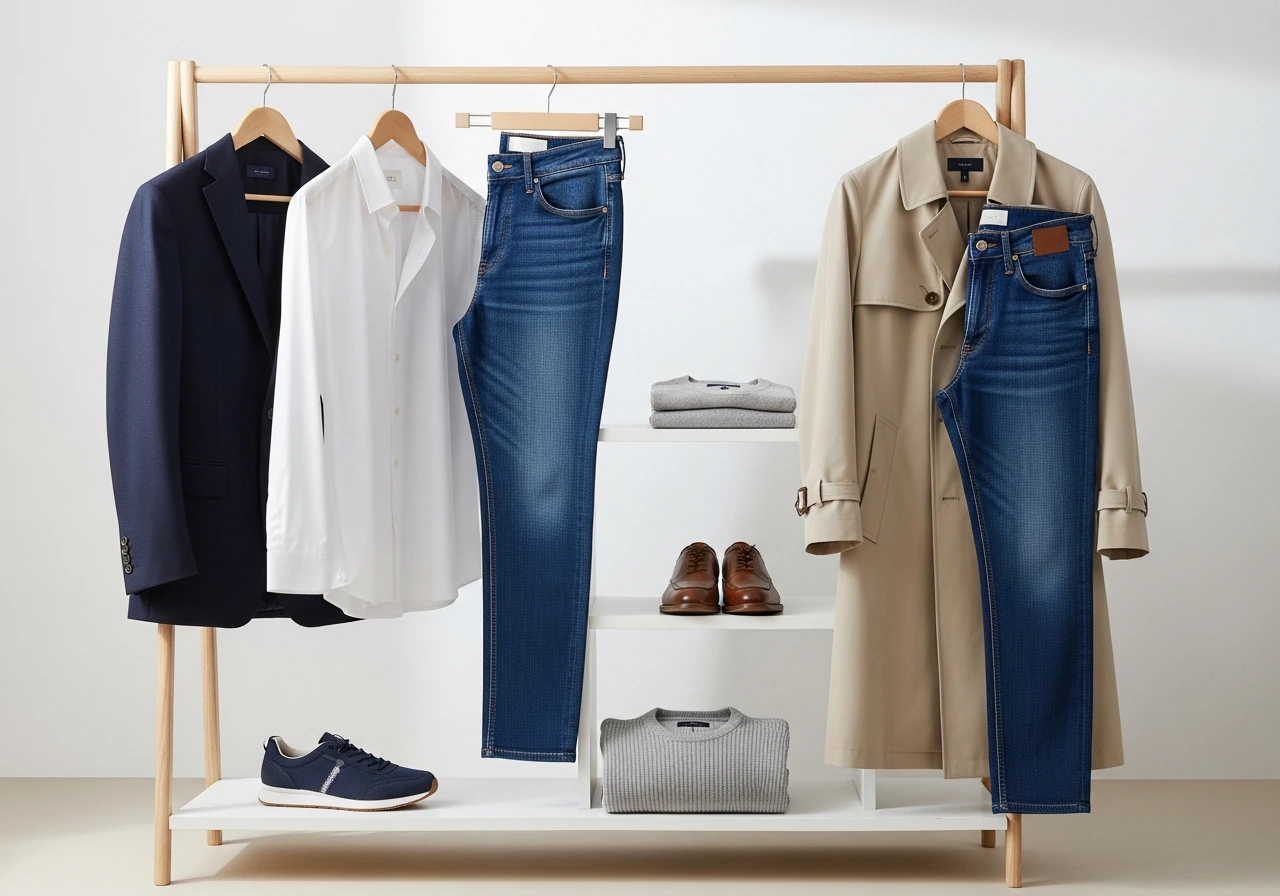
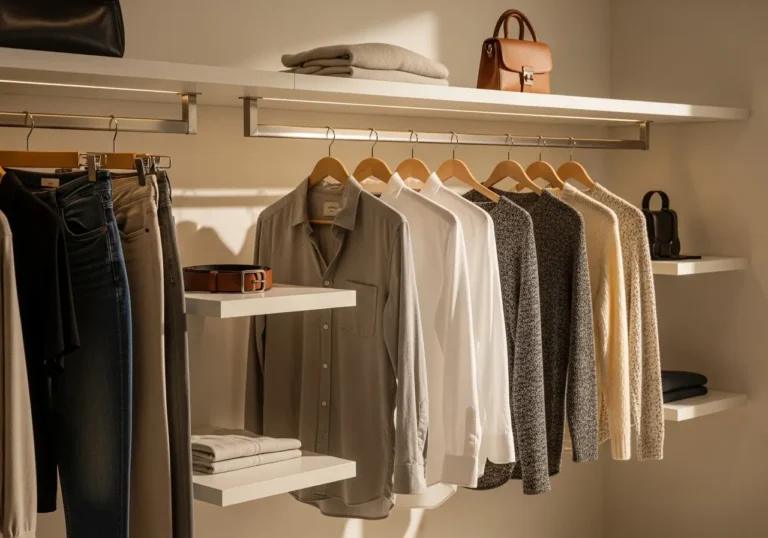
Strategic fashion investment begins with identifying wardrobe essentials that transcend seasonal trends. Classic pieces form the foundation upon which personal style develops. A well-fitted blazer adapts to countless situations with simple styling changes. Quality denim serves reliably for years, developing character through wear. A timeless trench coat provides versatility across seasons and occasions. These staples justify higher investment through their frequency of use and styling flexibility.
The capsule wardrobe concept exemplifies fashion investment principles. By curating a focused collection of versatile, high-quality pieces, individuals reduce overall consumption while enhancing style consistency. Each garment in a capsule wardrobe earns its place through proven utility and compatibility with other pieces. This approach eliminates impulse purchases and redundant items, directing resources toward fewer, better choices. The result is both financial efficiency and reduced decision fatigue.
Versatility multiplies the value of fashion investment pieces. Garments that transition seamlessly between casual and formal settings, or adapt to different seasons through layering, deliver exceptional cost per wear. A quality cashmere sweater serves alone in mild weather, under blazers for professional settings, or over collared shirts for refined casual looks. This adaptability means fewer total garments needed while maintaining style range, concentrating investment in pieces that work harder.
Environmental and Ethical Dimensions of Fashion Investment

The environmental toll of fast fashion demands consideration in any discussion of wardrobe choices. The industry generates substantial carbon emissions, water pollution, and textile waste. Rapid production cycles prioritize speed and cost over environmental responsibility. Synthetic materials derived from petroleum persist in landfills for generations. Chemical dyes contaminate water systems. The sheer volume of production overwhelms recycling infrastructure, sending millions of tons of clothing to waste annually.
Fashion investment offers a meaningful alternative to this destructive cycle. Quality garments designed for longevity reduce the frequency of replacement, directly cutting resource consumption. Natural fibers biodegrade more readily than synthetics, lessening long-term environmental impact. Many quality brands embrace sustainable production practices, using organic materials and minimizing chemical treatments. Supporting these manufacturers through purchasing decisions encourages industry-wide improvement.
Labor practices represent another critical dimension of ethical fashion investment. Fast fashion often relies on exploitative working conditions, paying poverty wages to workers in unsafe facilities. Quality brands typically maintain higher labor standards, paying fair wages and ensuring safe working environments. While not universally true, the correlation between garment quality and ethical production is significant. Investing in responsible brands supports human dignity alongside environmental stewardship.
Identifying True Investment Pieces
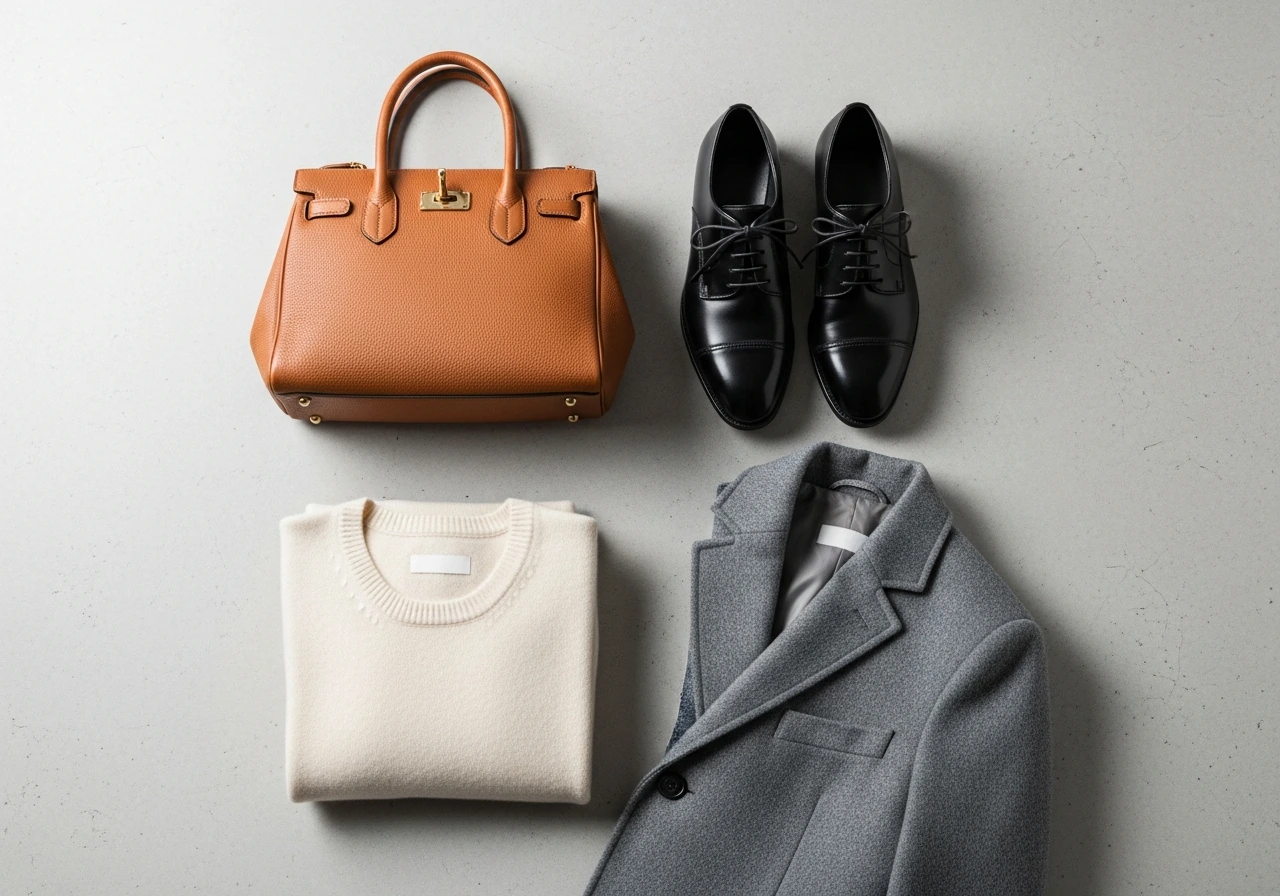
Recognizing genuine investment opportunities requires discernment beyond brand names and price tags. Certain garment categories consistently deliver superior long-term value. Outerwear represents a prime investment area, with quality coats and jackets serving for decades when properly maintained. The combination of high wear frequency and exposure to weather elements makes durability especially valuable. Premium leather goods, including shoes and bags, develop patina with age while maintaining function, often becoming more attractive over time.
Classic suiting separates justify investment through their professional necessity and extended utility. A well-tailored blazer or quality trousers serve countless occasions across years, making their higher cost reasonable. Cashmere and high-quality wool sweaters provide comfort and elegance season after season. These pieces form the backbone of sophisticated wardrobes, earning their investment status through proven performance.
However, not all expensive clothing qualifies as sound investment. Heavily branded items often command premiums based on logos rather than construction quality. Trend-driven designer pieces rapidly lose relevance as fashion cycles progress. Statement pieces for single occasions rarely justify high investment regardless of quality. Discernment involves evaluating actual garment construction, versatility potential, and personal style alignment rather than accepting price as a quality proxy.
Maintaining Fashion Investments for Longevity
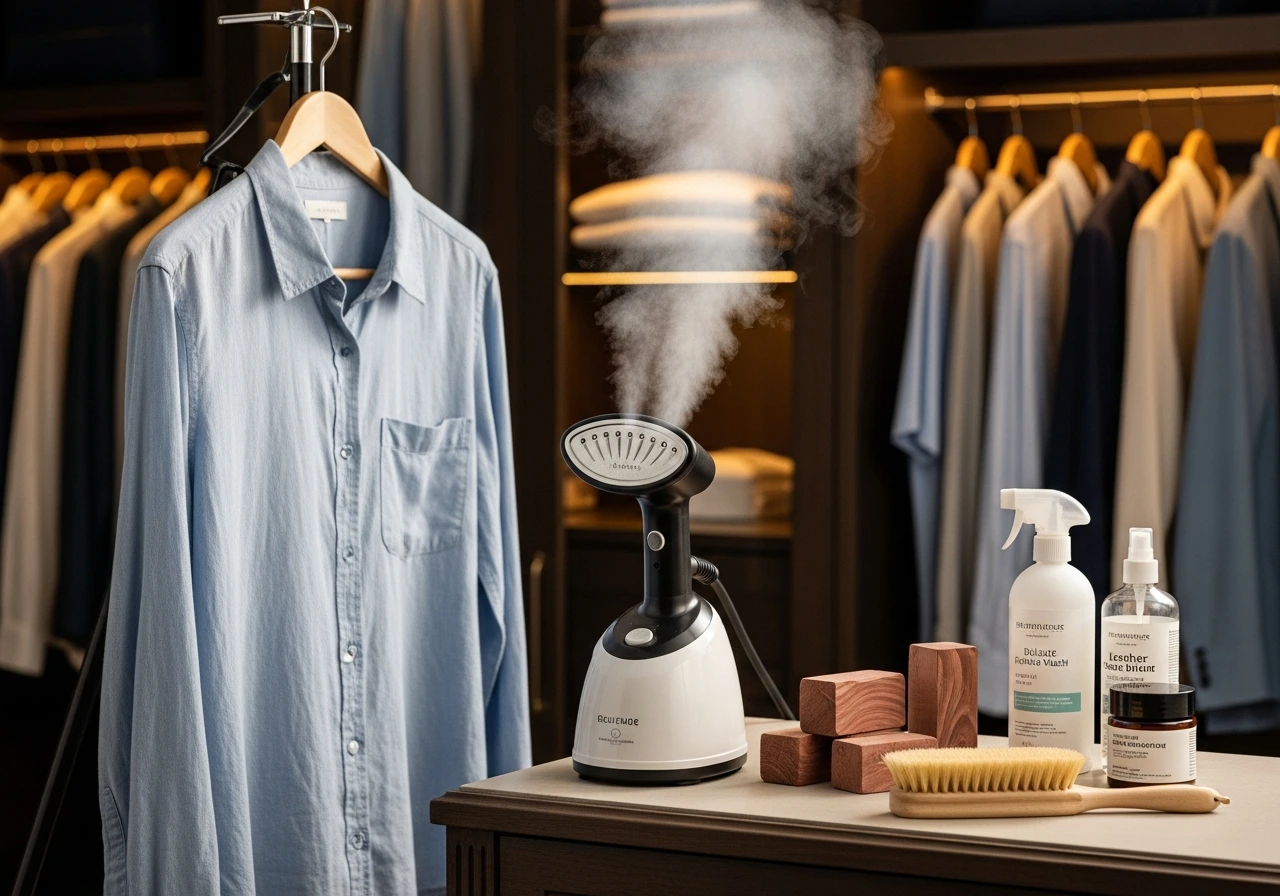
Proper care extends the lifespan of quality garments, maximizing return on fashion investment. Understanding fabric-specific cleaning requirements prevents premature deterioration. Natural fibers often benefit from professional cleaning rather than home washing, especially for structured garments. Following care labels preserves fabric integrity and color vibrancy. Reducing wash frequency for items like denim and wool maintains fabric structure while conserving resources.
Storage practices significantly impact garment longevity. Structured pieces like blazers and coats require proper hanging to maintain shape. Folding prevents stress on shoulder seams. Cedar blocks deter moths from wool garments. Breathable garment bags protect against dust while allowing air circulation. Seasonal rotation and appropriate storage between wears preserve investment pieces for years beyond their fast fashion counterparts.
Minor repairs addressed promptly prevent small issues from becoming garment-ending problems. Replacing buttons, mending small tears, and addressing loose threads maintains both function and appearance. Learning basic mending skills or developing relationships with skilled tailors protects fashion investments. The culture of repair, once commonplace but eroded by disposable fashion, deserves revival as part of investment-minded wardrobe management.
Transitioning from Fast Fashion to Quality Investment
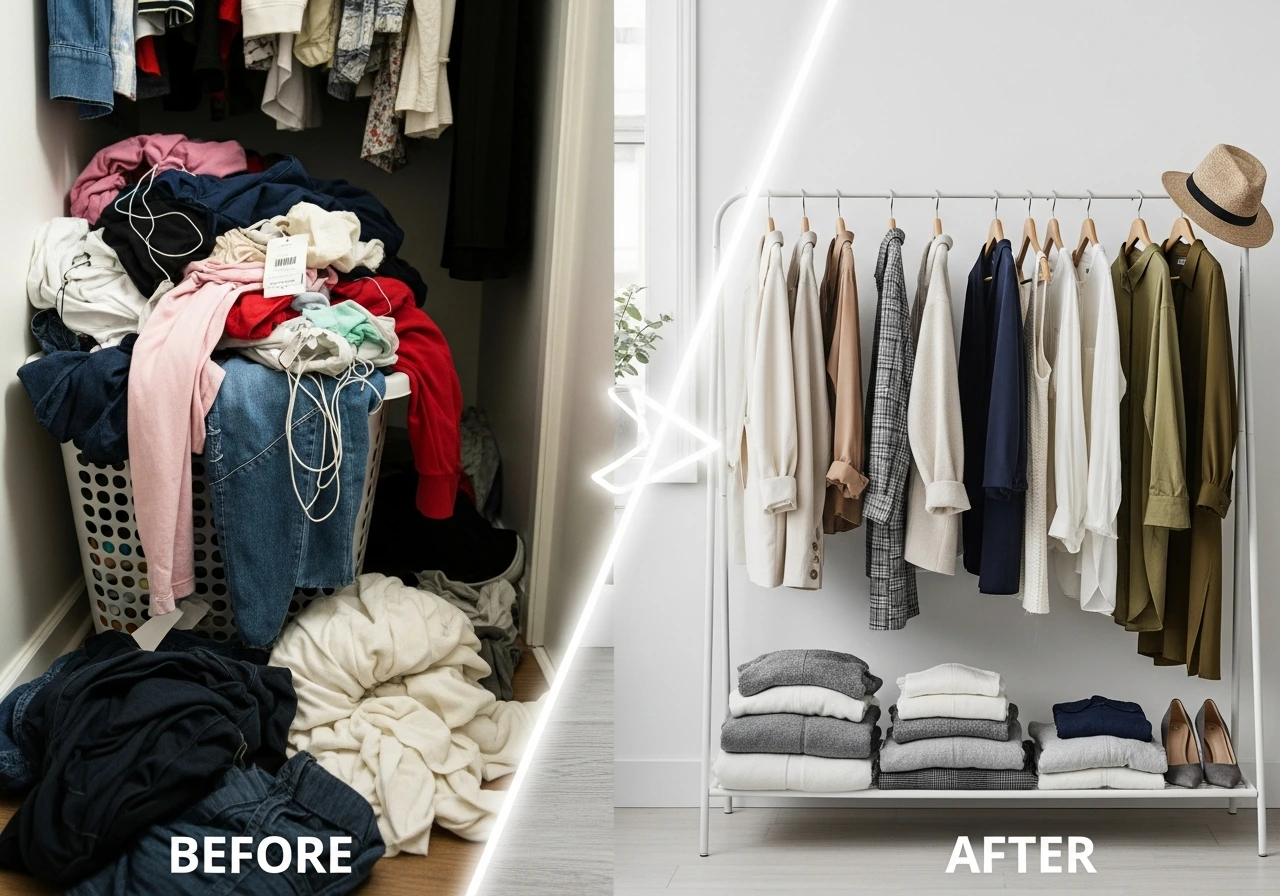
Shifting toward fashion investment need not happen overnight or require complete wardrobe replacement. Gradual transition allows for learning and adjustment while respecting budget constraints. Beginning with frequently worn categories makes strategic sense, as these pieces deliver the highest return on quality investment. Replacing worn basics with durable alternatives demonstrates immediate benefits, building confidence in the investment approach.
Research empowers better purchasing decisions during the transition period. Learning to identify quality construction indicators, understanding fabric properties, and recognizing truly timeless styles prevents costly mistakes. Studying personal wearing patterns reveals which garments actually serve regular rotation and which gather dust, informing future investment choices. This knowledge accumulation transforms shopping from impulse-driven to intentional.
Embracing secondhand and vintage markets accelerates the transition to quality wardrobes while managing costs. Premium brands appear in resale channels at fractions of original prices, offering access to investment-quality pieces on modest budgets. Vintage shops contain treasures manufactured with craftsmanship standards rarely matched in contemporary production. These channels prove that fashion investment is accessible across income levels through strategic shopping.
The Psychological Benefits of Fashion Investment

Beyond financial and environmental advantages, fashion investment delivers meaningful psychological rewards. Opening a closet filled with beloved, well-made pieces generates satisfaction impossible in wardrobes stuffed with regrettable impulse purchases. Confidence flows from wearing garments that fit well, feel comfortable, and project intentional style. The mental energy saved from eliminating constant wardrobe dissatisfaction and shopping compulsion redirects toward more fulfilling pursuits.
Fashion investment supports authentic self-expression by prioritizing personal style over trend compliance. Quality pieces selected thoughtfully reflect individual taste rather than mass-market dictates. This alignment between wardrobe and identity fosters genuine confidence. Wearing garments chosen for their resonance with personal values rather than their momentary fashionability creates coherence between inner and outer self-presentation.
The practice of fashion investment cultivates broader mindfulness about consumption patterns. Applying intentionality to clothing purchases often extends to other areas of life, promoting thoughtful acquisition over mindless accumulation. This shift in relationship with possessions contributes to overall life satisfaction, as quality and meaning replace quantity and novelty as primary values.
Fashion Investment in the Resale Market
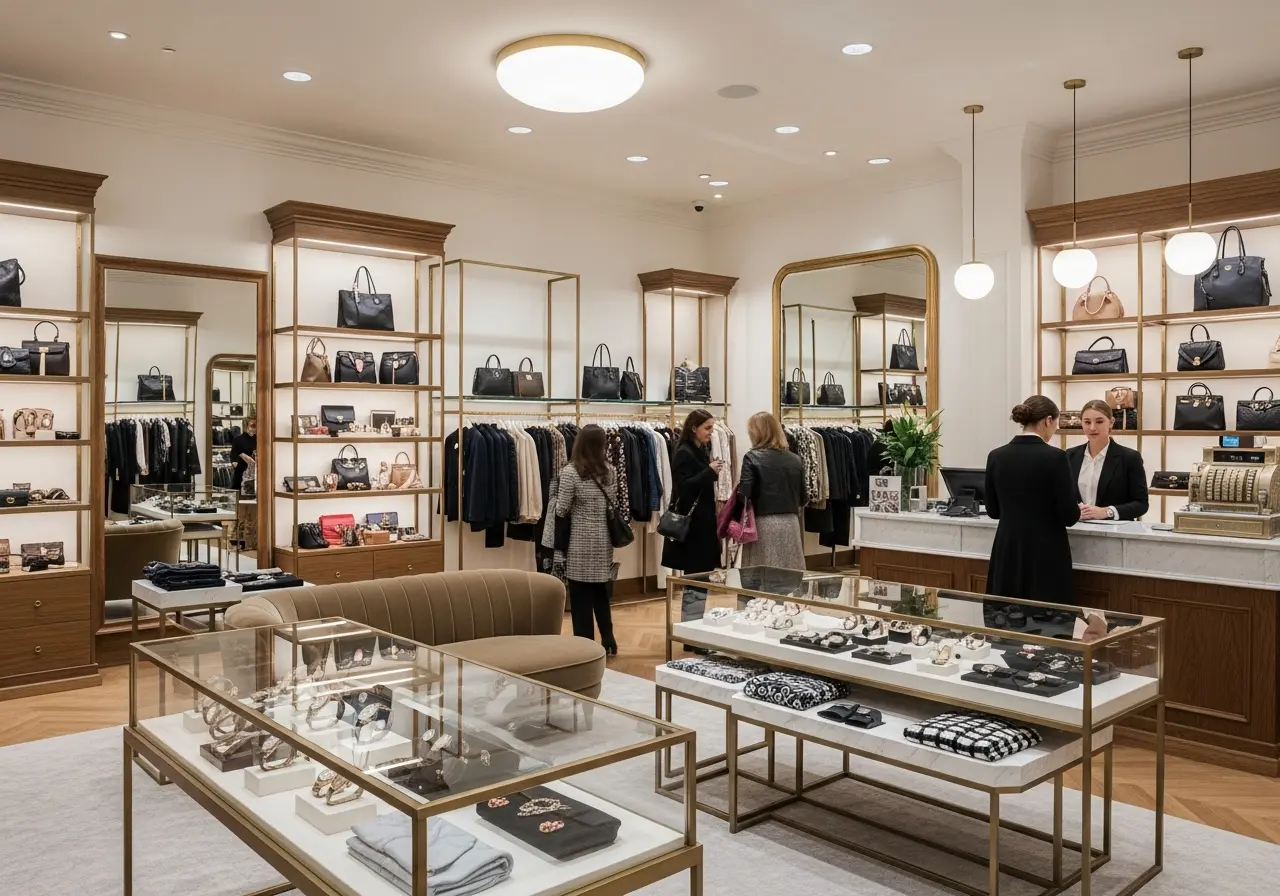
The thriving resale market validates fashion investment principles while offering both buying and selling opportunities. Quality pieces retain value that makes resale viable, unlike fast fashion items with negligible secondary market appeal. Platforms specializing in authenticated luxury goods provide venues for both acquiring and divesting investment pieces. This market liquidity adds flexibility to wardrobe management, allowing evolution without waste.
Designer investment pieces sometimes appreciate rather than depreciate, particularly limited editions and iconic styles. While not every quality garment becomes a collectible, certain categories like designer handbags and watches demonstrate investment potential beyond utility. This financial dimension attracts some to fashion investment, though the primary value remains in use rather than speculation.
Participating in the circular fashion economy through buying and selling quality secondhand extends the environmental benefits of fashion investment. Each resale transaction prevents new production while finding continued use for existing garments. This model points toward more sustainable industry futures, where durability and reusability replace disposability as organizing principles.
Conclusion
The journey from fast fashion to quality style represents a fundamental shift in how we approach clothing. Fashion investment offers financial wisdom, environmental responsibility, and personal satisfaction simultaneously. By prioritizing craftsmanship, durability, and timeless design over cheap novelty, we build wardrobes that serve us better while reducing our impact on the planet and supporting ethical production.
This transformation requires neither unlimited budgets nor drastic immediate action. Gradual transition, informed by growing knowledge and guided by personal values, makes fashion investment accessible to everyone willing to reconsider consumption habits. The rewards extend far beyond the closet, influencing broader relationships with possessions, resources, and self-expression. Quality clothing becomes not just fabric and thread but an investment in a more thoughtful, sustainable way of living. The choice between disposable fashion and lasting style ultimately reflects the kind of world we wish to create through our daily decisions.
Explore more for weekly capsule wardrobe guide.
Frequently Asked Questions
What is the cost per wear formula and how does it work?
The cost per wear formula calculates the true value of clothing by dividing the purchase price by the number of times you wear the item. For example, a jacket costing one hundred dollars worn two hundred times has a cost per wear of fifty cents. This metric helps evaluate whether expensive quality pieces actually cost less than cheap alternatives that require frequent replacement.
How can I start building a quality wardrobe on a limited budget?
Begin by identifying your most frequently worn garment categories and invest in quality versions of those items first. Explore secondhand and vintage markets where premium brands sell for significantly less than retail prices. Focus on timeless basics rather than trendy pieces, and build slowly, purchasing fewer but better items over time instead of frequent cheap additions.
What are the key signs of quality construction in clothing?
Look for double-stitched seams, reinforced stress points, quality hardware like metal zippers and buttons, and careful pattern matching. Natural fiber content indicates durability and comfort. Examine how the garment drapes and whether it maintains its shape. Check for finished seams and attention to details like lining quality and button hole execution.
Can fast fashion ever be sustainable or ethical?
While some fast fashion companies introduce sustainability initiatives or conscious collections, the fundamental business model of rapid, high-volume production conflicts with sustainability principles. True environmental and ethical responsibility requires reduced production quantities, higher quality standards, and fair labor practices that fast fashion economics generally cannot support without fundamental restructuring.
How should I care for investment pieces to maximize their lifespan?
Follow fabric-specific care instructions carefully, considering professional cleaning for delicate or structured garments. Store items properly using appropriate hangers or folding methods, and protect wool from moths with cedar products. Address minor repairs promptly before they become major problems. Reduce washing frequency when possible, and avoid harsh detergents or high heat that damage natural fibers.


One Comment