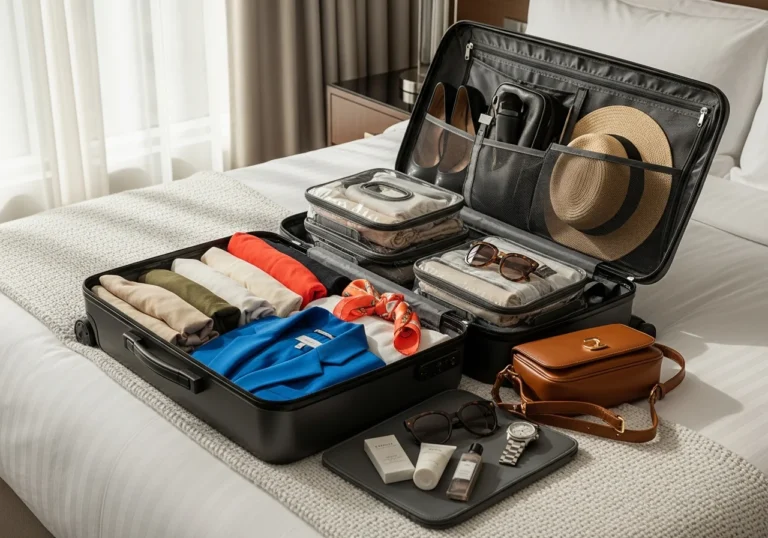
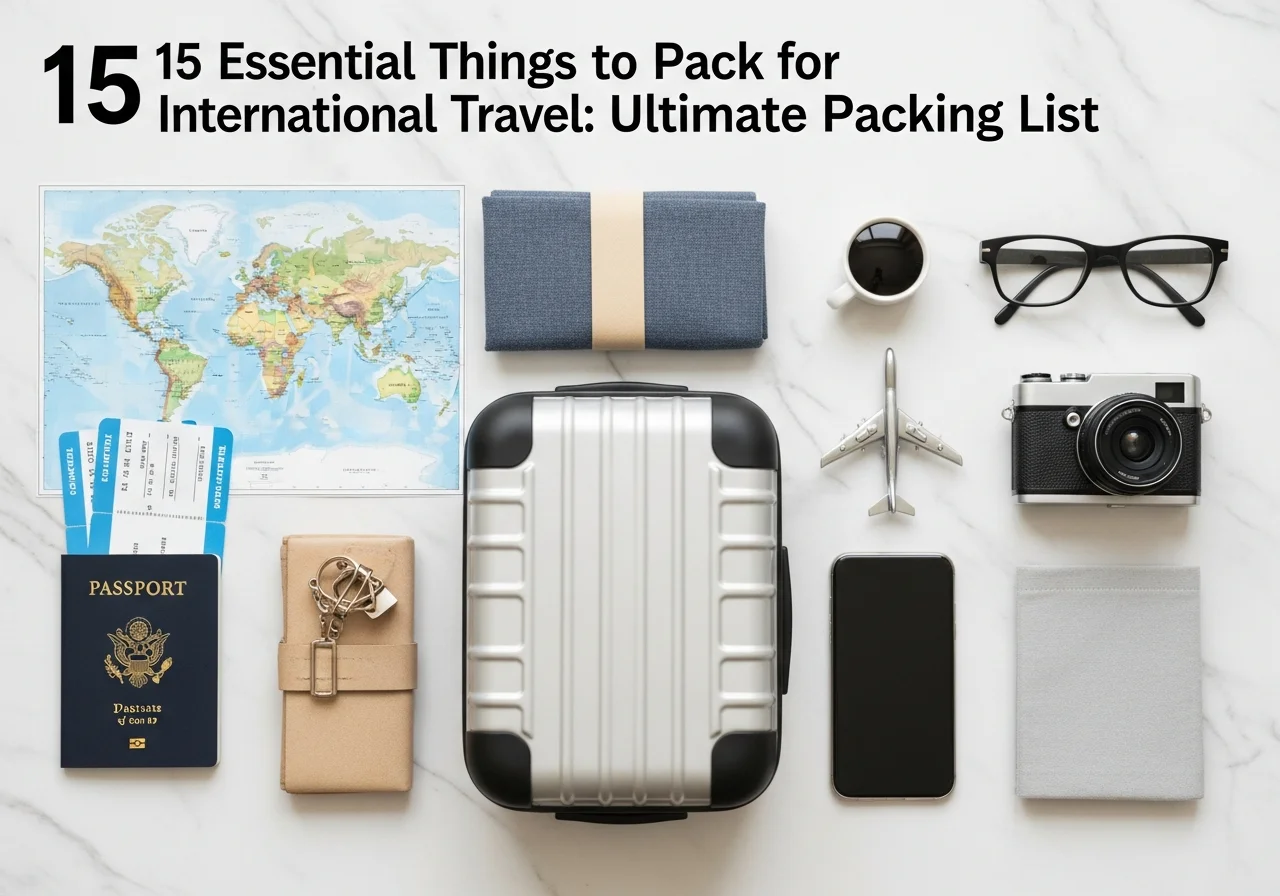
15 Essential Things to Pack for International Travel: Ultimate Packing List
Pack for international travel the right way and you can avoid stress, forgotten essentials, and unnecessary expenses abroad. International travel opens doors to new cultures, breathtaking landscapes, and unforgettable experiences. Yet the excitement of exploring foreign destinations can quickly turn stressful when you realize you forgot something crucial at home.
The difference between domestic and international travel extends beyond just distance. You will face longer flights, different electrical outlets, unfamiliar climates, and limited access to your preferred products. Missing essential items abroad can mean paying inflated prices at tourist shops or wasting precious vacation time searching for replacements. Smart packing is not about bringing everything you own. It is about selecting versatile, high-quality items that serve multiple purposes while keeping your luggage manageable.
This ultimate packing list covers the 15 essential categories every international traveler needs to consider. From critical documents that grant you entry into foreign countries to practical items that enhance your comfort during long flights, each recommendation comes from real-world travel experience. By following this guide, you will minimize stress, avoid common packing mistakes, and maximize your enjoyment of the adventure ahead.
Valid Passport and Required Visas
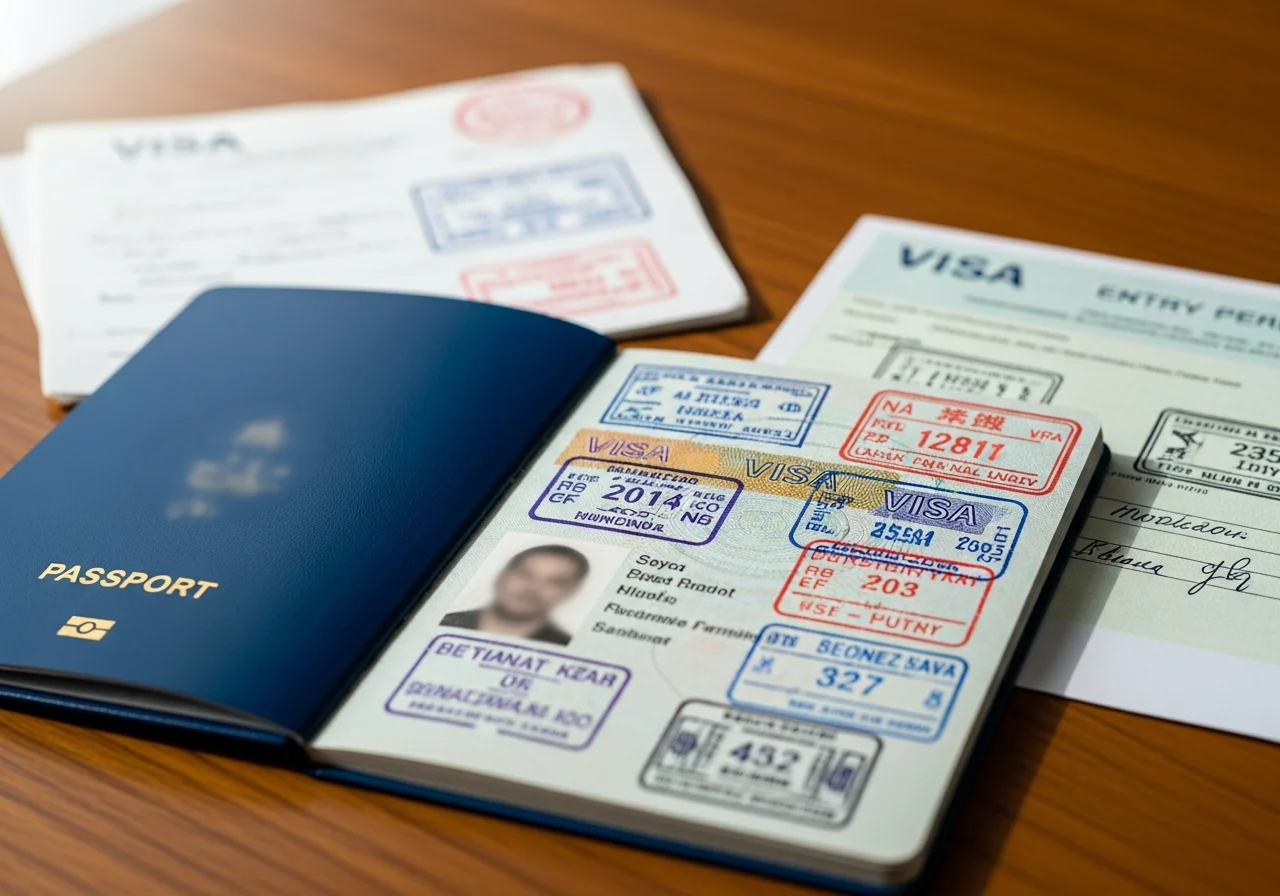
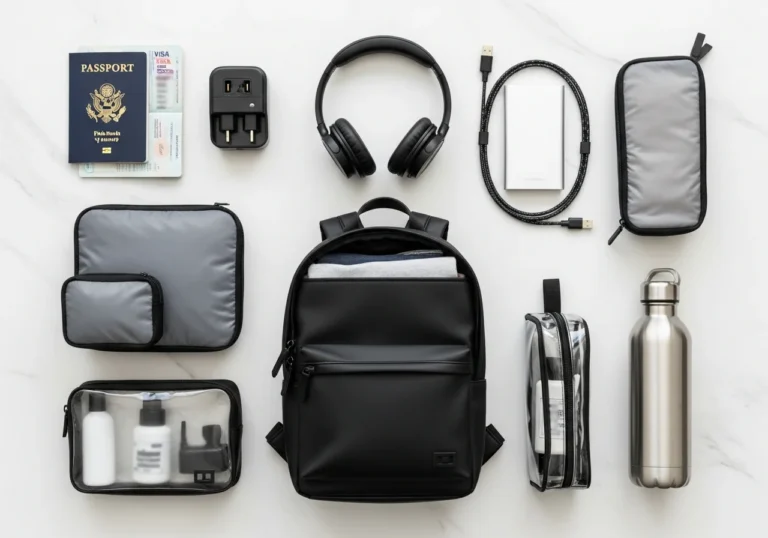
Your passport is the single most important item for international travel. Without it, you cannot board your flight or cross international borders. Check your passport expiration date immediately when planning your trip. Most countries require your passport to remain valid for at least six months beyond your planned return date. Some destinations demand even longer validity periods, so research specific requirements for your destination well in advance. When you pack for international travel, checking passport validity and visa requirements should always be your first step.
Beyond expiration dates, ensure your passport has sufficient blank pages for entry and exit stamps. Immigration officials may refuse entry if you lack adequate space for their documentation. If your passport is nearing expiration or running low on pages, apply for renewal several months before your departure date. Processing times vary, and last-minute applications create unnecessary stress.
Visas represent another critical consideration. While many countries offer visa-free entry or visa-on-arrival options for certain nationalities, others require advance applications. Research visa requirements for your specific citizenship and destination country. Processing times range from days to months depending on the country, so start this process early. Keep both physical and digital copies of your visa approval documents in separate locations.
Store photocopies of your passport information page separately from the original document. Keep one copy in your checked luggage and another with a trusted contact at home. Digital copies stored in cloud services provide additional backup if your physical documents are lost or stolen. This simple precaution can save hours of stress at embassies or consulates if problems arise.
Travel Insurance Documentation
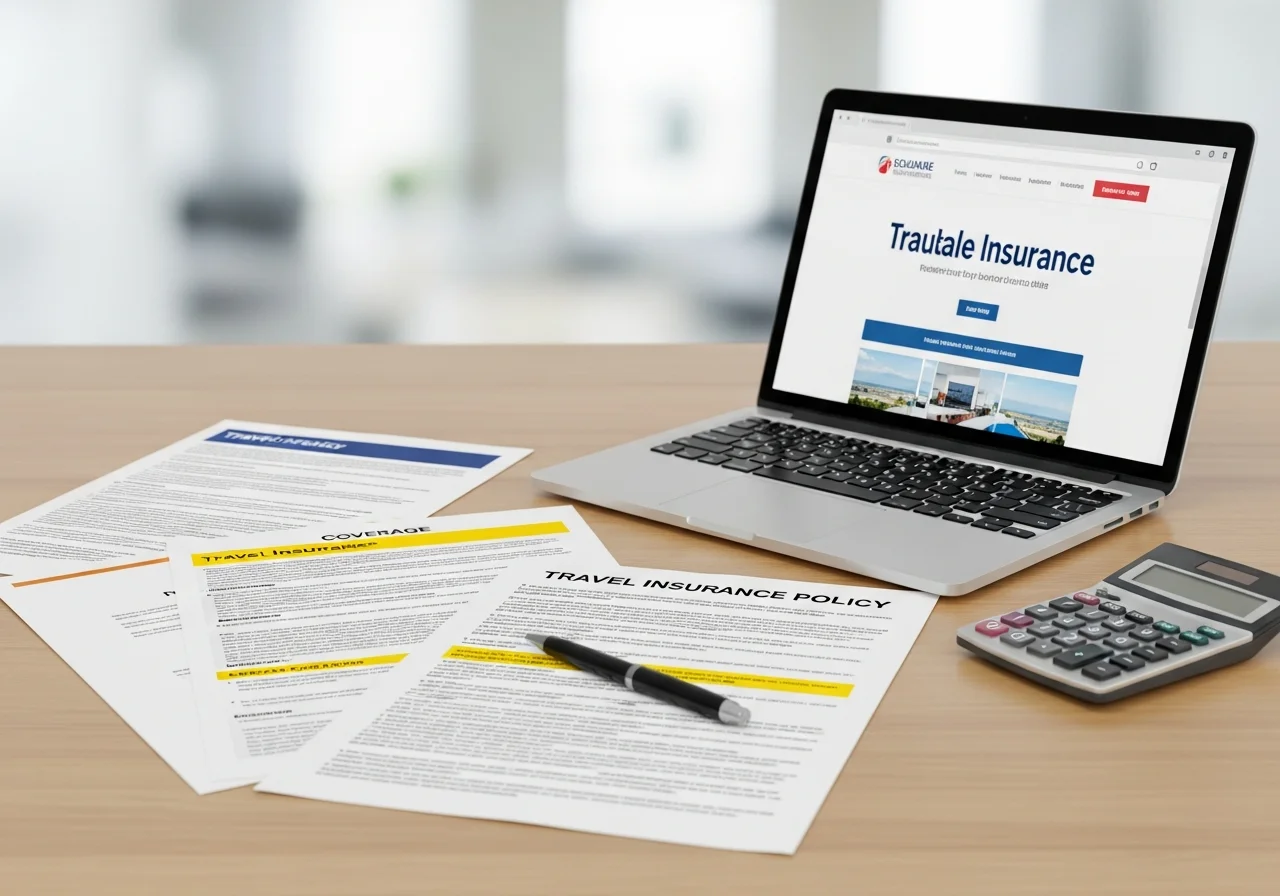
Travel insurance often feels like an unnecessary expense until you need it. Medical emergencies, flight cancellations, lost luggage, and trip interruptions can cost thousands of dollars without proper coverage. Quality travel insurance protects your financial investment and provides peace of mind throughout your journey.
Comprehensive travel insurance typically covers medical emergencies, trip cancellations, baggage loss, flight delays, and emergency evacuations. Medical coverage is particularly crucial since your domestic health insurance may offer limited or no coverage abroad. A serious illness or injury in a foreign country can result in astronomical bills that insurance helps mitigate.
When selecting travel insurance, read the policy details carefully. Understand coverage limits, deductibles, and exclusions. Some policies exclude adventure activities like scuba diving or skiing, while others provide specialized coverage for these pursuits. Pre-existing medical conditions may require additional declarations or supplementary coverage.
Print your insurance policy documents and keep them in your carry-on bag. Store the insurance company’s emergency contact number in your phone and write it on a physical card in your wallet. In emergencies, you need immediate access to this information without relying on internet connectivity. Share your policy details with a family member or friend who can assist from home if necessary.
Universal Power Adapter and Portable Charger
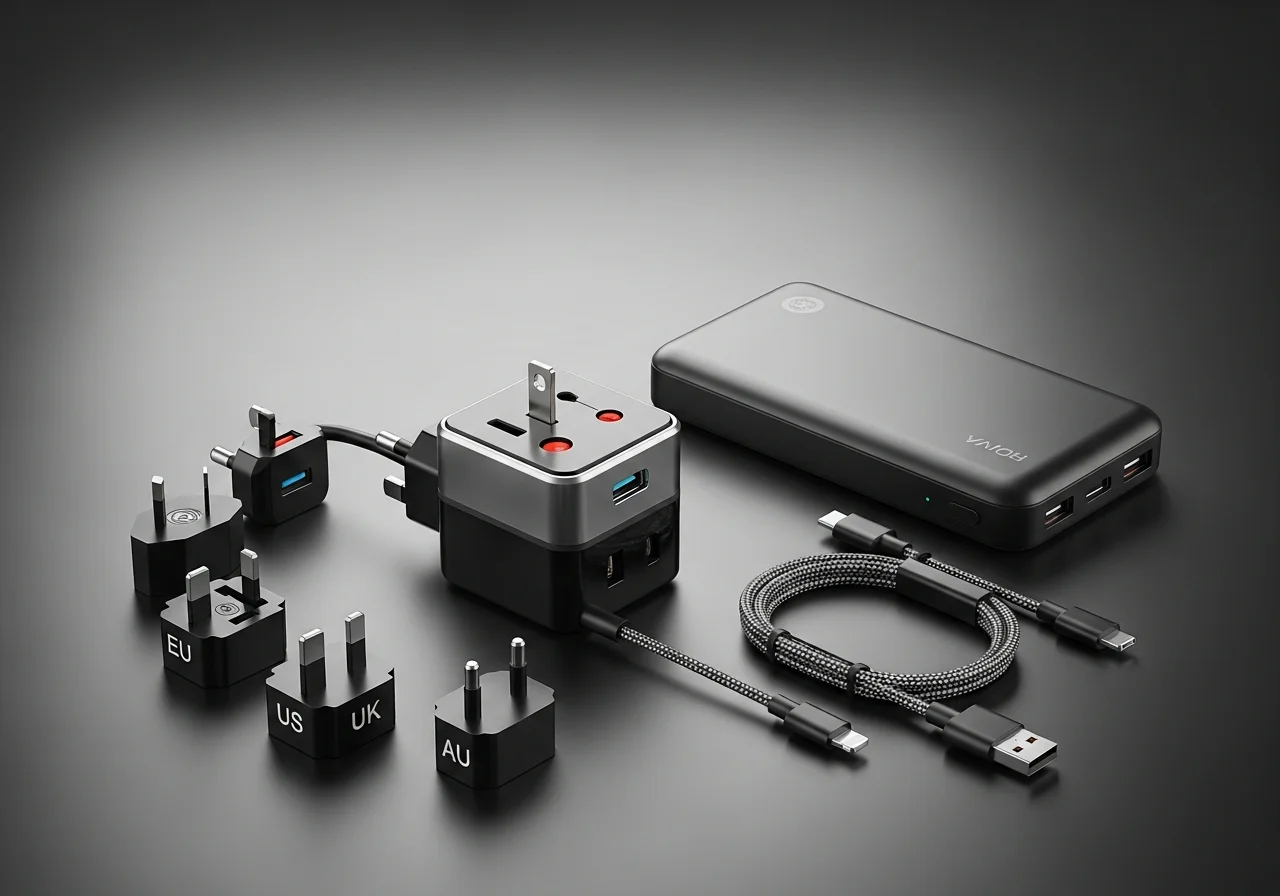
Electrical outlets vary dramatically across countries. The plug shapes, voltage levels, and frequency standards that power your devices at home may be completely incompatible with outlets in your destination country. A universal power adapter solves this problem by accommodating multiple plug configurations in a single compact device.
Quality universal adapters feature interchangeable plug heads that work in over 150 countries. Look for models with built-in USB ports that allow simultaneous charging of multiple devices without occupying multiple outlets. Some advanced adapters include surge protection to safeguard your electronics from power fluctuations common in certain regions.
Beyond adapters, portable chargers rank among the most valuable travel accessories. Long flights, extended sightseeing days, and unreliable access to power outlets can drain your phone battery when you need it most for navigation, translation, or photography. A high-capacity portable charger ensures your devices remain functional throughout the day.
Select a portable charger with sufficient capacity to fully recharge your phone at least twice. Models with multiple output ports let you charge several devices simultaneously. Remember that airline regulations restrict lithium battery capacity in both carry-on and checked luggage. Most consumer portable chargers fall within acceptable limits, but verify specifications before packing. Keep your portable charger in your carry-on bag where it remains accessible during flights and complies with aviation safety regulations. You can check out these phone charger tips useful for long-haul international flights
Organized Packing Cubes and Compression Bags
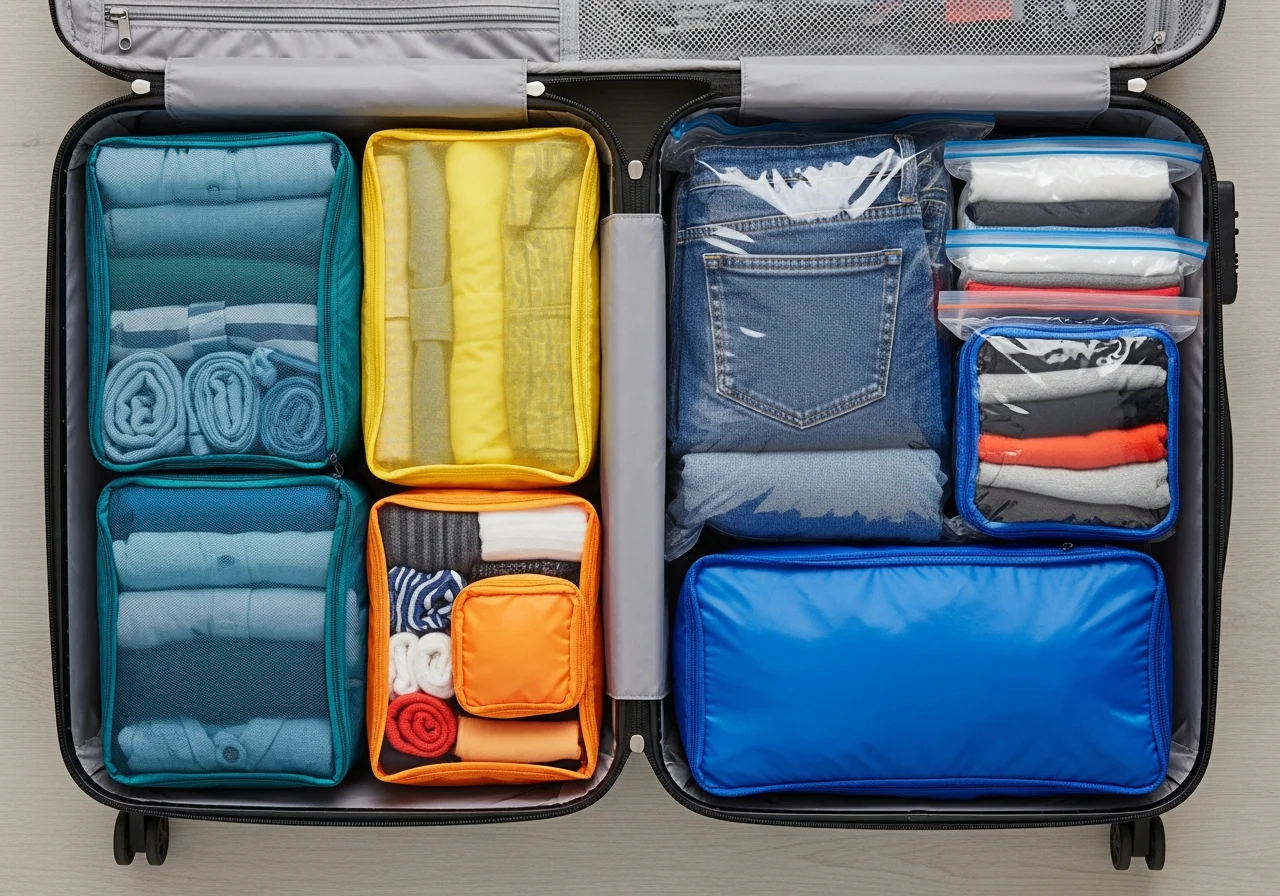
Packing cubes revolutionize how you organize and access items in your luggage. These lightweight fabric containers compartmentalize your belongings by category, making it simple to locate specific items without unpacking your entire suitcase. They also maximize space efficiency by preventing clothes from shifting during transit.
Create a logical organization system using different colored or labeled cubes. Dedicate one cube to tops, another to bottoms, a third to undergarments, and a fourth to accessories. This system allows you to grab exactly what you need without disturbing everything else. When moving between multiple destinations, packing cubes eliminate the need to completely reorganize your luggage at each stop.
Compression bags offer additional space savings for bulkier items. These specialized bags use one-way valves or roll compression to remove excess air, reducing the volume of clothing by up to half. They work particularly well for sweaters, jackets, and winter wear that typically consume significant luggage space.
When using compression bags, avoid over-compressing delicate fabrics that wrinkle easily. Natural fibers like cotton and linen compress well and resist wrinkles better than synthetic materials. Pack compression bags in your checked luggage rather than carry-on, as the reduced bulk may make your carry-on appear suspiciously dense during security screening. The combination of packing cubes for organization and compression bags for space efficiency creates an optimal packing system for international travel.
Complete Toiletry Kit with Travel-Sized Containers

Toiletries present unique challenges for international travelers. Airlines strictly enforce liquid restrictions in carry-on baggage, limiting individual containers to 3.4 ounces and requiring all liquids to fit in a single quart-sized clear plastic bag. These regulations apply universally across international destinations, making compliance essential for smooth security screening.
Invest in quality travel-sized bottles and containers for your favorite products. Silicone squeeze bottles resist leaks better than rigid plastic and conform to available space in your toiletry bag. Label each container clearly to identify contents at a glance. Many travelers prefer solid alternatives to liquid toiletries, including bar shampoo, solid perfume, and powder deodorant that bypass liquid restrictions entirely.
Your toiletry kit should include toothbrush, toothpaste, dental floss, face wash, moisturizer, sunscreen, deodorant, razor, shaving cream, contact lens solution if applicable, and any specialized skincare products your routine requires. Consider the climate and activities at your destination when selecting products. Beach destinations demand higher SPF sunscreen and after-sun care, while cold climates require heavier moisturizers to combat dry air.
Pack prescription medications in original labeled containers and carry more than you think necessary to account for travel delays. Include over-the-counter remedies for common ailments like headaches, upset stomach, and allergies. Motion sickness medication proves invaluable during long flights or boat excursions. Keep all medications and critical toiletries in your carry-on bag to ensure access if checked luggage is delayed or lost.
Comfortable and Versatile Clothing
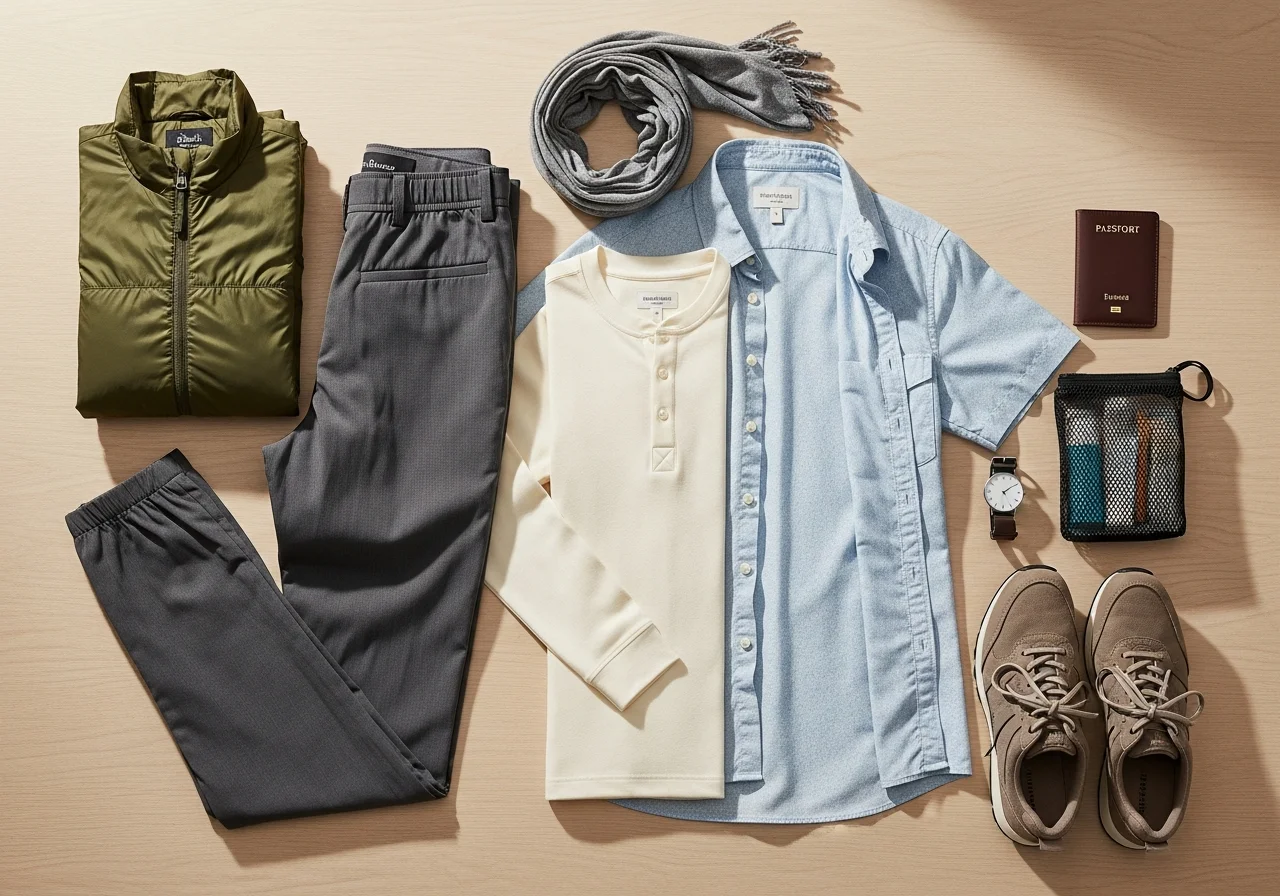
Clothing selection dramatically impacts both luggage weight and your comfort throughout the trip. The key lies in choosing versatile pieces that work for multiple occasions and layer effectively for changing weather conditions. Neutral colors like black, navy, gray, and beige mix and match seamlessly, creating numerous outfit combinations from fewer individual pieces. Learning how to style T-shirt for multiple outfits is a simple way to reduce overpacking while staying stylish.
Plan your outfits before packing to avoid bringing unnecessary items. Account for your itinerary including casual daytime activities, nicer evening events, potential outdoor adventures, and unexpected weather changes. Most travelers overpack significantly, bringing items they never wear. A general guideline suggests one outfit per day plus one or two extras for variety or laundry delays.
Wrinkle-resistant fabrics simplify travel significantly. Merino wool, synthetic blends, and certain cotton weaves resist creasing even when compressed in luggage for hours. These materials also often provide moisture-wicking properties that keep you comfortable during active sightseeing or warm weather. Quick-dry fabrics allow hand washing in hotel sinks, reducing the total number of items you need to pack for extended trips.
Layer your clothing strategically rather than packing bulky single-piece outfits. A lightweight base layer, mid-weight sweater, and weather-resistant outer shell adapt to various temperature ranges more effectively than a heavy coat alone. Scarves and wraps serve multiple purposes as fashion accessories, warmth layers, beach cover-ups, or airplane blankets. This versatile approach keeps your luggage lighter while ensuring you are prepared for diverse situations.
Reliable Walking Shoes and Backup Footwear
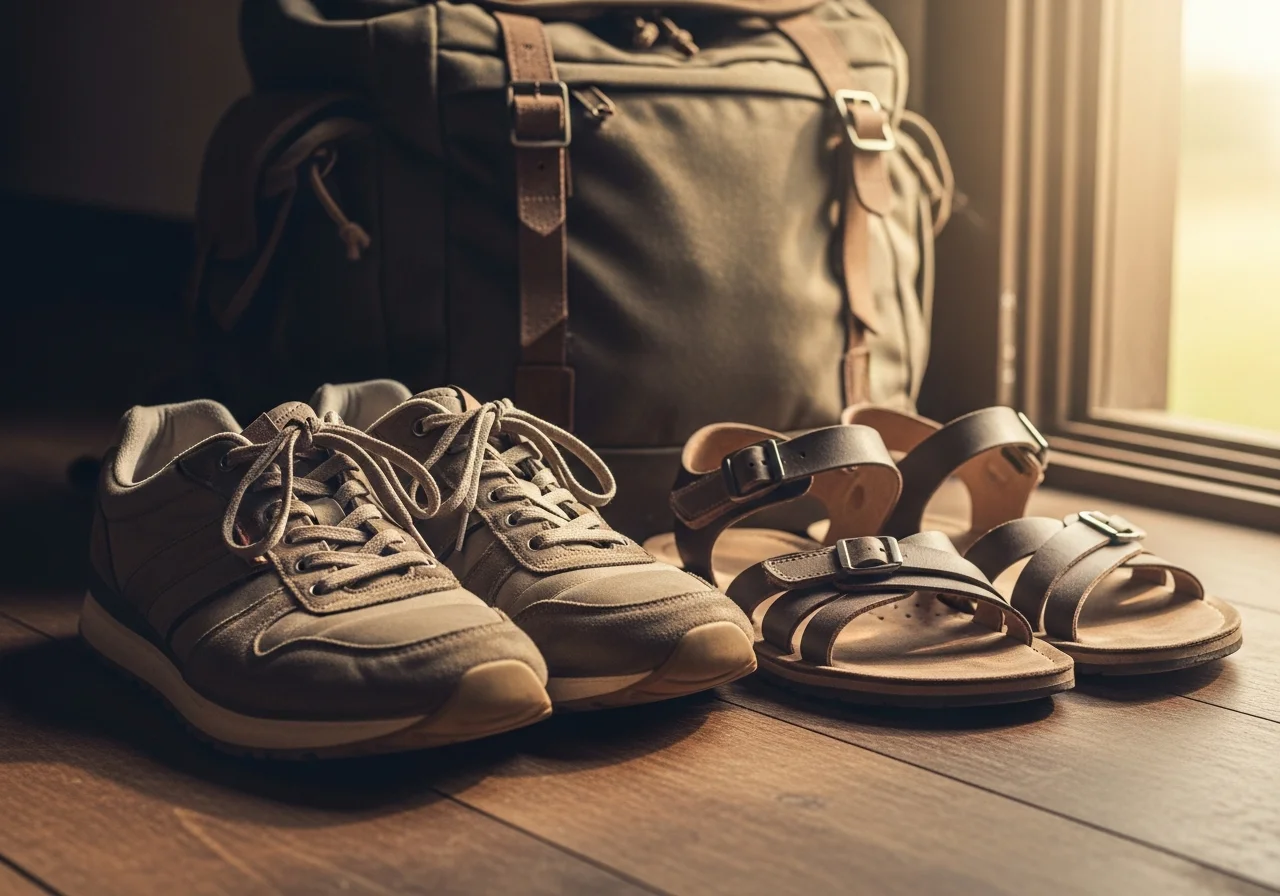
Comfortable footwear makes or breaks your travel experience. International trips typically involve significantly more walking than daily life at home. Cobblestone streets, museum tours, city exploration, and outdoor activities demand shoes that provide support, traction, and blister prevention throughout long days on your feet.
Break in new shoes completely before your trip. Never pack unworn shoes for international travel, as blisters and foot pain can derail your entire itinerary. Wear your primary walking shoes for several weeks before departure, gradually increasing the duration to ensure they remain comfortable during extended use. Quality walking shoes with good arch support, cushioned soles, and breathable materials are worth the investment.
Limit yourself to two or three pairs of shoes maximum to conserve luggage space. Choose styles that work for multiple situations rather than specialized shoes for every activity. Comfortable sneakers or walking shoes serve as your primary footwear for daytime activities. Add sandals for warm weather or casual evenings, and consider dress shoes if your itinerary includes upscale dining or events.
Waterproof or water-resistant shoes prove valuable in many destinations. Rain can strike unexpectedly, and wet feet lead to discomfort and potential health issues. Shoes with good tread prevent slips on wet surfaces or smooth stone walkways common in historic areas. Pack your shoes in shoe bags to protect clean clothes from dirt and to keep shoes themselves from being crushed under other luggage items.
Comprehensive First Aid and Medical Supplies
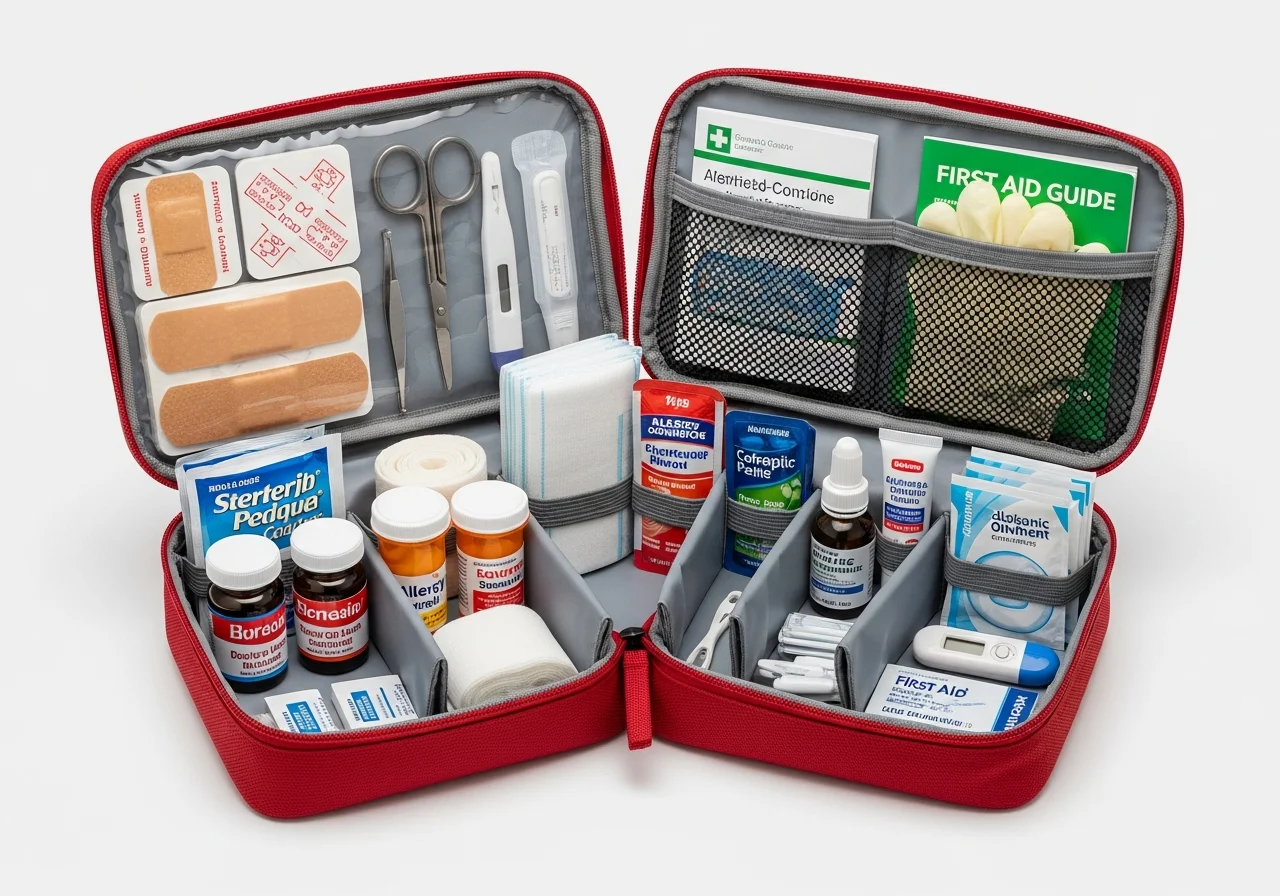
A well-stocked first aid kit addresses minor health issues before they escalate into serious problems. International travel exposes you to different climates, foods, water quality, and stress levels that can trigger various ailments. Being prepared with appropriate medications and supplies provides peace of mind and quick relief when needed.
Basic first aid supplies include adhesive bandages in various sizes, antibiotic ointment, blister treatment, pain relievers, anti-inflammatory medication, antacid tablets, anti-diarrheal medicine, antihistamines for allergies, and any prescription medications you regularly take. Add motion sickness medication if you are prone to travel sickness during flights or boat rides. Altitude sickness medication becomes essential for destinations at high elevations.
Store medications in original packaging when possible, especially prescriptions. This proves ownership and legitimacy if questioned by customs officials and ensures you have dosage information readily available. Carry a copy of your prescriptions including generic drug names, as brand names vary internationally. If you wear contact lenses, pack solution and a spare pair of lenses plus your glasses as backup.
Pack your first aid kit in an easily accessible location. Minor cuts, headaches, or upset stomachs can occur at any time, and fumbling through packed luggage to find relief creates unnecessary frustration. A small zippered pouch keeps medical supplies organized and prevents individual items from scattering throughout your bag. Include digital thermometer, tweezers, small scissors, and safety pins as useful additions to your medical kit.
Important Travel Documents and Emergency Information
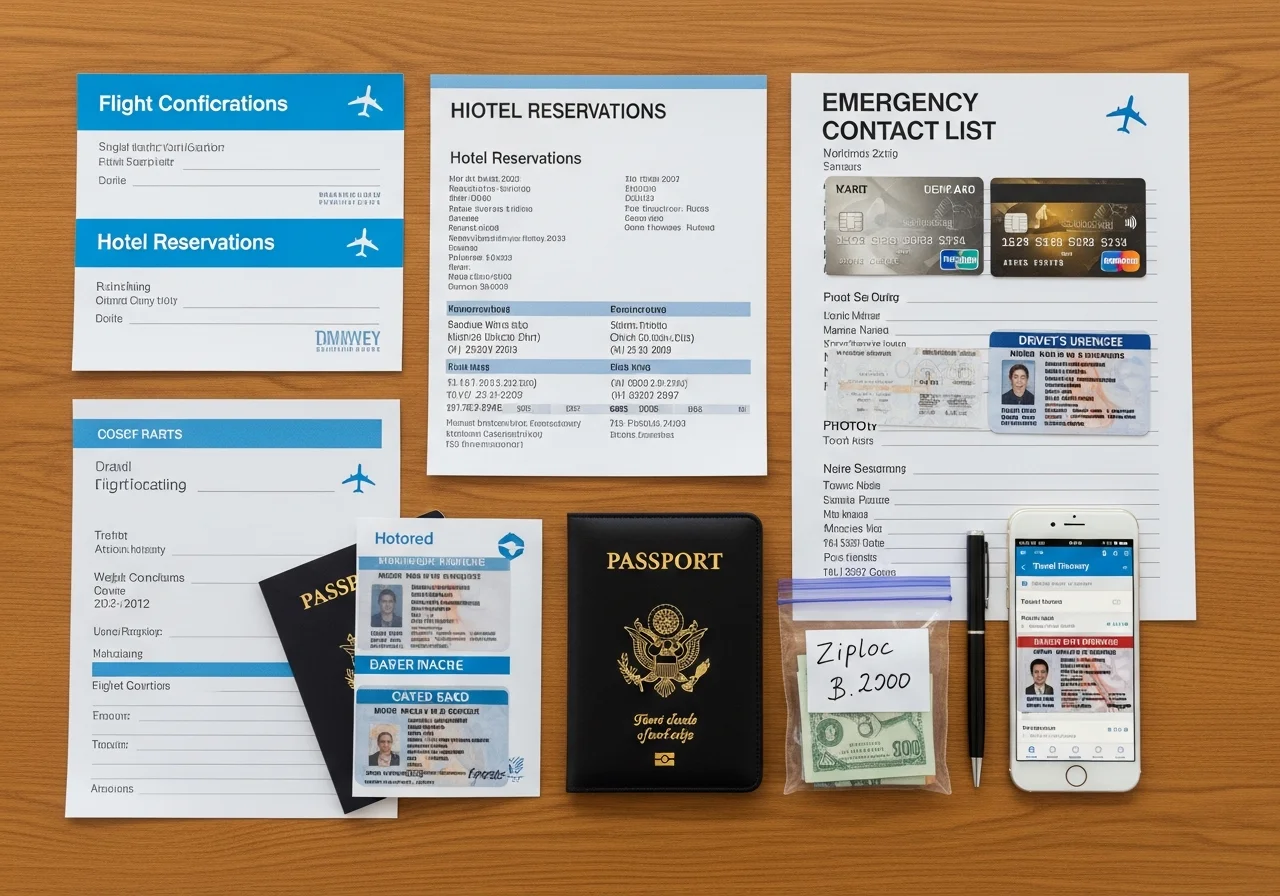
Beyond your passport and visa, numerous other documents facilitate smooth international travel and provide crucial information during emergencies. Organization of these materials saves time and reduces stress when you need them most. Create both physical and digital versions of all important documents as backup.
Print confirmations for flight bookings, hotel reservations, tour activities, and rental car arrangements. While digital confirmations suffice in many situations, printed copies provide backup when internet access is unavailable or when dealing with less technologically advanced service providers. Include confirmation numbers, addresses, phone numbers, and any special instructions or codes needed for access.
Compile an emergency contact list including family members, your country’s embassy or consulate in your destination, your travel insurance provider, credit card companies, and your bank. Program these numbers into your phone and keep a written copy in your wallet. International calling codes and emergency services numbers vary by country, so research and record appropriate numbers for your destination.
Make copies of your driver’s license, credit cards, and health insurance cards. Photograph the front and back of each card and store images in secure cloud storage accessible from any device. If cards are lost or stolen, these copies expedite the replacement process and help you remember account numbers and contact information. Leave one set of copies with a trusted person at home who can assist remotely if problems arise.
Reusable Water Bottle and Collapsible Tote

Staying hydrated during international travel presents challenges, especially during long flights and busy sightseeing days. Airplane cabin air contains extremely low humidity that accelerates dehydration. Walking tours in warm climates increase fluid needs significantly. A reusable water bottle provides convenient hydration while reducing plastic waste and saving money on bottled water purchases.
Select a bottle that fits your travel style. Collapsible silicone bottles compress flat when empty, saving valuable luggage space. Insulated stainless steel bottles keep drinks cold for hours in hot climates. Look for bottles with wide mouths that accommodate ice cubes and simplify cleaning. Many airports now feature water bottle filling stations beyond security checkpoints, allowing you to start your flight properly hydrated.
Water safety varies dramatically across international destinations. Research your destination’s tap water quality before drinking. Many countries offer perfectly safe tap water, while others require bottled water or water purification. Bottles with built-in filtration systems provide portable water purification, allowing safe drinking from virtually any water source. UV sterilization pens offer another lightweight purification option for uncertain water quality.
A collapsible tote bag serves countless purposes during international travel. Use it as a day bag for sightseeing, beach trips, or grocery shopping. Many countries charge for shopping bags, making a reusable tote both economical and environmentally conscious. Packable totes fold into compact pouches that occupy minimal luggage space yet expand to carry souvenirs, wet swimsuits, or dirty laundry. Keep one in your carry-on for last-minute shopping at airport duty-free stores or to separate items during security screening.
Electronics and Entertainment Essentials
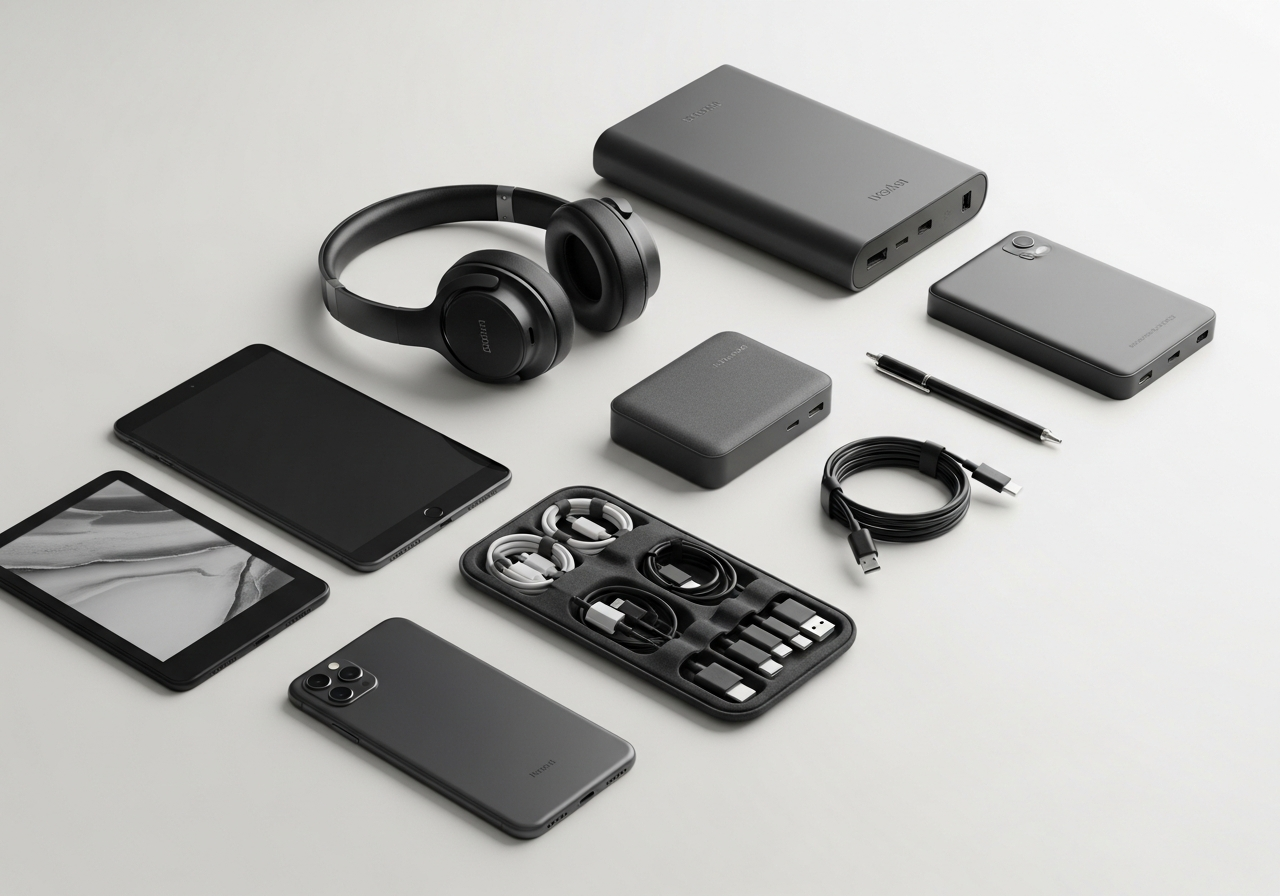
Modern travelers rely heavily on electronic devices for navigation, communication, photography, and entertainment. International travel increases dependence on these tools as you navigate unfamiliar locations and maintain connections with home. Proper planning ensures your devices remain functional and protected throughout your journey.
Your smartphone serves as your primary travel tool, functioning as camera, map, translator, guidebook, and communication device. Download essential apps before departure including offline maps, translation tools, currency converters, and destination-specific guides. Enable international data plans or purchase local SIM cards upon arrival to maintain connectivity without incurring excessive roaming charges.
Pack appropriate charging cables and backup batteries for all devices. Different devices require different cable types, so inventory your electronics and pack the specific cables each needs. Cable organizers prevent tangled messes in your bag and protect cables from damage. Consider cables with reinforced connectors that withstand frequent plugging and unplugging during travel.
Entertainment options combat boredom during long flights and downtime. Load e-books, podcasts, music playlists, and downloaded movies or shows onto your devices before departure. Airline entertainment systems vary in quality and selection, making personal content essential for enjoyable flights. Noise-canceling headphones or quality earbuds enhance your entertainment experience while blocking ambient airplane noise that contributes to travel fatigue.
Weather-Appropriate Outerwear and Accessories
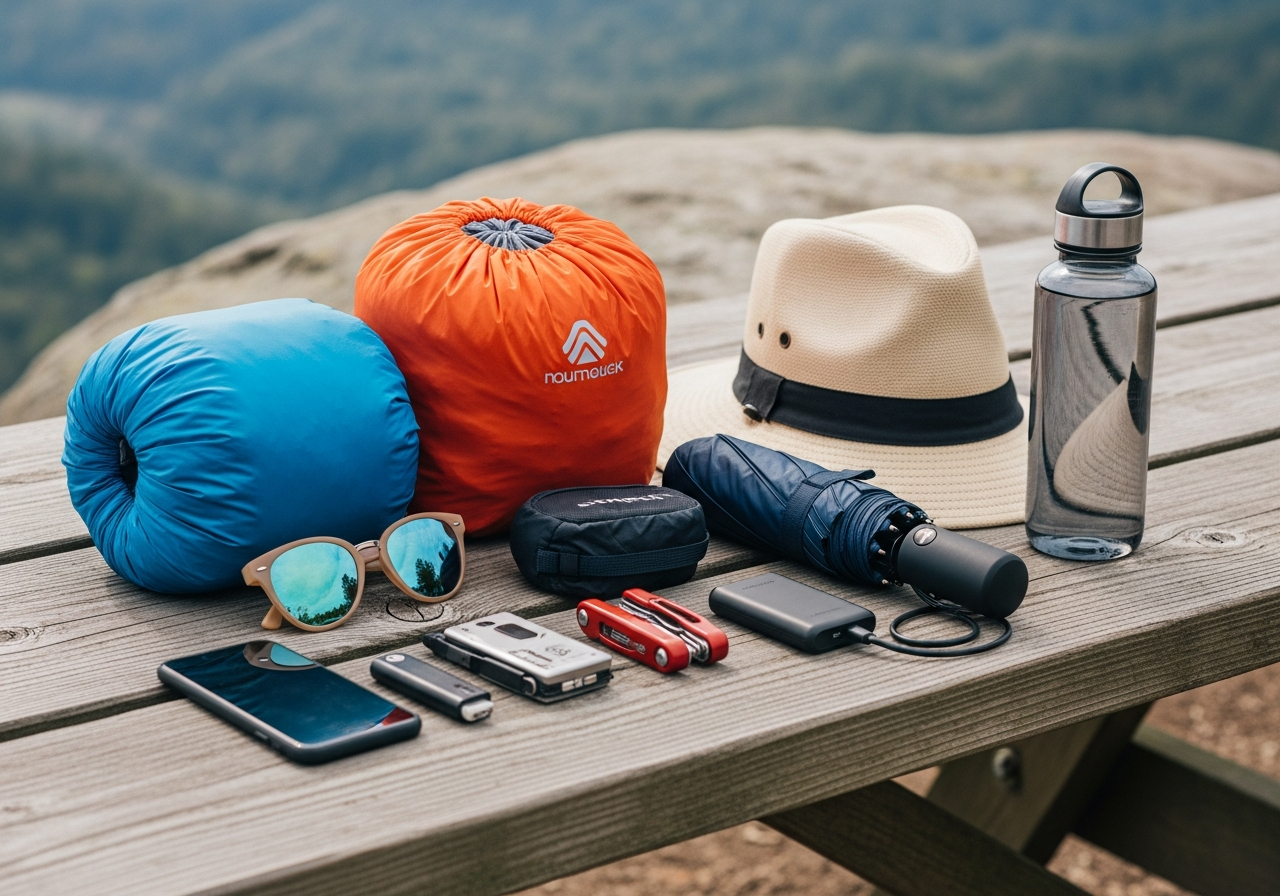
Weather conditions at your destination may differ dramatically from home, requiring specialized clothing and accessories. Research typical weather patterns for your specific travel dates, but prepare for unexpected variations. Climate change and seasonal anomalies create unpredictability even in traditionally stable weather patterns.
A lightweight, packable rain jacket protects against unexpected showers without consuming excessive luggage space. Water-resistant or waterproof materials with sealed seams provide the best protection. Jackets with hoods eliminate the need for separate umbrellas, which prove cumbersome when navigating crowded streets or managing luggage. Breathable fabrics prevent overheating during active use, while packable designs compress into their own pockets for easy storage.
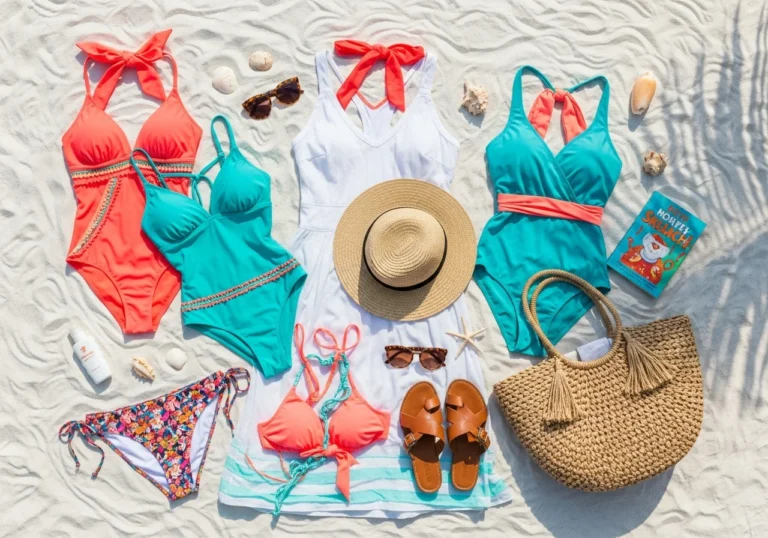
Sun protection remains crucial regardless of season or destination. High-altitude locations intensify ultraviolet radiation even in cold weather. Reflective surfaces like water, snow, and sand increase sun exposure from multiple angles. Pack a wide-brimmed hat or cap that shades your face and neck. Sunglasses with UV protection prevent eye damage and reduce squinting that causes headaches during outdoor activities.
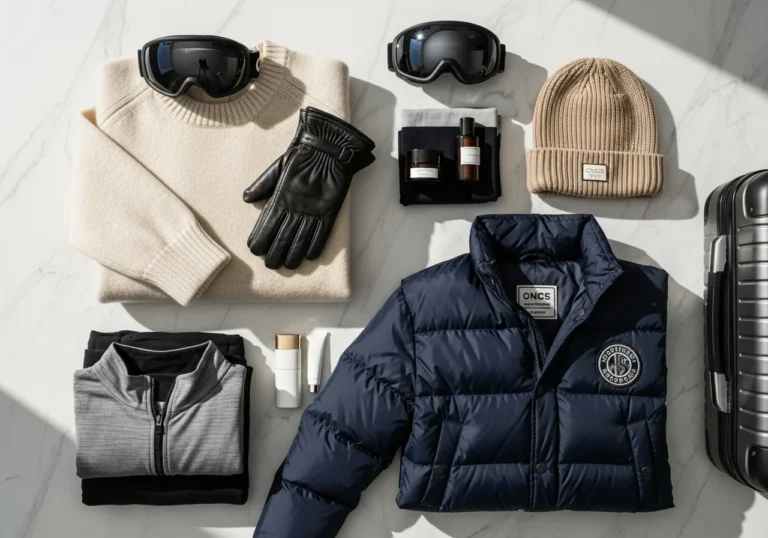
Cold weather destinations require appropriate insulation. Layering systems provide more versatility than single heavy coats. Down or synthetic insulated jackets compress remarkably small yet provide substantial warmth. Gloves, scarves, and warm socks occupy minimal space but dramatically increase comfort in cold conditions. Heat-retaining base layers made from merino wool or synthetic materials create efficient warmth without bulk. Remember that buildings in some countries maintain cooler indoor temperatures than you might expect, making light sweaters useful even in summer destinations.
Secure Money Belt or Hidden Pocket
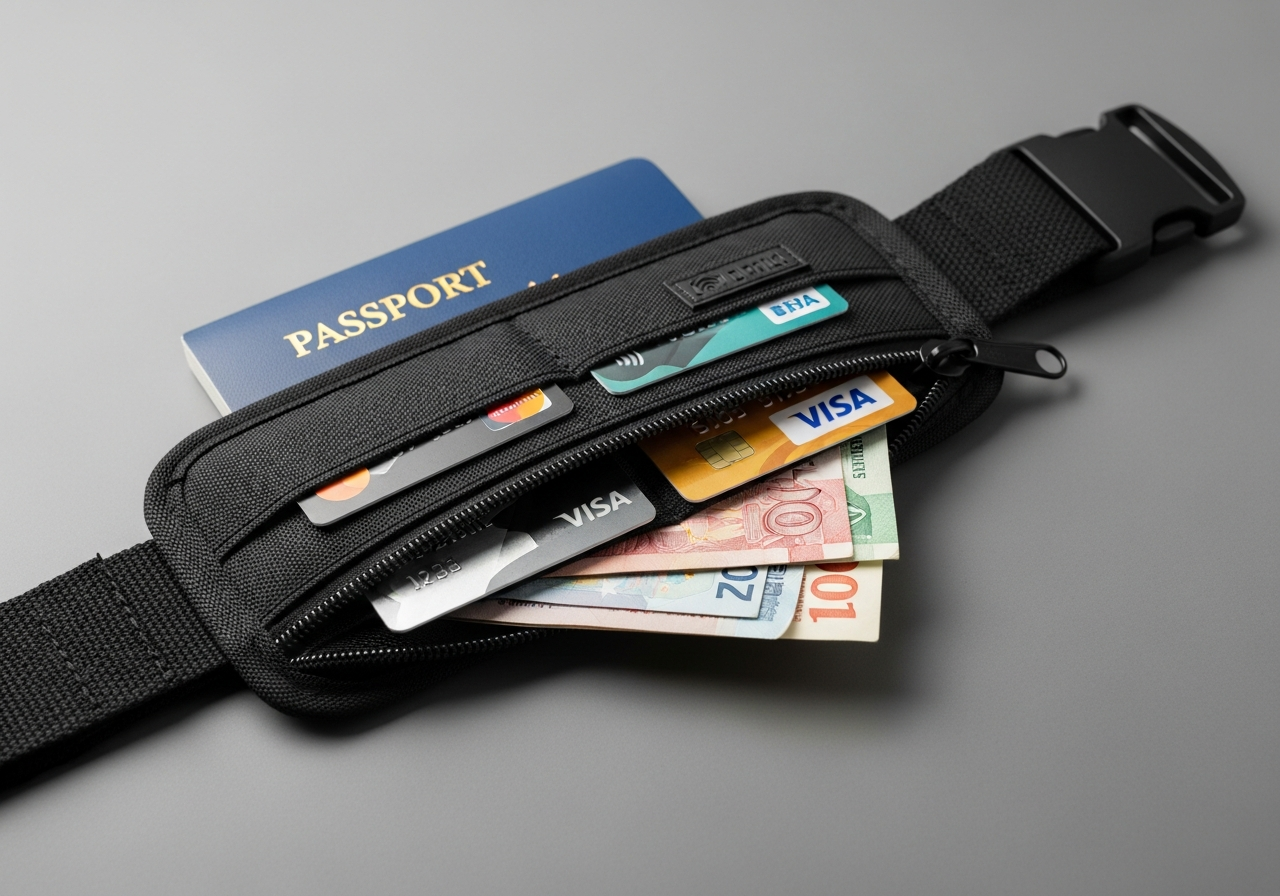
Protecting your valuables from theft ranks among the top safety priorities during international travel. Pickpockets target tourists in crowded areas, public transportation, and popular attractions worldwide. Losing your passport, credit cards, or cash abroad creates serious complications that can derail your entire trip. Strategic concealment of valuables dramatically reduces theft risk.
Money belts worn under clothing provide secure storage for passports, extra credit cards, emergency cash, and other irreplaceable items. Modern designs have evolved beyond the bulky waist pouches of previous generations. Thin RFID-blocking neck pouches, hidden pockets that attach to bras, and sleek undergarment-style money belts offer discreet protection without obvious tourist markers that attract thieves.
Distribute your money and cards across multiple locations rather than keeping everything together. Carry daily spending money in an easily accessible wallet or small purse, while securing backup cards and larger amounts of cash in hidden storage. If one item is lost or stolen, you retain access to other resources. This redundancy provides critical backup during emergencies.
RFID-blocking materials protect contactless credit cards and passports from electronic skimming. Thieves equipped with RFID readers can potentially capture card information without physical contact. While the actual risk remains debated, RFID-blocking wallets and money belts provide inexpensive peace of mind. Look for products certified to block RFID frequencies used by payment cards and e-passports.
Day Pack or Personal Item Bag

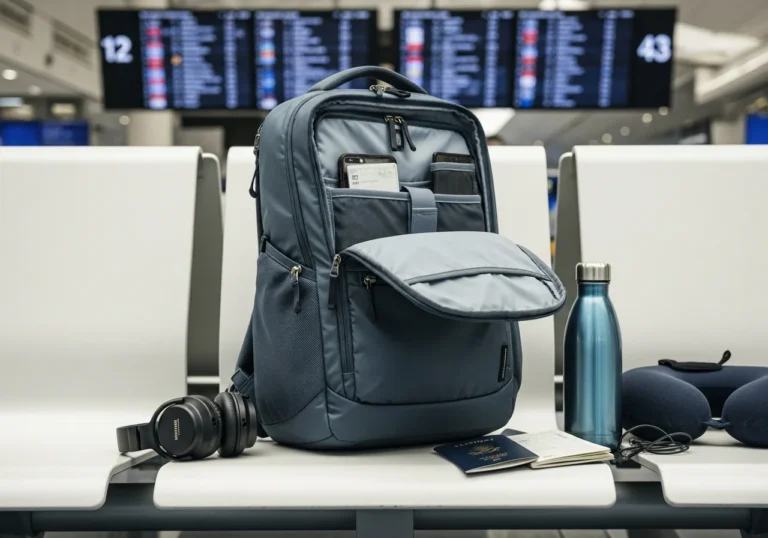
A quality day pack serves as your constant companion during international travel. It carries essentials you need throughout the day while keeping your hands free for photography, holding handrails, or managing transportation. Select a pack that balances capacity, comfort, and security features appropriate for your travel style.
Size your day pack to meet airline personal item requirements, allowing it to fit under the seat in front of you during flights. This ensures critical items remain accessible throughout your journey rather than stored in overhead compartments or checked luggage. Capacity between 15 and 25 liters accommodates daily essentials without becoming unwieldy during long sightseeing days.
Security features add valuable protection in crowded tourist areas. Lockable zippers deter opportunistic theft, though determined thieves can cut fabric. Slash-resistant materials and wire-reinforced straps provide additional security. Hidden pockets keep valuables out of sight while allowing quick access when needed. Some travelers prefer backpacks that convert to front-carry in particularly risky situations, keeping the bag within their field of vision. Check out this guide on backpack essentials for international flights helps ensure you don’t miss anything important.
Organize your day pack with smaller pouches for different categories of items. Dedicate separate compartments to electronics, snacks, water bottle, first aid supplies, and weather protection. This organization prevents frustrating searches for small items buried at the bottom of your pack. External water bottle pockets provide easy access to hydration without unpacking other items. Padded compartments protect cameras, tablets, or laptops from bumps and drops during active travel.
Sleep Aids and Comfort Items

Quality sleep during international travel poses significant challenges. Time zone changes, unfamiliar beds, ambient noise, and irregular sleep schedules all conspire against restful nights. Poor sleep accumulates quickly, reducing your energy, mood, and ability to enjoy your destination. Strategic packing of sleep aids and comfort items mitigates these issues.
Earplugs block disruptive noises common in hotels, hostels, and urban accommodations. Traffic sounds, hallway conversations, neighboring rooms, and street activity can continue throughout the night in many destinations. Foam earplugs create effective noise barriers while remaining comfortable for side sleeping. Reusable silicone earplugs offer durability for extended trips and come with carrying cases that maintain cleanliness.
Sleep masks eliminate light pollution that interferes with circadian rhythms and sleep quality. Hotel curtains often fail to block early morning sun or exterior lighting. Contoured sleep masks prevent pressure on eyes while creating complete darkness conducive to deep sleep. Models with adjustable straps accommodate different head sizes without causing discomfort during hours of wear.
Consider packing a small travel pillow for flights and accommodations with inadequate pillows. Inflatable pillows compress flat when deflated, occupying minimal luggage space. Memory foam travel pillows provide superior neck support during long flights, preventing the stiff neck and headaches that plague many travelers. Some experienced travelers pack lightweight silk or cotton pillowcases to place over hotel pillows, providing familiar comfort and cleanliness.
White noise apps downloaded to your phone create consistent ambient sound that masks disruptive noises. Familiar scents from home like essential oils or a favorite lotion can create psychological comfort in unfamiliar spaces. Small comfort items that improve sleep quality warrant their minimal weight and space in your luggage, as proper rest fundamentally impacts every aspect of your travel experience.
Conclusion
Learning how to pack for international travel properly rewards you with smoother journeys, greater comfort, and stress-free experiences abroad.. This comprehensive packing list covers the fundamental items every traveler needs, regardless of destination. From essential documents that grant entry to foreign countries, through practical tools that solve everyday travel challenges, to comfort items that enhance your enjoyment, each category deserves thoughtful consideration.
Remember that effective packing is not about quantity but quality and versatility. Select items that serve multiple purposes, resist the temptation to pack for unlikely scenarios, and focus on essentials that align with your specific itinerary and travel style. Most items you forget can be purchased abroad, though often at premium prices or with language barriers complicating the process. The truly irreplaceable items like passports, medications, and essential documents deserve special attention and redundant backups.
Start your packing process well before your departure date. Creating a checklist and gathering items gradually reduces last-minute stress and allows time to acquire anything missing from your collection. Test new gear before your trip to ensure it functions as expected and meets your needs. Break in shoes, verify electronics work properly, and familiarize yourself with any unfamiliar equipment.
International travel opens remarkable opportunities for personal growth, cultural understanding, and adventure. Proper preparation through strategic packing removes obstacles that might otherwise diminish your experience. With these 15 essential categories addressed, you are equipped to embark on your international journey with confidence, ready to embrace whatever adventures await in your destination. For an additional detailed checklist, you can refer to this International Travel Packing Checklist.
Frequently Asked Questions
How far in advance should I start packing for international travel?
Begin your packing process two to three weeks before departure. This timeline allows you to identify missing items and purchase replacements without expensive rush shipping. Create your packing list early and gather items gradually rather than rushing at the last minute. Test new equipment and break in shoes during this period to ensure everything functions properly before your trip.
What documents do I absolutely need for international travel?
A valid passport is mandatory for all international travel, typically required to remain valid for six months beyond your return date. Research visa requirements specific to your destination country and citizenship. Carry copies of passport, visas, travel insurance, accommodation confirmations, and emergency contact information. Store digital backups securely in cloud storage accessible from any device.
How can I prevent overpacking while ensuring I have everything I need?
Plan specific outfits for each day rather than packing random items. Choose versatile pieces in neutral colors that mix and match to create multiple combinations. Use the one-week rule where possible. Even for longer trips, pack one week of clothing and plan to do laundry. Consider your actual itinerary and pack only for confirmed activities rather than hypothetical situations.
Should I pack my valuables in carry-on or checked luggage?
Always pack valuables, medications, important documents, electronics, and irreplaceable items in carry-on luggage. Checked bags face higher risks of loss, theft, or damage. Airlines limit liability for lost checked luggage, and replacements for items like prescription medications prove difficult abroad. Keep one change of clothes in carry-on as backup if checked luggage is delayed.
What are the most commonly forgotten items for international travel?
Travelers frequently forget power adapters for foreign outlets, phone chargers, prescription medications, and copies of important documents. Other commonly overlooked items include sunscreen appropriate for the destination climate, comfortable walking shoes properly broken in, travel-sized toiletries compliant with airline regulations, and basic first aid supplies. Create a comprehensive checklist and review it thoroughly before finalizing your packing to avoid these common oversights.