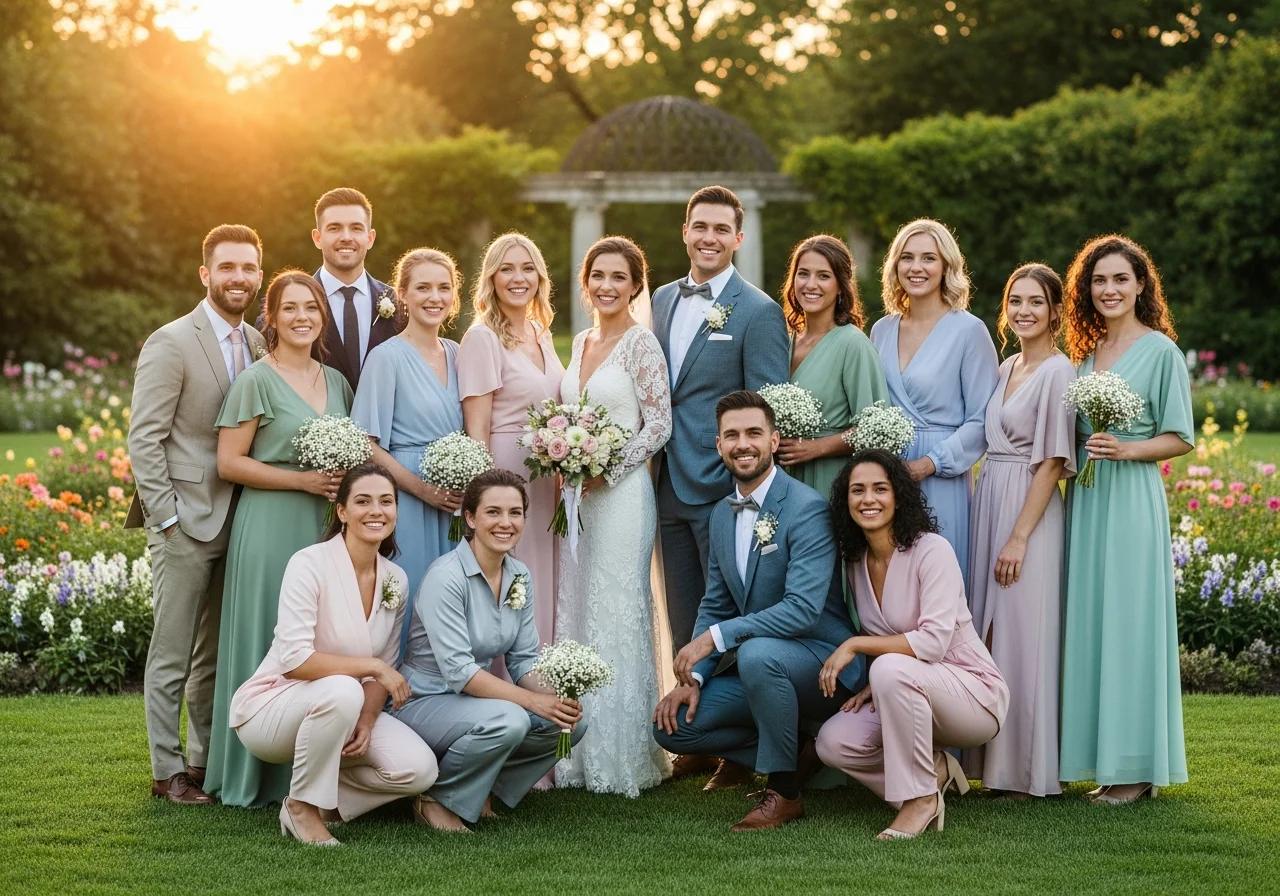
15 Bridal Party Ideas That Make Everyone Feel Included
Introduction
Planning a wedding involves countless decisions, but few carry as much emotional weight as choosing your bridal party. The people standing beside you on your wedding day represent the most important relationships in your life, yet traditional wedding party structures often force couples into uncomfortable choices. Should you include only women on the bride’s side? What if your closest friend doesn’t identify with traditional gender roles? How do you honor everyone who matters without creating a massive lineup?
The good news is that modern weddings are shedding outdated conventions in favor of authentic celebrations that reflect real relationships. Today’s couples are embracing inclusivity, creativity, and flexibility when it comes to their wedding parties. Whether you want to break free from gender-specific roles, include friends of all identities, or find unique ways to honor loved ones, there are countless options that ensure everyone feels valued and included.
This guide presents fifteen thoughtful bridal party ideas designed to make your wedding celebration welcoming for all. From reimagining traditional roles to creating meaningful alternatives, these concepts will help you build a wedding party that truly represents your community of support.
Ditch Gender-Specific Titles and Roles
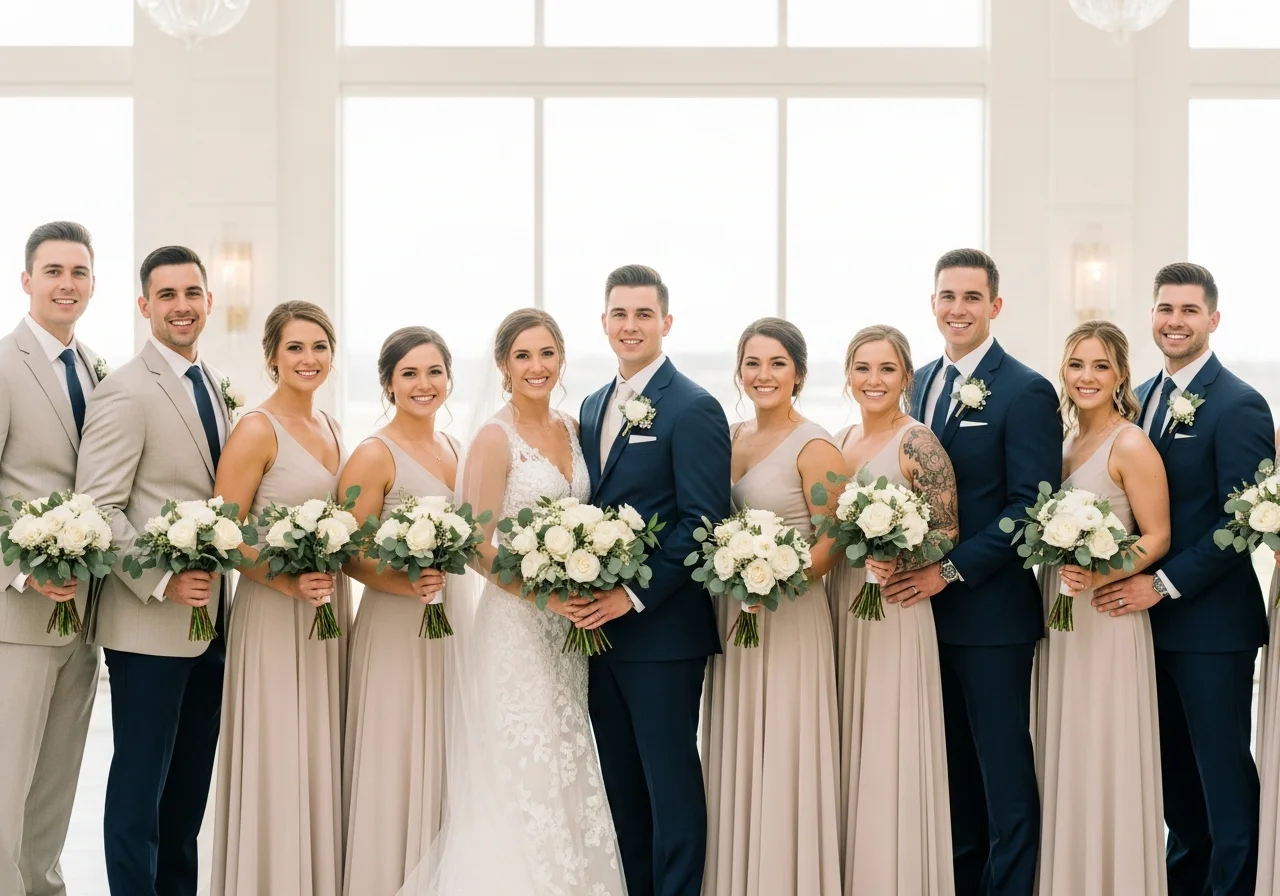
The tradition of dividing wedding parties by gender no longer serves many couples. Instead of forcing friends into categories based on anatomy rather than relationships, consider using neutral terminology that reflects actual bonds. Terms like “wedding party,” “honor attendants,” or simply “my people” create space for everyone to participate authentically.
This approach allows you to choose your closest friends regardless of their gender identity. Your best friend who happens to be male can stand on your side without the awkward label of “man of honor,” just as your partner’s female best friend can stand with them without confusion. The focus shifts from traditional expectations to genuine connection.
Many couples now introduce their wedding party as a unified group rather than separating bridesmaids and groomsmen. This simple change eliminates the pressure to maintain even numbers on each side and creates a more cohesive celebration. When you remove gendered divisions, you open the door for your wedding party to reflect the diverse, authentic friendships that actually exist in your life.
Allow Your Wedding Party to Choose Their Own Attire

One of the most inclusive decisions you can make involves letting wedding party members wear what makes them comfortable. The outdated notion that women must wear dresses and men must wear suits excludes many people and creates unnecessary stress.
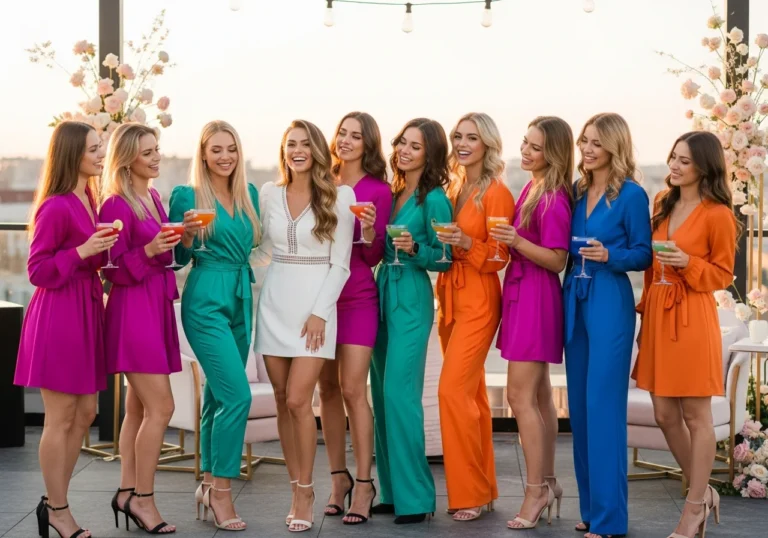
Instead, establish a color palette or style guideline and allow each person to select an outfit that aligns with their personal expression. This might mean some attendants wear dresses while others choose suits, jumpsuits, or alternative formal wear. The visual result often looks more interesting and organic than matching outfits, creating a wedding party that appears stylish rather than uniformed.
This flexibility proves especially meaningful for non-binary individuals or those who don’t feel comfortable in traditionally gendered clothing. By prioritizing comfort and authentic self-expression, you send a clear message that you value each person as they are. Your wedding photos will capture real people feeling confident and happy rather than uncomfortable in prescribed costumes.
Create a Something Blue Crew
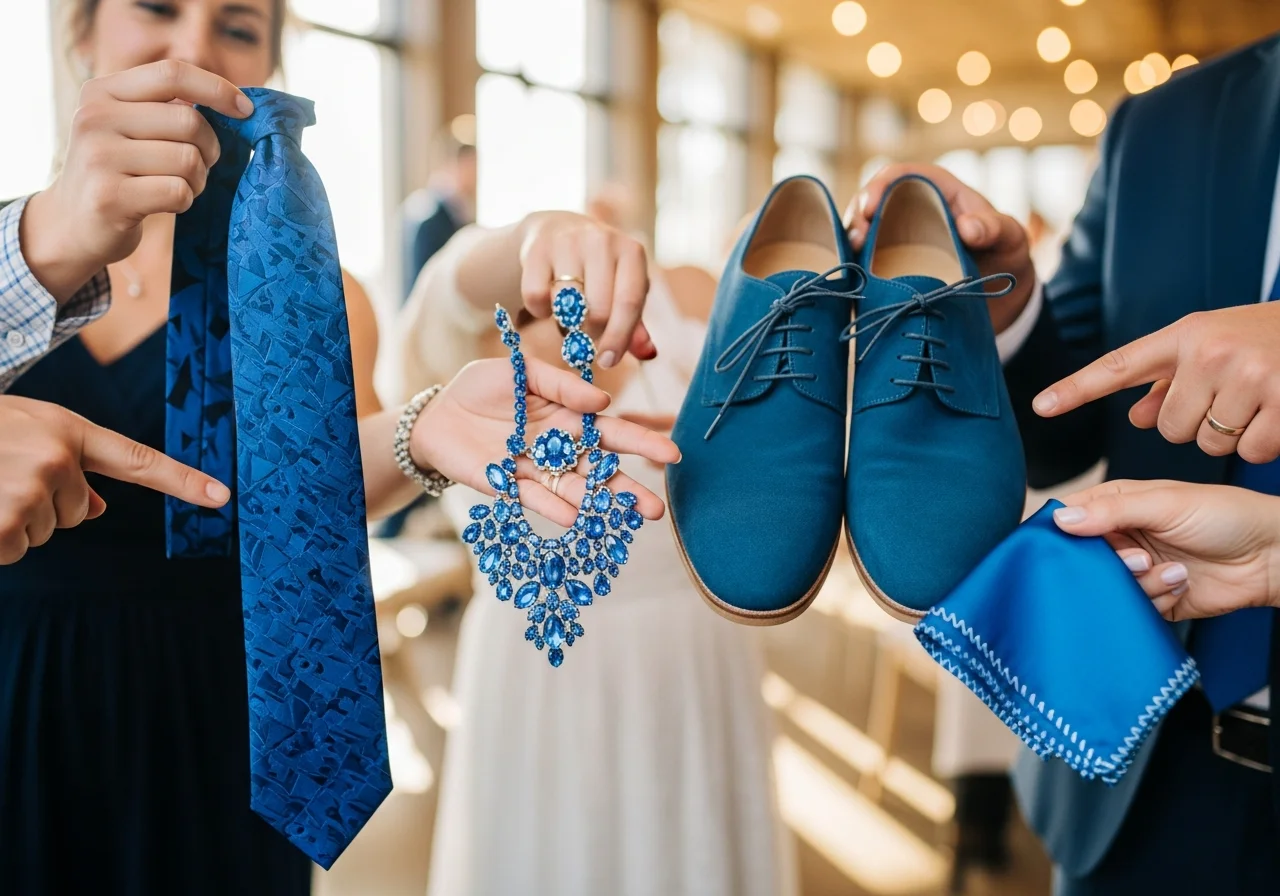
For couples who want to honor many friends without managing a large formal wedding party, the Something Blue concept offers a perfect solution. This idea draws from the traditional wedding rhyme while creating an inclusive way to recognize important relationships.
Reach out to your extended circle of close friends and ask them to wear something blue on your wedding day. This could be blue shoes, a blue tie, blue jewelry, or any blue accessory. You might even gift each person their blue item as a token of appreciation, such as blue socks, brooches, or handkerchiefs.
On your wedding day, gather your Something Blue crew for a group photo where everyone shows off their blue element. This creates a memorable moment that acknowledges these friendships without imposing the financial and time commitments of formal wedding party membership. Friends feel honored and included without the pressure of traditional responsibilities.
Host Joint Pre-Wedding Celebrations

The separation of bachelor and bachelorette parties represents another outdated tradition that many couples are abandoning. Instead of gender-segregated events, consider throwing joint celebrations that bring your entire community together.
Joint pre-wedding parties foster connection between different friend groups and create opportunities for your wedding party to bond before the big day. These celebrations can take many forms, from weekend getaways to casual game nights, cooking classes, or adventure activities. The key is creating an environment where everyone can participate comfortably.
This approach proves particularly valuable when your wedding party includes people from different life stages or social circles. Rather than forcing strangers into separate gendered events, joint celebrations allow natural friendships to develop. By the time your wedding day arrives, your wedding party will feel like a cohesive group rather than two separate teams who barely know each other.
Implement Mix-and-Match Processional Pairings
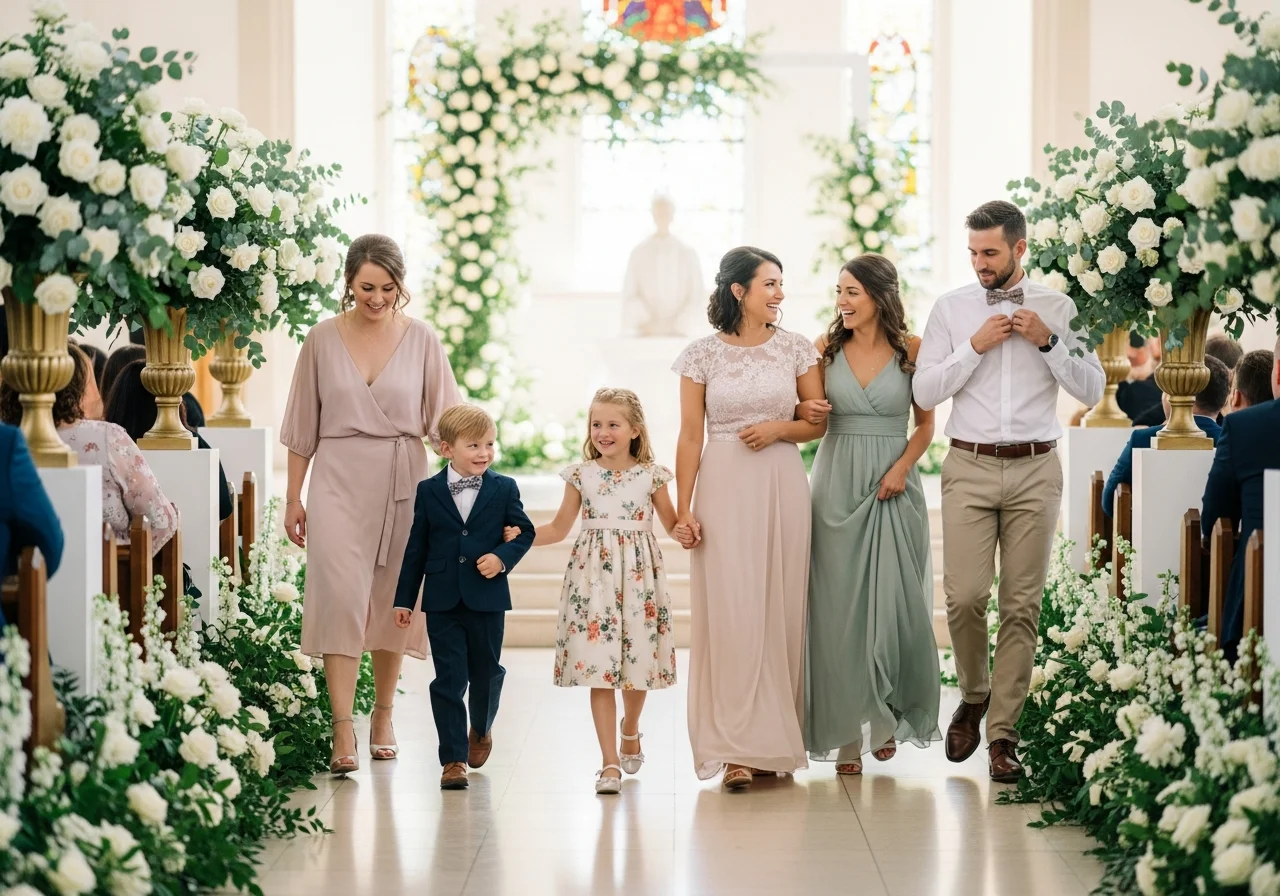
Walking down the aisle presents another opportunity to break from gender-based traditions. Instead of automatically pairing bridesmaids with groomsmen, consider alternative processional arrangements that feel more authentic.
You might have wedding party members walk individually, allowing each person their moment. Alternatively, pair people based on actual friendships rather than gender balance. If two of your attendants are close friends, let them walk together regardless of gender. Some couples even have their entire wedding party walk down together as a unified group.
Another beautiful option involves having all attendants enter from the side rather than processing down the aisle. This eliminates the need for pairing entirely while creating a streamlined, modern aesthetic. The most important consideration should be what feels natural and meaningful rather than what tradition dictates.
Design a Gender-Neutral Gift Strategy
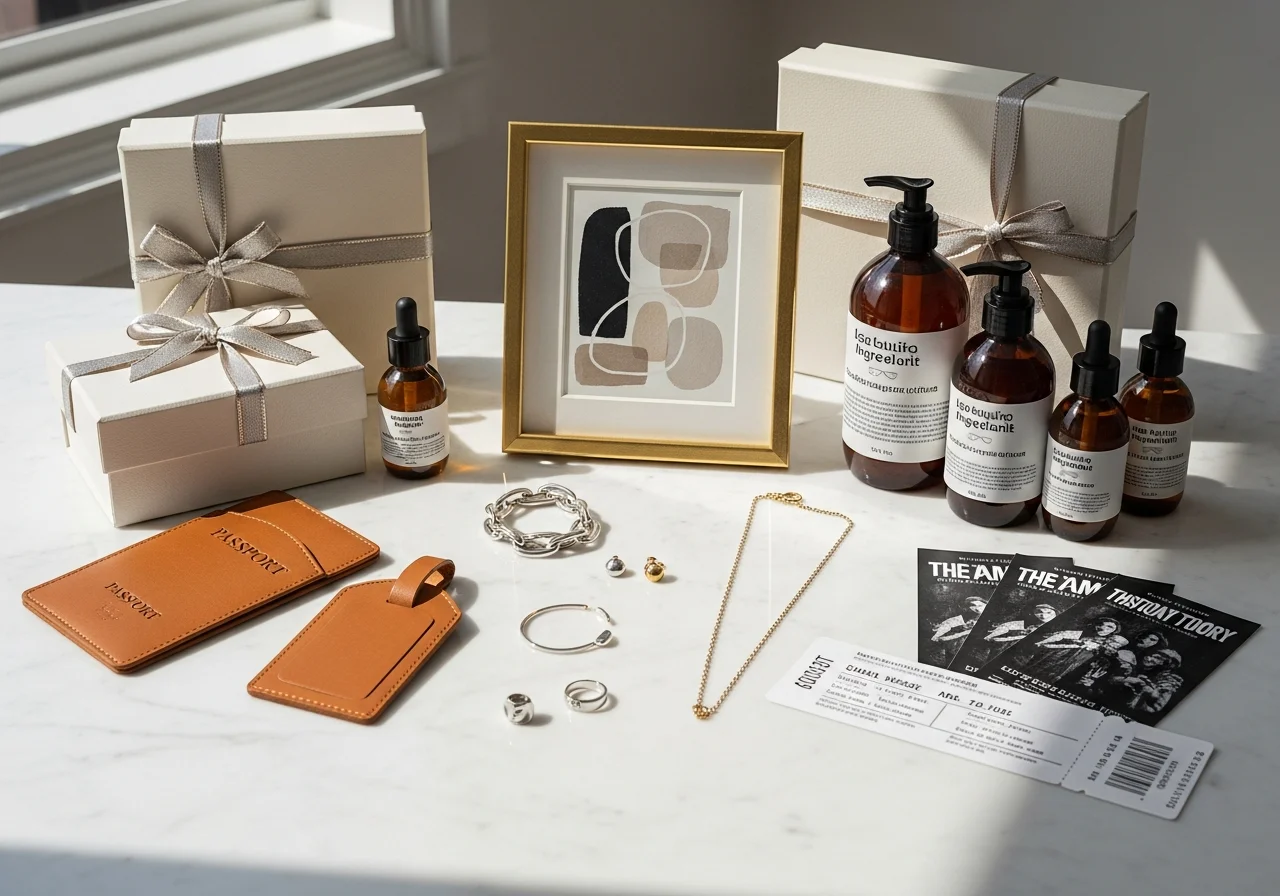
Gift-giving offers a chance to show appreciation while respecting individual preferences. Rather than selecting gifts based on gender assumptions, choose items that reflect each person’s actual interests and style.
Consider practical gifts like quality travel accessories, personalized jewelry that suits any gender, custom artwork, or experiences such as concert tickets or spa treatments. The goal is selecting something each person will genuinely use and appreciate rather than defaulting to gendered categories.
Some couples create a small budget and allow each attendant to choose their own gift from a curated selection. This approach ensures everyone receives something they truly want while maintaining a cohesive gesture of appreciation. Personalization based on individual relationships always resonates more deeply than one-size-fits-all gendered presents.
Establish a Flexible Dress Code
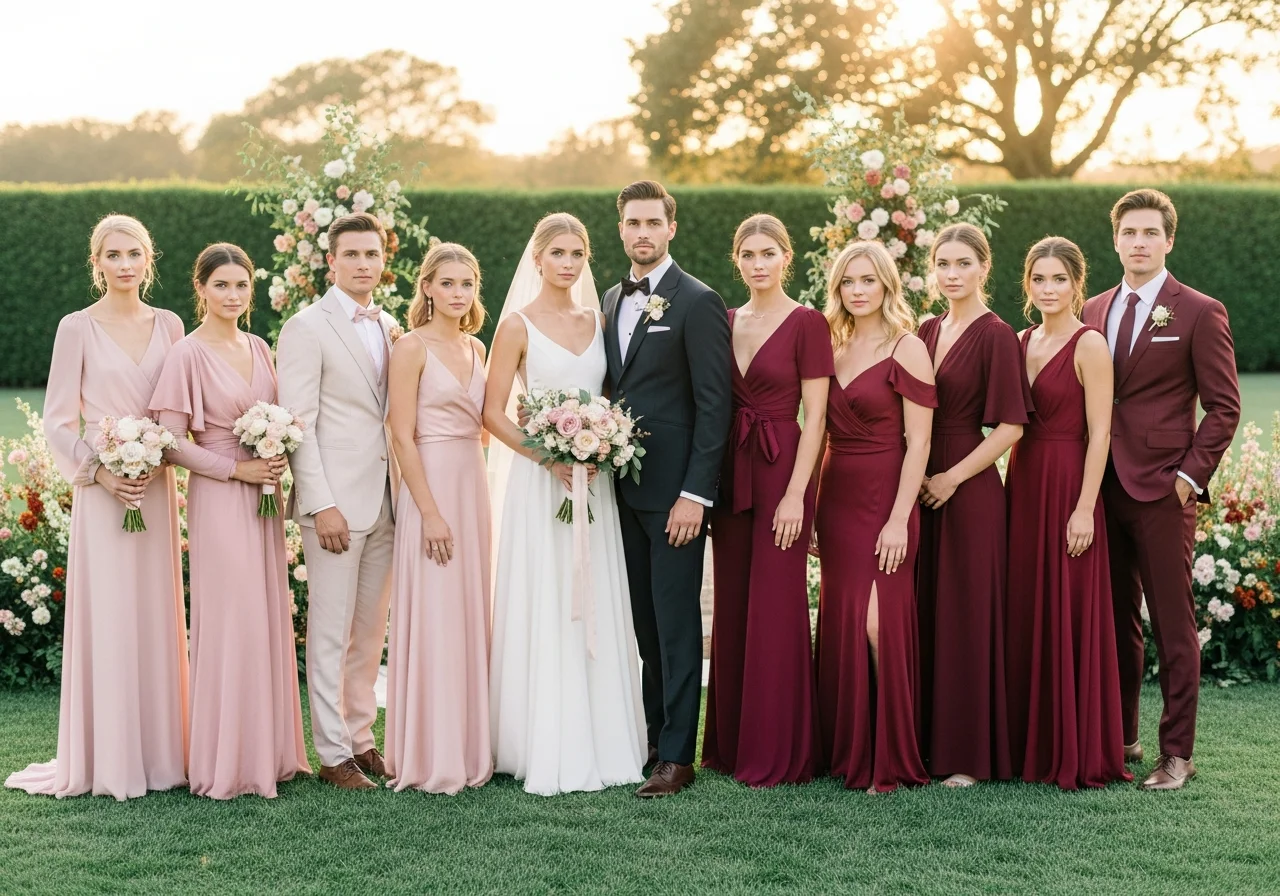
Creating an inclusive dress code means moving beyond binary categories while maintaining visual cohesion. Instead of specifying “bridesmaid dresses” or “groomsmen suits,” provide guidelines that work for everyone.
Consider setting a specific color palette with varying shades, allowing attendants to choose their preferred style within that range. Alternatively, specify a level of formality such as “cocktail attire” or “black tie” without dictating the type of garment. Some couples establish a mood board that captures the desired aesthetic through colors, textures, and styles rather than specific clothing types.
This flexibility allows people to wear what makes them feel confident while ensuring your wedding party looks coordinated. The resulting photos often appear more dynamic and interesting than uniformly matched groups. Most importantly, everyone can participate authentically without compromising their comfort or identity.
Include Children and Family Members Thoughtfully
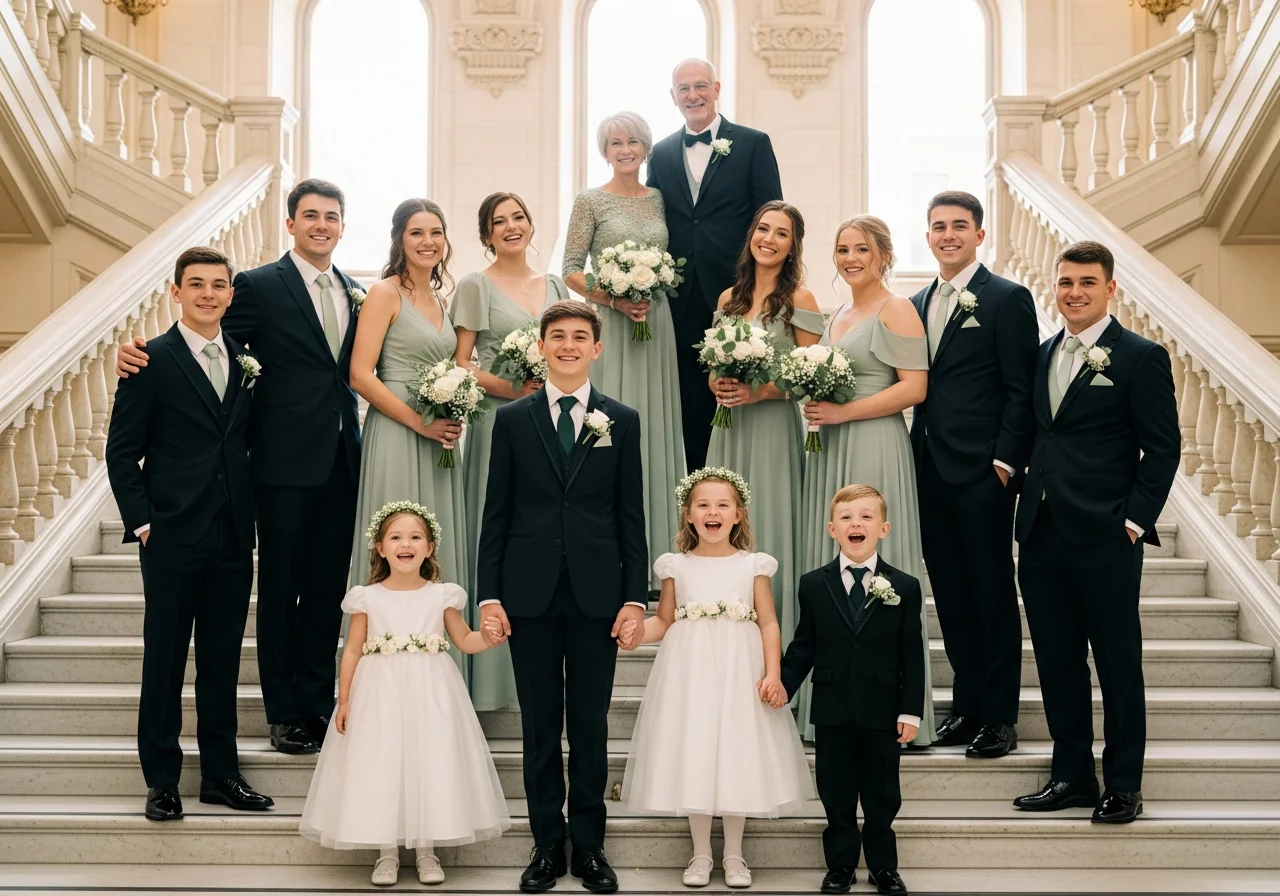
Traditional wedding parties often limit participation to adults, but including younger family members or children can add warmth and joy to your celebration. Consider creating special roles that acknowledge different ages and abilities.
Flower children, ring bearers, and junior attendants bring energy and sweetness to weddings. However, inclusion should extend beyond these traditional roles. Older children or teenagers might serve as full attendants if they hold important places in your life. Some couples include parents, siblings, or other family members in their wedding party when those relationships feel closest.
The key is being intentional about which children participate and how. Ensure that parents feel comfortable with the responsibilities and that children understand expectations appropriate to their age. When done thoughtfully, including family members across generations creates a celebration that honors your entire support system.
Organize Group Activities That Build Connection
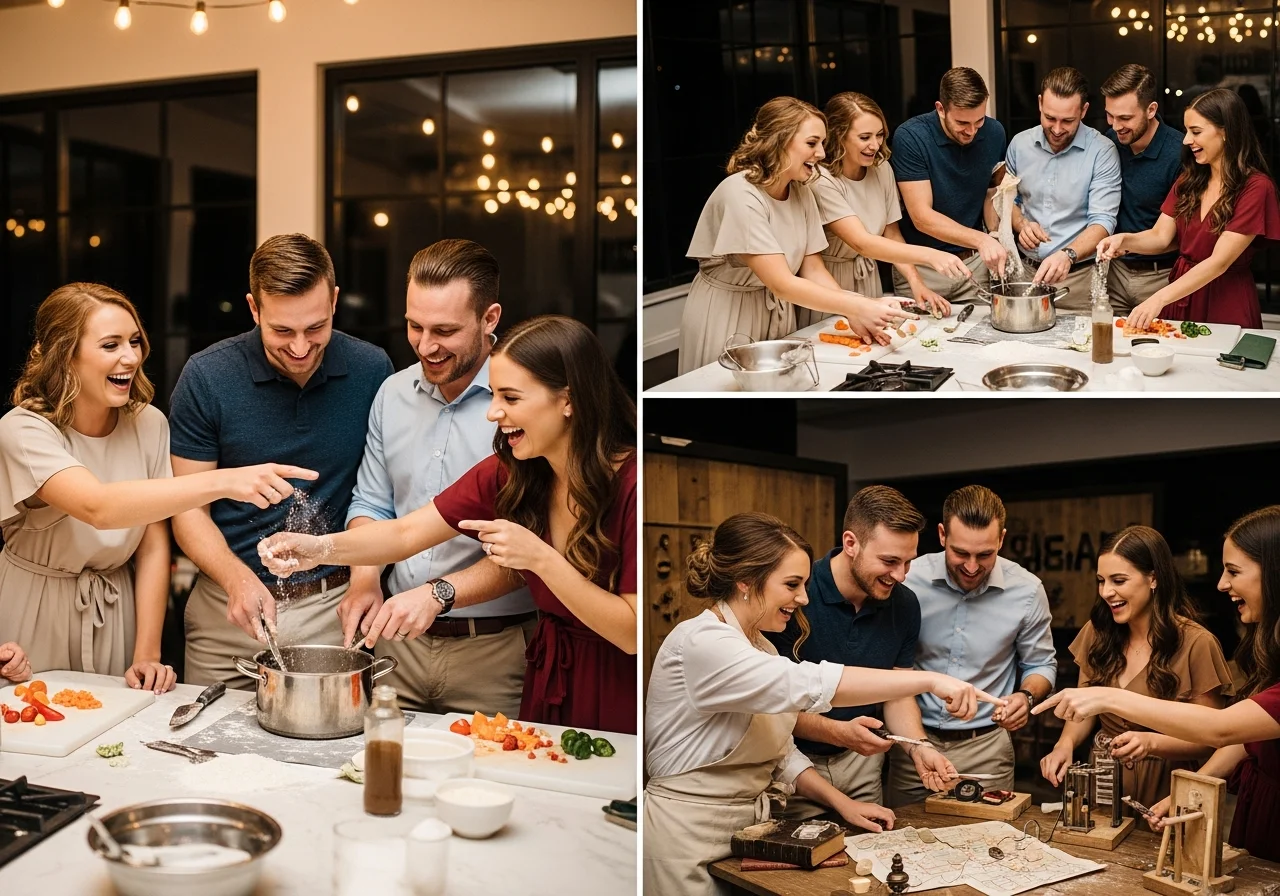
Rather than focusing solely on ceremonial duties, consider planning activities that help your wedding party bond before the big day. Shared experiences create memories and strengthen relationships between people who might not know each other well.
Options range from adventurous activities like escape rooms or scavenger hunts to relaxed gatherings like cooking classes, game nights, or food crawls. Choose activities that match your group’s interests and energy levels. The goal is creating opportunities for natural conversation and connection rather than forcing interaction.
These experiences serve multiple purposes. They help your wedding party feel more comfortable with each other, create positive memories associated with your wedding, and give you quality time with the people you care about most. The investment in these relationship-building moments often proves more valuable than expensive gifts or elaborate bachelor parties.
Respect Budget Limitations and Accessibility
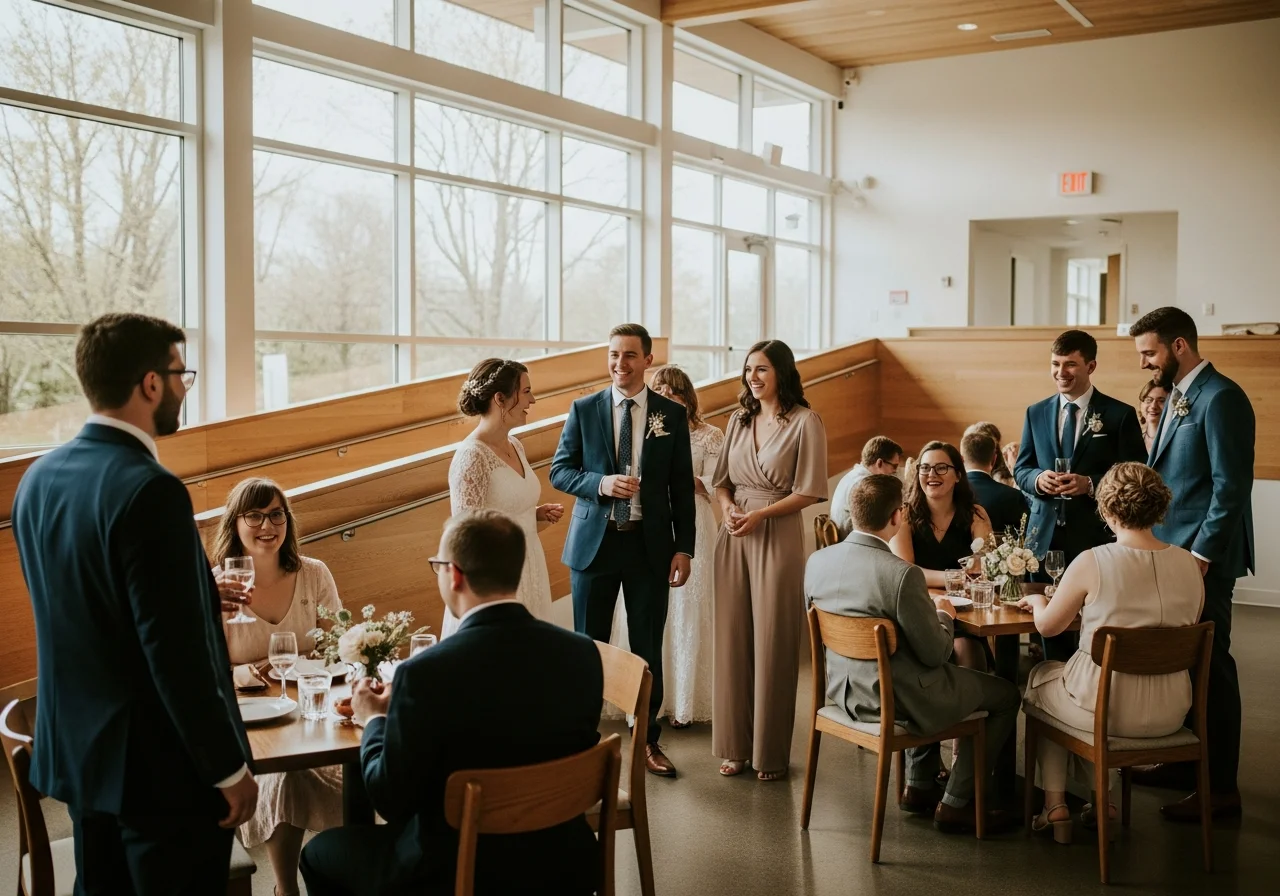
Inclusion means considering financial realities and physical accessibility. Traditional wedding party expectations can impose significant expenses on attendants, from outfits to travel costs, potentially excluding people who cannot afford these commitments.
Be transparent about expenses from the beginning. If possible, cover costs for wedding party attire or offer to help those facing financial constraints. Consider destination alternatives that minimize travel expenses or plan local celebrations that everyone can afford to attend. Some couples choose to have a smaller wedding party specifically to reduce financial burden on loved ones.
Similarly, ensure that all wedding party activities and responsibilities accommodate different physical abilities. Choose venues with accessibility features, plan activities that everyone can participate in, and communicate clearly about what events require. True inclusion means ensuring that no one feels left out due to circumstances beyond their control.
Create Alternative Roles for Close Friends
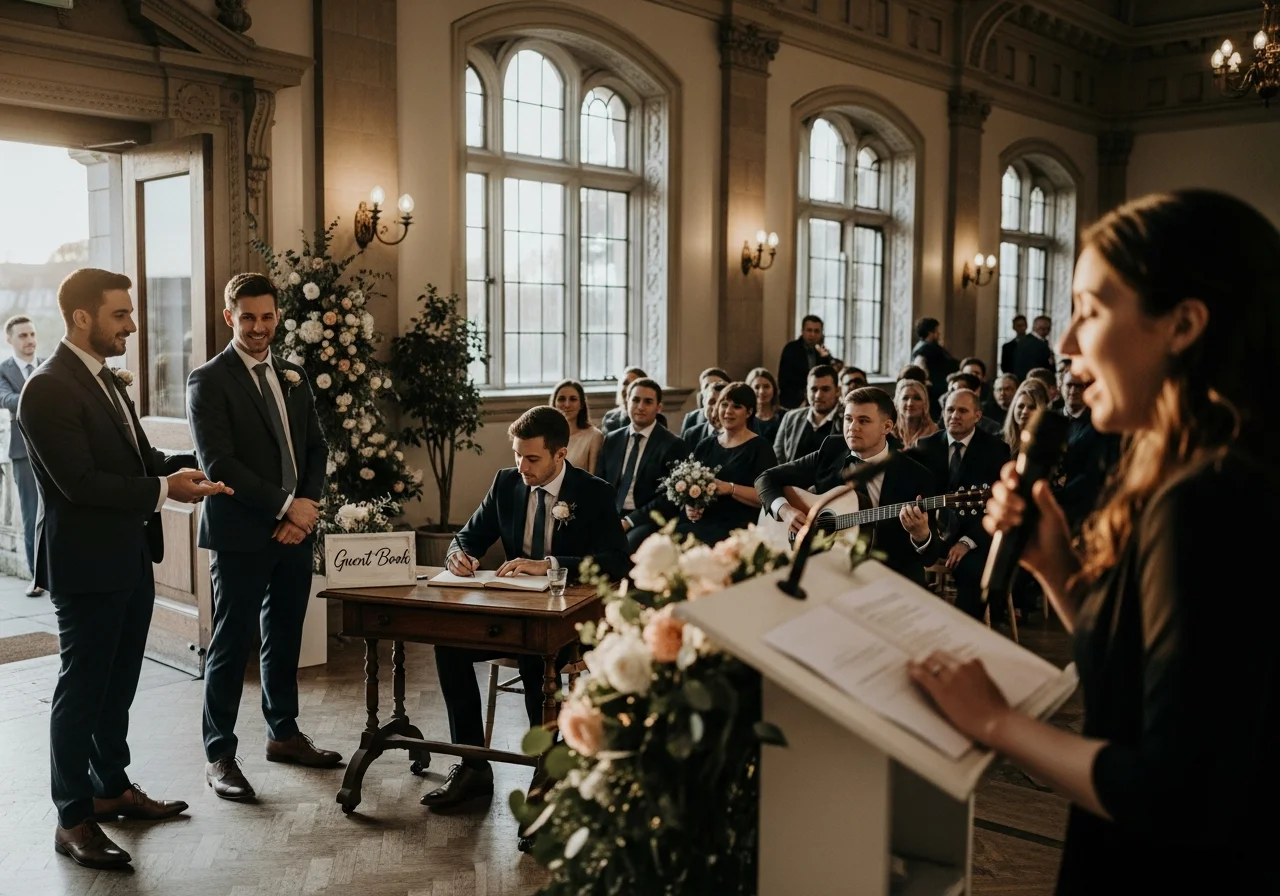
Not everyone you care about needs a formal wedding party position. Creating alternative ways to honor important relationships reduces pressure while maintaining meaningful inclusion.
Consider asking close friends to do readings during the ceremony, serve as ushers, coordinate guest book activities, or help with specific planning tasks they enjoy. Some couples designate a “getting ready crew” separate from the formal wedding party or invite additional friends to special planning events without official roles.
These alternatives work particularly well when you have many important relationships or want to avoid ranking friendships by formal position. They also provide options for people who want to support you but prefer not to stand at the altar. The variety of ways to participate ensures everyone can contribute in a manner that feels comfortable.
you may also like this http://trendydailyideas.com/how-to-throw-the-ultimate-y2k-bachelorette-sleepover-party-ideas/
Implement a Ring Warming Ceremony

For couples seeking a meaningful way to include all guests in their ceremony, a ring warming ritual offers a beautiful solution. This practice involves passing your wedding rings among guests during the ceremony, inviting each person to hold them briefly and offer silent blessings or good wishes.
The ring warming creates a tangible connection between you and everyone present. It transforms passive observers into active participants in your marriage commitment. When you finally exchange rings, they carry the collective support and love of your entire community.
This ritual proves especially powerful for smaller weddings where you want everyone to feel deeply involved. It requires minimal coordination but creates a profound sense of shared experience. The rings become infused with the energy and intention of all your loved ones, making the exchange even more meaningful.
Design an Inclusive Ceremony Script
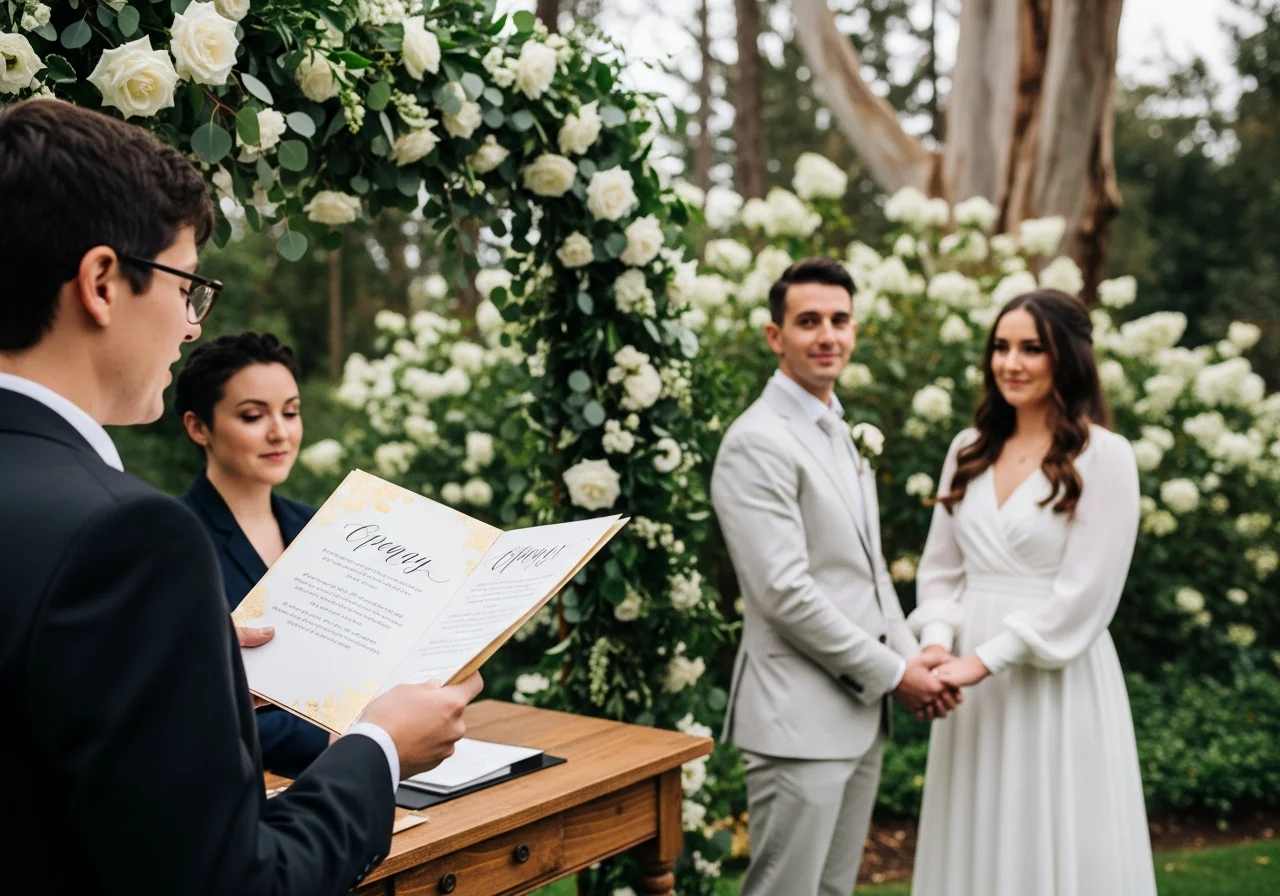
The language used during your ceremony powerfully affects how included everyone feels. Work with your officiant to create a script that reflects contemporary values and acknowledges diverse identities and relationships.
Replace gendered language where possible, opting for terms like “partner” or “spouse” rather than assuming husband and wife. If you include a group vow where guests pledge support for your marriage, phrase it inclusively so all relationship types feel recognized. Acknowledge that families come in many forms and that love transcends traditional categories.
Some couples include explicit statements about their values regarding inclusion and diversity during their ceremony. While not necessary, these moments can be powerful, especially when your guest list includes people from different backgrounds or beliefs. The ceremony sets the tone for your entire celebration, so ensuring it feels welcoming matters tremendously.
Skip the Wedding Party Entirely
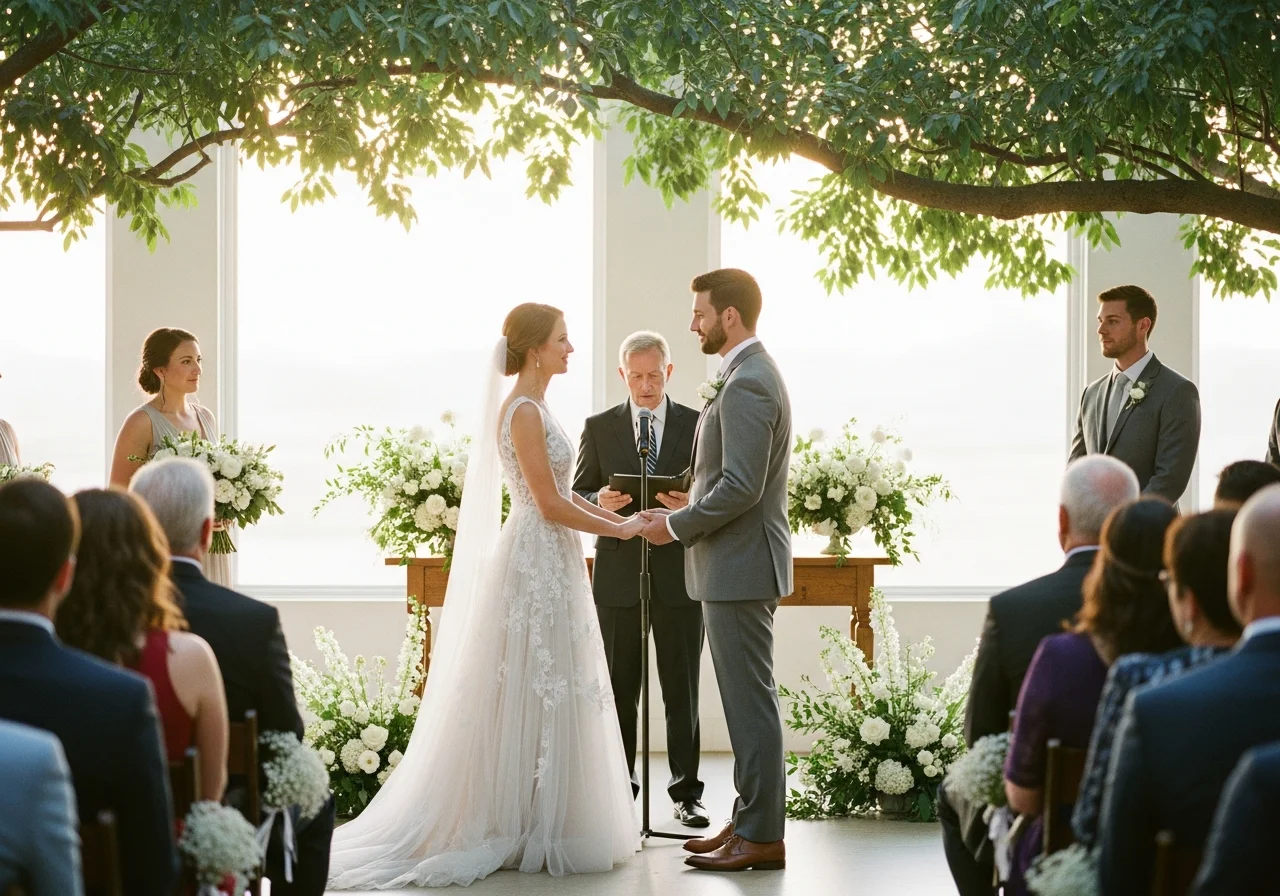
Perhaps the most inclusive option involves forgoing a formal wedding party altogether. This choice eliminates the pressure of selecting and ranking friendships while simplifying logistics considerably.
Without a wedding party, you avoid the costs, coordination challenges, and potential drama that sometimes accompany these roles. You can still have a maid of honor or best person to support you directly without creating an entire formal structure. Your closest friends can help with planning, attend special events, and get ready with you on the wedding day without official designation.
This approach works particularly well for couples with complicated friend dynamics, those uncomfortable with formal hierarchies, or people who simply prefer a more relaxed celebration. You might feel liberation in realizing that eliminating the wedding party structure doesn’t diminish your friendships or make your wedding less special.
Establish a Sweetheart Table Instead of a Head Table
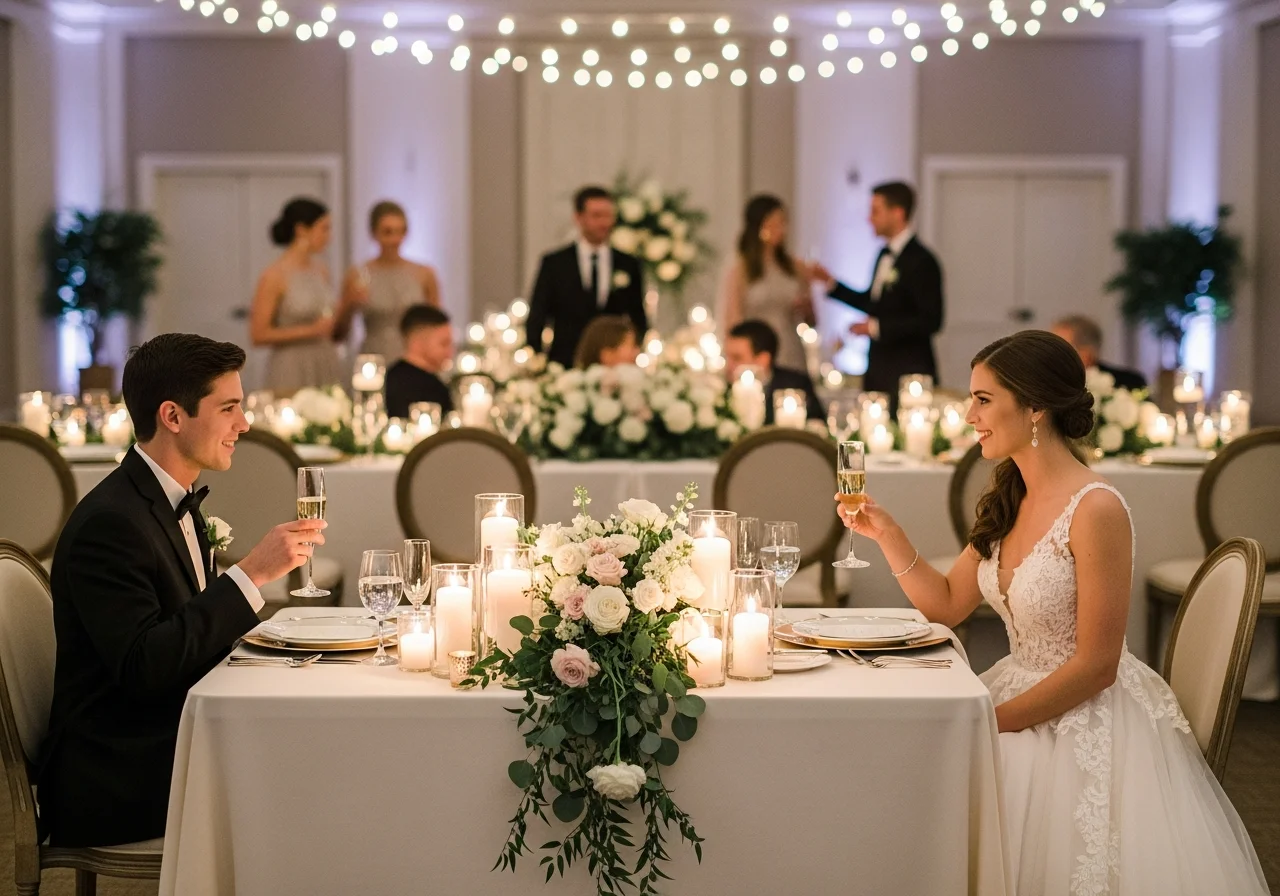
Seating arrangements significantly impact how included various people feel. Traditional head tables with paired wedding party members can feel awkward, especially with uneven numbers or mixed-gender groups.
A sweetheart table for just the couple offers an elegant alternative. This arrangement gives you intimate moments together during dinner while allowing wedding party members to sit with other guests, spouses, or friends. It creates a more relaxed atmosphere and eliminates the pressure of formal seating charts.
If you prefer having your closest people nearby, consider a king’s table arrangement where the wedding party sits together at one long table in a less formal configuration. Some couples designate multiple tables near the front for wedding party members and their guests. The goal is creating seating that feels natural rather than forced by tradition.
Communicate Openly About Expectations

Perhaps the most important element of an inclusive wedding party involves clear, honest communication from the start. Transparency about expectations, costs, and time commitments allows people to participate authentically without resentment.
When asking someone to be in your wedding party, explicitly outline what you hope they’ll contribute. Discuss financial expectations, required events, and any other responsibilities. Make it clear that declining is acceptable if the commitment doesn’t work for them. This honesty prevents misunderstandings and ensures that everyone who accepts does so enthusiastically.
Continue this open communication throughout the planning process. Check in regularly about how people are feeling, address concerns promptly, and remain flexible when circumstances change. Remember that while your wedding is incredibly important to you, your wedding party members have full lives with their own priorities. Respecting their time and energy demonstrates that you value them as whole people, not just wedding props. you may also like this https://engine.com/business-travel-guide/bachelorette-party-ideas
Conclusion
Creating an inclusive bridal party requires intentionality, flexibility, and willingness to challenge traditional wedding norms. The fifteen ideas presented here offer starting points for building a celebration that honors authentic relationships rather than outdated conventions. Whether you choose to reimagine traditional roles, create alternative ways to include loved ones, or eliminate formal wedding party structures entirely, the most important principle remains constant: prioritize genuine connection over prescribed tradition.
Your wedding should reflect who you actually are and the relationships that truly matter to you. By embracing inclusive practices, you create space for all your loved ones to participate authentically. This approach reduces stress, eliminates unnecessary drama, and results in a celebration where everyone feels genuinely valued.
The weddings that resonate most deeply are those where couples have the courage to design experiences that feel true to their values. Inclusion isn’t just about being politically correct or following trends. It’s about recognizing the beautiful diversity within your community and creating a celebration that honors every person’s worth and dignity. When you make inclusion a priority, you don’t just plan a better wedding. You model the kind of world you want to live in and the kind of marriage you hope to build.
As you plan your own wedding, remember that there are no rules you must follow. The ideas shared here can be adapted, combined, or used as inspiration for entirely new approaches. Trust your instincts about what feels right for you and your partner. Consult with your closest friends about what would make them feel most included. The conversations you have while planning may deepen your relationships in unexpected ways.
Your wedding day will pass quickly, but the relationships you nurture throughout the planning process will continue for years. By approaching your bridal party with thoughtfulness, creativity, and genuine inclusivity, you lay a foundation not just for a beautiful wedding but for a lifetime of meaningful connections. That’s a gift far more valuable than any perfectly coordinated photo or flawlessly executed tradition.
Frequently Asked Questions
Q: Do I have to have equal numbers of attendants on each side?
A: Absolutely not. Uneven wedding parties are increasingly common and create no problems for ceremonies or photos. Choose the people closest to you regardless of numbers and work with your photographer to create balanced compositions through creative posing rather than forcing equal sides.
Q: How do I tell someone I can’t include them in my wedding party?
A: Be honest and kind. Explain that you’re keeping your wedding party small or have already made selections. Emphasize that they’re still important to you and consider offering alternative ways they can participate. Most people understand that wedding party size limitations don’t reflect friendship value.
Q: What if my family objects to my inclusive wedding party choices?
A: Your wedding should reflect your values, not others’ expectations. Have calm, firm conversations about your decisions. You might explain your reasoning, but you’re not obligated to defend choices about your own celebration. Set clear boundaries about what’s negotiable and what isn’t.
Q: Can I have a large wedding party without it feeling overwhelming?
A: Yes, with proper planning. Designate a point person to coordinate communication, use group messaging apps to share information efficiently, and be clear about which events are mandatory versus optional. Consider breaking a large group into smaller teams for specific tasks to maintain manageability.
Q: How much should I expect my wedding party to spend?
A: This varies widely, but communication is key. Discuss expectations upfront and consider covering major expenses like attire if possible. Many attendants spend between three hundred to eight hundred dollars total, but this depends heavily on your specific requirements and location. Be sensitive to different financial situations within your group.