Best Travel Accessories for Long Flights
Best travel accessories for long flights can transform exhausting long-haul journeys into comfortable, manageable experiences. Whether you are embarking on a transcontinental business trip or heading to an exotic vacation destination, spending eight hours or more in an aircraft cabin presents unique challenges. The cramped seating, recycled air, limited movement, and disrupted sleep patterns can transform even the most exciting journey into an ordeal. However, with the right travel accessories, you can significantly improve your comfort level and arrive at your destination feeling refreshed rather than depleted.
When chosen wisely, the best travel accessories for long flights help reduce fatigue, improve circulation, and support better sleep at 35,000 feet. The difference between a miserable flight and a tolerable one often comes down to preparation. Experienced travelers understand that investing in quality accessories is not about luxury but about maintaining physical health and mental well-being during extended periods in the air. From managing circulation issues to ensuring you can rest properly, the right items can address the specific problems that long flights create. This comprehensive guide explores the essential accessories that will transform your next long-haul journey into a more pleasant experience.
Essential Comfort Items for Long Flights
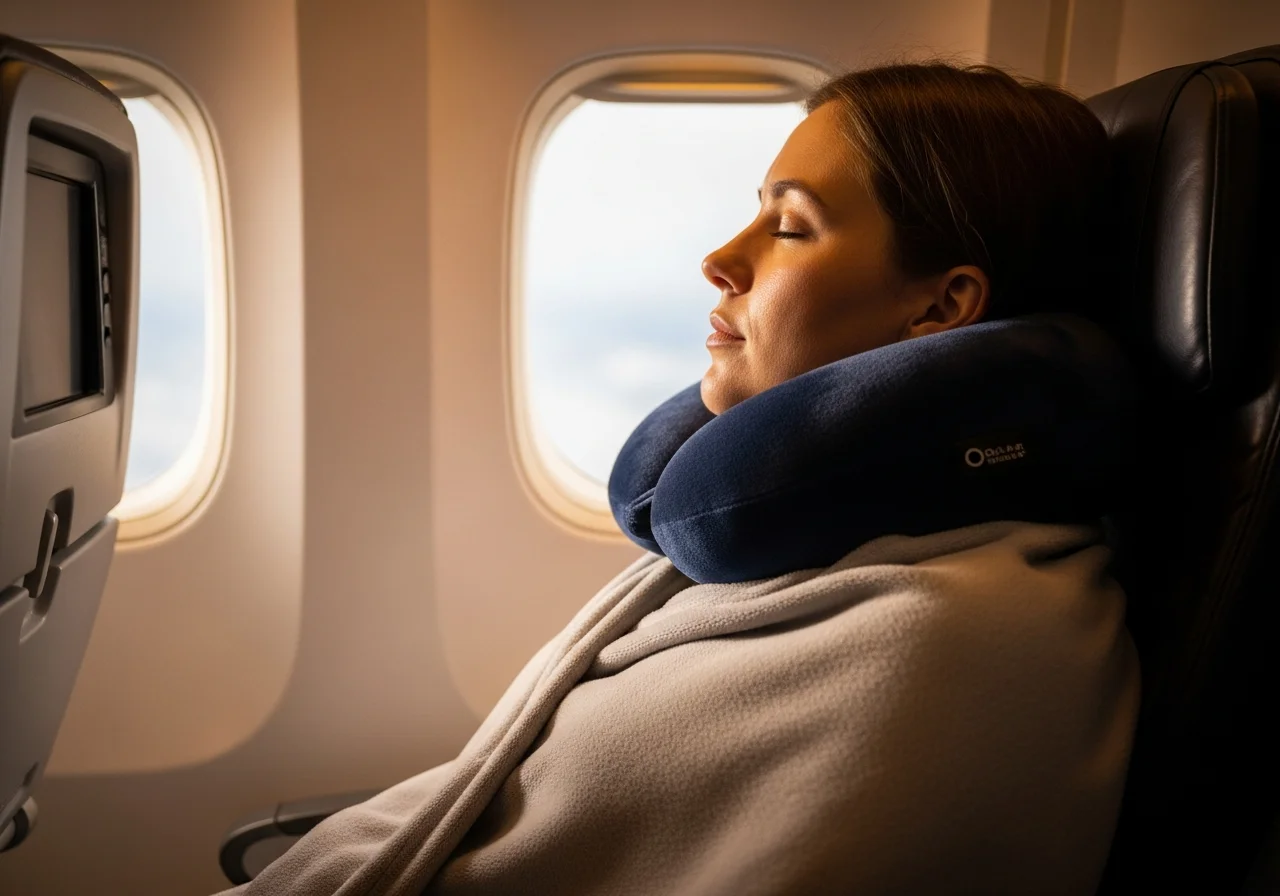
Comfort should be your primary concern when preparing for a long flight. The human body was not designed to remain seated in a confined space for hours on end, and without proper support, you will likely experience stiffness, pain, and general discomfort.
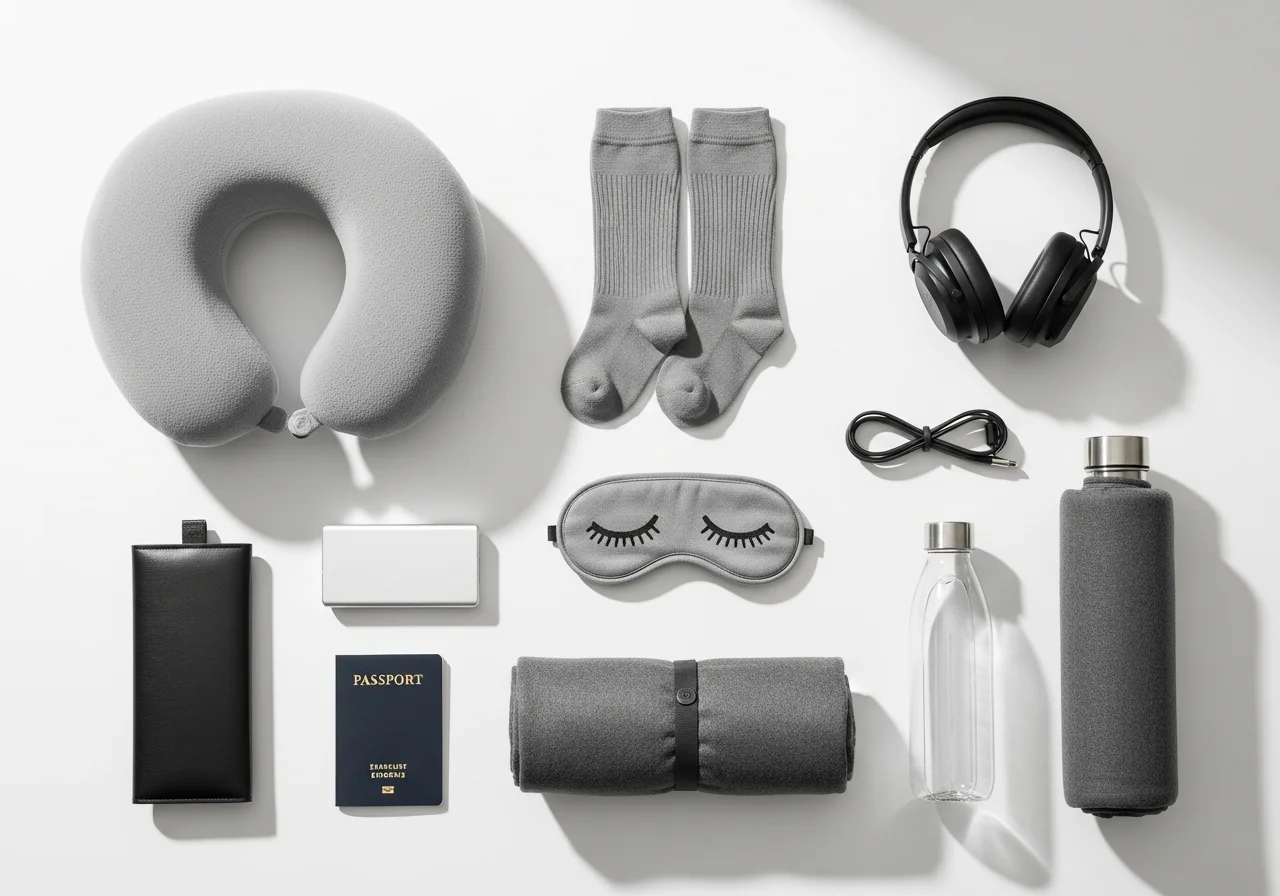
A quality neck pillow stands as perhaps the most crucial comfort accessory for any long flight. Unlike the basic U-shaped pillows that many travelers use, advanced memory foam options provide superior support by conforming to your neck’s natural curvature. Some designs feature adjustable straps that prevent your head from falling forward during sleep, while others incorporate cooling gel technology to prevent overheating. The investment in a premium neck pillow pays dividends when you wake up without the neck strain that typically accompanies airplane sleep.
Travel blankets represent another essential comfort item that many passengers overlook. Aircraft cabins maintain cool temperatures, and the thin blankets provided by airlines often prove inadequate for maintaining comfortable body temperature during rest. A compact, lightweight travel blanket made from materials like microfiber or merino wool can compress into a small carrying case while providing substantial warmth. Some innovative designs convert into ponchos or incorporate pockets for storing other small items.
Maintaining Circulation and Physical Health
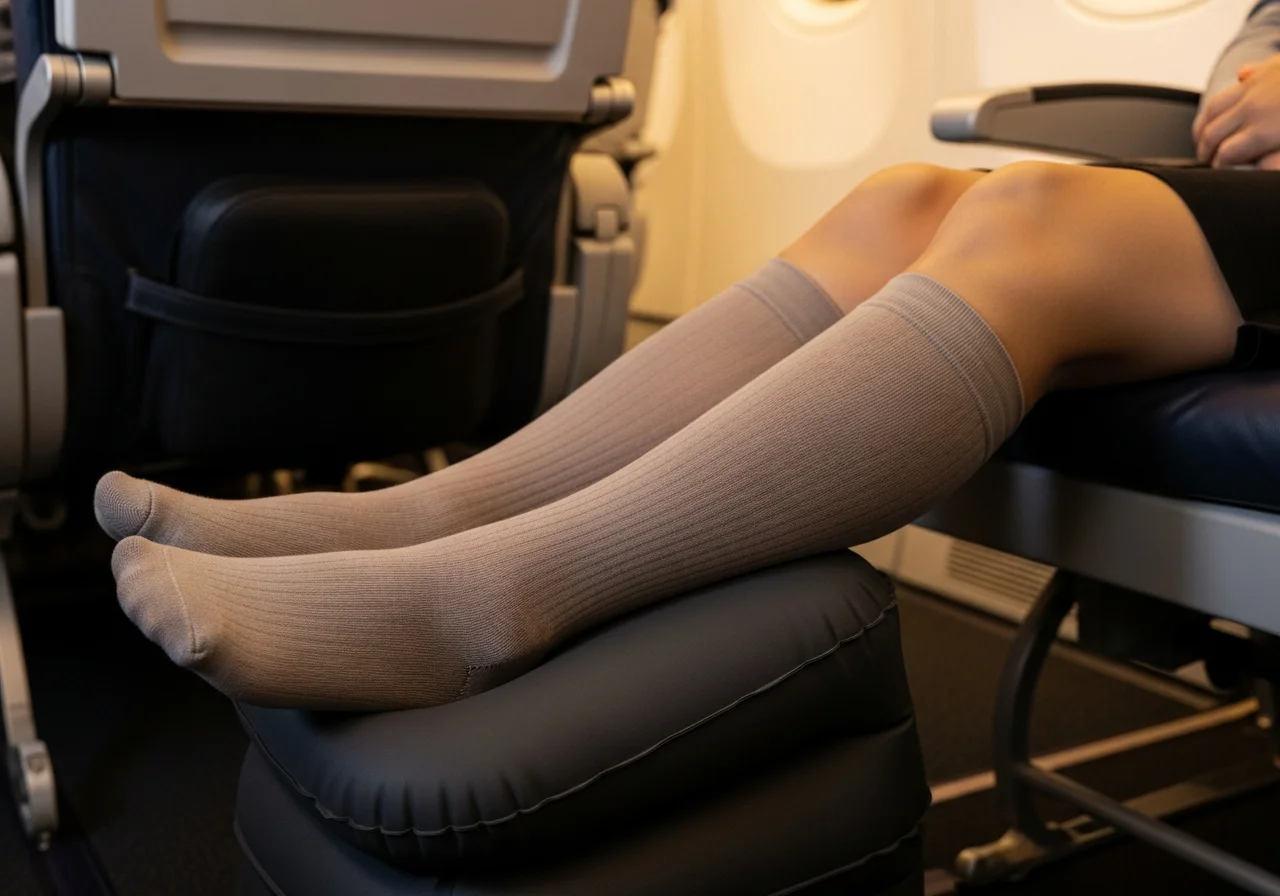
Long periods of immobility during flights pose genuine health risks, particularly concerning deep vein thrombosis and general circulation problems. Compression socks have evolved from medical necessity to standard travel accessory for good reason. These specially designed socks apply graduated pressure to your legs, promoting blood flow and reducing swelling during extended sitting periods. Medical studies have demonstrated their effectiveness in preventing blood clots, making them essential rather than optional for flights exceeding six hours.
A portable footrest changes the ergonomics of your seating position dramatically. Most airplane seats force your feet to dangle or rest flat on the floor, creating pressure points and restricting circulation. An inflatable or foldable footrest elevates your feet to a more natural position, reducing lower back strain and improving overall comfort. Some models attach directly to the tray table, while others rest independently on the floor. This simple accessory can prevent the leg swelling and discomfort that makes post-flight walking difficult.
Lumbar support cushions address another common complaint among long-distance travelers. The seats on most commercial aircraft lack adequate lower back support, leading to discomfort and pain that can persist for days after landing. A small, firm cushion placed at the small of your back maintains your spine’s natural curve and prevents the slouching that causes muscle strain. Memory foam options with adjustable straps stay in position throughout the flight, providing consistent support even during sleep.
Technology and Entertainment Essentials
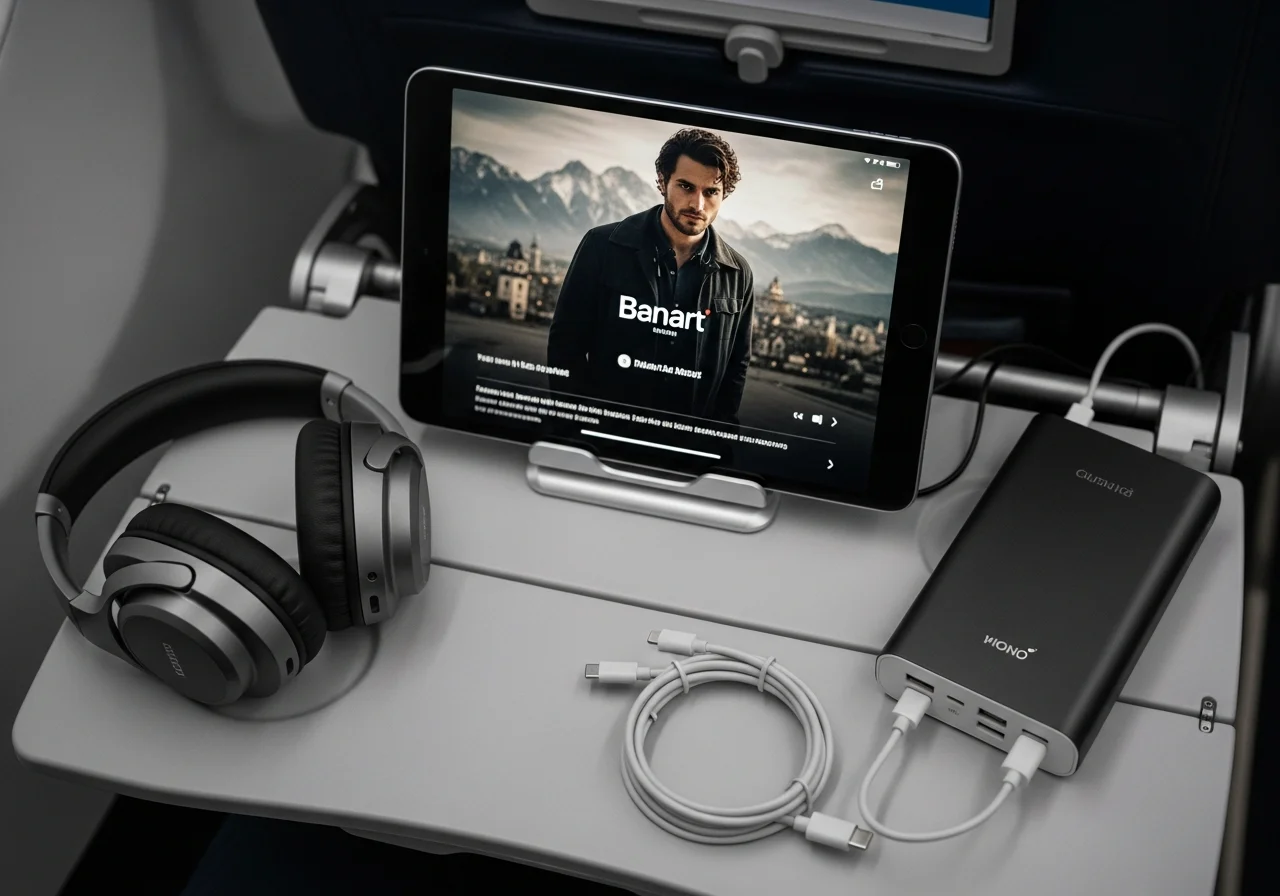
Keeping yourself entertained and connected during long flights requires careful planning and the right accessories. Noise-cancelling headphones have transitioned from luxury items to essential gear for frequent travelers. Quality models eliminate the constant drone of aircraft engines, the crying of nearby children, and the conversations of other passengers. This technology allows you to focus on your entertainment choices, work, or rest without distraction. Over-ear designs typically provide superior sound quality and noise cancellation compared to in-ear alternatives, though they occupy more space in your carry-on luggage.
Portable power banks ensure your devices remain functional throughout even the longest journeys. While many modern aircraft include USB charging ports, these are not universal, and their charging speed often disappoints. A high-capacity power bank with multiple ports allows you to charge your smartphone, tablet, e-reader, and other devices without depending on aircraft power systems. Look for models with at least 20,000 mAh capacity to handle multiple device charges during transcontinental or international flights.
Tablet holders or phone stands free your hands during entertainment consumption. Holding a device for hours leads to arm fatigue and awkward positioning. A compact stand that attaches to your tray table or clips onto the seat back pocket allows comfortable viewing angles for movies, reading, or work. Some designs fold flat for easy packing and adjust to accommodate different device sizes.
Sleep and Rest Optimization
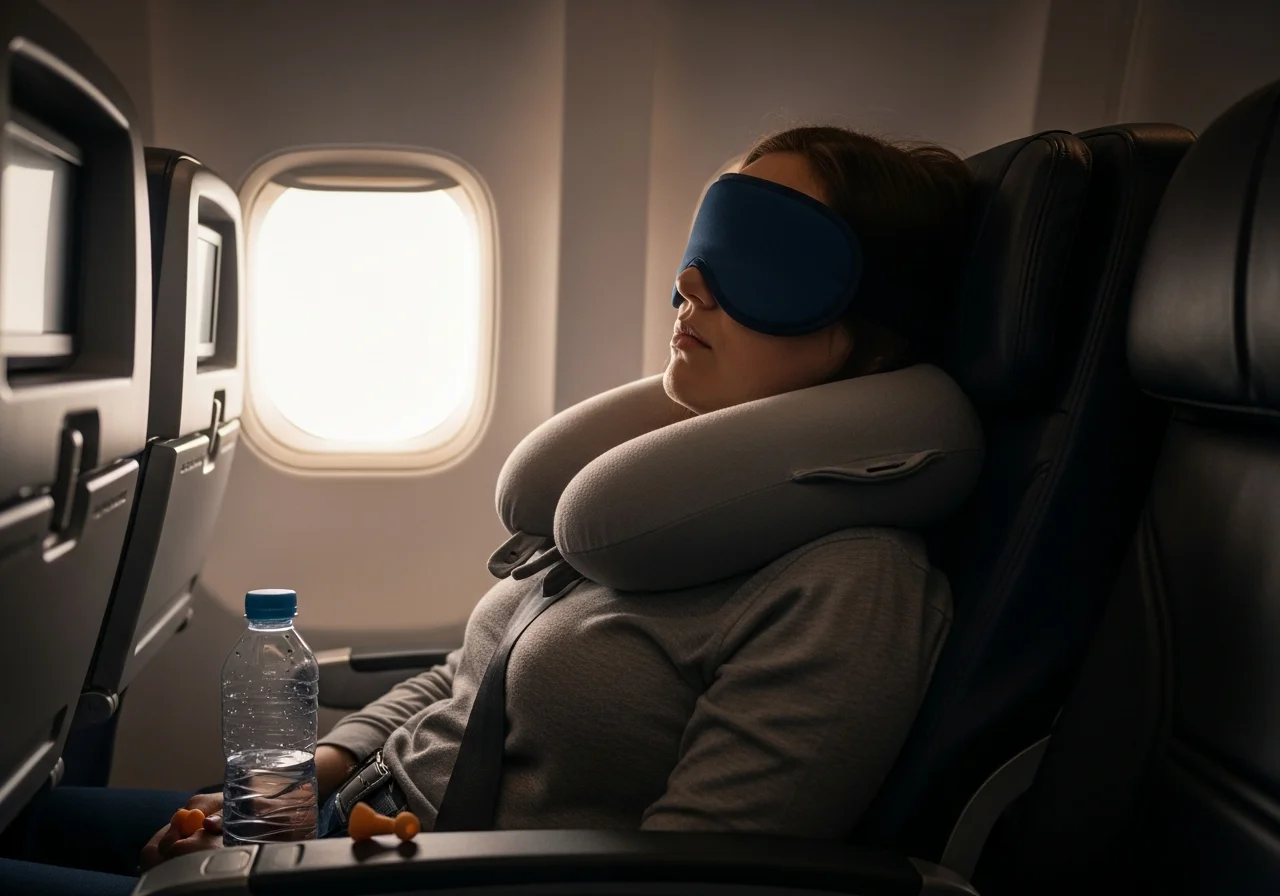
Achieving quality sleep during flight can seem impossible, but the right accessories significantly improve your chances. A high-quality eye mask blocks cabin lighting, screen glare from other passengers, and the sunrise that inevitably streams through windows on eastbound flights. Look for contoured designs that prevent pressure on your eyes while blocking light completely. Some advanced models incorporate cooling gel or aromatherapy pockets to enhance relaxation.
Earplugs or noise-reducing earbuds complement your eye mask for creating a sensory-reduced environment conducive to sleep. Even with noise-cancelling headphones available, some travelers prefer the simplicity and comfort of foam earplugs or silicone options that mold to ear canals. Combining earplugs with an eye mask signals to your body that it is time to rest, helping overcome the unnatural environment of an aircraft cabin.
Sleeping aids extend beyond traditional pillows and masks. Innovative products like portable white noise machines provide consistent, soothing sounds that mask disruptive cabin noises. Some travelers swear by lavender sachets or aromatherapy roll-ons that promote relaxation without disturbing fellow passengers. The key is finding combinations that work for your personal sleep preferences.
Hydration and Skincare Essentials
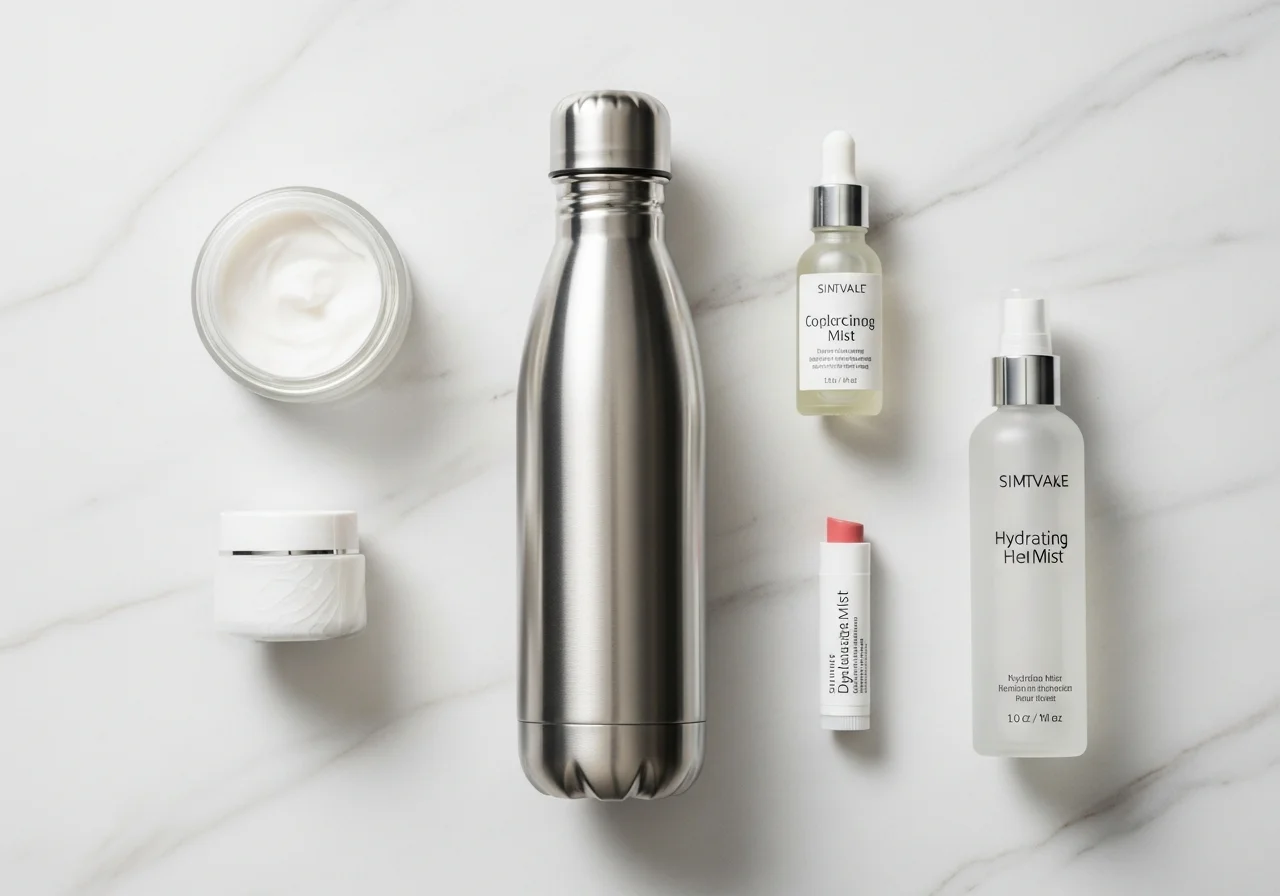
The extremely low humidity in aircraft cabins creates conditions drier than most deserts. This environment rapidly dehydrates your body and damages your skin. A reusable water bottle with a capacity of at least 20 ounces helps you maintain proper hydration throughout your flight. Fill it after passing through security and request refills from flight attendants regularly. Proper hydration combats fatigue, reduces jet lag symptoms, and prevents the headaches that often accompany air travel.
Moisturizers and hydrating serums become essential rather than optional on long flights. Apply a rich, preferably fragrance-free moisturizer before boarding and reapply every few hours during flight. Pay particular attention to areas prone to dryness like hands, lips, and the area around your eyes. Small travel-sized containers ensure you can bring adequate supplies while complying with liquid restrictions.
Lip balm prevents the painful cracking that dry cabin air causes. Choose formulas with ingredients like beeswax, shea butter, or coconut oil that provide lasting moisture protection. Avoid products containing menthol or camphor, which can further dry delicate lip tissue despite their temporary soothing sensation.
Organization and Accessibility Solutions
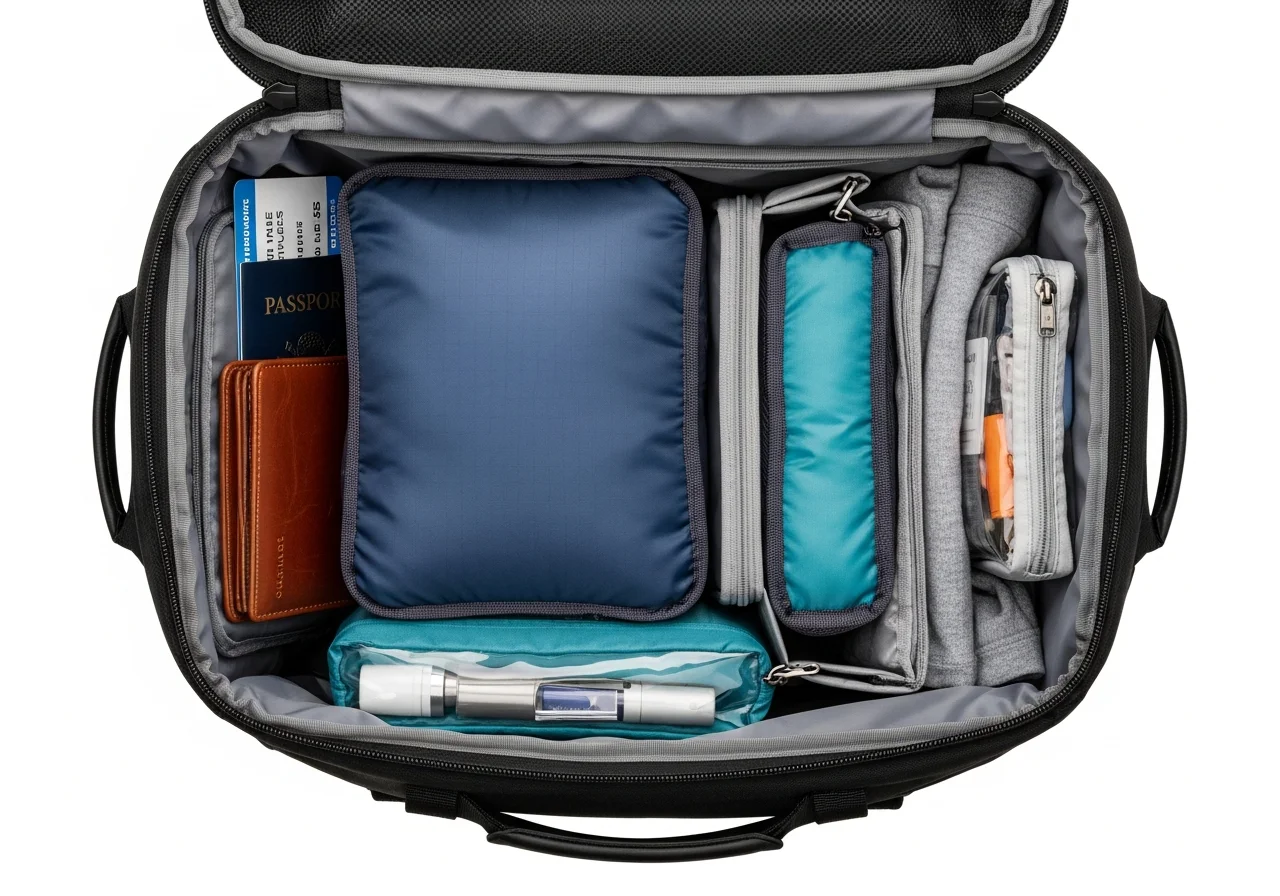
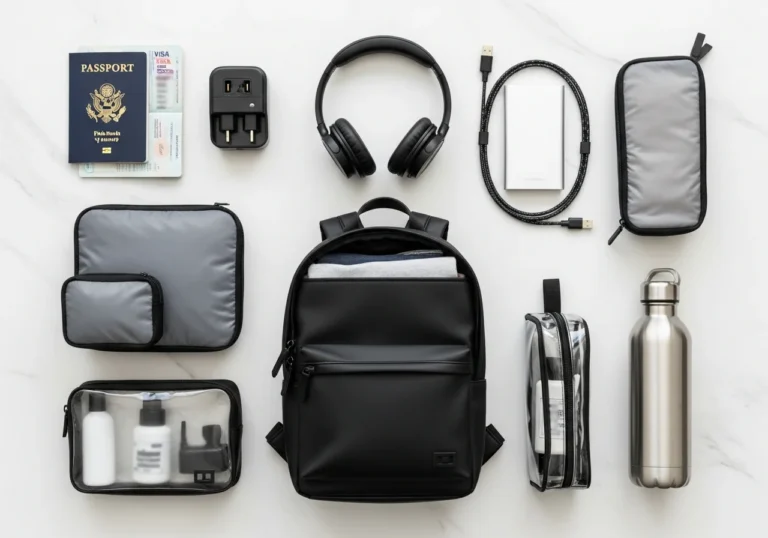
Efficient organization prevents frustration and ensures you can access necessary items without disturbing fellow passengers. A well-designed personal item bag or backpack specifically configured for air travel makes tremendous difference. Look for designs with multiple compartments that allow you to separate electronics, documents, comfort items, and snacks for quick retrieval.
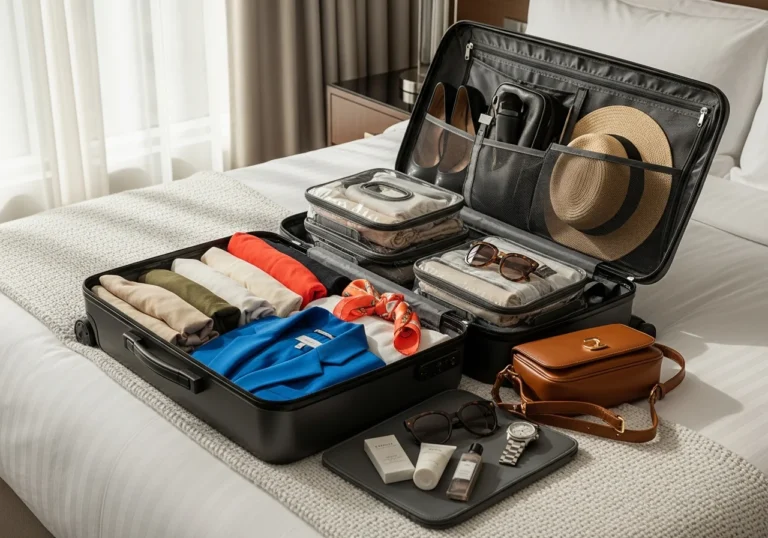
Packing cubes help compress clothing and organize items within your carry-on luggage. While their primary purpose serves general packing efficiency, they prove particularly valuable during long flights when you might need to access specific items like a change of clothes or fresh layers. Clear or mesh designs allow you to identify contents without opening each cube.
A passport holder or travel wallet keeps all essential documents, boarding passes, credit cards, and currency organized and accessible. Choose designs with RFID-blocking technology to protect against electronic theft. Multiple compartments allow you to separate different currencies and keep receipts organized for business travel.
Health and Wellness Accessories
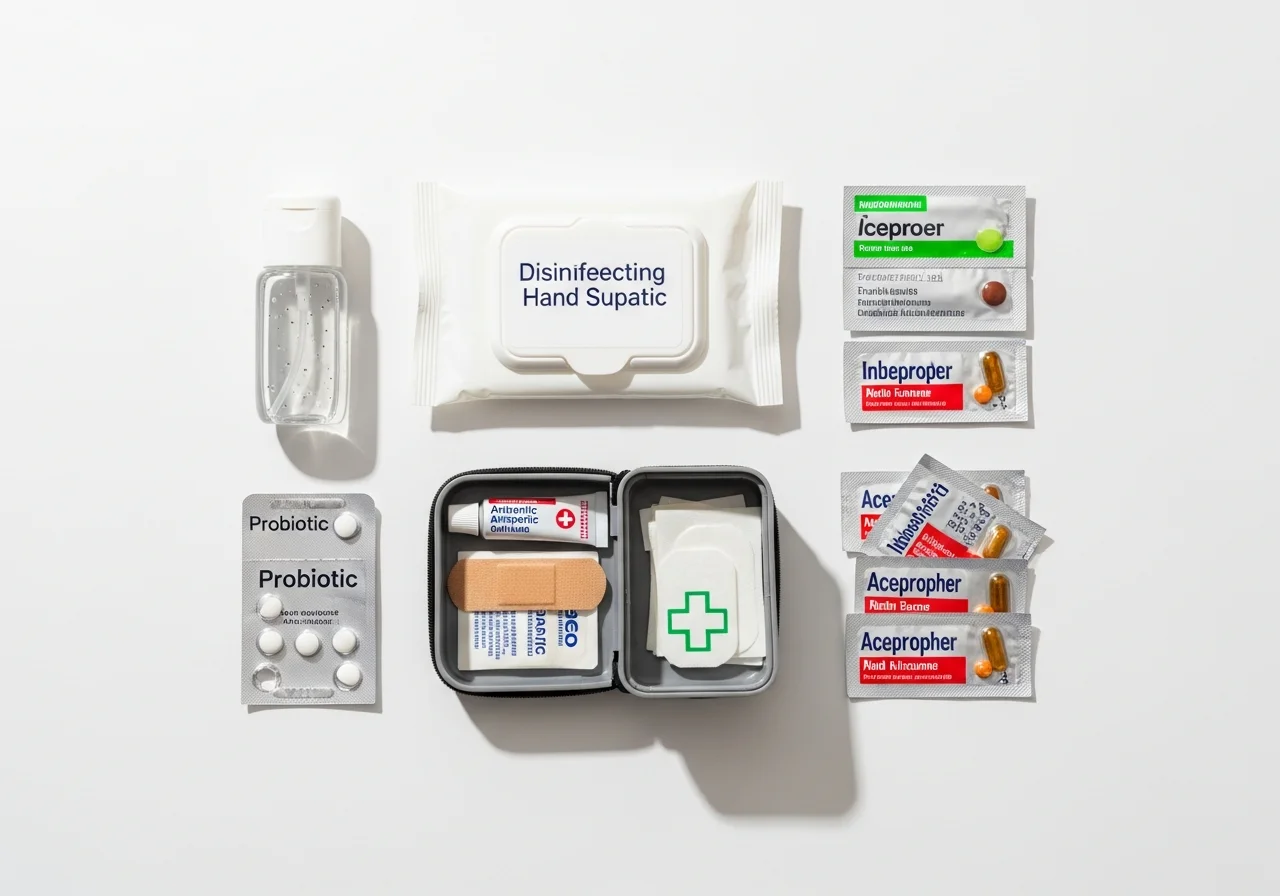
Hand sanitizer and disinfecting wipes have become non-negotiable travel accessories. Aircraft cabins harbor numerous germs on tray tables, armrests, and touchscreens. Thoroughly wipe down your seating area upon boarding and use hand sanitizer regularly, particularly before eating. Travel-sized bottles comply with security regulations while providing adequate supply for long journeys.
A small first-aid kit tailored to air travel addresses common ailments that can arise during flight. Include pain relievers for headaches, antacids for digestive discomfort, motion sickness medication, and any prescription medications you require. Individual packets take up minimal space while providing peace of mind.
Probiotics and digestive enzymes help your body process airplane food and maintain gut health despite disrupted eating schedules. The combination of stress, unfamiliar foods, and altered meal timing often causes digestive problems during travel. Preventive supplementation can minimize these issues.
Entertainment and Productivity Tools
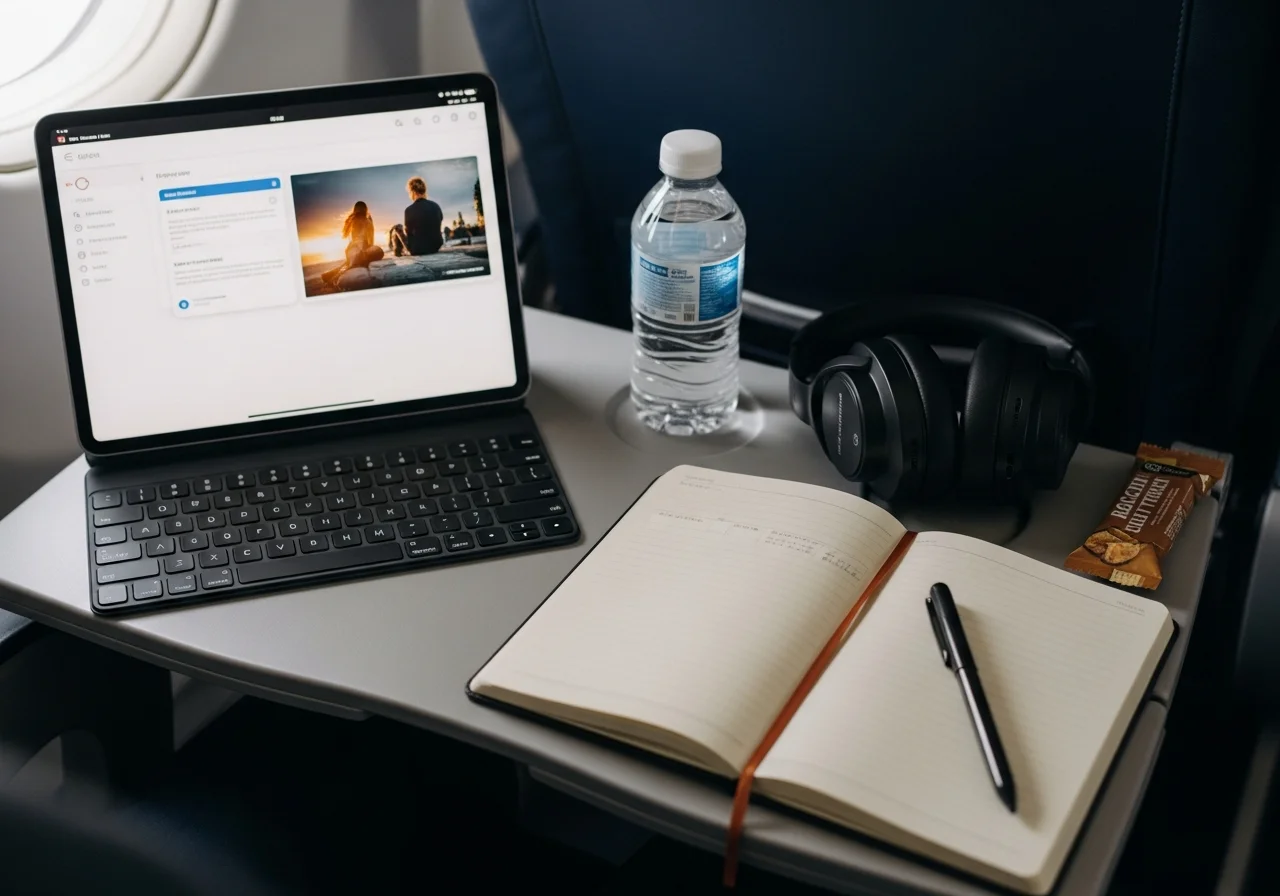
Beyond electronic devices, traditional entertainment options provide screen-free alternatives that reduce eye strain. A quality book, whether physical or on an e-reader, offers engagement without the blue light that disrupts sleep patterns. Puzzle books, journals, or sketchpads provide creative outlets during long flights.
Productivity travelers benefit from accessories that enable work at 35,000 feet. A wireless keyboard that connects to tablets or smartphones allows comfortable typing without the awkward positioning of on-screen keyboards. Noise-cancelling headphones with microphones enable conference calls during flights with Wi-Fi connectivity.
Snacks and Refreshment Planning
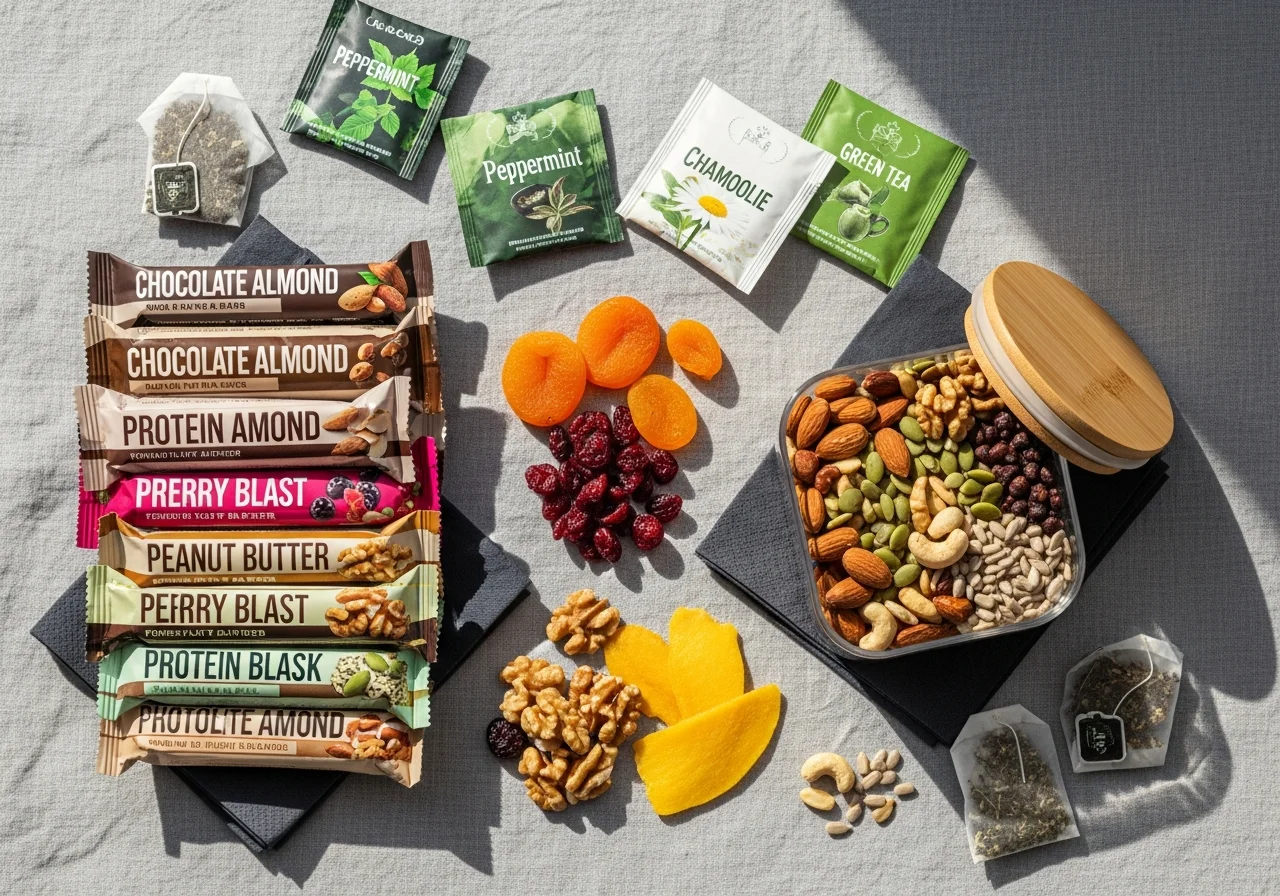
Quality snacks prevent hunger and maintain energy levels between meal services. Pack protein bars, nuts, dried fruit, or other non-perishable items that provide sustained energy without creating mess or strong odors. Avoid foods that might upset your stomach or create discomfort in pressurized environments.
Herbal tea bags allow you to request hot water from flight attendants and create soothing beverages without caffeine. Chamomile aids relaxation, while ginger settles upset stomachs. Bringing your preferred varieties ensures you can enjoy familiar comforts regardless of what the airline offers.
Climate Adaptation Accessories
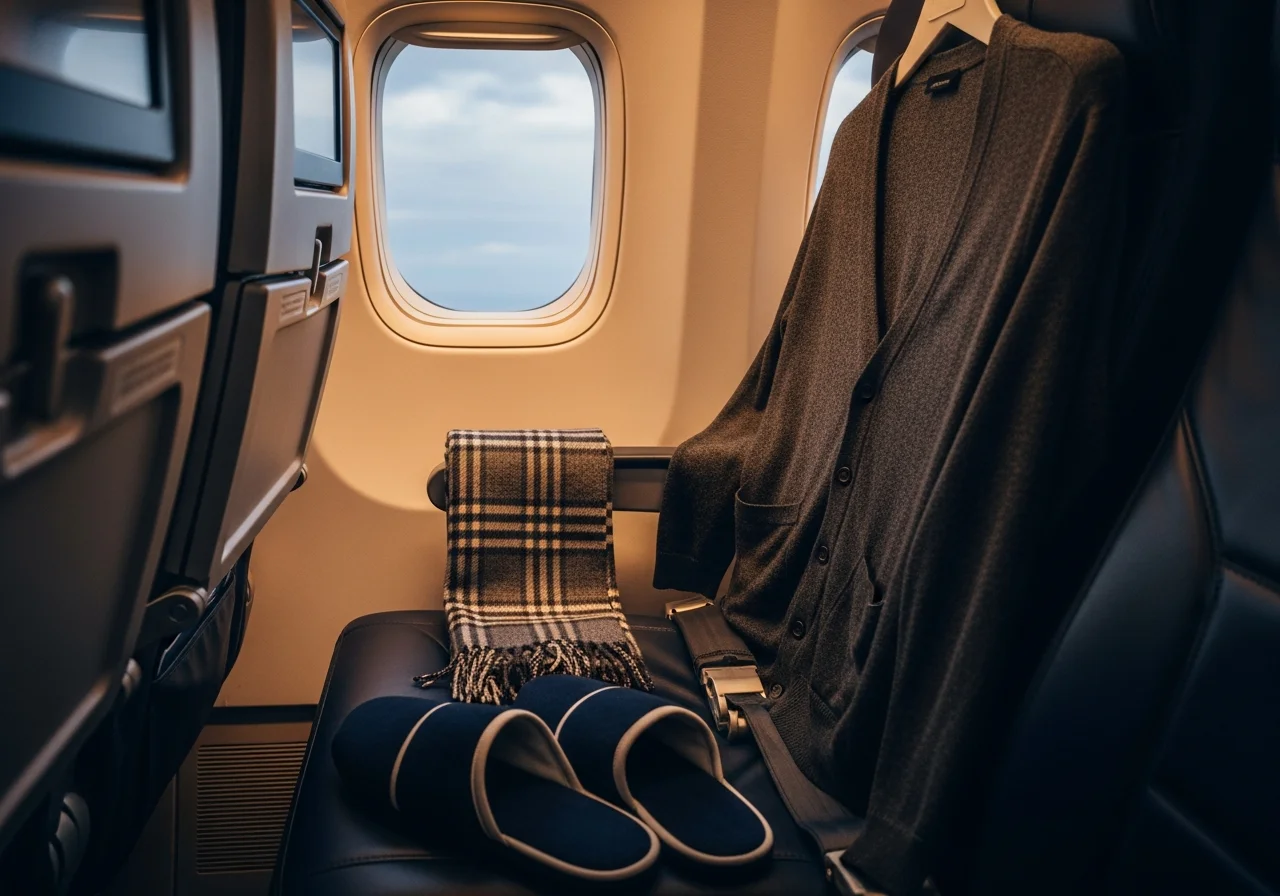
Layered clothing proves more practical than bulky sweaters for managing fluctuating cabin temperatures. A lightweight cardigan or travel scarf allows you to adjust your comfort level as temperatures change throughout the flight. Choose natural fibers like merino wool that regulate temperature effectively and resist odors.
Slippers or compression socks dedicated to flight use allow you to remove shoes without subjecting fellow passengers to unpleasant odors. Clean, dedicated flight footwear maintains hygiene while providing comfort during long periods of sitting.
Security and Safety Items
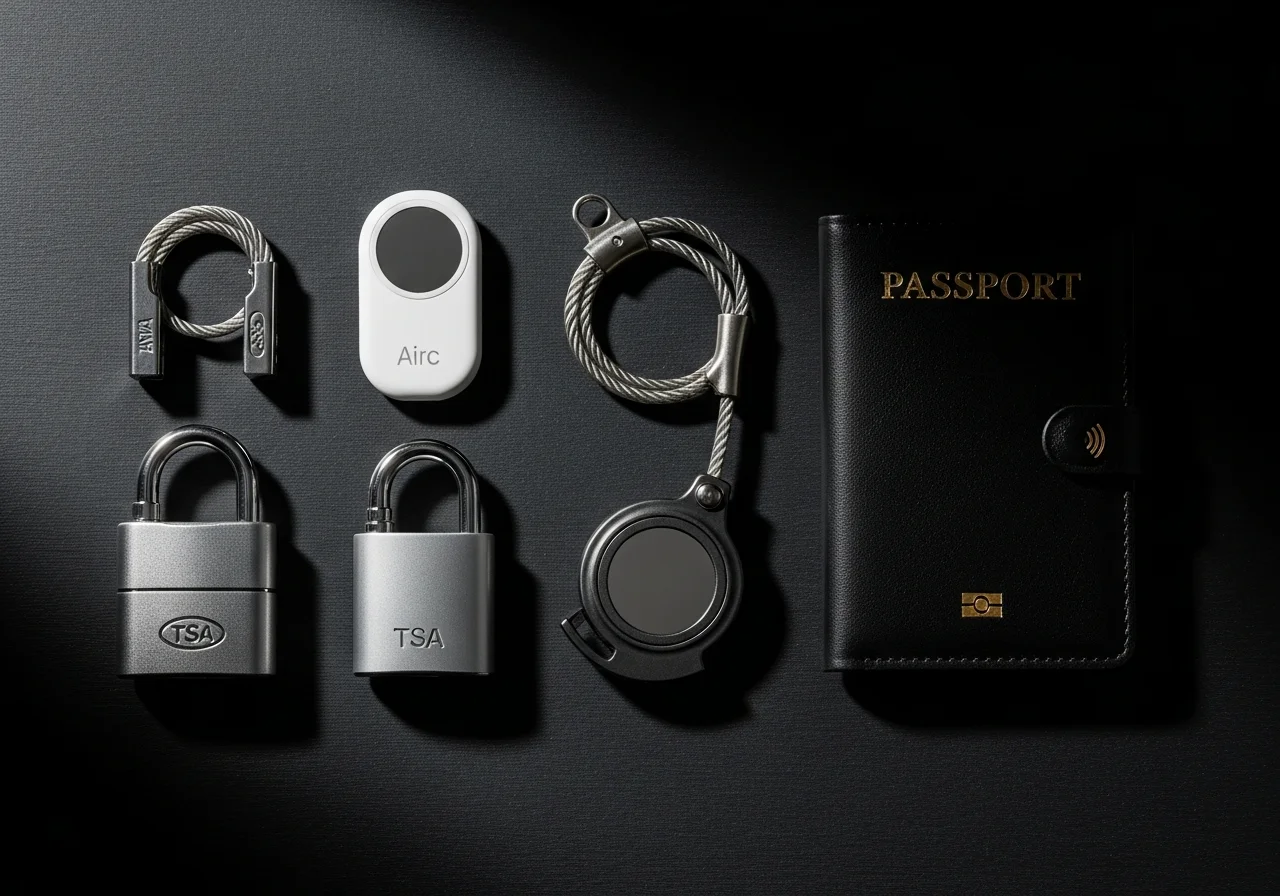
Luggage locks provide security for checked bags and peace of mind during layovers. TSA-approved combination locks allow security personnel to inspect bags when necessary without damaging your luggage. Cable locks can secure your carry-on to airport seating during rest stops.
An AirTag or similar tracking device helps locate lost luggage and provides real-time location information for checked bags. These small devices slip easily into luggage pockets and connect to smartphone apps for monitoring.
Conclusion
Preparing for a long flight with appropriate accessories transforms a potentially miserable experience into a manageable journey. Choosing the best travel accessories for long flights helps you arrive healthier, more rested, and ready for your destination. The items discussed represent investments in your comfort, health, and well-being that pay returns every time you fly. Rather than viewing these accessories as unnecessary luxuries, consider them essential tools for protecting your body from the unique stresses of extended air travel.
The specific combination of accessories that works best for you will depend on your personal preferences, the length of your flights, and your individual health considerations. Start with the fundamental comfort and health items like compression socks, a quality neck pillow, and hydration tools, then expand your collection based on experience. Many frequent travelers discover that the right accessories do more than make flights bearable; they actually allow you to arrive at destinations ready to begin your adventures or business activities without recovery time.
Remember that preparing for long flights is an evolving process. Each journey teaches you something about what works for your body and preferences. The key is remaining willing to adjust your accessory collection and trying new solutions as they become available. With proper preparation and the right tools, you can turn even the longest flights into productive or restful experiences rather than ordeals to endure.
For more practical travel planning advice, visit our travel guides section.
Frequently Asked Questions
What is the single most important accessory for a long flight?
Compression socks rank as the most important accessory because they address serious health risks associated with prolonged immobility. They prevent deep vein thrombosis and reduce leg swelling, making them essential for flights over six hours. While comfort items improve your experience, compression socks protect your health.
How much water should I drink during a long flight?
Aim to drink approximately eight ounces of water for every hour of flight time, more than you would consume on the ground. The extremely low humidity in aircraft cabins dehydrates you rapidly, and this increased water intake helps combat fatigue, headaches, and jet lag while supporting overall health during travel.
Are noise-cancelling headphones worth the investment for occasional travelers?
Yes, quality noise-cancelling headphones justify their cost even for occasional long-haul travelers. They improve sleep quality, reduce stress and fatigue, and make entertainment more enjoyable. Many models now offer excellent performance at mid-range prices, making them accessible investments that significantly enhance the flight experience.
Can I bring my own food through airport security?
You can bring most solid foods through security checkpoints without restriction. Pack snacks like nuts, protein bars, sandwiches, and dried fruit freely. However, liquids including yogurt, pudding, and spreadable items must comply with the standard liquid restrictions of containers no larger than 3.4 ounces in a quart-sized bag.
How do I prevent my electronics from dying during ultra-long flights?
Bring a high-capacity portable power bank with at least 20,000 mAh capacity, fully charged before your flight. Most airlines allow power banks in carry-on luggage up to specific watt-hour ratings. Additionally, put devices in airplane mode when not actively using them, reduce screen brightness, and close unnecessary applications to conserve battery life throughout your journey.