
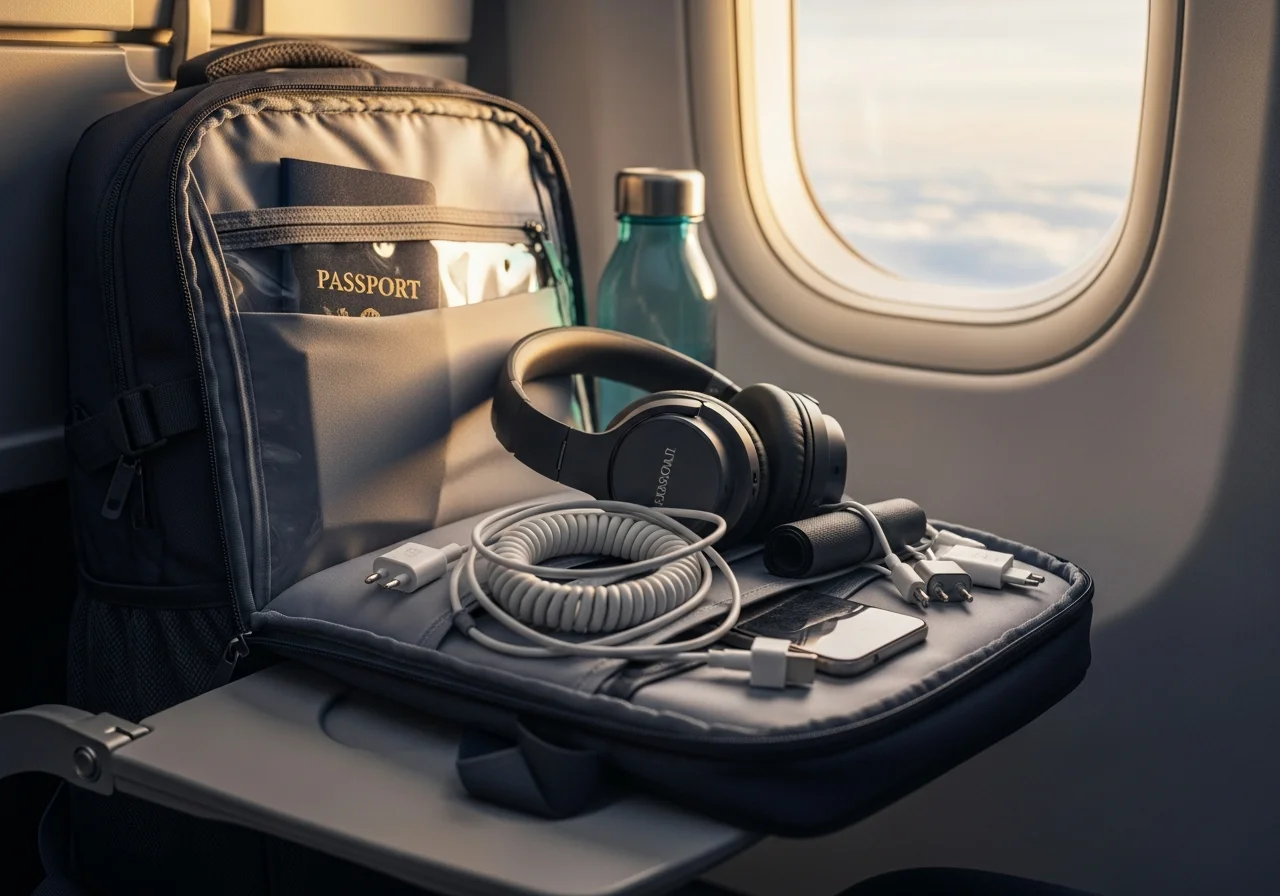
15 Backpack Essentials For International Flights
Backpack essentials can make or break your experience on long international flights. International travel opens doors to incredible experiences, but the journey itself can test even seasoned travelers. Whether you’re facing a 10-hour transatlantic flight or a grueling 16-hour journey across the Pacific, having the right items in your backpack transforms discomfort into a manageable, even enjoyable experience. After years of crossing time zones and logging countless miles at 30,000 feet, I’ve learned that preparation makes all the difference between arriving exhausted or refreshed and ready to explore.
The key to surviving long-haul flights isn’t about packing everything you might need. Rather, it’s about carefully selecting items that genuinely enhance your comfort, health, and convenience during extended periods in cramped quarters. Your backpack becomes your lifeline when overhead bins close, meal service ends, and you’re left to fend for yourself in a recycled-air environment.
This guide breaks down the 15 backpack essentials for international flights that every international traveler should pack in their carry-on backpack. These aren’t luxury items or nice-to-haves. They’re practical necessities that address real challenges: maintaining hydration in dry cabin air, staying entertained through endless hours, managing discomfort from prolonged sitting, and keeping important documents secure. Let’s explore what you actually need for your next international adventure.
Travel Documents and Security
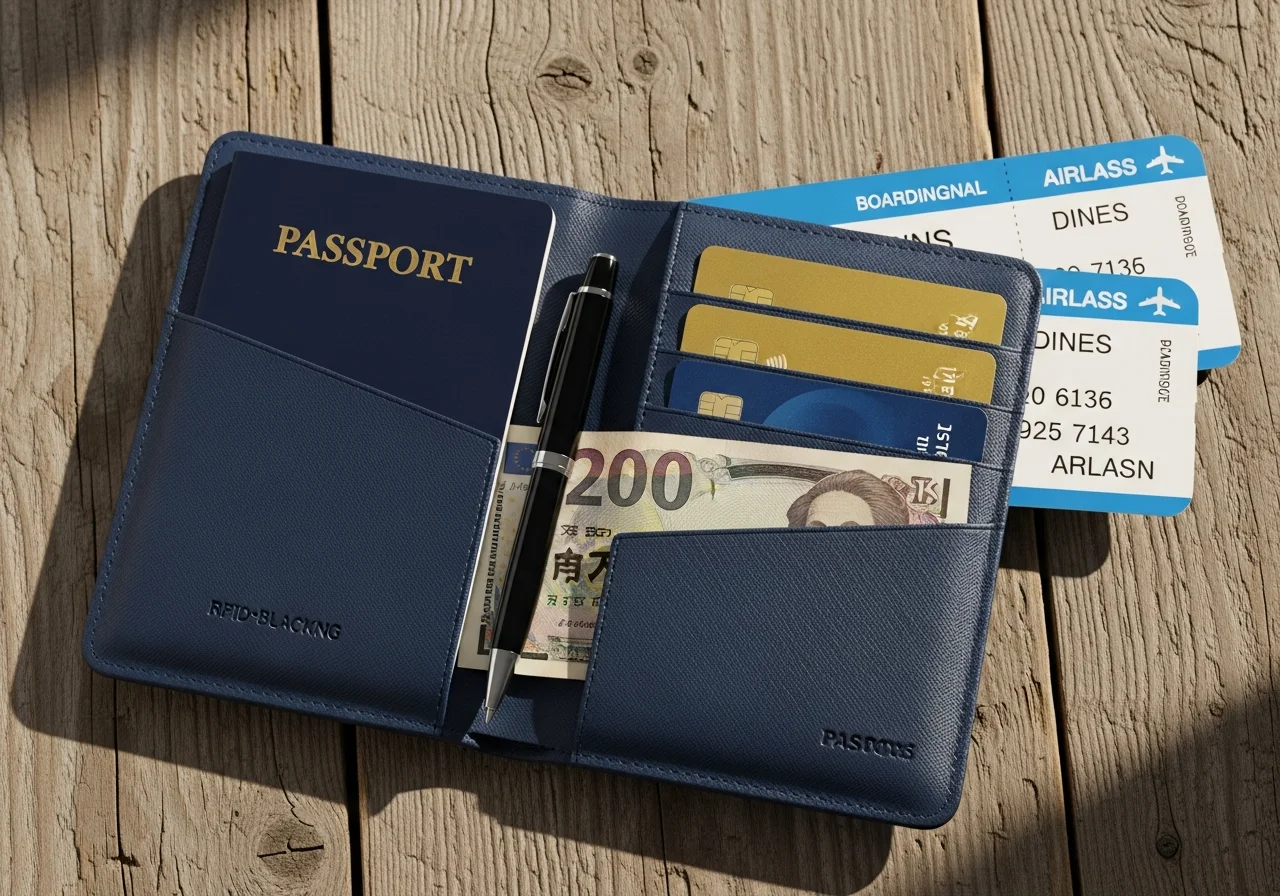
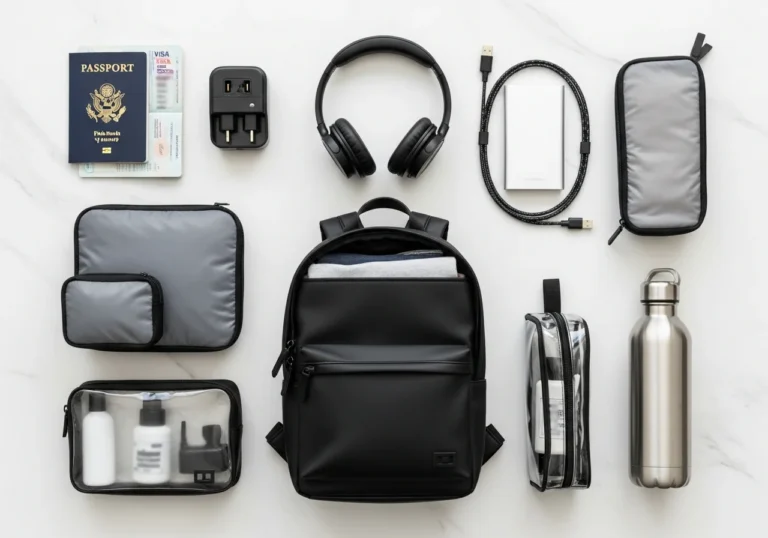
Your passport represents more than just identification during international travel. It’s your ticket through immigration, your proof of identity, and arguably the most important item in your backpack. Keep your passport in a dedicated holder that protects it from wear and makes it easily accessible. You’ll need it at security checkpoints, boarding gates, and immigration counters throughout your journey.
Consider using an RFID-blocking wallet or passport holder to protect against electronic theft. Modern scammers can wirelessly scan credit cards and passports through bags, potentially stealing your personal information without physical contact. A quality RFID wallet prevents this vulnerability while keeping your travel documents, boarding passes, and currency organized in one place.
Don’t forget to bring a pen. Many international flights still distribute paper customs forms that need completion before landing. Flight attendants rarely have extras to spare, and scrambling to find one creates unnecessary stress when you should be relaxing or preparing to disembark. If your destination is warm and casual, plan your carry-on outfit inspired by chic beach vacation outfits that are comfortable yet practical after a long flight.
Portable Phone Charger
Few situations create more anxiety than watching your phone battery drain while traveling internationally. Your smartphone serves multiple critical functions beyond entertainment: it stores boarding passes, provides GPS navigation in unfamiliar cities, translates foreign languages, and keeps you connected with loved ones across time zones.
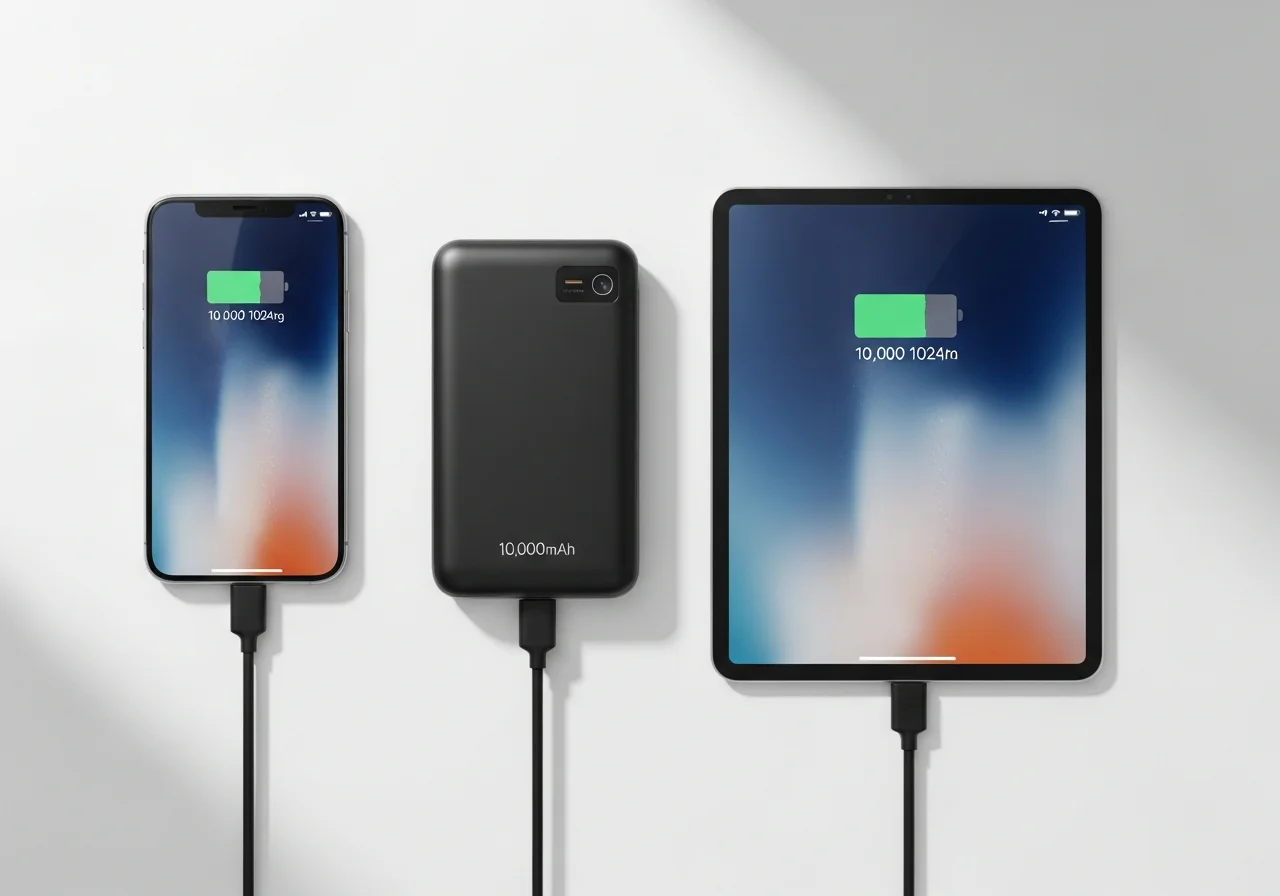
A reliable portable charger with at least 10,000mAh capacity ensures your devices stay powered throughout your journey especially when you explore cool travel gadgets for long-haul flights that enhance comfort and connectivity. Many long-haul flights offer USB ports or power outlets, but these amenities aren’t guaranteed, especially on older aircraft or budget airlines. Having a fully charged power bank eliminates dependence on questionable airplane charging options.
Choose a portable charger with multiple ports so you can charge your phone and tablet simultaneously. Some travelers also appreciate chargers with built-in cables to eliminate the need for separate cords, though this limits compatibility if you travel with companions who need a quick charge. For more top-rated travel gear and accessories recommended by experts, check out this list of the best travel gadgets & accessories for every trip.
Noise-Canceling Headphones

Airplane cabins assault your ears with constant noise: engine roar, crying babies, chattering passengers, and overhead announcements. Quality noise-canceling headphones create a peaceful bubble that dramatically improves your flight experience. They’re not a luxury; they’re essential for maintaining sanity during hours of involuntary proximity to strangers.
Beyond blocking unwanted noise, good headphones enhance your entertainment experience. Whether you’re watching downloaded movies, listening to podcasts, or enjoying your favorite music, superior audio quality makes time pass faster. Many modern headphones offer 20+ hours of battery life, more than enough for even the longest flights.
Consider bringing a Bluetooth adapter if your headphones are wireless. Many airplane entertainment systems still use traditional audio jacks, and an adapter allows you to use your comfortable, familiar headphones with the seatback screen rather than the airline’s often-uncomfortable earbuds.
Reusable Water Bottle

Dehydration ranks among the most common complaints from long-haul travelers, and for good reason. Airplane cabins maintain humidity levels around 10-20%, far below the comfortable 30-50% found in most homes. This dry environment pulls moisture from your skin, eyes, and respiratory system, leaving you feeling depleted.
A reusable water bottle addresses this problem effectively and economically. Empty it before passing through security, then refill it at water fountains or ask flight attendants to fill it during service. This approach ensures constant access to hydration without repeatedly bothering crew members or waiting for scheduled beverage service.
Insulated bottles keep water cold for hours, though collapsible bottles save space when empty. Some travelers prefer bottles with built-in filters for destinations where water quality raises concerns, providing peace of mind whether filling up in the airport or at your destination.
Compression Socks
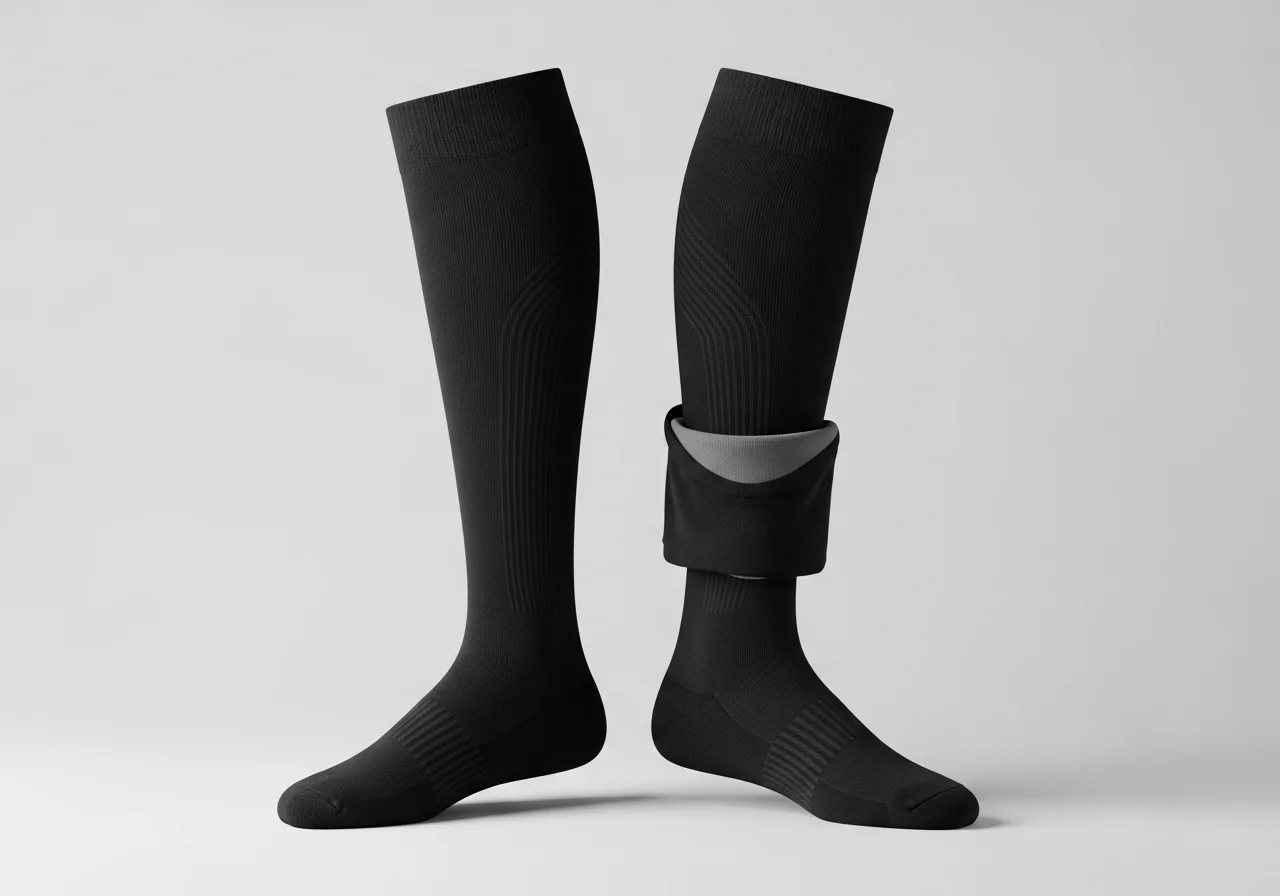
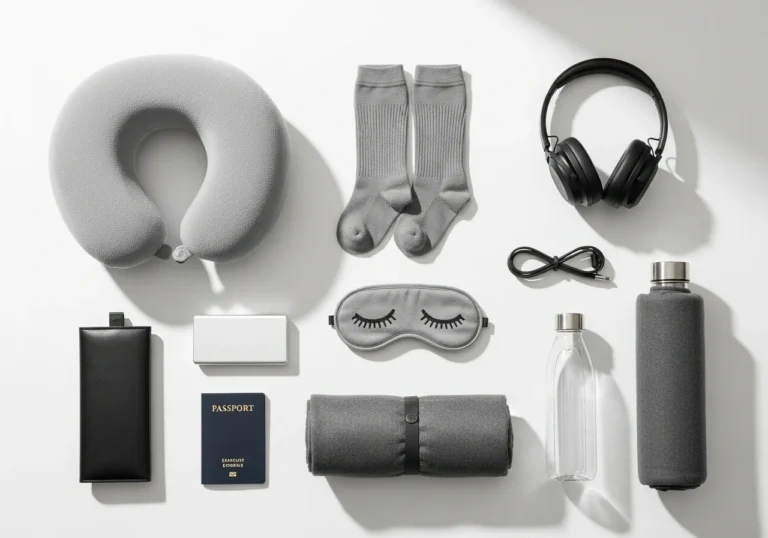
Sitting motionless for hours poses real health risks, particularly for long-haul flights lasting eight hours or more. Blood can pool in your legs, causing swelling, discomfort, and in rare cases, dangerous blood clots known as deep vein thrombosis. Compression socks counteract these risks by applying gentle pressure that promotes healthy blood circulation.
These specialized socks might look unflattering, but they significantly reduce leg swelling and the heavy, achy feeling that often accompanies long flights. You don’t need to wear them during boarding; slip them on once you’re settled in your seat and remove them before landing if you prefer.
Compression socks come in various pressure ratings, but travelers generally need mild to moderate compression (15-20 mmHg) rather than medical-grade options. Choose knee-high versions for maximum benefit, and don’t confuse them with regular tight socks that provide no therapeutic value.
Travel Pillow and Blanket

Sleep transforms long flights from endurance tests into productive rest periods, but achieving comfortable sleep in economy class requires strategic support. A quality travel pillow prevents your head from dropping forward or sideways, reducing neck strain and enabling actual rest rather than fitful dozing.
Skip the traditional doughnut-shaped pillows that take up excessive space and often provide inadequate support. Modern travel pillows use memory foam, unique shapes, or adjustable designs that better cradle your head while packing down efficiently. Some travelers swear by scarves or wraps that double as blankets, providing warmth without dedicating precious backpack space to single-purpose items.
Airlines provide blankets on many international flights, but quality and availability vary wildly. Budget carriers often skip amenities entirely, while even full-service airlines may run out during boarding. A lightweight packable blanket ensures you have warmth regardless of airline provisions or overly aggressive air conditioning.
Entertainment Options
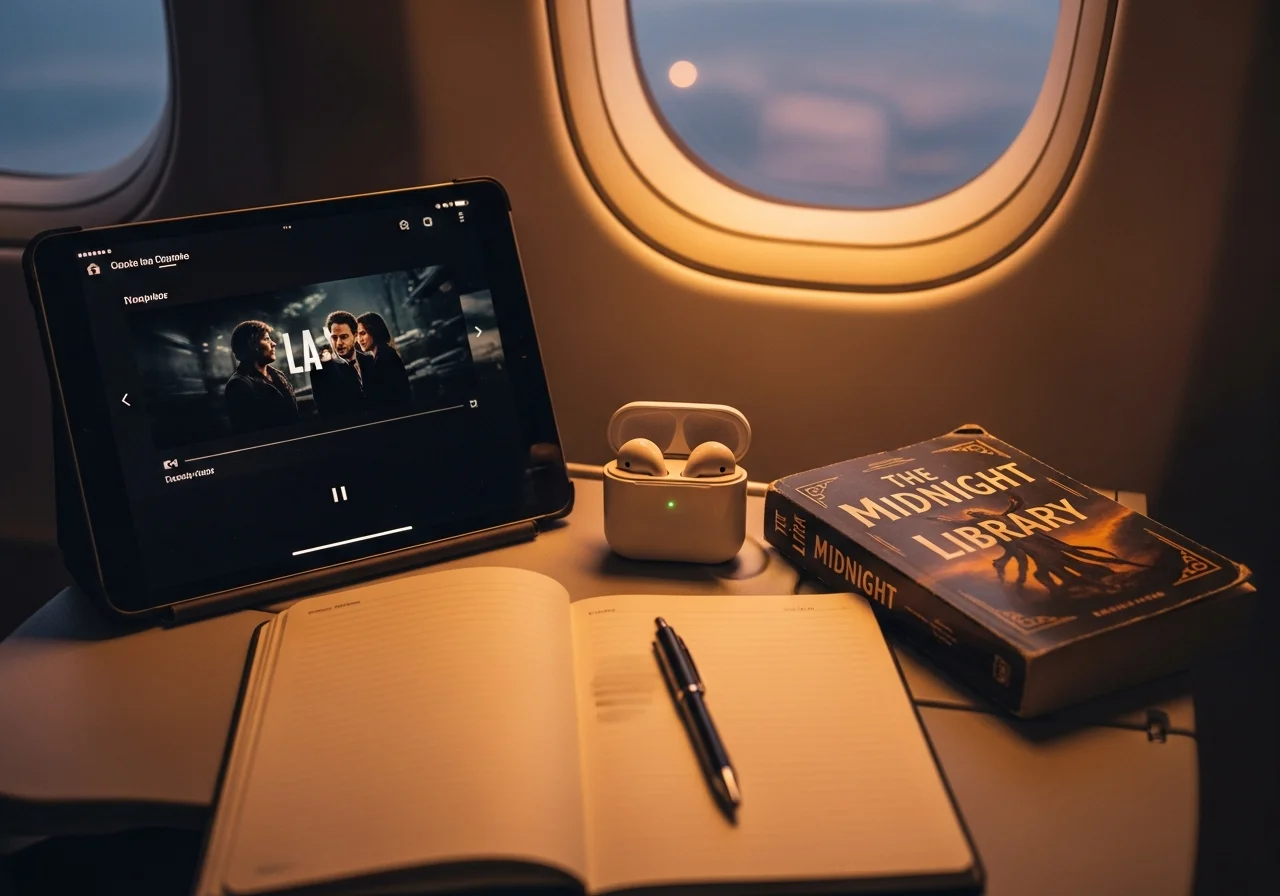
Long flights offer rare opportunities for uninterrupted leisure time, but that advantage evaporates without proper entertainment. Download movies, TV shows, podcasts, and audiobooks before leaving home. Don’t rely on airline entertainment systems, which may malfunction, offer limited selections, or charge fees on budget carriers.
A tablet provides a larger screen than your phone while consuming less backpack space than a laptop. Load it with diverse content to match changing moods during extended flights. You might crave action movies during the first hours but prefer documentaries or lighter content as fatigue sets in.
Don’t overlook simple entertainment like books, magazines, or journals. Physical reading materials don’t require charging, won’t be affected by airplane mode requirements, and offer a screen-free way to pass time. Many travelers find the tactile experience of turning pages helps them relax better than digital devices.
Snacks
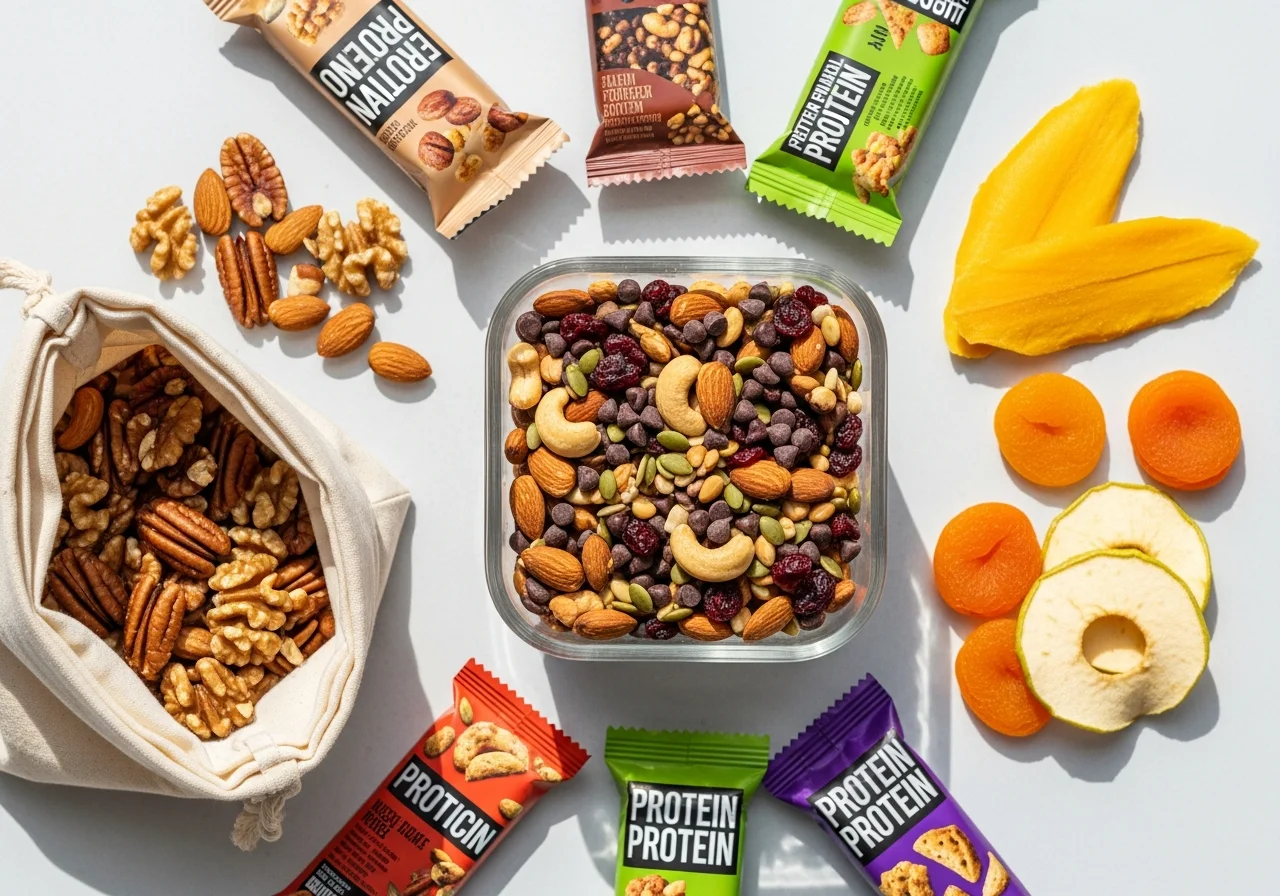
Airplane food has improved in recent years, but meal timing and quality remain unpredictable. Budget airlines charge for food, full-service carriers may not serve meals on shorter international segments, and dietary restrictions complicate matters further. Packing your own snacks ensures you have reliable nutrition throughout your journey.
Choose protein-rich options like nuts, trail mix, protein bars, or beef jerky that provide sustained energy without causing blood sugar crashes. Avoid foods with strong odors out of consideration for fellow passengers trapped in close quarters. Fresh fruits pass through security but may not survive long flights well; dried fruits offer similar benefits with better durability.
Remember TSA liquid rules when packing snacks. Anything spreadable or liquid (including yogurt, hummus, or nut butter) must follow 3.4-ounce limits or travel in checked luggage. Solid foods face no such restrictions, making them ideal for carry-on packing.
Basic Medications and First Aid
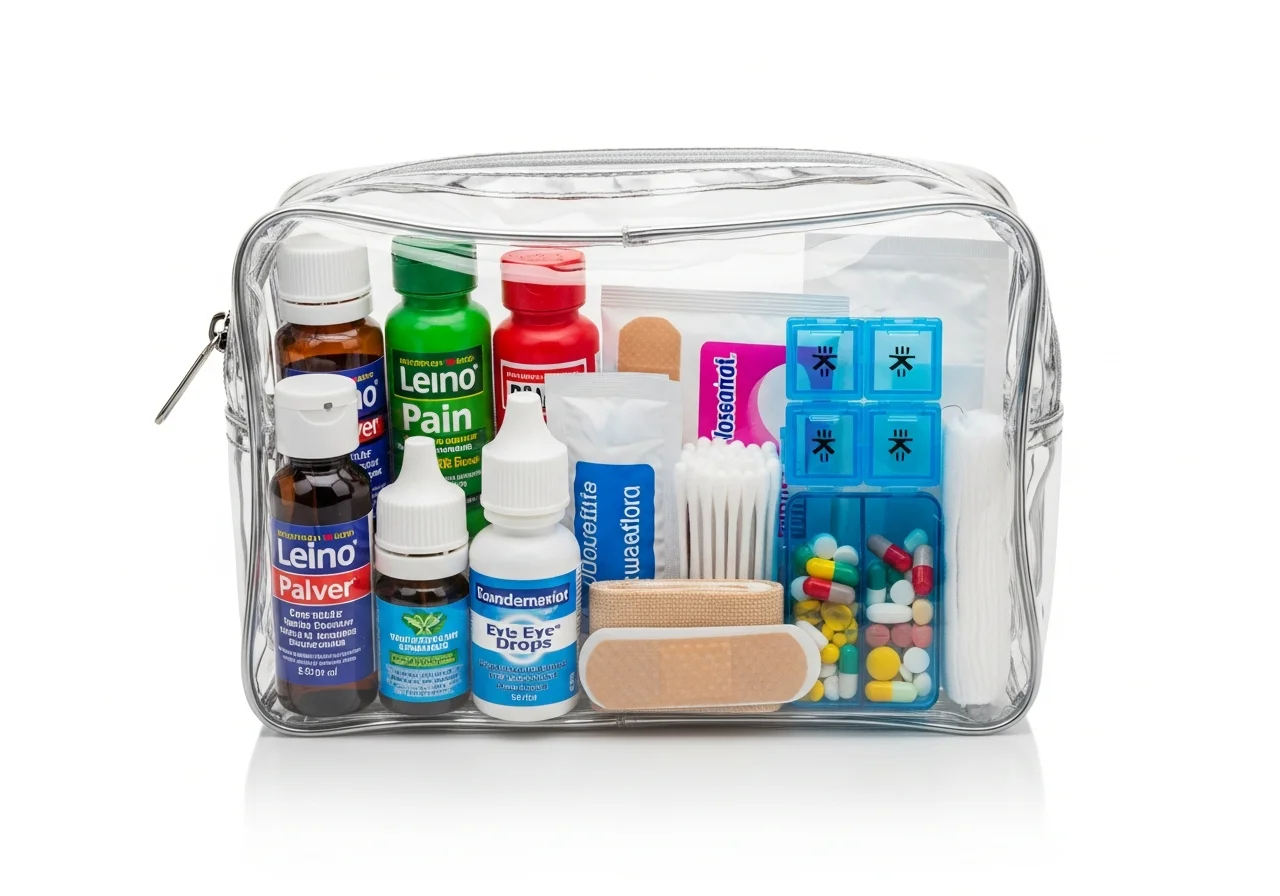
Travel disrupts normal routines, and international flights create unique health challenges. Pack essential medications in your carry-on rather than checked luggage to ensure access if bags go missing. Include any prescription medications, pain relievers for headaches or muscle aches, anti-nausea medication, and stomach remedies.
Eye drops combat the dry cabin air that irritates eyes, particularly for contact lens wearers who face additional discomfort during long flights. A small first-aid kit with bandages, antibiotic ointment, and basic supplies addresses minor injuries without requiring you to hunt for supplies at your destination.
Don’t forget supplements if they’re part of your routine. Probiotics support digestive health during travel when diet changes and stress can upset your system. Melatonin helps some travelers adjust to new time zones, though you should test it before your trip rather than experimenting for the first time on a long flight.
Toiletry Essentials
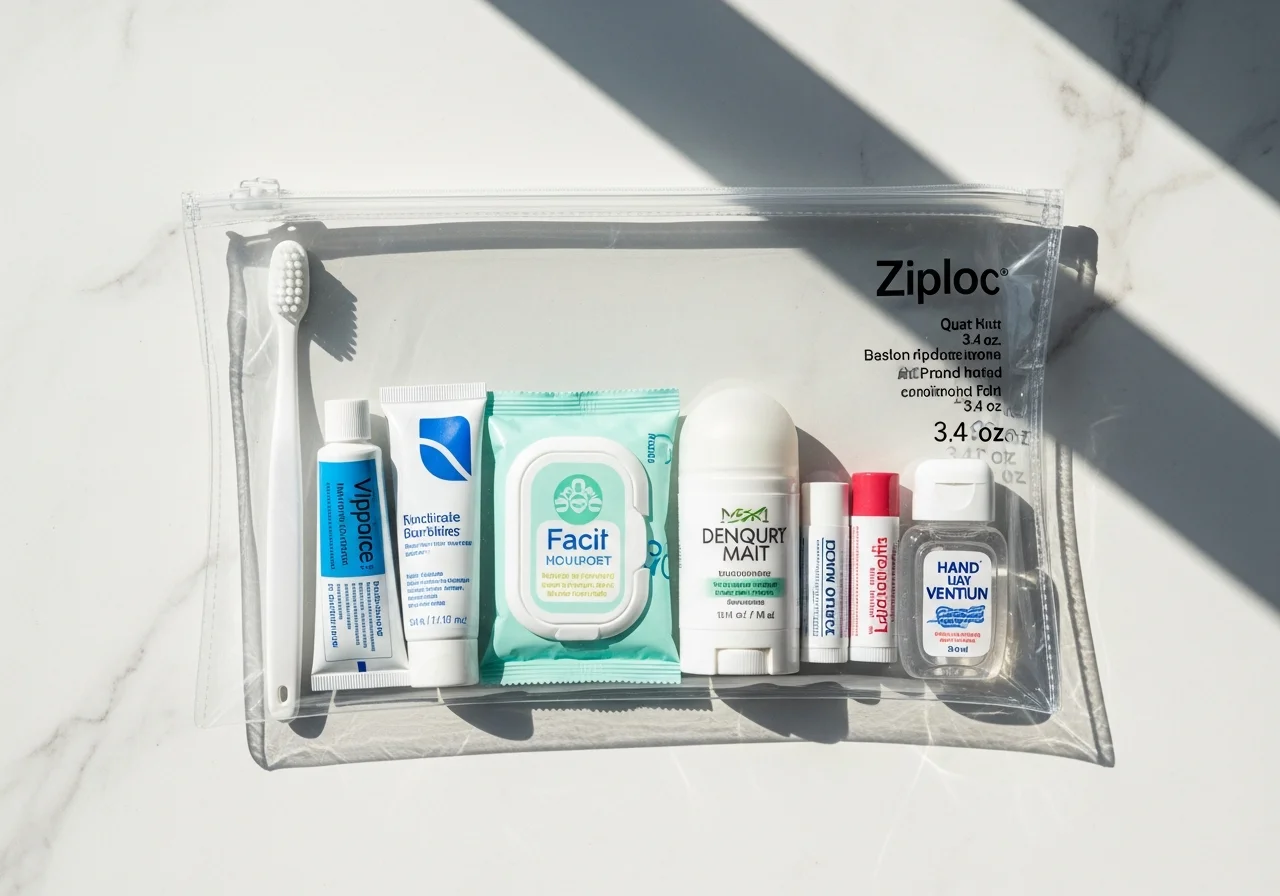
Freshening up during or after a long flight makes a remarkable difference in how you feel upon arrival. Pack travel-sized toiletries in a clear, quart-sized bag following TSA regulations. Essential items include toothbrush, toothpaste, facial wipes, deodorant, and moisturizer.
The dry cabin air wreaks havoc on skin, making moisturizer and lip balm necessities rather than luxuries. Apply throughout the flight to prevent the tight, uncomfortable feeling of dehydrated skin. Facial wipes allow you to clean your face without accessing the often-crowded airplane bathrooms for extended periods.
Hand sanitizer provides peace of mind in environments touched by hundreds of people daily. Airplane tray tables, armrests, and bathroom surfaces harbor bacteria, and while thorough hand washing helps, having sanitizer accessible in your seat offers convenient protection between bathroom visits.
Comfortable Clothing Layers
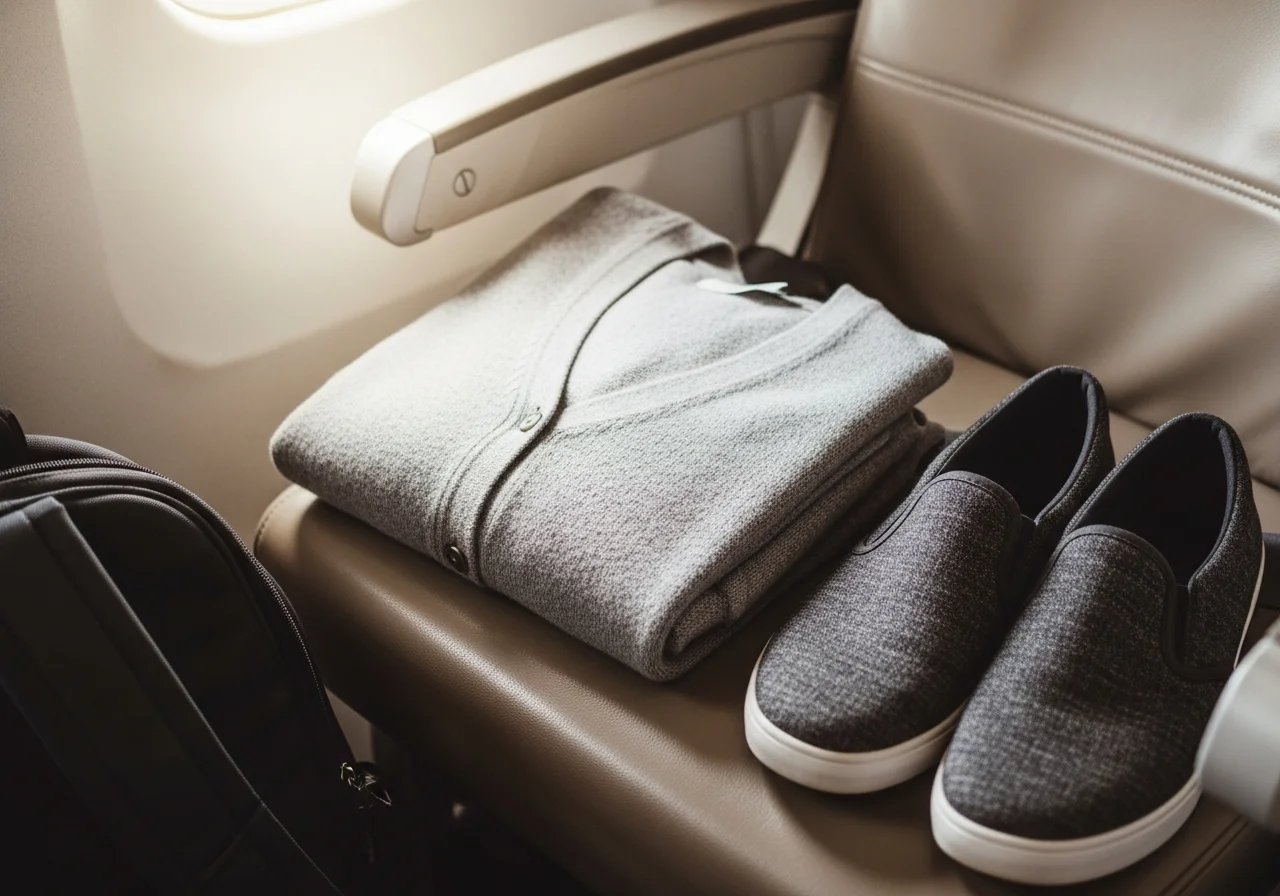
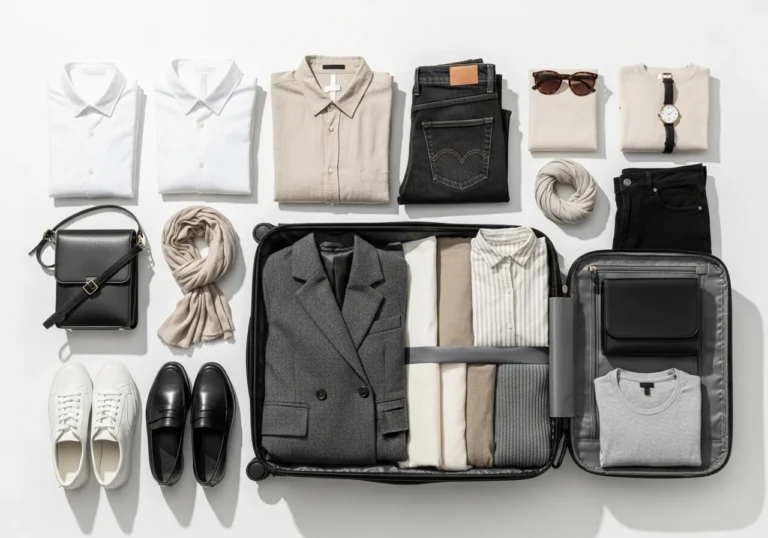
Temperature control on airplanes remains notoriously inconsistent. Some flights blast freezing air conditioning while others maintain stuffily warm cabins. The solution lies in layering clothing that you can easily add or remove as conditions change throughout your flight.
Pack a lightweight sweatshirt or cardigan that provides warmth without bulk. Even summer travelers appreciate having a layer available, as airport terminals and airplanes often maintain cooler temperatures than outdoor environments. Choose soft, comfortable fabrics that won’t wrinkle excessively when stuffed in your backpack, similar to curated fall outfit ideas that transition seamlessly from airport to arrival.”
Wear slip-on shoes rather than laced sneakers or boots. You’ll remove shoes during security screening and may want to take them off during the flight for comfort. Slip-ons expedite security and make it easy to walk around the cabin or visit the bathroom without wrestling with laces in cramped spaces.
Electronic Organizer or Tech Pouch
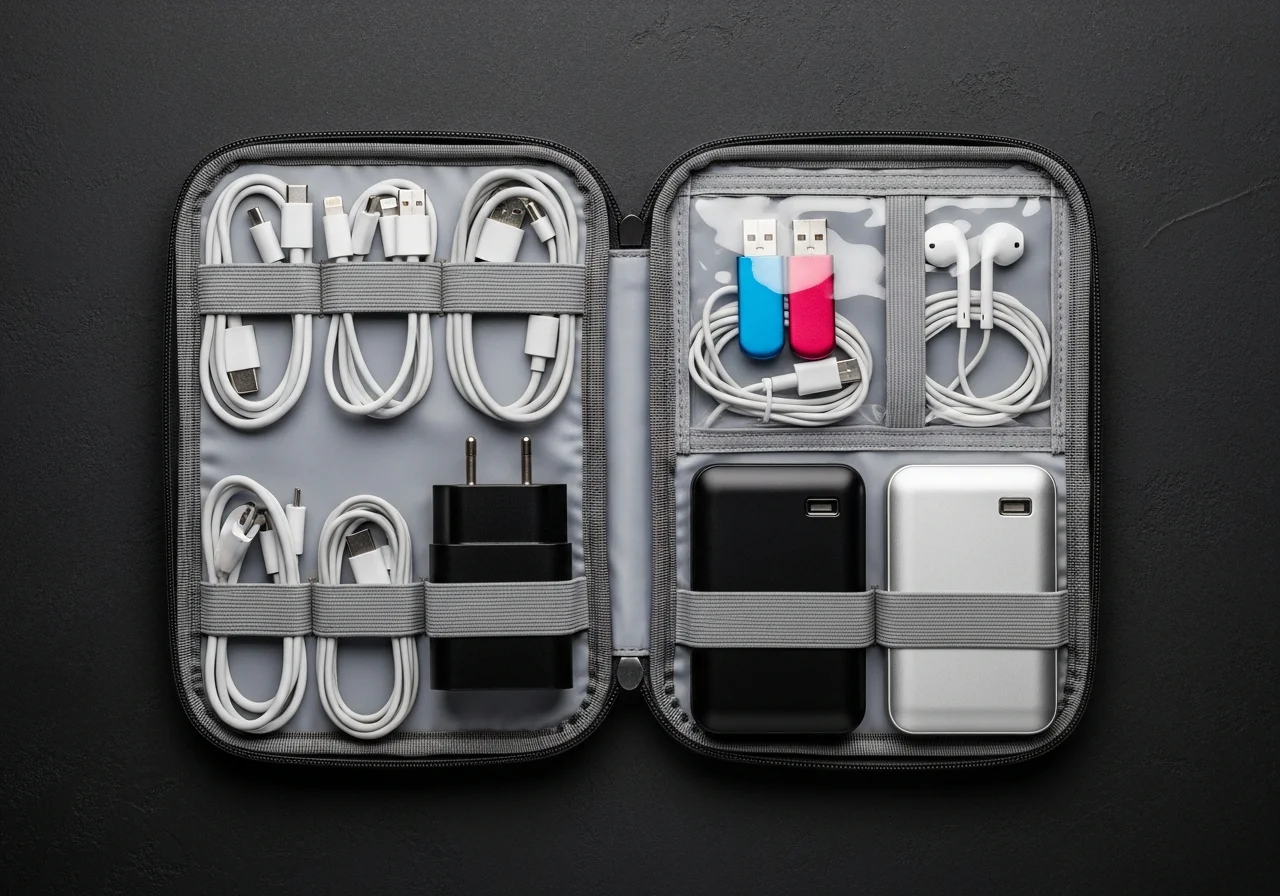
Modern travel requires numerous electronic devices and accessories: phones, tablets, laptops, chargers, cables, adapters, headphones, and power banks. Keeping these items organized prevents the frustrating experience of digging through your backpack searching for a specific cable while your phone battery dies.
A dedicated tech organizer with multiple compartments keeps everything accessible and protected. Look for pouches with elastic loops or mesh pockets that secure individual items while allowing you to see everything at a glance. This organization proves particularly valuable during security screening when you must quickly access electronics.
Include any necessary adapters for your destination. International electrical outlets vary significantly, and while many hotels provide adapters, having your own ensures you can charge devices immediately upon arrival without depending on hotel amenities or hunting for electronics stores.
Eye Mask and Earplugs
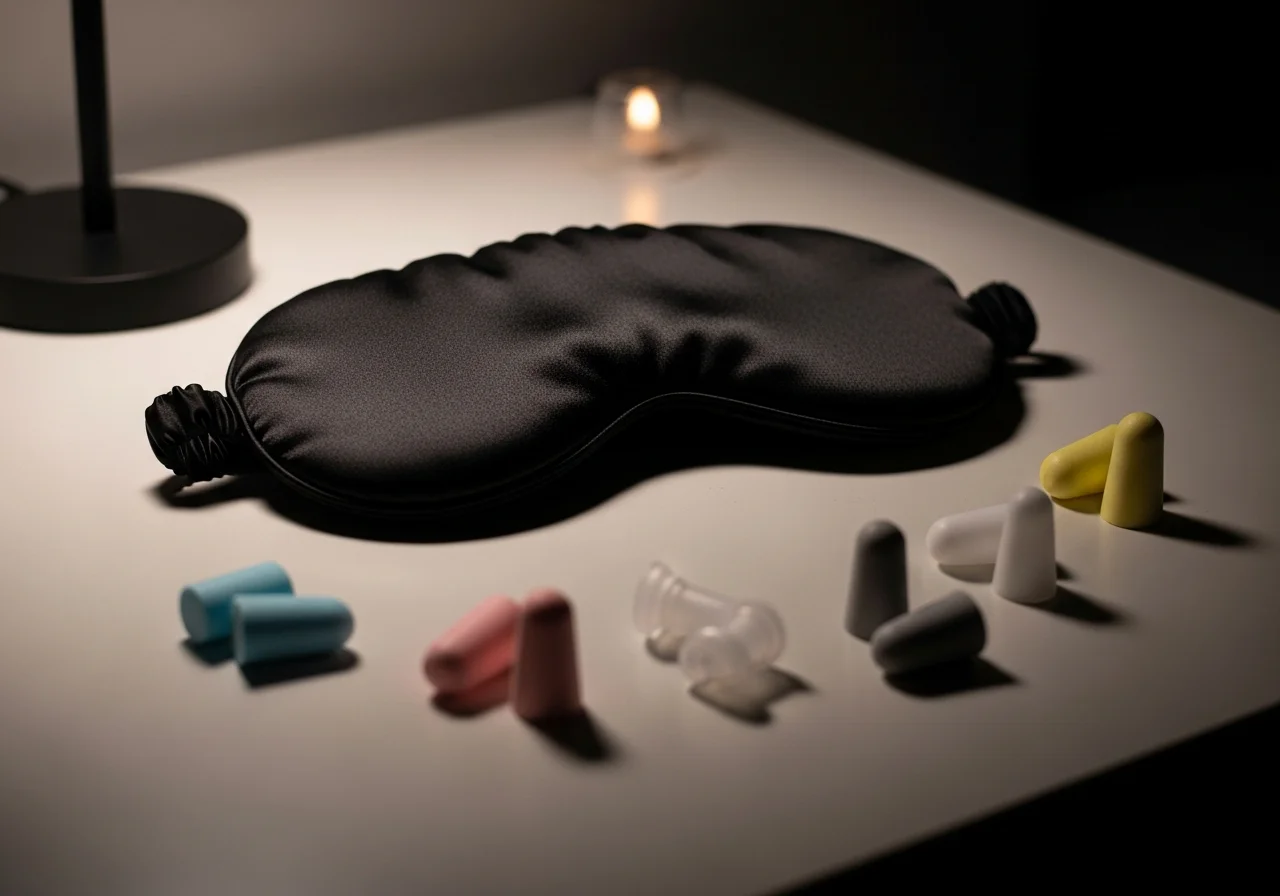
Creating darkness and silence dramatically improves your ability to sleep on flights that cross multiple time zones. Window seats offer some control over natural light, but overhead reading lights, seatback screens, and sunrise at inconvenient times can disrupt rest. A quality eye mask blocks all light, signaling to your body that it’s time to sleep regardless of external conditions.
Weighted eye masks provide gentle pressure that some travelers find relaxing, similar to weighted blankets. Others prefer simple, lightweight masks that pack down to nearly nothing. Experiment with different styles before your trip to identify what works best for you.
Earplugs complement noise-canceling headphones by providing backup noise reduction or a lighter option when you want to sleep without wearing bulky headphones. Foam earplugs block sound effectively but may feel uncomfortable during extended wear. Silicone options often provide better comfort for sleeping, though they might not block quite as much noise.
Travel-Sized Hand Cream
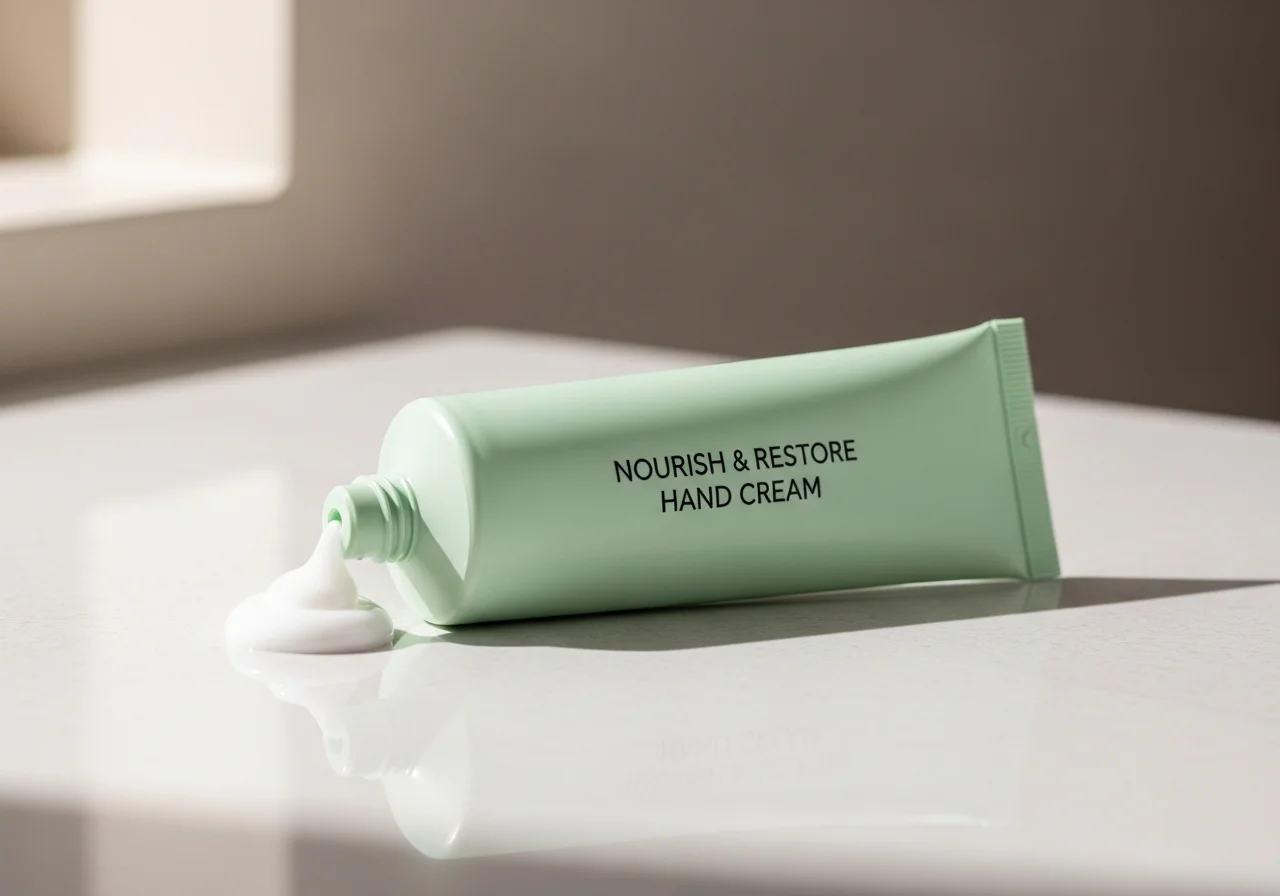
This might seem like an unnecessary luxury, but frequent travelers quickly learn that hand cream becomes essential during long flights. Constant hand washing, dry cabin air, and alcohol-based sanitizers combine to leave hands cracked, rough, and uncomfortable.
A small tube of quality hand cream repairs damage and prevents further dryness. Apply after washing your hands in the airplane bathroom or using hand sanitizer. The soothing effect and pleasant scent provide a small comfort that improves your overall flight experience.
Choose unscented or lightly scented options out of consideration for passengers who may have sensitivities or allergies. Remember that all liquids must comply with TSA’s 3.4-ounce rule, so transfer your favorite hand cream into a travel-sized container if necessary.
Disinfecting Wipes
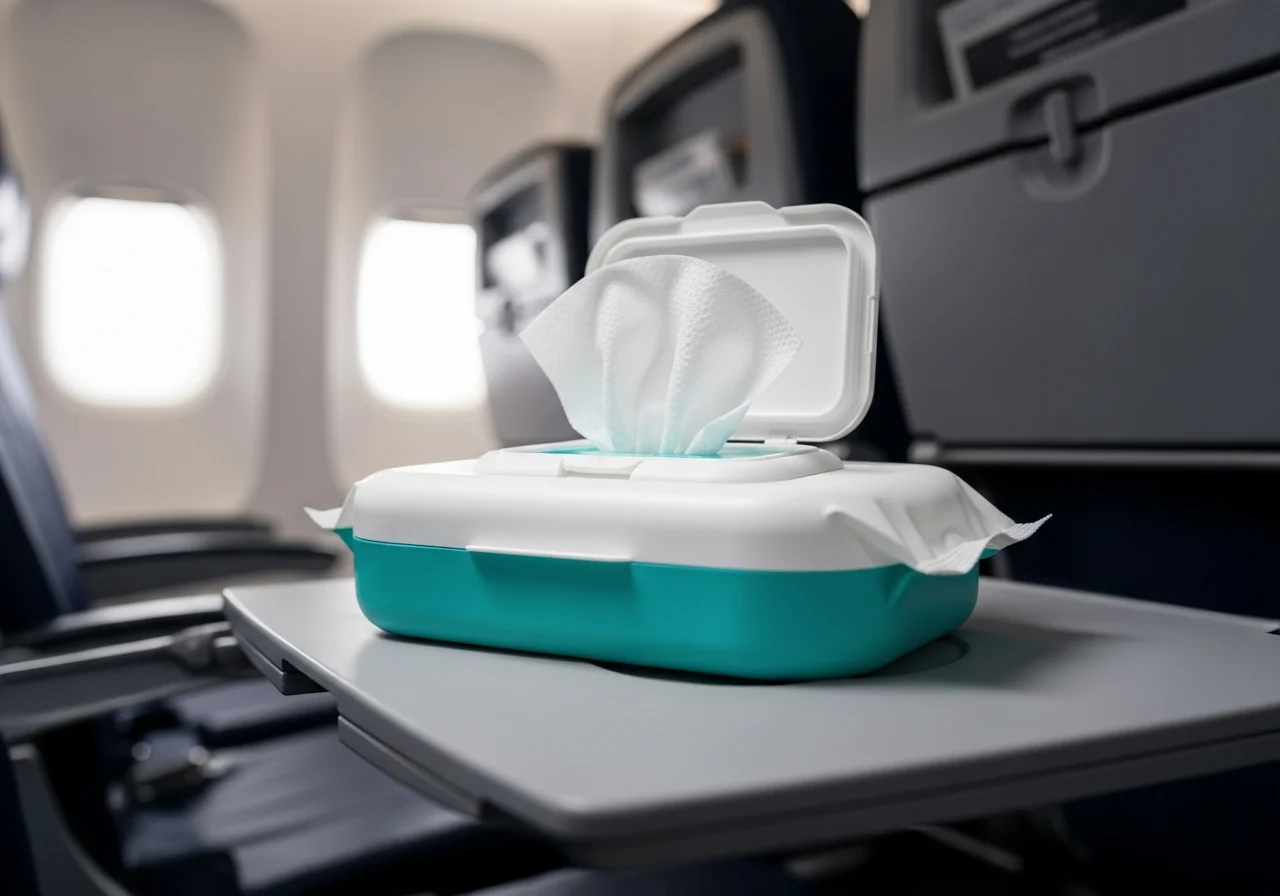
Airplane cleanliness varies significantly between carriers and flights. While airlines have improved sanitation practices, tray tables, armrests, and other surfaces still harbor bacteria from previous passengers. Disinfecting wipes allow you to quickly clean your immediate area, providing peace of mind as you settle in for a long flight.
Wipe down the tray table, armrests, seatback screen, and any other surfaces you’ll frequently touch. This takes just a minute but significantly reduces your exposure to germs. Some travelers also wipe the air vent and seat belt buckle, though the key surfaces are those you’ll touch repeatedly during the flight.
Choose individually wrapped wipes or a small travel pack that won’t dry out before your return flight. Many brands now offer wipes specifically designed for travel, sized appropriately for TSA compliance while providing enough wipes for multiple flights.
Conclusion
International travel rewards those who prepare thoughtfully for the journey itself, not just the destination. The 15 essentials outlined above address the real challenges of long-haul flights: maintaining health and hygiene, staying comfortable despite cramped conditions, accessing entertainment and connectivity, and managing the practical needs that arise during extended air travel.
Your specific needs may vary based on personal preferences, health conditions, and destination requirements. Some travelers add items like neck warmers, phone sanitizers, or specific comfort aids that work for their bodies and situations. The key is testing your packing list on shorter trips before committing to it for major international journeys.
Remember that backpack space is finite, so prioritize items that serve multiple purposes or address critical needs. A well-packed carry-on backpack doesn’t contain everything you might possibly want. Instead, it holds exactly what you need to arrive at your destination comfortable, healthy, and ready to embrace new adventures. The difference between a miserable flight and a manageable one often comes down to the contents of your backpack.
Frequently Asked Questions
Q: How early should I arrive at the airport for an international flight?
Most airlines recommend arriving three hours before international departures. This allows sufficient time for check-in, security screening, customs procedures, and reaching your gate without stress. Budget airlines with online check-in requirements may permit slightly less time, but three hours provides a comfortable buffer for unexpected delays.
Q: Can I bring liquids in my carry-on backpack for international flights?
Yes, but they must follow the 3-1-1 rule: containers no larger than 3.4 ounces (100ml), all fitting into one quart-sized clear plastic bag, and one bag per passenger. Medications, baby formula, and breast milk receive exceptions but may require additional screening. Place your liquids bag in an easily accessible location for quick removal at security.
Q: What’s the maximum size for a personal item backpack on international flights?
International airlines typically allow personal items measuring approximately 18 x 14 x 8 inches (45 x 35 x 20 cm), though exact dimensions vary by carrier. Budget airlines enforce stricter limits and may charge for carry-on bags. Always check your specific airline’s website before flying, as regulations change and differ between carriers and routes.
Q: Should I pack a change of clothes in my carry-on backpack?
Absolutely. Checked luggage occasionally goes missing, especially on flights with tight connections. Packing one complete change of clothes in your carry-on ensures you have clean options if your checked bag doesn’t arrive with you. Choose versatile items that work for your first day’s activities and can be hand-washed if necessary.
Q: How can I prevent jet lag on long international flights?
Start adjusting your sleep schedule 2-3 days before departure, moving bedtime closer to your destination’s time zone. Stay hydrated during the flight, avoid excessive alcohol, and expose yourself to natural light upon arrival. Some travelers use melatonin to help adjust sleep patterns, though you should consult a doctor before trying new supplements. Staying active during the flight with periodic walks also helps.



2 Comments