Your Ultimate Ski Trip Packing List for a Chic Weekend Getaway
Planning a weekend getaway in the snow? This ski trip packing list covers everything you need to stay warm, comfortable, and stylish from the slopes to après-ski evenings. Unlike tropical vacations where you can pack light sundresses and sandals, ski trips demand strategic planning to ensure you stay warm on the slopes while looking stylish at the lodge. After years of perfecting the art of ski trip packing, this comprehensive guide will help you navigate what to bring for both mountain adventures and cozy après-ski evenings.
The secret to successful ski trip packing lies in understanding that you need two distinct wardrobes: technical gear for conquering the slopes and chic casual pieces for everything else. Whether you’re heading to Aspen, Whistler, or your local mountain resort, having the right items packed means the difference between a memorable weekend and an uncomfortable experience where you spend more time worrying about the cold than enjoying the snow.
Essential Base Layers That Keep You Warm
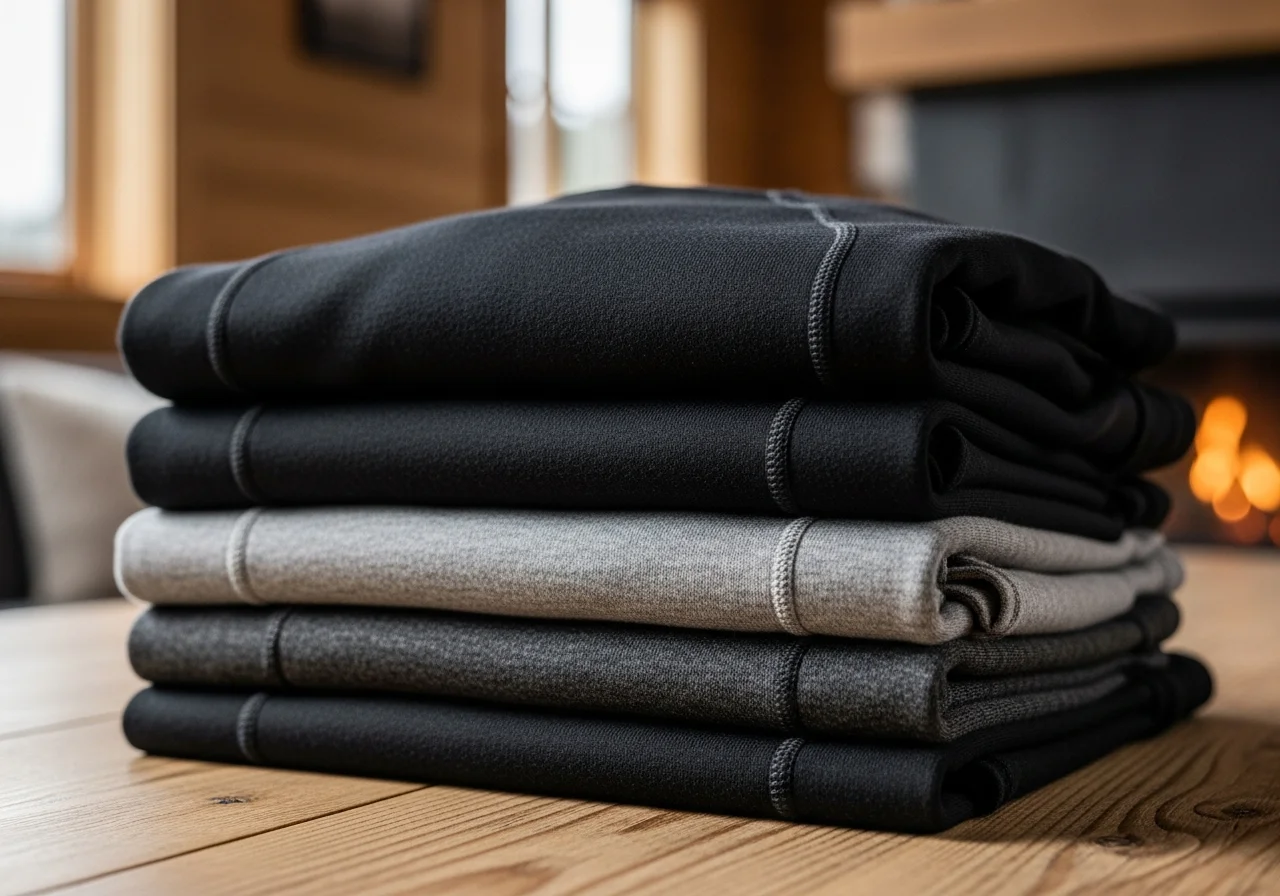
Base layers form the foundation of your ski outfit and deserve careful consideration. These are the garments that sit closest to your skin, working tirelessly to regulate your body temperature and wick away moisture as you carve down the mountain. Investing in quality base layers transforms your entire skiing experience from merely tolerable to genuinely comfortable.
Look for thermal tops and bottoms made from merino wool or synthetic moisture-wicking fabrics. Merino wool offers natural temperature regulation and odor resistance, which means you can wear the same base layer multiple days without worrying about unpleasant smells. For a weekend trip, pack two complete sets of base layers so you have a fresh option for each skiing day. Avoid cotton at all costs as it retains moisture and will leave you feeling cold and clammy.
When selecting base layers, consider the weight appropriate for your destination. Lightweight base layers work well for milder conditions or high-intensity skiing, midweight options suit most general skiing conditions, and heavyweight thermal underwear becomes necessary for extreme cold or if you tend to get chilly easily. The fit should be snug but not restrictive, allowing full range of motion while you navigate the slopes.
Your Outer Layer Arsenal
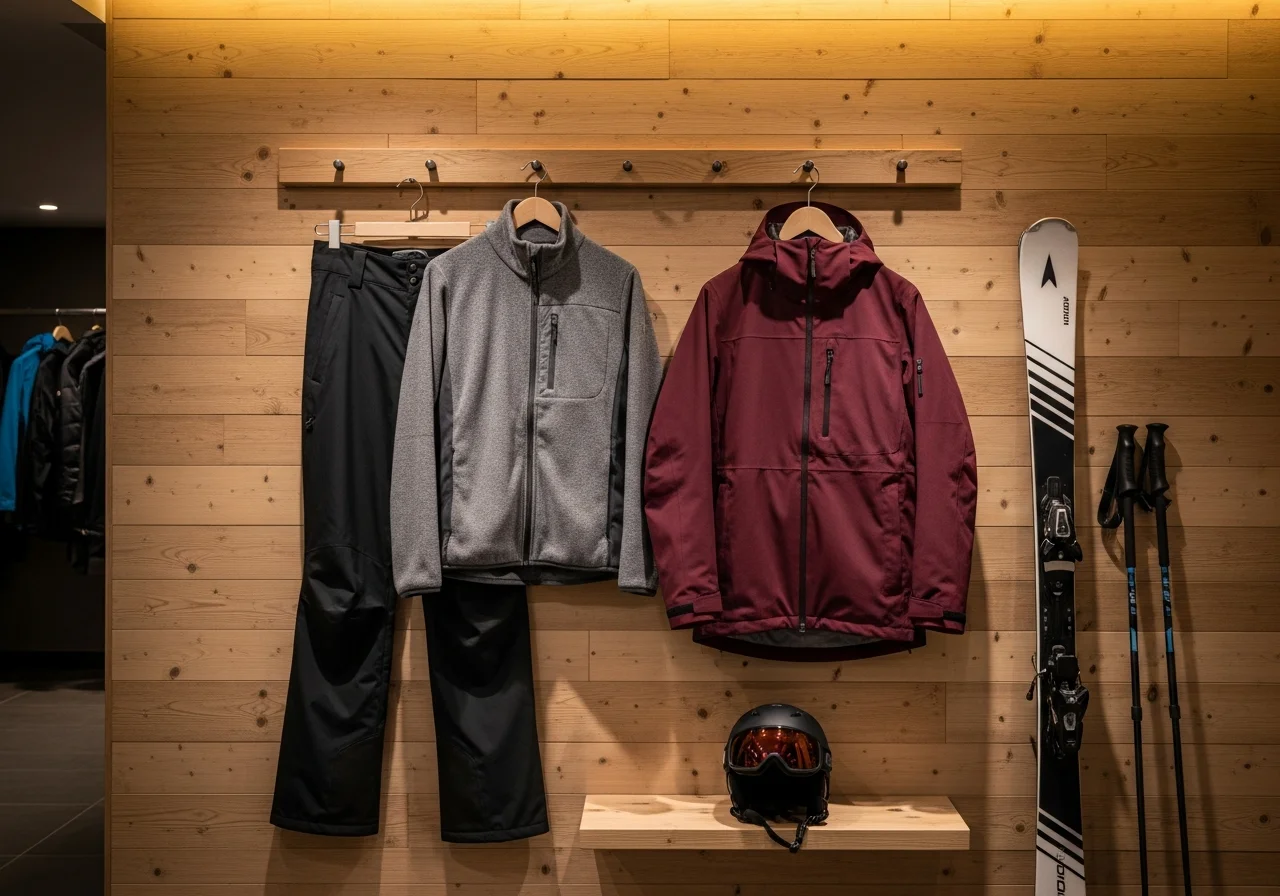
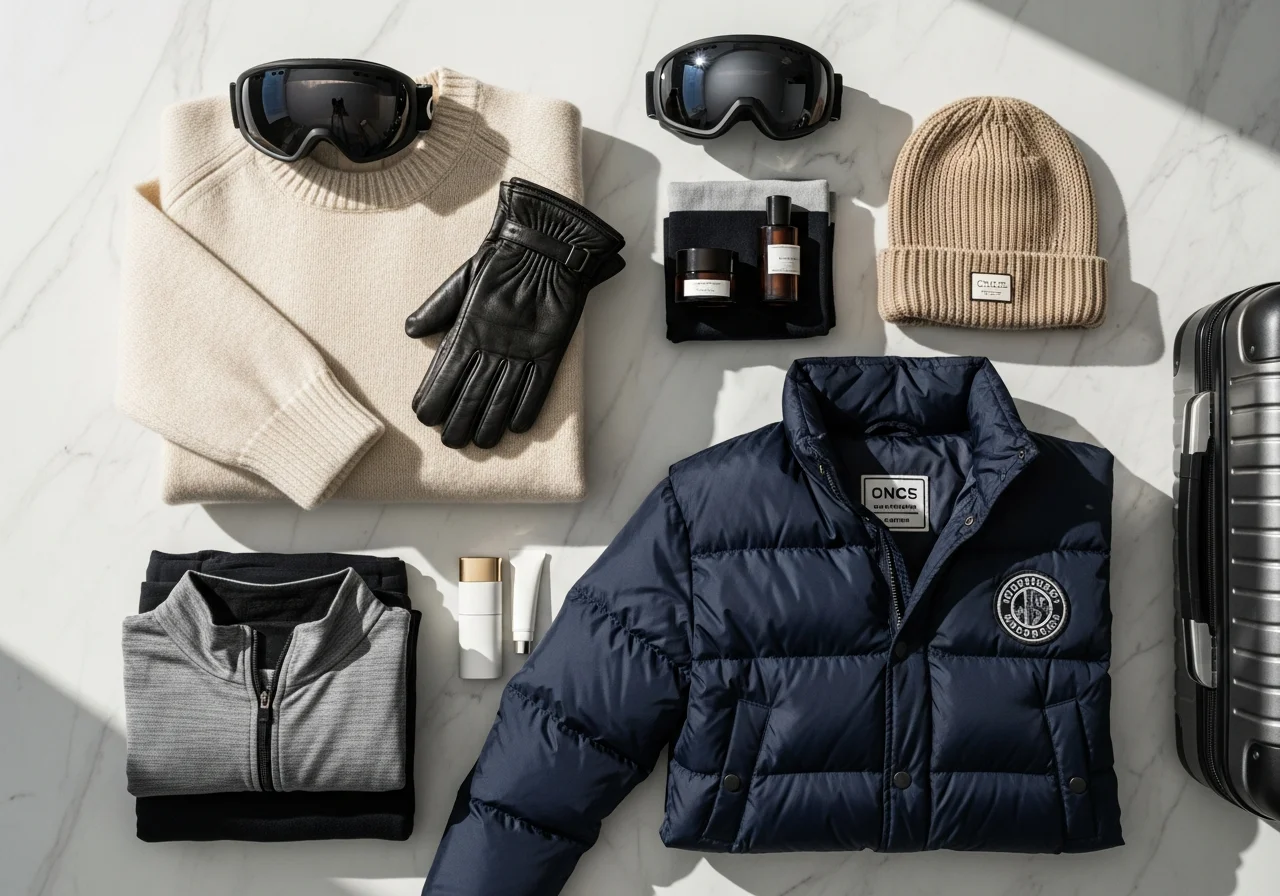
Your ski jacket serves as your primary defense against wind, snow, and freezing temperatures. A quality waterproof and breathable ski jacket with sealed seams keeps you dry during snowfall while allowing perspiration to escape. Look for jackets with multiple pockets for storing essentials like your phone, lift pass, lip balm, and snacks. A powder skirt at the hem prevents snow from sneaking up your jacket during falls or deep powder days. If you’re looking to blend function with fashion, these cute ski outfits for a winter getaway offer great inspiration for staying warm without sacrificing style.
Ski pants or bibs complete your outer layer protection. Many experienced skiers prefer bibs because they provide extra coverage around your torso and eliminate the gap that can appear between your jacket and pants. Waterproof ski pants with reinforced knees and seat areas withstand the wear and tear of sitting on chairlifts and occasional tumbles. For a weekend trip, one pair of quality ski pants suffices since they rarely get wet on the inside. When preparing your ski trip packing list, don’t forget to include these essential outer layers.
Consider packing a lightweight fleece or insulated mid-layer jacket that fits comfortably under your ski jacket. This versatile piece adds warmth on particularly cold days and transitions beautifully to après-ski activities when paired with jeans. The layering system allows you to adjust your warmth level throughout the day as temperatures fluctuate and your activity level changes.
Critical Accessories for Mountain Safety and Comfort
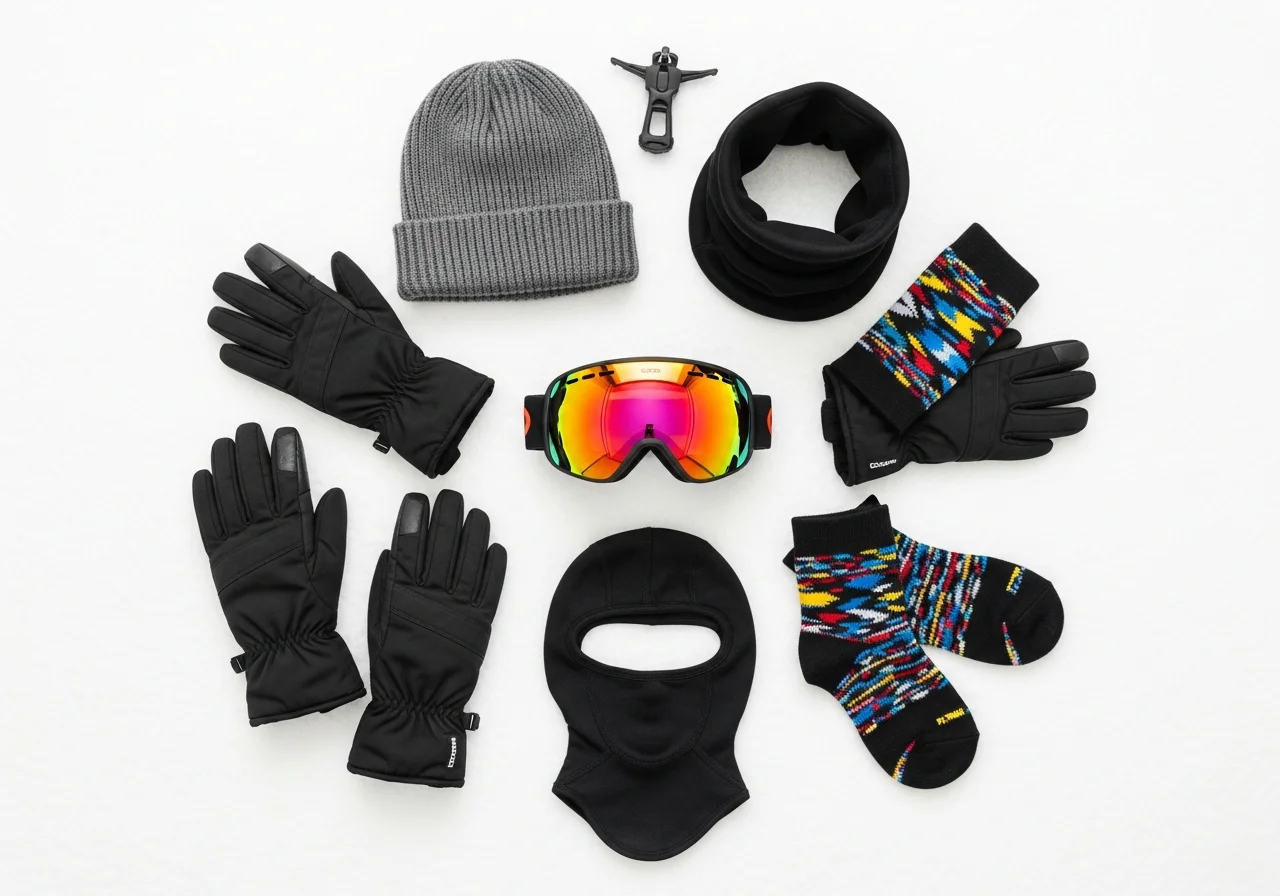
Ski goggles rank among the most important accessories you’ll pack. Weather conditions change rapidly in the mountains, and proper eye protection ensures you can see clearly regardless of sun, snow, or clouds. Pack goggles with interchangeable lenses or bring two pairs—one with darker lenses for sunny days and another with yellow or rose-tinted lenses for flat light conditions. Anti-fog coating and proper ventilation prevent the frustration of foggy goggles mid-run.
Quality ski gloves or mittens protect your hands from frostbite and improve your grip on ski poles. Many skiers prefer a two-layer approach with thin liner gloves worn under insulated waterproof outer gloves. This system allows you to remove the outer layer for tasks requiring dexterity, like adjusting your phone or checking your lift pass, without exposing bare skin to freezing air.
A warm beanie or headband worn under your helmet keeps your ears protected from biting wind. Neck warmers or balaclavas provide additional face protection on extremely cold or windy days. Ski-specific socks deserve special mention as regular athletic socks simply do not provide adequate cushioning or warmth. Invest in tall, cushioned ski socks that reach your mid-calf and never double up on socks, which creates uncomfortable pressure points and restricts circulation. Many of these cold-weather must-haves overlap with everyday staples—these winter wardrobe essentials to stay warm and chic are worth having beyond ski trips too.
Footwear for On and Off the Mountain
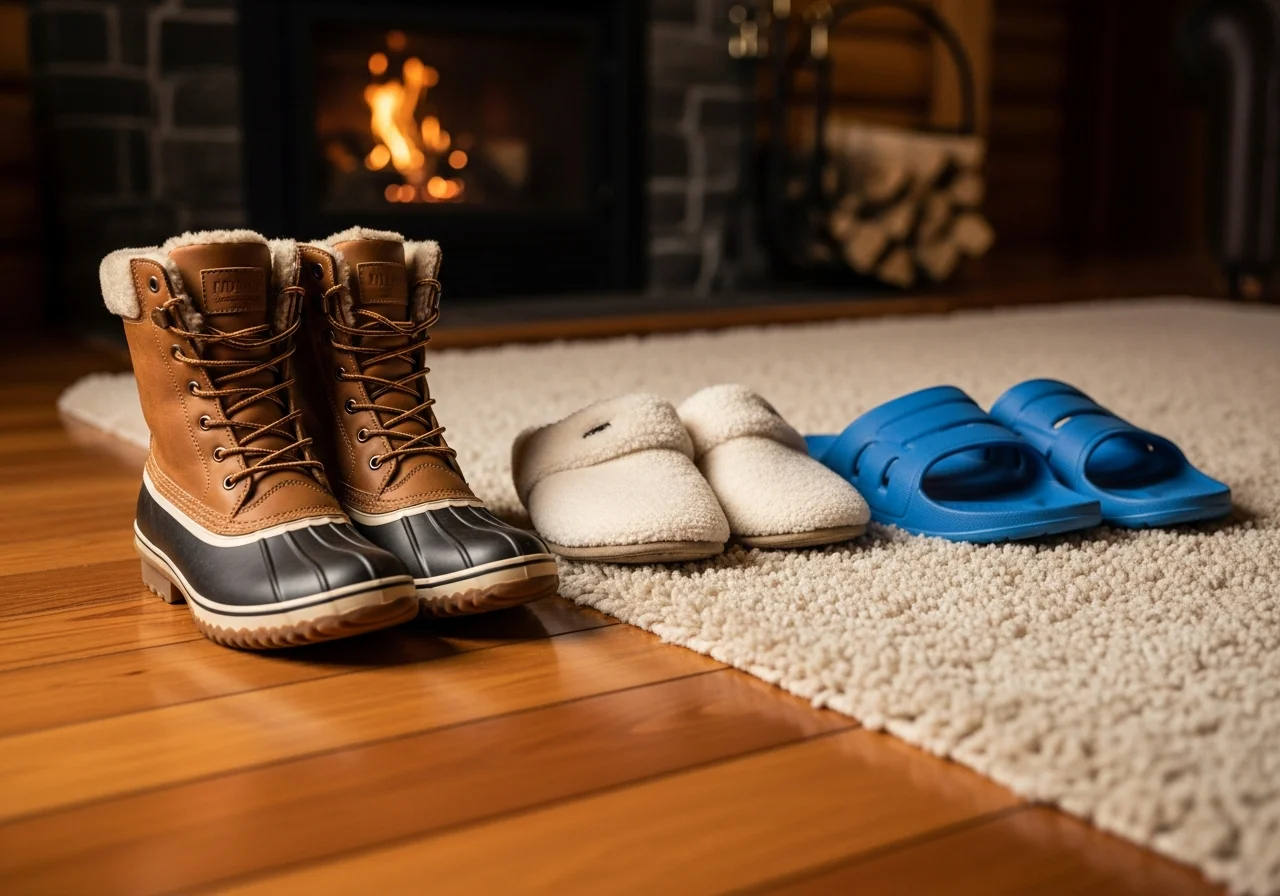
Unless you own skis and boots, you’ll likely rent equipment at your destination resort. However, having the right footwear for getting to and from the slopes makes a significant difference in your comfort. Waterproof winter boots with good traction handle icy parking lots and snowy village streets. Choose boots that look stylish enough for dinner but functional enough for winter conditions.
Many ski lodges maintain warm indoor temperatures, so consider packing a lightweight pair of shoes or slippers for wearing inside your accommodation. After a long day on the slopes, your feet will appreciate the chance to breathe in something other than ski boots. For hot tub visits, pool slides or flip-flops prove essential, though your winter boots can work in a pinch for the short walk from your room.
Boot dryers represent one of the best investments for regular skiers. These compact devices dry and warm your ski boots overnight, ensuring you start each day with comfortable, dry boots rather than struggling into cold, damp equipment. Many ski resorts provide boot storage with built-in dryers, but having a portable option gives you flexibility.
Après-Ski Style Essentials
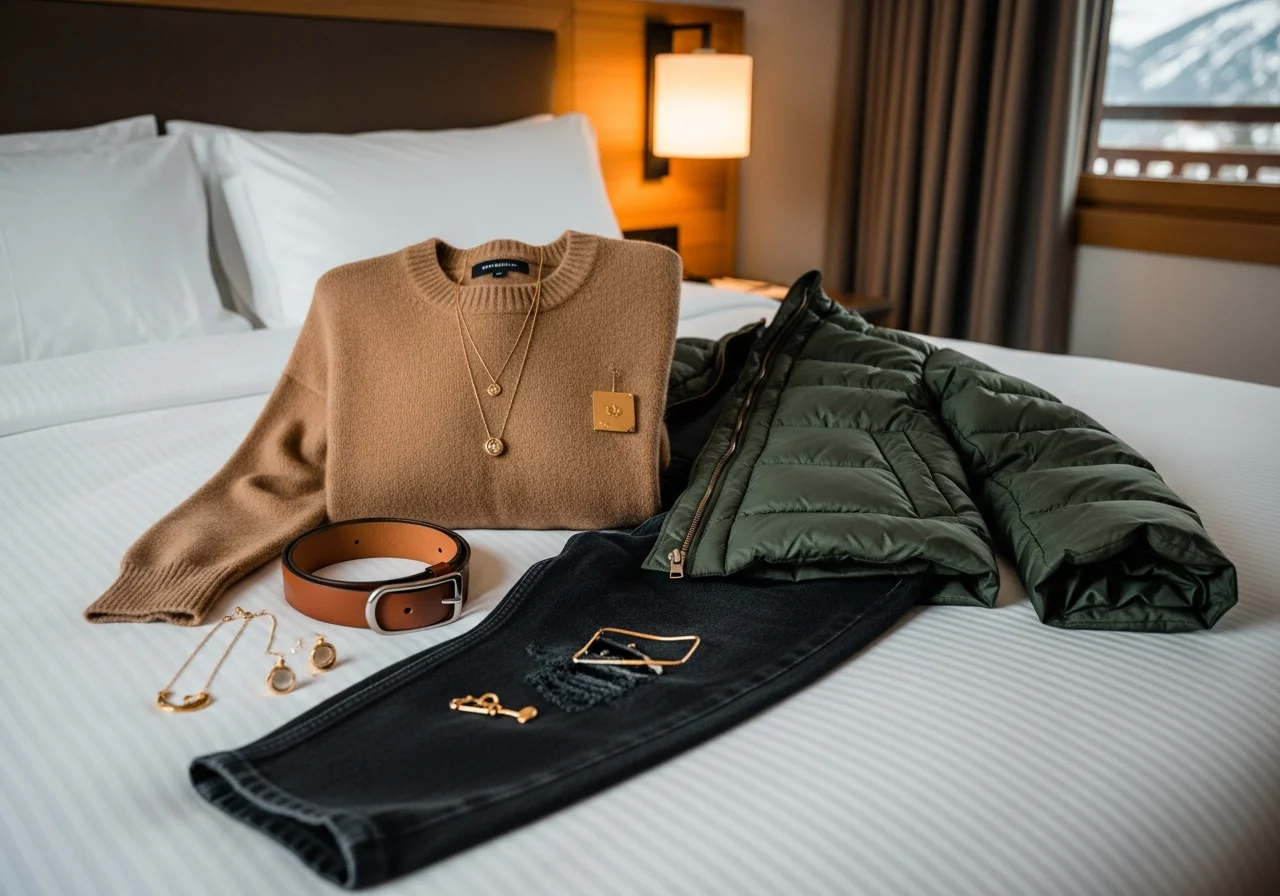
The hours after skiing offer opportunities to socialize, dine, and relax, making your off-slope wardrobe equally important as your ski gear. A cashmere or wool sweater in a neutral color serves as the cornerstone of your après-ski capsule. This versatile piece looks equally appropriate over thermal leggings for casual lodge lounging or paired with jeans for dinner at a nice restaurant. For more elevated evening looks, explore these après-ski party outfits that perfectly balance comfort and mountain-chic style.
Pack dark jeans that coordinate with multiple tops and hide any dirt or moisture from snowy conditions. Stretchy, comfortable jeans work best since you’ll likely feel tired and want clothes that allow easy movement. Some ski destinations embrace more casual vibes where athletic leggings and fleece suffice, while others maintain more polished standards for dining establishments. If your ski weekend includes upscale dining, these dinner outfits for every occasion can help you dress appropriately without overpacking.
A secondary jacket different from your ski coat elevates your evening look. Consider a stylish puffer jacket, wool coat, or sherpa-lined bomber that provides warmth without the bulk of technical ski wear. This jacket transitions seamlessly from browsing shops to dining at mountain restaurants.
Cozy Loungewear for Ultimate Relaxation
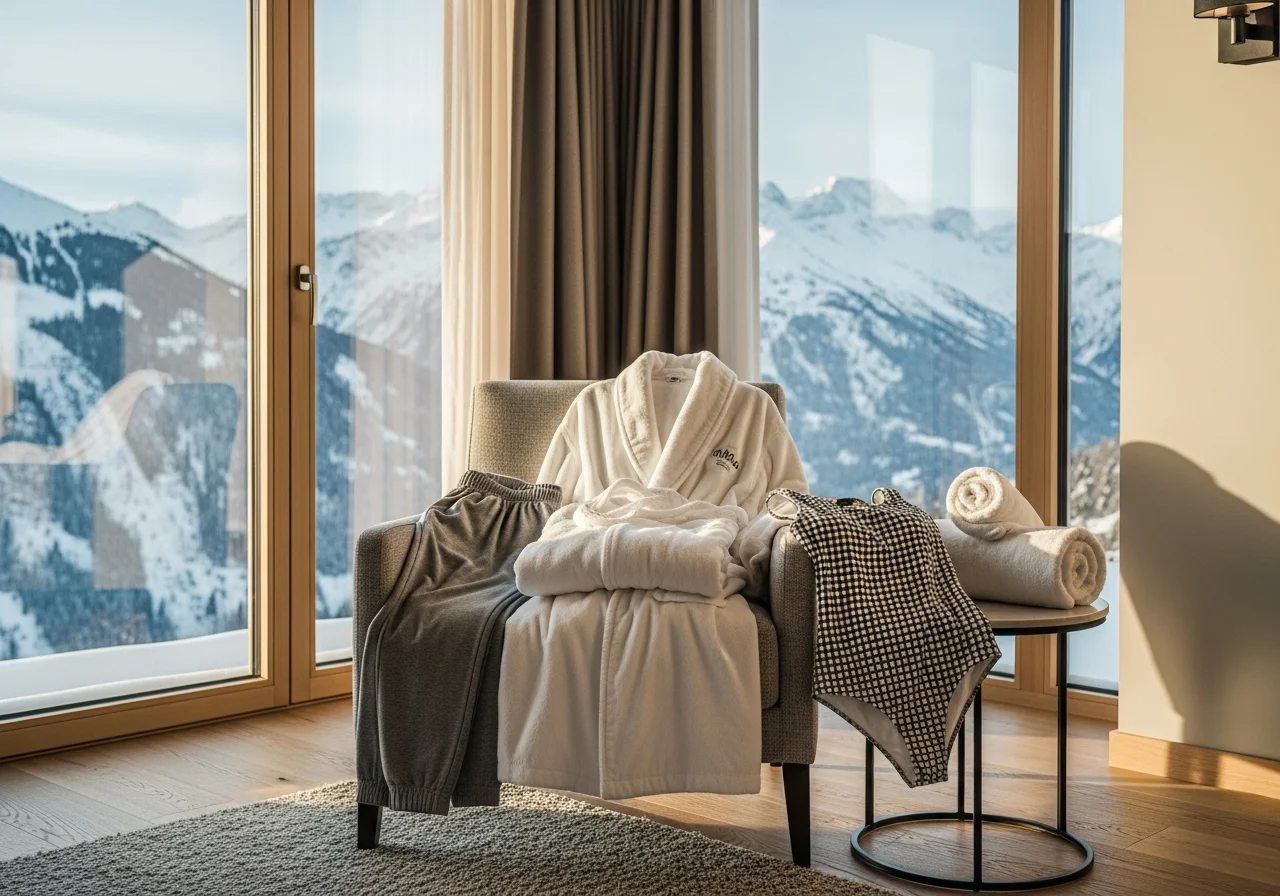
Ski trips drain your energy, making comfortable loungewear crucial for recovery time. Pack soft joggers or leggings and an oversized sweatshirt for lazy mornings before hitting the slopes or evening relaxation after dinner. Many modern ski lodges feature incredible amenities like heated pools and hot tubs, making swimwear an essential item despite the snowy surroundings.
A plush robe provides comfort for padding around your room and makes the journey from your warm accommodation to outdoor hot tubs more bearable. If your lodging provides robes, you can skip packing one, but having your own ensures the perfect fit and comfort level. Quick-dry towels take up minimal luggage space while providing functionality for both hot tub sessions and regular showers.
Quality sleepwear appropriate for the chilly mountain environment ensures restful nights between skiing days. Thermal pajamas or soft flannel sets keep you warm if your room temperature drops overnight. Remember that mountain accommodations often run drier than typical homes, so keeping covered helps prevent dry skin discomfort.
Beauty and Skincare Protection

Mountain environments wreak havoc on skin due to harsh winds, intense sun exposure from snow reflection, and low humidity levels. A comprehensive skincare routine protects your complexion throughout your trip. Pack a rich moisturizer and apply it generously morning and night. Facial mist or hydrating toner helps combat the drying effects of indoor heating and outdoor cold.
Sunscreen becomes absolutely critical at high altitudes where UV radiation increases significantly. Apply broad-spectrum SPF 30 or higher to all exposed skin every morning, even on cloudy days. The snow reflects up to 80 percent of UV rays, effectively doubling your sun exposure. Reapply throughout the day, especially on your face, ears, and neck.
Lip balm with SPF prevents painful chapped and sunburned lips. Keep multiple tubes handy—one in your jacket pocket for on-slope application, another in your lodging, and a third in your purse or bag. Overnight lip masks or thick balms heal lips while you sleep. Your hair faces challenges too, so bring a nourishing hair mask or deep conditioner to counteract static and dryness.
Smart Packing Strategies and Organization
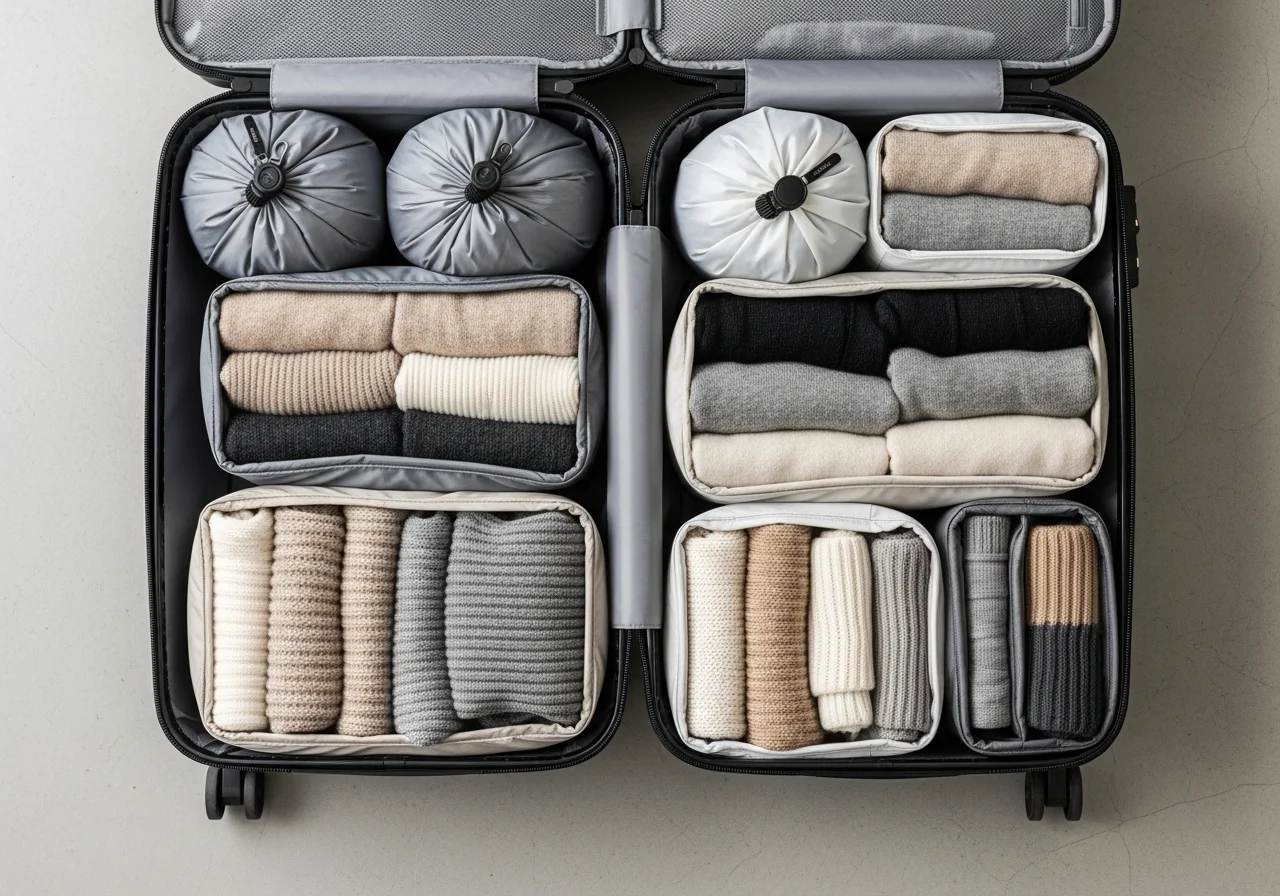
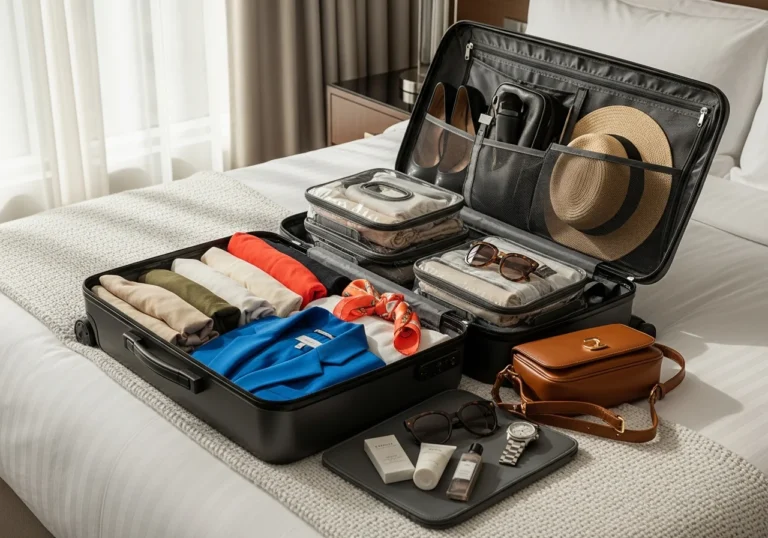
Packing efficiently for a ski trip requires different strategies than other vacations due to the bulky nature of winter gear. Compression packing cubes help organize clothing by category while maximizing suitcase space. Roll softer items like base layers and sweaters to save room, and use every bit of available space by stuffing socks and small items inside boots or helmet. For a complete and expertly organized checklist of everything you might need on a ski trip from ski gear to off‑mountain essentials. Check out this ski trip packing checklist
Stick to a coordinated color palette so every piece works with multiple other items. Neutrals like black, grey, navy, and cream ensure maximum outfit combinations from minimal pieces. This approach proves especially valuable when you need to pack lighter for air travel with baggage restrictions. Following a ski trip packing list ensures you bring all the essentials while keeping your luggage organized and lightweight.
Keep one outfit and essential items in your carry-on bag when flying to ski destinations. Lost luggage creates particular stress when you need specialized equipment and clothing. Having base layers, a warm sweater, and basic toiletries accessible means you can at least rent ski equipment and get on the mountain while waiting for your checked bag to arrive. Following a winter capsule wardrobe approach makes it easier to mix and match outfits while packing efficiently for a short ski trip.
Technical Gear Considerations

Deciding whether to bring your own skis and equipment versus renting at your destination depends on several factors. Frequent skiers who own equipment often prefer using familiar gear. However, checking skis and boots with airlines involves fees, potential damage risks, and the hassle of transporting heavy equipment. Many destination resorts offer high-quality rental packages that include the latest equipment properly tuned and fitted by professionals.
Helmets provide critical head protection and most experts recommend wearing one regardless of skill level. If you own a helmet, bringing it ensures proper fit and comfort. Rental helmets work fine but may not feel as comfortable for all-day wear. Your helmet should fit snugly without pressure points and sit level on your head covering your forehead.
For those who wear prescription glasses, contact lenses often work better under ski goggles to avoid fogging issues. If you must wear glasses, look for goggles specifically designed to accommodate eyewear. Alternatively, consider prescription ski goggles if you ski frequently enough to justify the investment.
Documents, Electronics, and Final Essentials
Keep important documents organized in a waterproof pouch or folder. Your ski trip packing list should include identification, credit cards, health insurance information, and copies of resort or accommodation reservations. Some resorts require proof of insurance or liability waivers, so check ahead and bring necessary paperwork.
Electronics require special consideration in cold weather. Keep your phone in an inside jacket pocket where body heat prevents battery drain. Portable chargers ensure you can capture photos throughout the day without worrying about power. Waterproof phone cases or pouches protect devices from moisture and accidental drops in snow.
A small first aid kit addresses minor injuries and discomforts. Include bandages, blister treatment, pain relievers, altitude sickness medication if traveling to high elevations, and any prescription medications you regularly take. Hand warmers and toe warmers provide emergency warmth if you get particularly cold on the slopes.
The perfect ski weekend getaway balances preparation with flexibility. Having the right gear packed means you can focus on enjoying the mountain rather than scrambling to purchase forgotten items at inflated resort prices. This comprehensive packing list ensures you stay warm, comfortable, and stylish whether carving fresh powder, sipping hot chocolate by the fire, or dancing at après-ski happy hour. With thoughtful planning and smart packing strategies, your weekend mountain escape will create memories that last long after the snow melts. With this complete ski trip packing list, you’ll be prepared for every mountain adventure and cozy après-ski evening, without forgetting a single essential.
Frequently Asked Questions
What should I wear under my ski pants?
Wear moisture-wicking thermal base layer bottoms directly under your ski pants. Choose midweight or heavyweight options depending on the temperature. Avoid cotton leggings or jeans as they trap moisture and make you cold. Your base layers should fit snugly without bunching or restricting movement.
How many outfits do I need for a weekend ski trip?
For a typical three-day weekend, pack two complete sets of base layers for skiing, one pair of ski pants, one ski jacket, 2-3 casual tops for evenings, one pair of jeans, and comfortable loungewear. This provides enough variety without overpacking, especially since outer ski layers rarely need changing daily.
Can I wear regular winter gloves for skiing?
Regular winter gloves lack the waterproofing and insulation needed for extended skiing. Ski-specific gloves feature waterproof membranes, longer cuffs that tuck into jacket sleeves, reinforced palms for pole grip, and superior insulation. Invest in proper ski gloves to avoid cold, wet hands that cut your ski day short.
Should I bring my own ski boots or rent?
Most skiers rent boots unless they ski frequently enough to justify purchasing custom-fitted equipment. Rental boots from reputable shops work well and ensure you have properly maintained equipment. If you own boots and plan to rent skis, bringing your own boots makes sense since they’re already molded to your feet.
What skincare products are essential for ski trips?
Your ski trip skincare essentials include high SPF sunscreen, intensive moisturizer, SPF lip balm, and a hydrating overnight face mask. The combination of sun, wind, dry air, and high altitude damages skin quickly. Apply sunscreen every morning and reapply frequently, even on cloudy days, and moisturize morning and night.