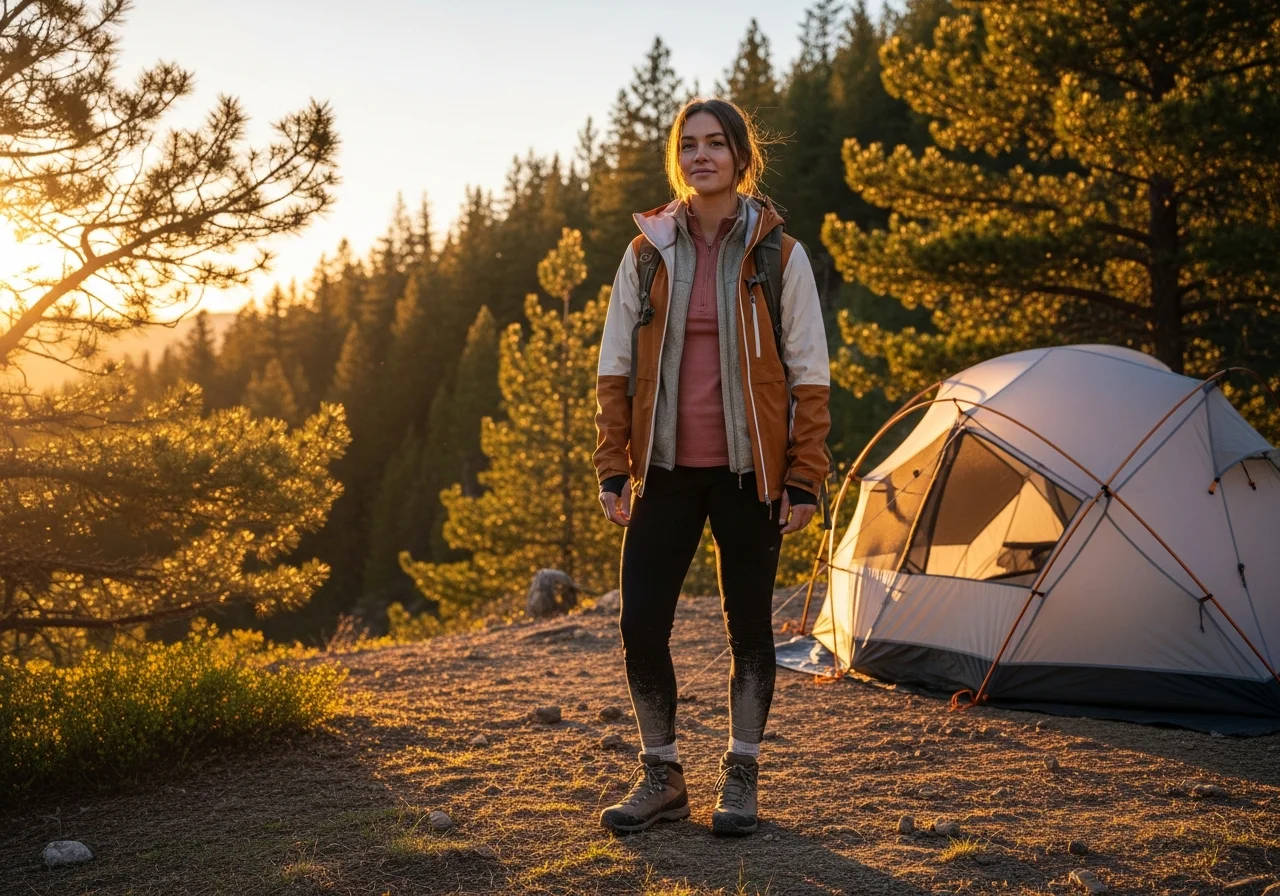
A Chic Survival Guide to What to Wear Camping
Camping offers an escape from everyday life, a chance to reconnect with nature and unplug from the demands of modern living. Yet nothing can ruin a camping trip faster than wearing the wrong clothes. Whether you’re setting up a tent by a mountain lake or parking your RV at a coastal campground, knowing what to wear camping transforms your outdoor adventure from a potential ordeal into a comfortable, memorable experience.
The secret to successful camping attire lies not in expensive gear or complicated systems, but in understanding a few fundamental principles about fabric selection, layering strategies, and practical preparation. This guide walks you through everything you need to know about creating a camping wardrobe that keeps you comfortable, protected, and ready for whatever nature throws your way.
Understanding Your Camping Environment
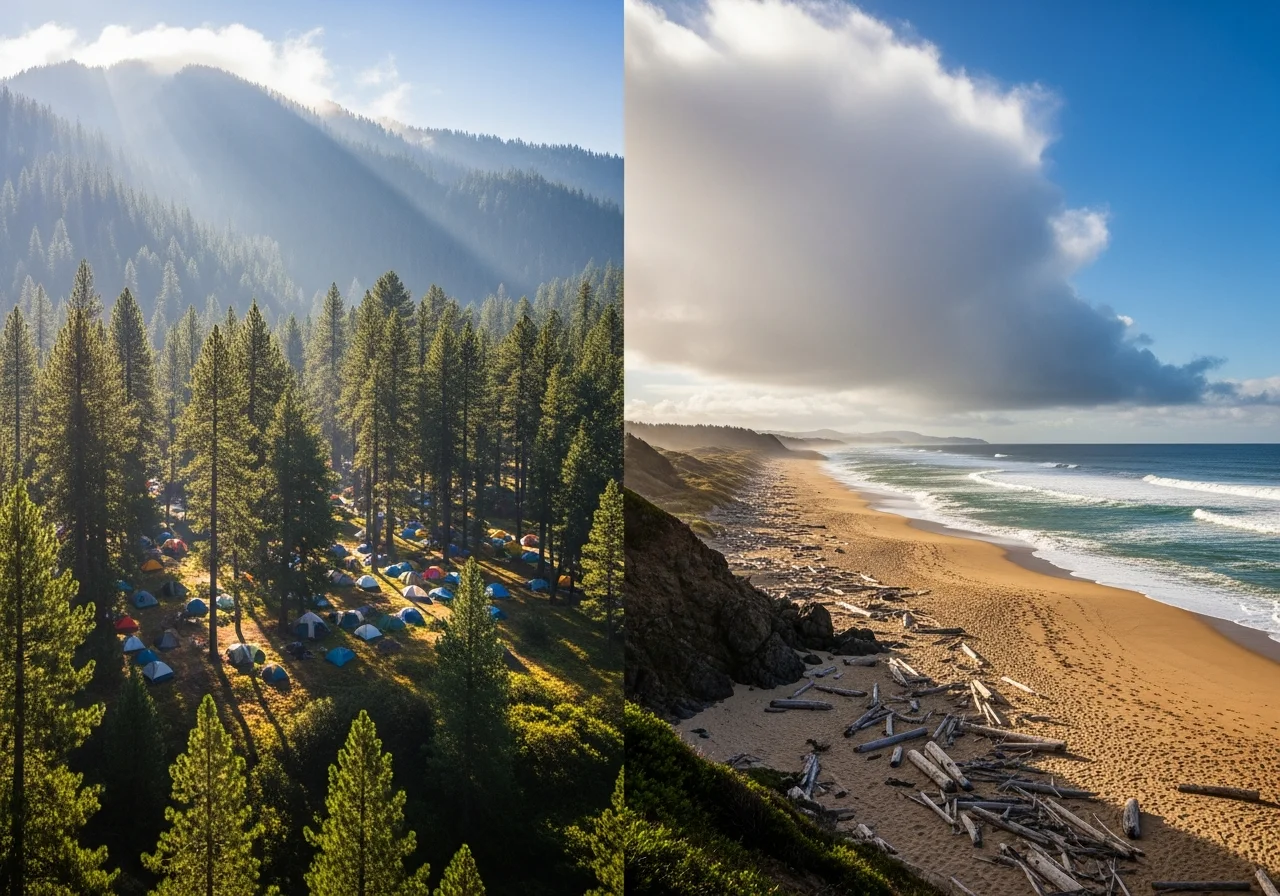
Before you start packing, take time to research your camping destination. The clothing you need for a summer beach campsite differs dramatically from what you’ll wear in a mountain forest during autumn. Temperature ranges, terrain types, and planned activities all influence your packing decisions.
Check weather forecasts for the entire duration of your trip, but also prepare for unexpected changes. Mountain weather can shift rapidly, and coastal areas often experience significant temperature drops after sunset. Understanding these patterns helps you pack appropriately without overpacking.
Consider the specific activities you have planned. Will you be hiking rugged trails, paddling calm waters, or simply relaxing by the campfire? Each activity demands different clothing considerations. Active pursuits require breathable, flexible fabrics, while sedentary evening hours call for warmer, cozier layers.
The Foundation: Base Layer Essentials
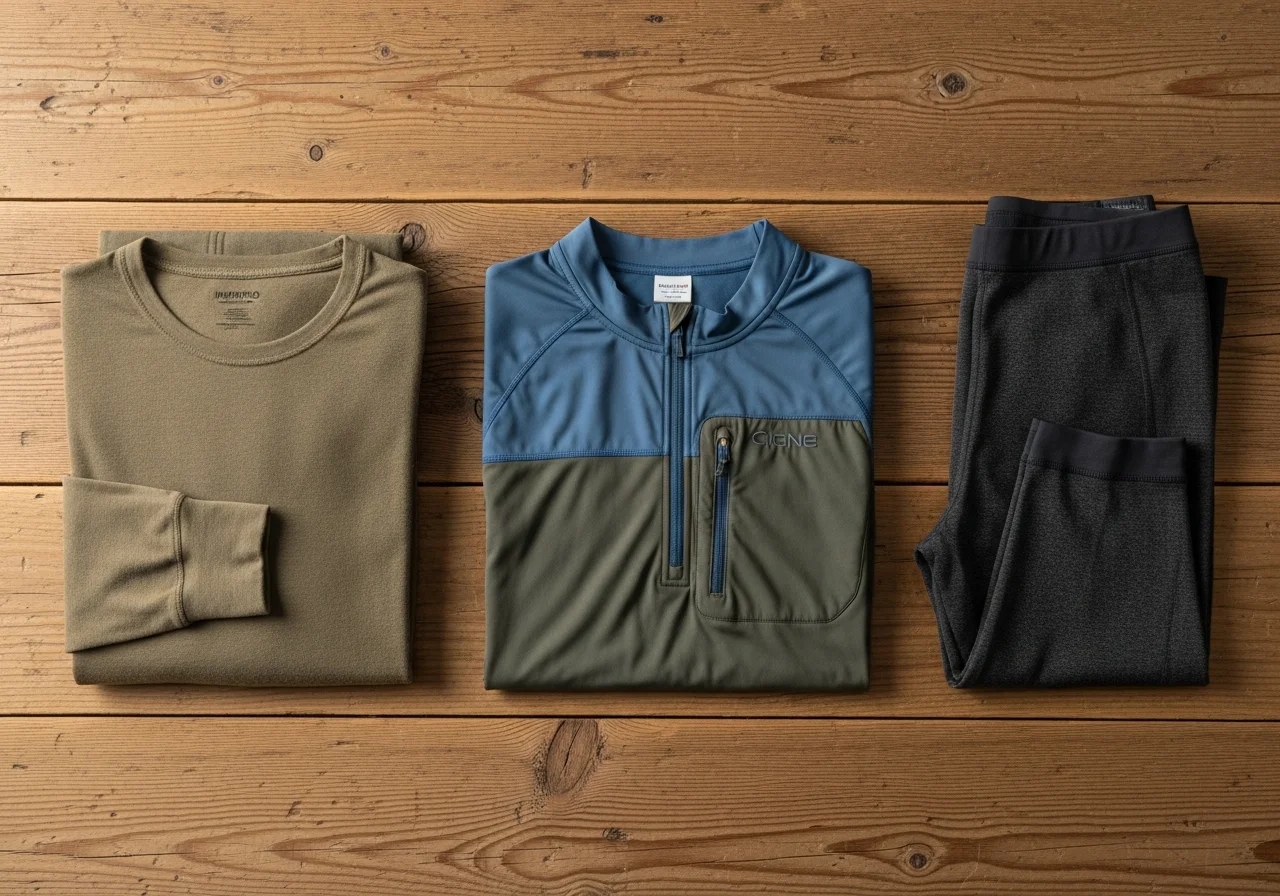
Your base layer sits directly against your skin and serves a critical function in regulating body temperature and moisture. This foundation makes or breaks your comfort level throughout the day.
Choose fabrics that wick moisture away from your skin rather than absorbing it. Merino wool offers excellent temperature regulation, naturally resists odors, and maintains warmth even when damp. Synthetic materials like polyester and nylon dry faster and typically cost less, making them practical choices for budget-conscious campers.
Never wear cotton as a base layer. Cotton absorbs moisture, takes hours to dry, and loses all insulating properties when wet. This combination can leave you cold, uncomfortable, and potentially at risk for hypothermia in cooler conditions. Save your cotton clothing for casual wear at home.
Pack lightweight base layer tops in both short and long-sleeve options. Long sleeves provide sun protection, guard against insects, and offer extra warmth during cooler mornings and evenings. Bring at least two complete sets of base layers so you can rotate them throughout your trip, keeping one set clean and dry for sleeping.
Camping Layering Guide
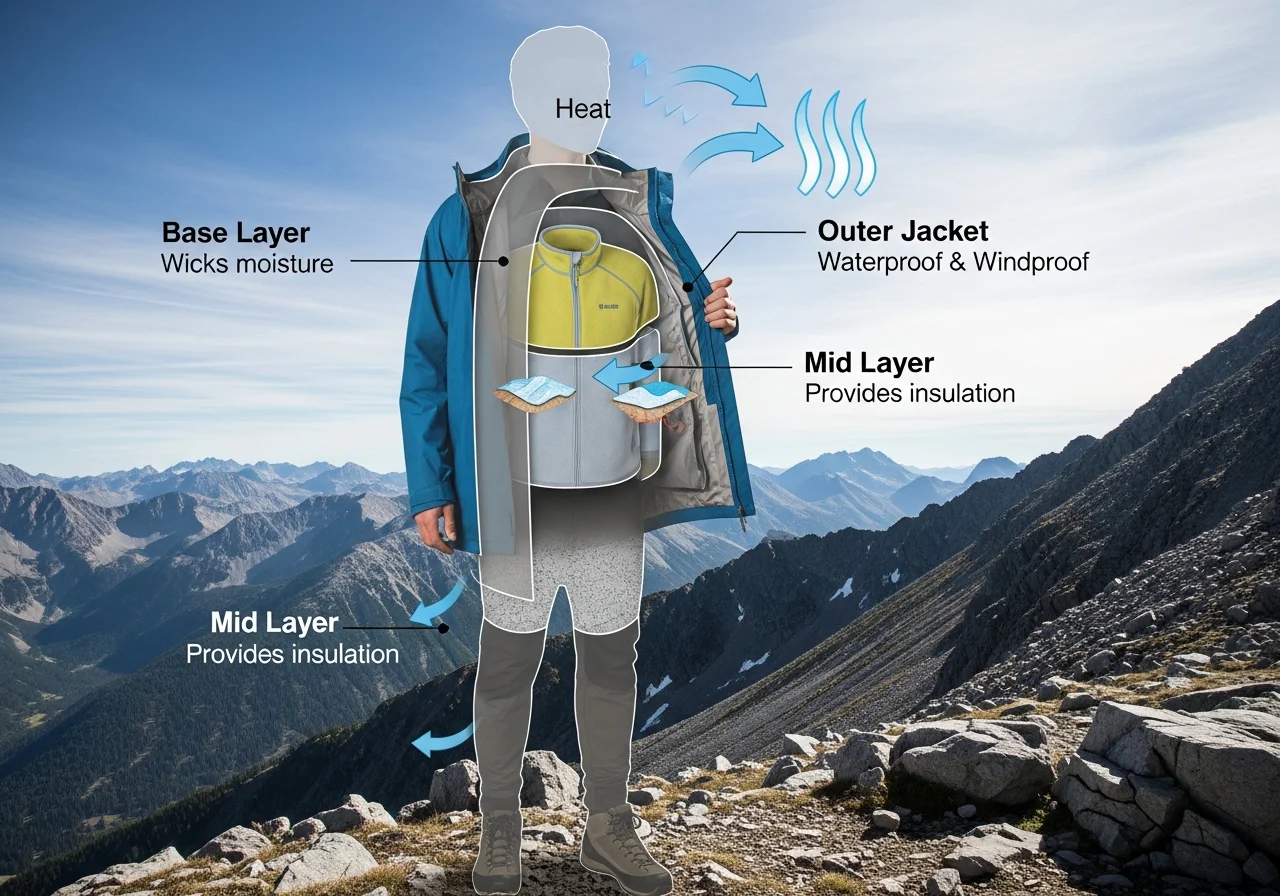
Understanding the layering system gives you ultimate control over your comfort in changing conditions, a method supported by expert outdoor layering guides. The concept involves wearing multiple thin layers rather than one thick garment, allowing you to add or remove pieces as temperatures fluctuate.
The three-layer system consists of base layers for moisture management, insulating layers for warmth, and outer layers for protection from wind and rain. This flexible approach lets you adapt quickly to morning chill, afternoon heat, and evening cold without completely changing outfits.
Your insulating layer traps warm air close to your body. Fleece jackets work beautifully for this purpose, offering excellent warmth-to-weight ratios and remaining effective even when slightly damp. For colder conditions, consider a lightweight down or synthetic puffy jacket that compresses easily into your pack.
Mid-layer options should balance warmth with breathability. A fleece pullover or lightweight wool sweater provides substantial insulation without causing overheating during moderate activity. Look for pieces with zippered fronts or quarter-zips that allow quick ventilation adjustments.
Many of these layering essentials overlap with everyday cold-weather staples, which we’ve also covered in our guide to winter wardrobe essentials to stay warm and chic.
Choosing the Right Bottoms

Your choice of pants or shorts significantly impacts comfort during camping activities. Quick-drying materials prove essential, especially if you encounter rain, morning dew, or water-based activities.
Convertible pants with zip-off legs offer remarkable versatility. These transform from full-length pants to shorts in seconds, eliminating the need to pack separate items. Look for designs with multiple pockets for storing small essentials like keys, pocket knives, or trail snacks.
Avoid wearing jeans while camping. Denim takes forever to dry, restricts movement, and becomes unbearably heavy when wet. Instead, opt for synthetic hiking pants or performance leggings that move with your body and dry quickly after getting damp.
For warm-weather camping, lightweight shorts provide comfort during daytime activities. Choose styles made from quick-dry fabrics with secure pockets. Some campers prefer athletic shorts with built-in liners for maximum breathability during hot summer days.
Protecting Your Outer Layer

Your outer layer shields you from wind, rain, and other environmental elements. A quality waterproof jacket ranks among the most important items in your camping wardrobe, even during seemingly stable weather patterns.
Look for jackets labeled as waterproof and breathable. These allow perspiration to escape while blocking external moisture, preventing that clammy feeling that develops with non-breathable rain gear. Features like adjustable hoods, underarm vents, and multiple pockets enhance functionality.
Pack your rain jacket regardless of the forecast. Weather predictions fail regularly, and getting caught in unexpected rain without protection can derail your entire camping experience. Modern rain jackets compress into small stuff sacks, taking up minimal space in your pack.
For windy conditions, a lightweight windbreaker provides protection without adding bulk. These thin shells block breezes that steal body heat while remaining breathable enough for active use. Many windbreakers pack down small enough to fit in a cargo pocket.
Footwear for Every Situation
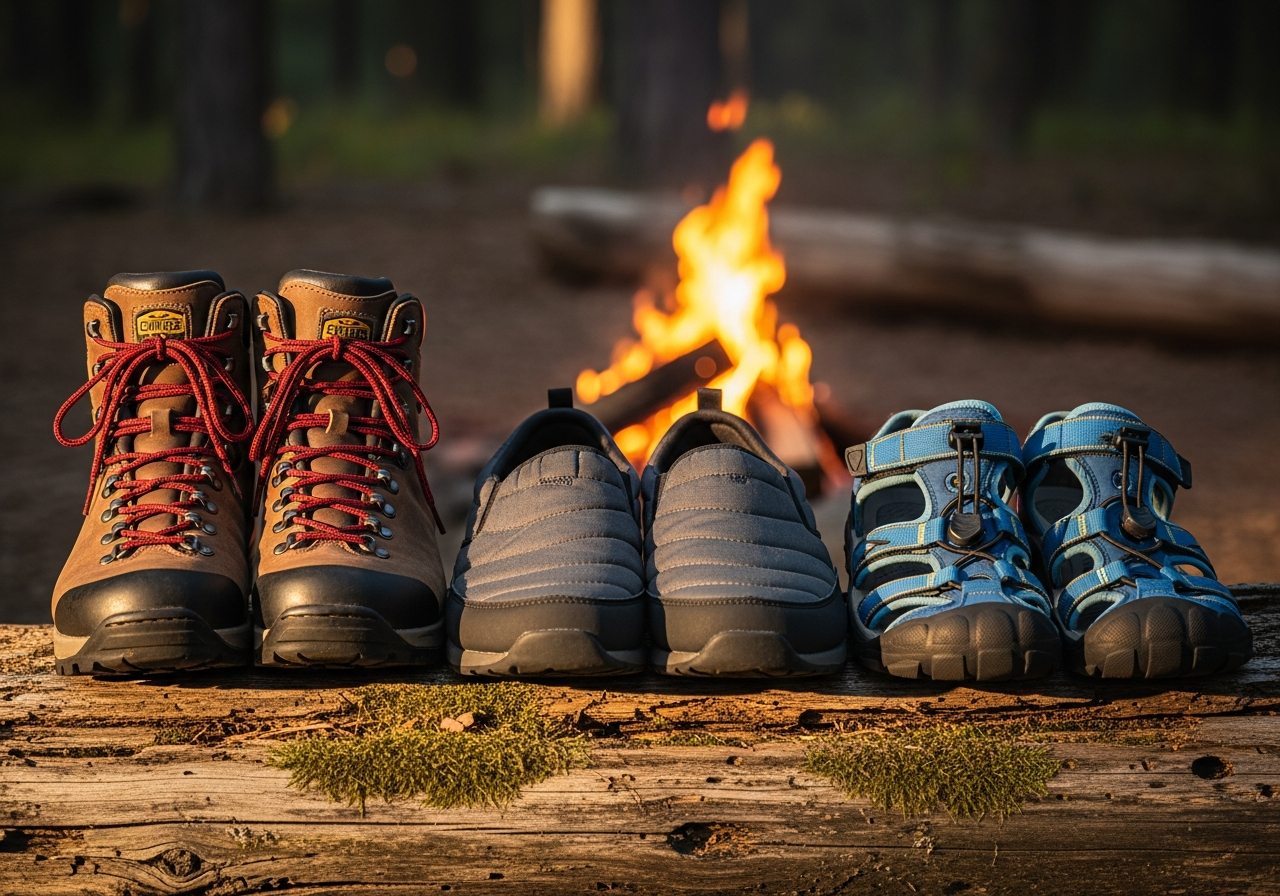
Proper footwear makes the difference between enjoying your camping trip and suffering through it. Plan to bring at least three different pairs of shoes to cover various activities and conditions.
Hiking boots or trail shoes serve as your primary footwear for exploring terrain. Choose options with good ankle support, aggressive tread patterns for traction, and water-resistant materials. Break in new boots before your trip to avoid painful blisters in the backcountry.
Camp shoes provide comfort and convenience around the campsite. Slip-on designs work best since you’ll be taking them on and off frequently for tent entry, shower trips, and quick midnight bathroom runs. Closed-toe options like lightweight slip-on sneakers protect your feet better than sandals.
Water shoes or sport sandals prove invaluable if your camping plans include swimming, wading through streams, or walking on rocky beaches. Choose designs that stay secure on your feet and drain water quickly. Some campers use these versatile shoes as their primary camp footwear during warm weather.
Selecting Smart Sleepwear
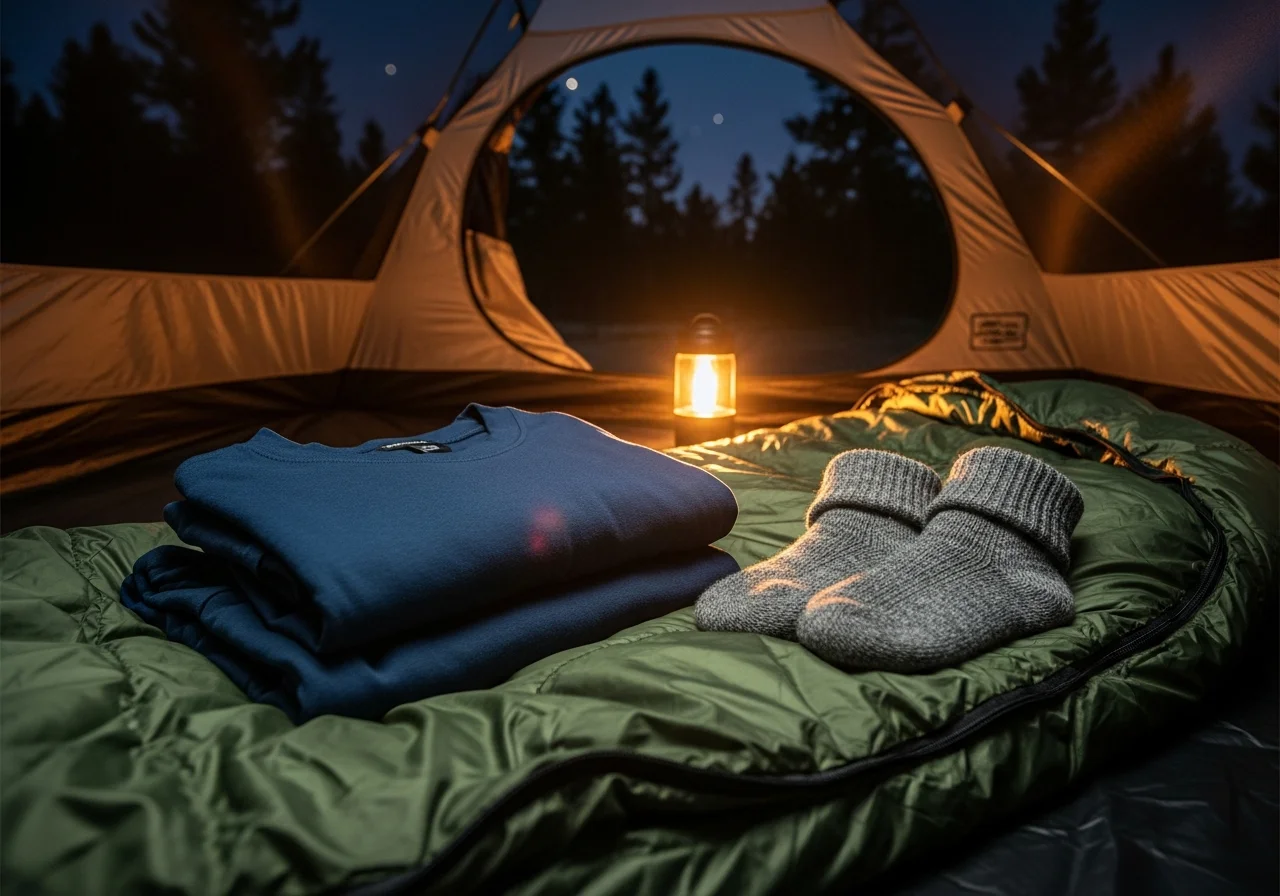
Dedicated sleeping clothes keep you warmer and more comfortable through the night. Wearing the same clothes you hiked in leaves your sleeping bag dealing with accumulated moisture and odors, reducing its insulating effectiveness.
Pack clean, dry base layers specifically for sleeping. These might be the same style as your daytime base layers, just kept separate and fresh. Merino wool socks dedicated to nighttime use transform cold feet into cozy toes, making a remarkable difference in sleep quality.
Choose sleepwear that allows easy movement and doesn’t restrict circulation. Loose-fitting options work better than tight garments that might bind during sleep. Remember that you’ll likely wear these clothes for nighttime bathroom trips, so select pieces you feel comfortable being seen in around the campground.
Avoid overdressing for sleep. Your sleeping bag works by trapping warm air around your body, and wearing too many thick layers can actually reduce its effectiveness. Start with base layers and add pieces only if you feel cold after settling in.
Accessorizing for Comfort and Protection
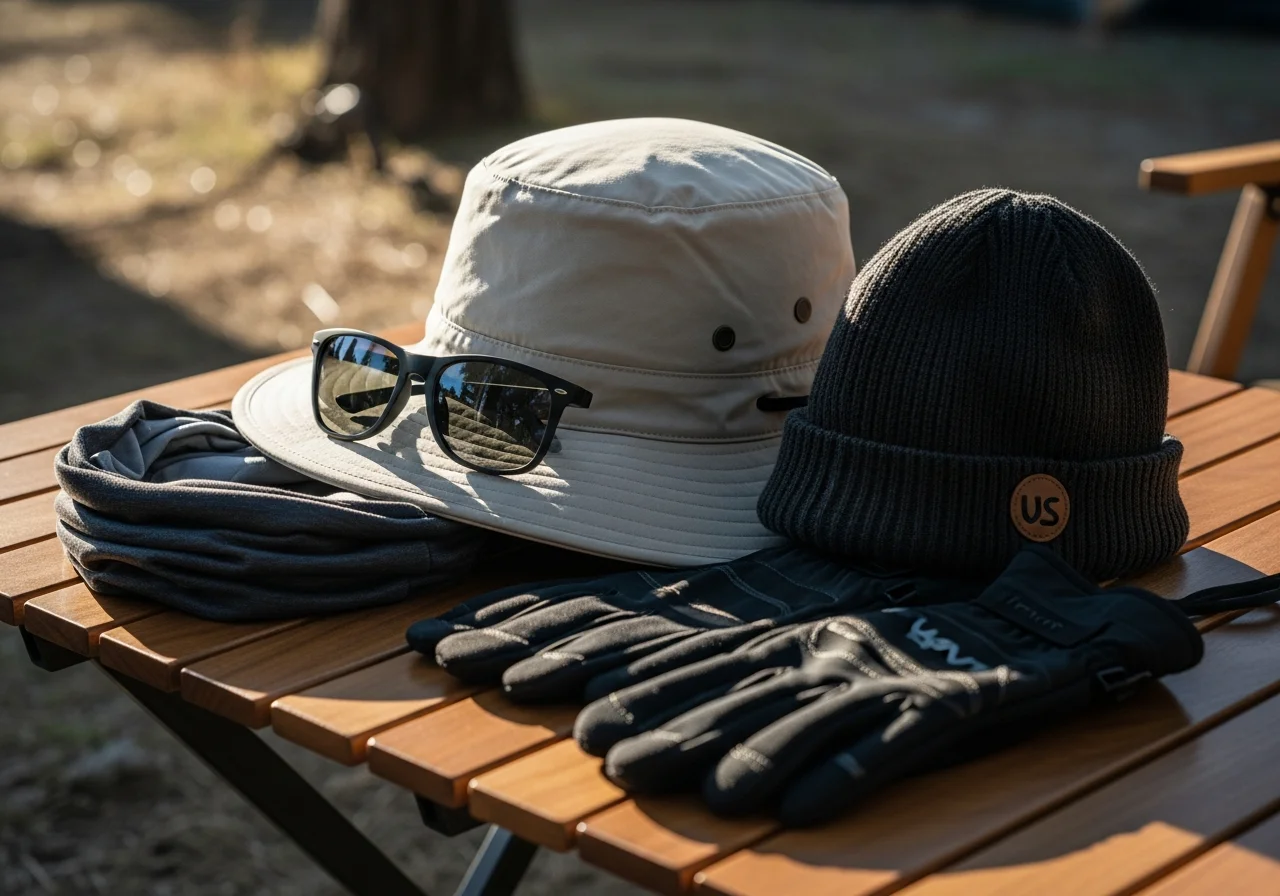
Small accessories often make the biggest difference in camping comfort. These items protect vulnerable body parts from sun, cold, and insects while adding minimal weight to your pack.
A wide-brimmed hat shields your face, ears, and neck from intense sun exposure during daytime activities. Look for designs with adjustable chin straps that prevent your hat from blowing away in wind. Some hats feature moisture-wicking sweatbands that enhance comfort during warm weather.
Warm hats or beanies become essential as temperatures drop in the evening. Your head loses significant body heat, and covering it helps maintain overall warmth. Pack a lightweight beanie even for summer camping trips since mountain nights turn surprisingly cold.
Quality sunglasses protect your eyes from harmful UV rays and reduce glare from water or light-colored terrain. Choose wraparound styles that block light from the sides, and consider polarized lenses if you’ll be near water. Keep a sturdy case in your pack to prevent damage when you’re not wearing them.
Fabric Selection Matters

Understanding fabric properties helps you make informed clothing choices. Different materials excel in different conditions, and knowing these distinctions prevents uncomfortable surprises.
Synthetic fabrics like polyester and nylon excel at moisture management. They wick sweat away from skin, dry remarkably fast, and maintain their shape well. These materials typically cost less than natural alternatives and work excellently for high-output activities.
Merino wool offers unique benefits despite its higher price point. This natural fiber regulates temperature effectively, keeping you cool when hot and warm when cold. It naturally resists odors, allowing multiple wears between washes. Many campers swear by merino wool for multi-day trips. Neutral tones are especially popular in outdoor fashion, and shades like brown and earth tones pair beautifully with performance fabrics, see how this trend translates into everyday wear in our espresso brown outfit ideas guide.
Technical fabrics often incorporate special treatments or weaves that enhance performance. Look for UPF-rated materials that block harmful sun rays, antimicrobial treatments that reduce odor development, and stretch fabrics that move comfortably during active pursuits.
Avoid cotton entirely for any clothing that might get wet or sweaty. Cotton retains moisture, loses insulating properties when damp, and takes excessive time to dry. This combination creates dangerous conditions in cold weather and uncomfortable situations in warm weather.
Camping Clothing for Every Season
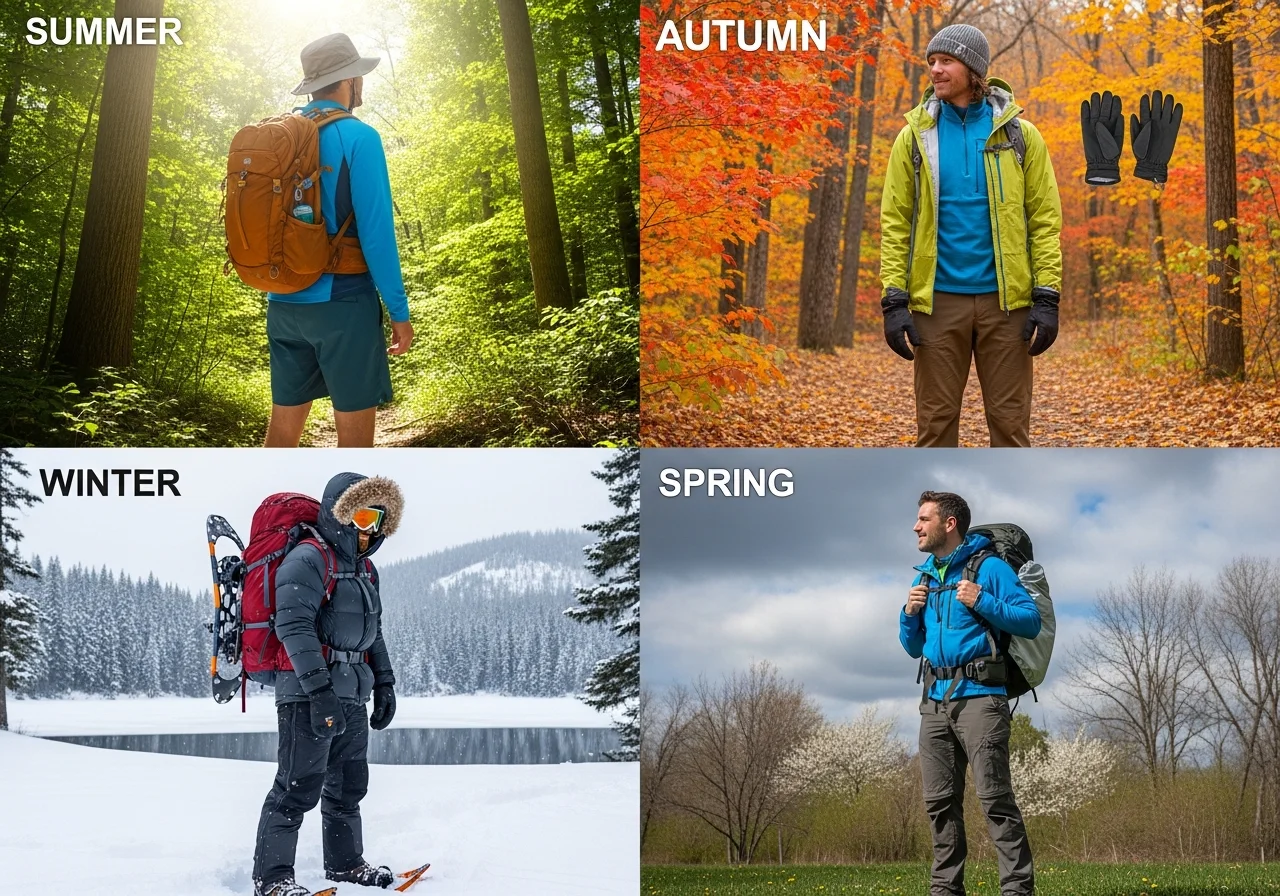
Different seasons demand adjusted approaches to camping clothing. Understanding these variations helps you pack appropriately year-round.
Summer camping prioritizes sun protection and heat management. Lightweight, light-colored clothing reflects heat rather than absorbing it. Long sleeves and pants offer better sun protection than shorts and tank tops, despite seeming counterintuitive. Look for fabrics with built-in UPF ratings for maximum protection.
Spring and fall camping requires more versatile layering systems. Temperature swings between day and night become more pronounced during these shoulder seasons. Pack additional insulating layers and always bring a warm jacket for evening hours around the campfire.
Winter camping demands serious attention to layering and insulation. Base layers become even more critical, and you’ll likely need heavier mid-layers and insulated outer layers. Specialized winter gear like insulated pants, heavy gloves, and face protection becomes necessary in freezing conditions.
If you’re planning cold-weather adventures beyond camping, you may also enjoy our guide to cute ski outfits that upgrade your winter getaway for staying warm without sacrificing style.
Common Clothing Mistakes to Avoid

Learning from common mistakes saves you discomfort and frustration on your camping adventures. These pitfalls catch many first-time campers off guard.
Overpacking remains the most frequent error. You don’t need a complete outfit change for every day of your trip. Plan to wear items multiple times and focus on versatile pieces that work in various combinations. Your car or backpack has limited space.
Underpacking rain gear proves equally problematic. Even during dry seasons, unexpected weather can appear. Always pack a rain jacket and consider rain pants for extended trips or areas with unpredictable weather patterns.
Forgetting about nighttime temperature drops catches many campers unprepared. Even scorching summer days can produce surprisingly cold nights, especially at elevation or in open areas. Always pack warm layers regardless of daytime temperatures.
Neglecting foot care leads to miserable experiences. Blisters, cold feet, or uncomfortable shoes can ruin otherwise perfect camping trips. Invest in quality footwear, bring multiple pairs for different uses, and pack extra socks.
Conclusion
Mastering what to wear camping transforms outdoor adventures from uncomfortable ordeals into enjoyable experiences. The right clothing keeps you comfortable across changing temperatures, protects you from environmental hazards, and allows you to focus on enjoying nature rather than fighting your wardrobe.
Remember that perfect camping attire balances multiple factors including weather conditions, planned activities, personal comfort preferences, and practical constraints. Start with quality base layers, build an effective layering system, invest in proper footwear, and adjust your approach based on seasonal considerations.
Your camping wardrobe will evolve as you gain experience and discover your personal preferences. Pay attention to what works well and what causes problems, then adjust your packing list accordingly. Every camping trip teaches valuable lessons about clothing choices.
Whether you’re planning your first camping adventure or your hundredth, thoughtful attention to clothing selection ensures you’ll stay comfortable, protected, and ready for whatever challenges and joys await in the great outdoors. Pack smart, dress in layers, and embrace the freedom that comes from being properly prepared for your camping journey.
Frequently Asked Questions
What is the most important clothing item for camping?
A waterproof, breathable rain jacket ranks as the single most critical clothing item for camping. Weather can change unexpectedly, and staying dry prevents discomfort and potential health risks. Even on trips with favorable forecasts, always pack quality rain protection.
Can I wear regular clothes while camping?
Regular clothes work for casual campground stays, but technical fabrics perform significantly better for active camping. Avoid cotton entirely, especially for base layers and socks. Performance clothing manages moisture effectively, dries quickly, and maintains insulation properties that regular clothes cannot match.
How many outfit changes should I pack for a weekend camping trip?
Pack two to three outfit changes for a weekend trip. Include one set for daytime activities, one for sleeping, and one backup. Focus on versatile pieces that mix and match rather than complete separate outfits. Quality technical fabrics can be worn multiple times between washes.
Do I really need special camping shoes?
Yes, appropriate footwear dramatically impacts camping comfort and safety. Bring at least hiking boots for trails, camp shoes for around the campsite, and possibly water shoes if swimming is planned. Quality footwear prevents blisters, provides necessary support, and protects feet from various terrain hazards.
How do I stay warm while camping without overpacking?
Master the layering system using multiple thin layers rather than one thick garment. This approach provides better temperature regulation while taking less space. Focus on base layers for moisture management, mid-layers for insulation, and outer layers for wind and rain protection. Choose compressible materials like down or synthetic insulation that pack small but provide excellent warmth.