
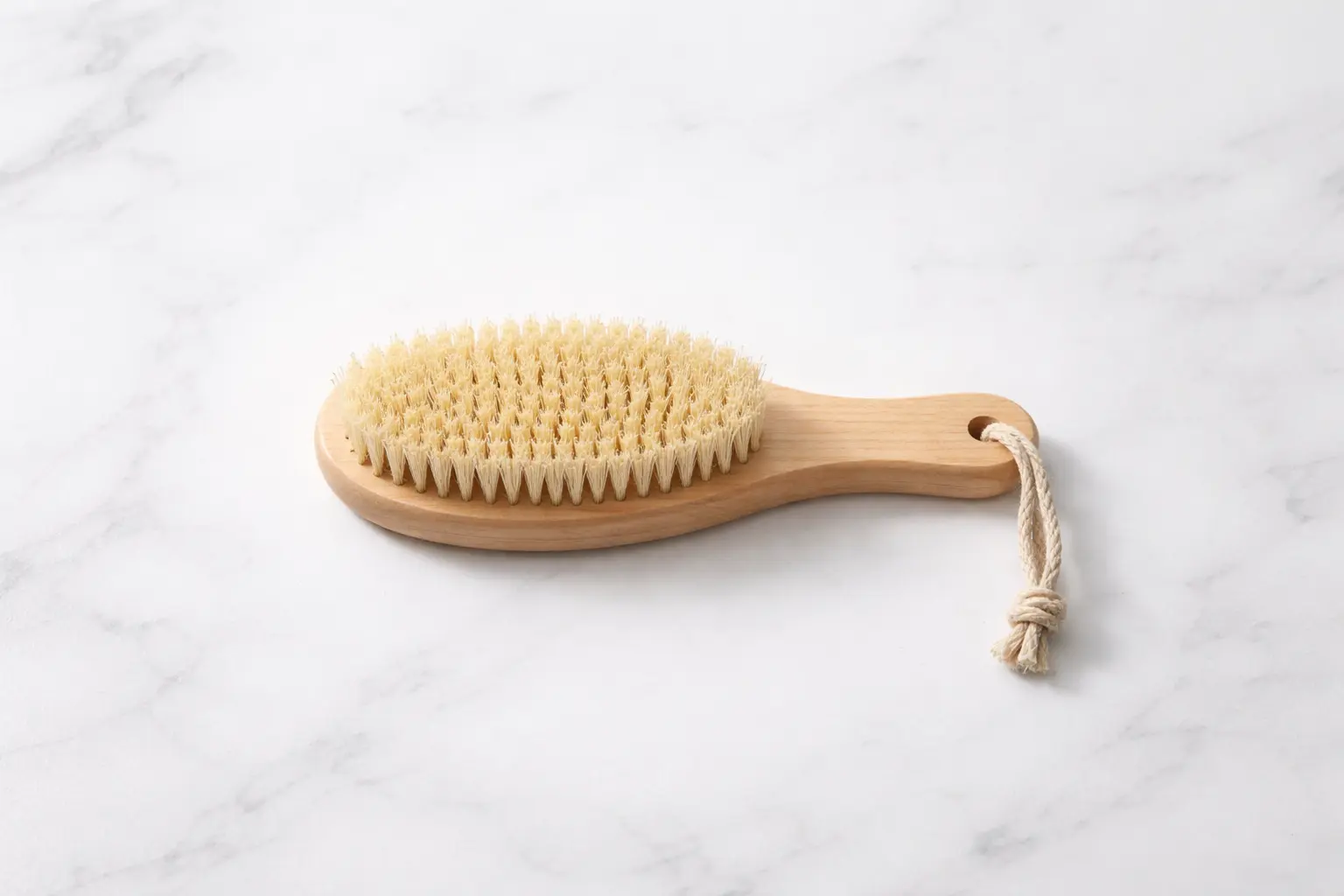
25 Dry Brushing Benefits for Smooth, Healthy Skin
There are very few skincare rituals that cost almost nothing, take under five minutes, and deliver visible results from the very first session. Dry brushing is one of them. Practiced for centuries across ancient Egyptian, Greek, Ayurvedic, and traditional Chinese medicine systems, this deceptively simple technique has earned a permanent place in the routines of dermatologists, wellness experts, and everyday people who swear by the way it transforms their skin.
At its core, dry brushing involves using a firm, natural-bristle brush to sweep across bare, dry skin in upward strokes toward the heart. The mechanical action lifts dead skin cells, stimulates blood flow beneath the surface, and encourages the movement of lymphatic fluid throughout the body. The result is skin that feels softer, looks brighter, and functions more efficiently as one of the body’s most important organs.
This article covers 25 specific, well-researched benefits of dry brushing, explains the science behind each one, and gives you the knowledge to practice it correctly and safely. Whether you are completely new to the technique or looking to deepen your understanding of why it works, you will find everything you need here.
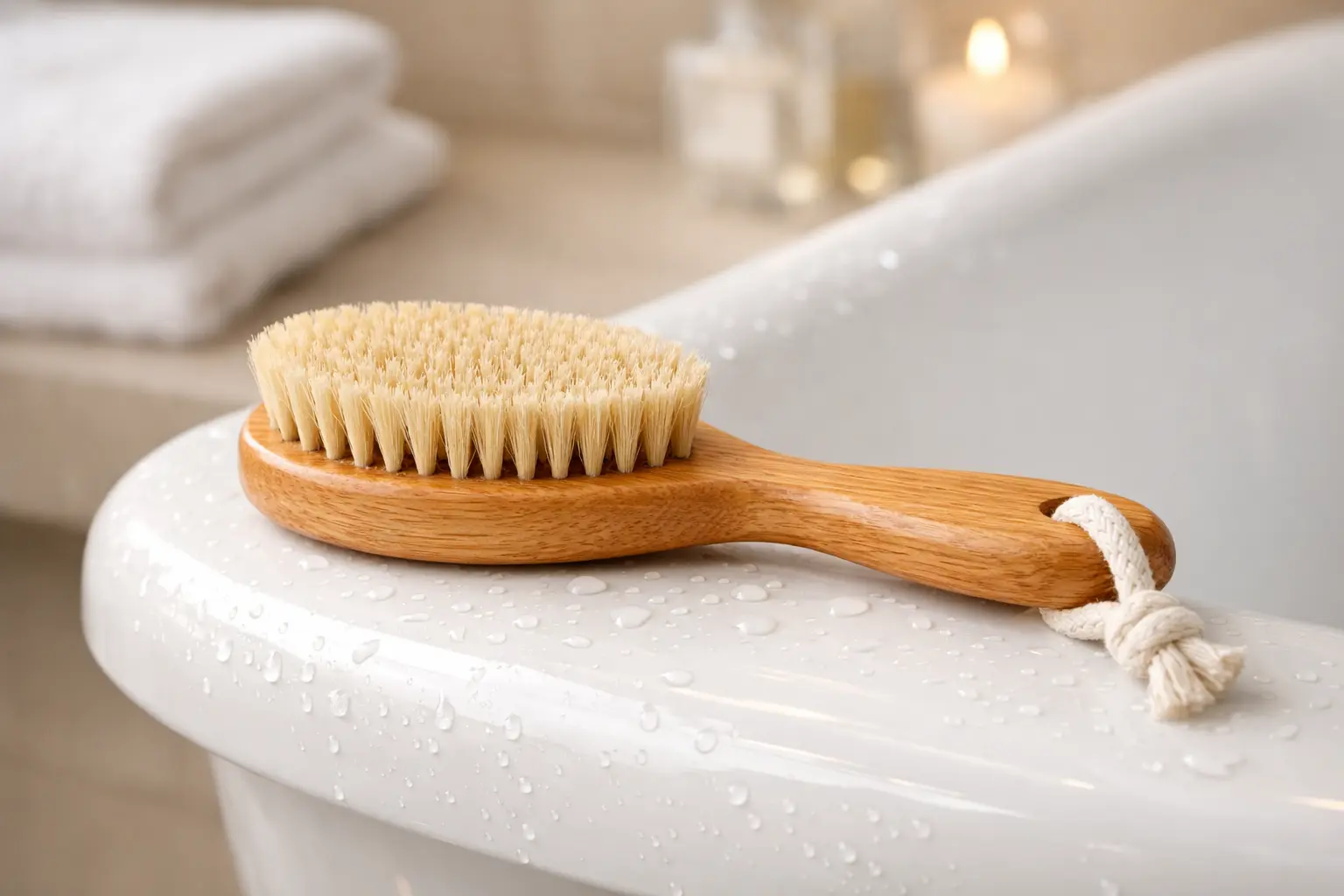
What Is Dry Brushing and Where Did It Come From
Dry brushing is a mechanical exfoliation technique in which a stiff-bristled brush is used on bare, dry skin before bathing. No water or product is involved during the brushing itself. The technique relies entirely on physical friction to produce its effects, making it one of the simplest and most accessible skincare tools available to anyone.
The Ayurvedic Origins of Dry Brushing
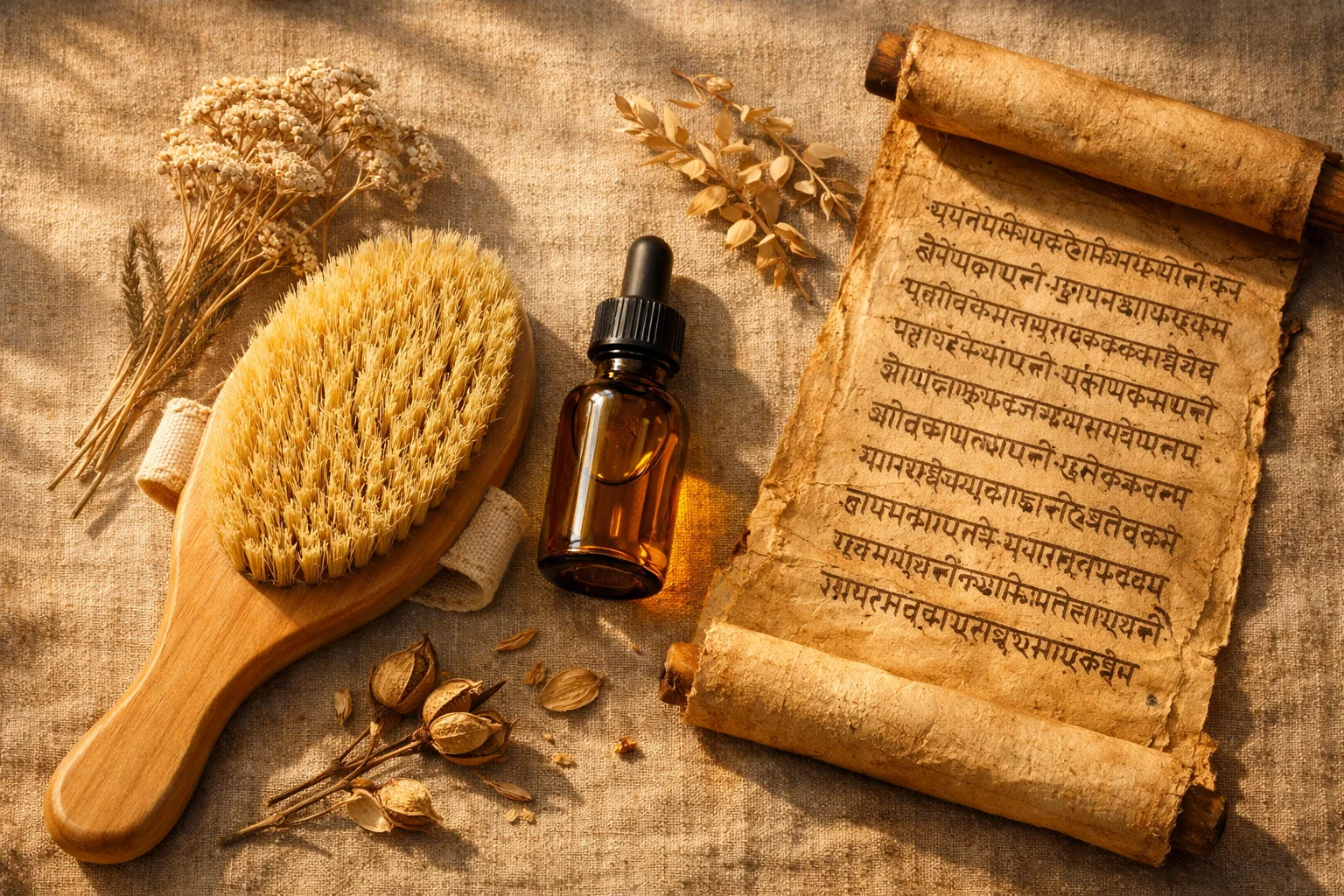
In Ayurvedic tradition, dry brushing is known as Garshana, a Sanskrit word that translates roughly to friction by rubbing. The practice was designed to stimulate the lymphatic system, remove toxins, and invigorate the body’s energy channels. Ayurvedic practitioners recommended it as a morning ritual to prepare the body for the day and support overall vitality.
How Other Ancient Cultures Used Skin Brushing
Scandinavian and Russian cultures practiced similar forms of vigorous skin exfoliation for centuries as part of their bathing and sauna rituals. Ancient Egyptians used coarse cloths to buff the skin, and Greek athletes regularly scraped dead skin and oil from their bodies after training using a curved metal tool called a strigil. Each tradition arrived at the same understanding through different paths: removing the outermost layer of the skin produces measurable benefits for health and appearance.
The Modern Resurgence of Dry Brushing
Finnish physician Paavo Airola formally prescribed dry brushing to patients decades ago, specifically for its detoxifying and skin-renewing properties. In recent years, the practice has been championed by dermatologists, celebrity aestheticians, and integrative health practitioners who recognize its ability to deliver genuine results without chemicals or costly equipment. Today it sits firmly in the mainstream of evidence-informed skincare.
What Makes a Good Dry Brush
The ideal brush is made with natural, stiff bristles such as sisal, boar hair, or plant fiber, and has a long handle for reaching the back and shoulders without awkward positioning. The firmness of the bristles should be matched to your skin type. Firmer bristles suit normal to oily skin, while softer natural fibers are better suited to sensitive or dry skin. Brushing always moves in the direction of the heart, typically starting at the feet and working upward.
Dry Brushing Benefits for Skin Texture and Appearance
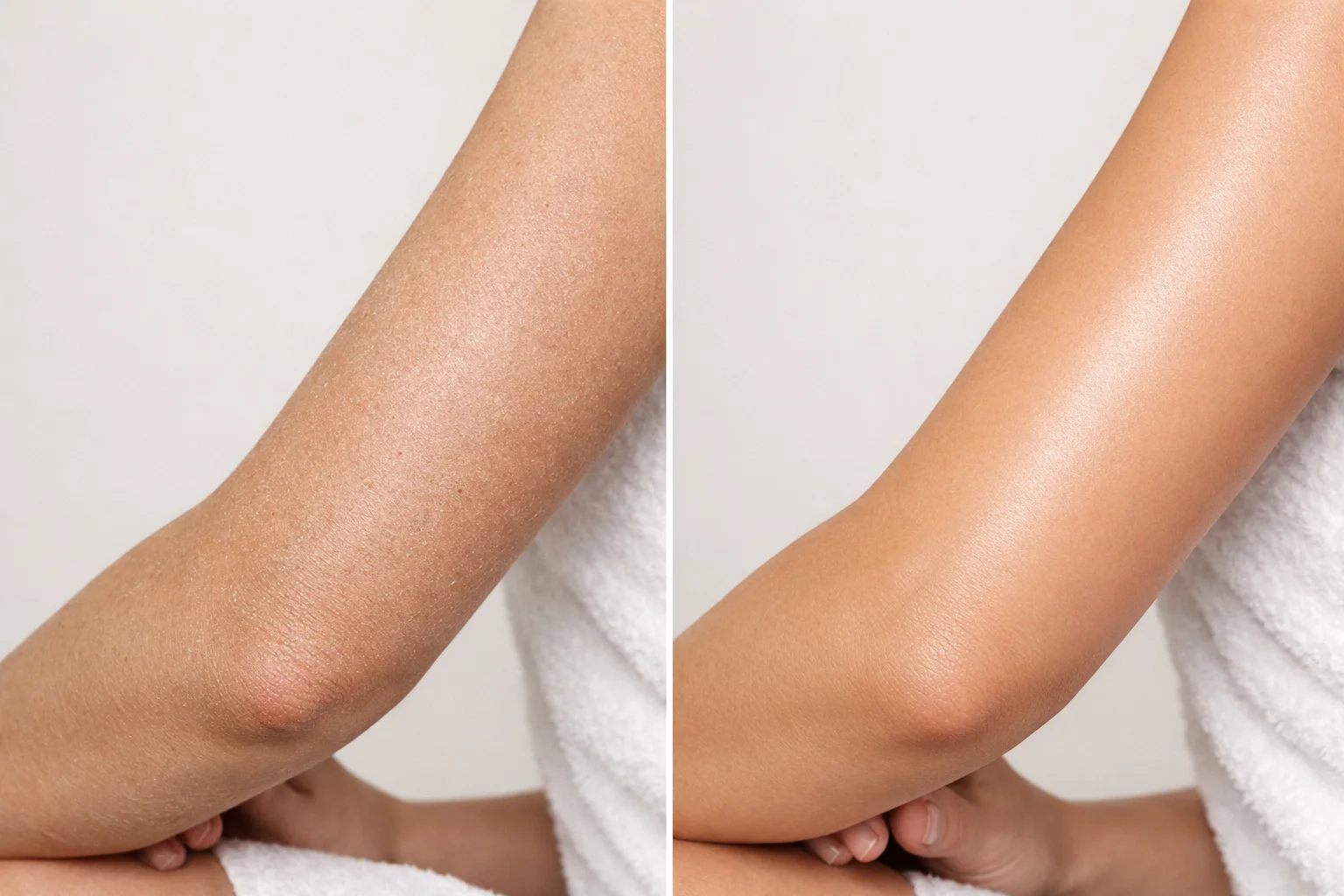
The most visible and immediately rewarding benefits of dry brushing relate to the surface of the skin itself. Within a single session, changes in texture, brightness, and tone become apparent. Over weeks and months of consistent practice, these surface benefits deepen significantly.
Removes Dead Skin Cells for an Instant Glow
The coarse bristles physically dislodge the outermost layer of dead, dull skin cells that accumulate on the surface over time. When these cells are swept away, the fresher, more reflective skin underneath is revealed. The difference in texture and brightness is often noticeable after a single session, making dry brushing one of the fastest ways to restore a natural glow to tired-looking skin without any chemical intervention.
Promotes a More Even Skin Tone
Uneven skin tone on the body often results from an accumulation of dead, discolored cells in specific areas such as elbows, knees, and the backs of the thighs. Regular exfoliation through dry brushing removes these older cells consistently, preventing the uneven buildup that causes patches of dullness or hyperpigmentation. With consistent practice, many people notice a more uniform tone and texture across the entire body.
Helps Manage Keratosis Pilaris
Keratosis pilaris, commonly referred to as chicken skin, is a condition caused by excess keratin blocking hair follicles, resulting in small, rough bumps typically found on the upper arms, thighs, and cheeks. The exfoliating action of dry brushing helps reduce the appearance of these bumps by removing the dead skin buildup around each follicle and encouraging cell turnover. Many people report noticeably smoother skin in affected areas within a few weeks of consistent brushing.
Helps Soften Rough Patches at Elbows, Knees, and Heels
Certain areas of the body accumulate particularly thick layers of dead skin, including the elbows, knees, and heels. These areas are subject to repeated friction and pressure throughout the day, which drives cell buildup faster than elsewhere on the body. Dry brushing these zones regularly with slightly firmer pressure gradually breaks down the hardened surface and softens the tissue underneath, with results that are often among the most dramatic of all dry brushing benefits.
Promotes Cell Turnover and Long-Term Skin Renewal
Healthy skin continuously sheds old cells and produces new ones, but this natural renewal process slows considerably with age. Dry brushing accelerates cell turnover by mechanically removing older cells and sending a mild stimulus to the skin that encourages fresh cell production beneath the surface. The result over time is skin that looks and feels younger, smoother, and more evenly renewed across the body.
Dry Brushing Benefits for Circulation and Lymphatic Health
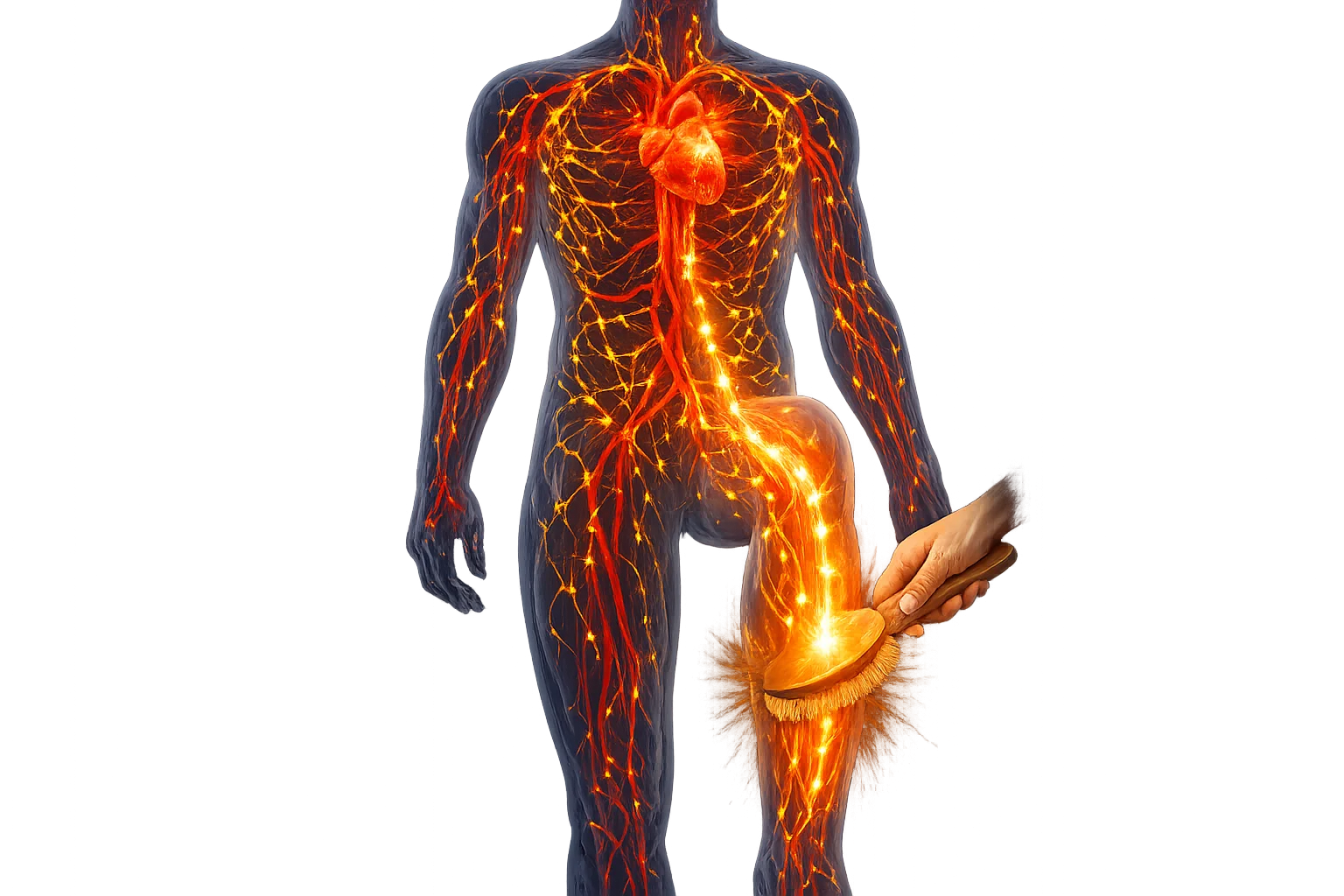
Some of the most profound benefits of dry brushing occur beneath the skin’s surface, in the circulatory and lymphatic systems that keep the body’s internal environment clean and well-nourished. These benefits are less immediately visible but form the foundation of why dry brushing supports overall health.
Stimulates Blood Circulation Throughout the Body
The friction created during dry brushing acts as a form of vigorous massage that stimulates circulation near the skin’s surface. Increased blood flow means more oxygen and nutrients are delivered to skin cells more efficiently. This improved circulatory response is part of why the skin appears pinker and more radiant immediately after a session. Over time, consistent stimulation of circulation contributes to healthier, better-nourished skin from the inside out.
Supports Lymphatic Drainage and Detoxification
The lymphatic system runs close to the skin’s surface and plays a critical role in removing waste, toxins, and excess fluid from body tissues. Unlike the circulatory system, the lymphatic system has no pump of its own. It depends on movement, muscle contraction, and external stimulation to keep fluid flowing. Dry brushing in the direction of the heart mimics this movement and encourages lymph toward the central ducts where it can be properly filtered and eliminated.
Helps Reduce Water Retention and Puffiness
Excess fluid that accumulates in body tissues, particularly around the ankles, calves, and abdomen, can cause a feeling of heaviness and visible puffiness. Because dry brushing encourages lymphatic drainage, it helps move this stagnant fluid back into circulation where it can be properly processed. People who practice dry brushing consistently often report feeling lighter and less bloated, particularly when they focus their brushing strokes on areas prone to fluid buildup.
Supports Immune Function Through Lymphatic Activity
The lymphatic system is a foundational pillar of immune health. When lymph fluid flows freely, white blood cells circulate efficiently, pathogens are filtered through lymph nodes, and waste is cleared from tissues. Stagnation in the lymphatic system, which can result from a sedentary lifestyle or toxic overload, compromises this protective function. Dry brushing provides a gentle, external stimulus that helps keep lymph moving and the immune system well supported.
Supports the Skin’s Natural Detoxification Function
The skin is the body’s largest organ and eliminates a significant portion of the toxins the body processes, primarily through sweat. When pores are clogged with dead cells and debris, this eliminative function is impaired. Dry brushing clears the surface so the skin can perform its detoxification role freely. This reduces the burden on other elimination organs such as the kidneys and liver, which function more efficiently when the skin is contributing its full share.
Dry Brushing Benefits for Specific Skin Concerns
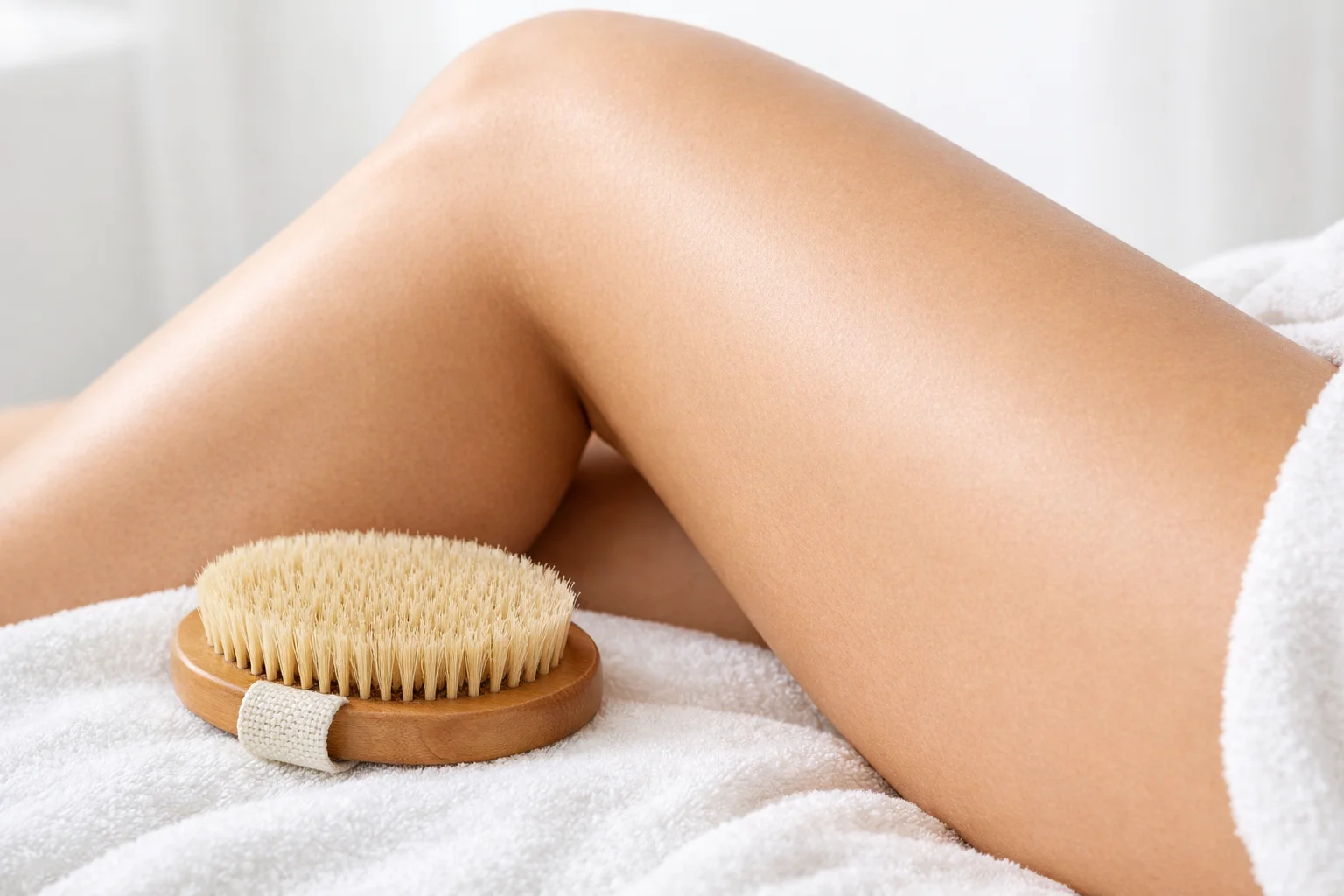
Beyond general skin health, dry brushing addresses a number of specific concerns that many people struggle with daily. Its combination of exfoliation, circulation stimulation, and pore clearing makes it effective across a surprisingly wide range of targeted skin issues.
Reduces the Appearance of Ingrown Hairs
Ingrown hairs form when a hair grows back into the skin instead of out through the follicle opening, often because dead skin or debris is trapping it beneath the surface. Regular dry brushing clears this surface buildup and keeps follicles open, giving each hair a clear path to grow outward. People who shave or wax frequently report a significant reduction in ingrown hairs, bumps, redness, and post-shaving irritation when they incorporate dry brushing consistently.
Prepares Skin for a Closer, Smoother Shave
Dry brushing before shaving removes the dead skin cells and surface debris that interfere with a clean shave. Exfoliated skin allows a razor to glide more smoothly and make better contact with the hair at the follicle, resulting in a more even shave with less dragging, nicking, or razor burn. It is a simple preparatory step that significantly improves the shaving experience and its aftermath.
Reduces the Appearance of Body Acne
Body acne, particularly on the back, shoulders, and chest, forms when dead skin cells and oil clog hair follicles and create an environment where bacteria thrive. Consistent dry brushing keeps follicles clear and reduces the surface buildup that feeds this cycle. It is most effective as a preventive measure on clear skin. Dry brushing should never be done directly over active, inflamed breakouts, as the bristles can spread bacteria and worsen the condition.
May Minimize the Visible Appearance of Stretch Marks
Stretch marks are scars formed when the skin stretches or contracts rapidly due to pregnancy, weight changes, or growth spurts. While no topical approach eliminates stretch marks entirely, regular exfoliation and improved circulation can reduce their visual appearance over time. Dry brushing addresses both factors simultaneously, softening the skin surrounding stretch marks and improving local blood flow in a way that encourages the surrounding tissue to appear smoother.
Unclogs Pores for Cleaner, Healthier Skin
Pores clogged with dead skin, excess oil, and environmental debris cannot breathe or function properly. The bristles of a dry brush loosen this buildup and open pores so they can release trapped impurities more freely. Cleaner pores translate directly to fewer body breakouts, a more even and refined skin texture, and significantly better absorption of any skincare products applied after brushing.
Dry Brushing Benefits for Overall Well-Being

The benefits of dry brushing extend beyond the skin itself. The practice influences the nervous system, supports mental well-being, enhances other wellness practices, and establishes daily habits that contribute to long-term health in ways that go well beyond cosmetic improvement.
Provides an Energizing Effect on the Nervous System
The skin contains thousands of nerve endings just beneath its surface. When stimulated by the firm bristles of a dry brush, these sensory receptors send signals throughout the nervous system that produce a noticeable awakening effect on both the body and the mind. Many people who dry brush in the morning compare the resulting alertness and energy to a strong cup of coffee, without the reliance on caffeine or the crash that follows it.
Reduces Stress and Promotes Deep Relaxation
While dry brushing energizes, it also calms. The repetitive, sweeping motion activates the same parasympathetic relaxation response associated with massage. Research consistently shows that massage reduces anxiety and stabilizes physiological stress markers, and dry brushing produces a very similar effect at a fraction of the cost. When the body is in a relaxed state, inflammation decreases, stress hormones stabilize, and the skin’s natural healing capacity improves.
Boosts the Absorption of Skincare Products
By removing the dead skin layer and opening pores, dry brushing dramatically improves the skin’s capacity to absorb topical products. This means the moisturizer or body oil applied after a session penetrates more deeply and delivers more noticeable hydration than it would on unexfoliated skin. The post-brushing skincare step becomes significantly more effective, meaning your products work harder and last longer with the same application.
Enhances the Benefits of Massage Therapy
Because both massage and dry brushing support the lymphatic system through similar mechanisms, they pair exceptionally well together. Dry brushing before a massage session primes the skin and underlying lymphatic tissue, making the massage more effective at moving fluid and releasing tension. Many spas and wellness centers include dry brushing as a preparatory step before lymphatic drainage massage for exactly this reason.
Establishes a Grounding and Mindful Daily Ritual
Beyond its physical effects, dry brushing creates an opportunity for intentional, mindful connection with your body before the demands of the day begin. The few minutes of focused, deliberate movement involved can serve as a form of moving meditation. The consistency of the ritual, the same strokes, the same sequence, the same quiet attention to the body, provides a grounding effect that many practitioners say improves mental clarity, focus, and emotional steadiness throughout the day.
How to Dry Brush Correctly: Technique and Frequency
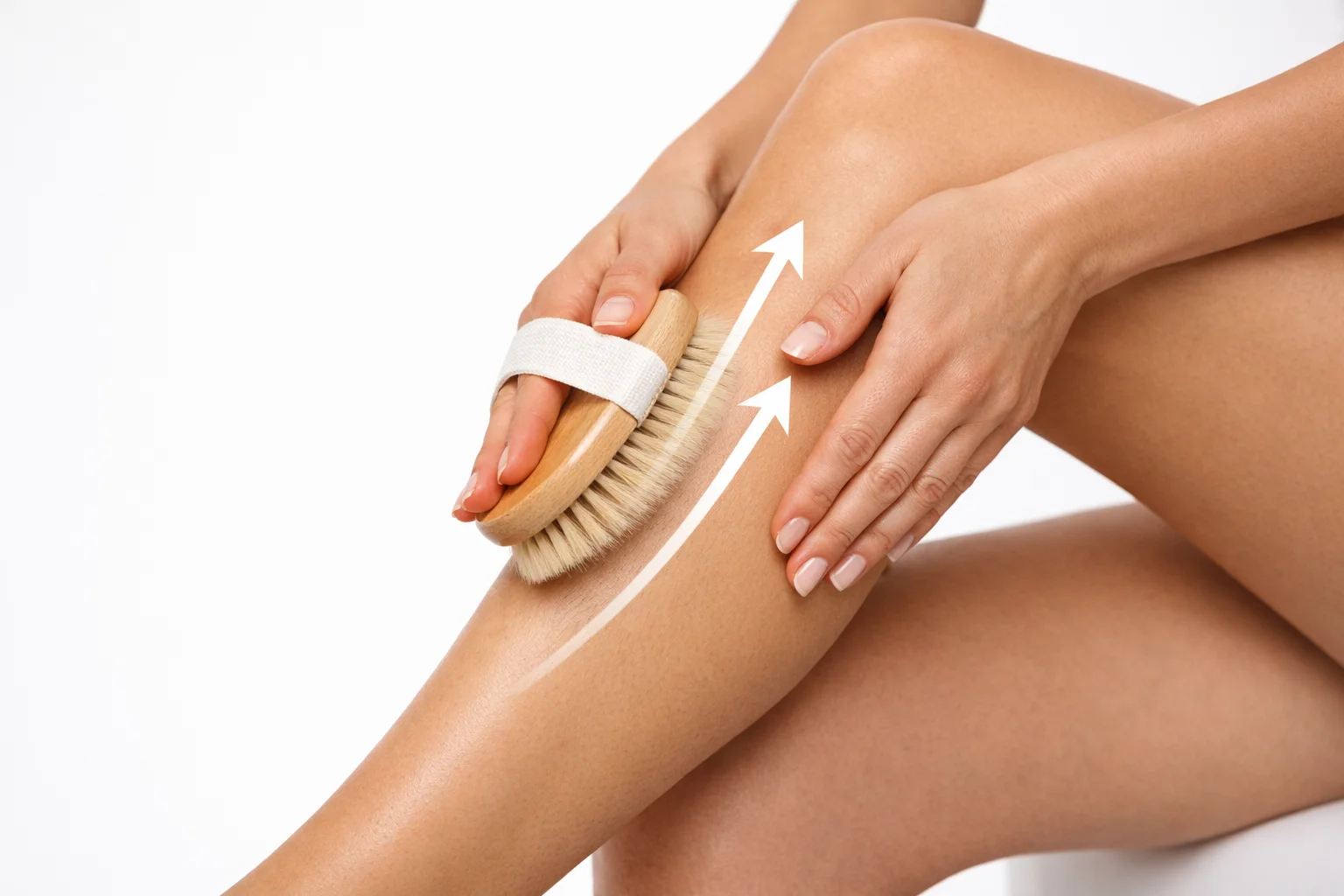
Understanding the right approach to dry brushing ensures that you receive its full benefits safely and consistently.
The Correct Brushing Technique Step by Step
Start with clean, dry skin before showering. Begin at the soles of the feet and work in long, upward strokes toward the heart, moving up the calves, shins, thighs, and hips. On the stomach, use gentle clockwise circular motions that follow the natural direction of digestion. On the arms, start at the hands and sweep upward toward the shoulders and armpits. On the back, brush inward toward the spine and then upward toward the shoulders.
How Much Pressure to Use
Use lighter pressure on sensitive areas such as the inner arms, chest, and neck. Use firmer pressure where the skin is thicker, such as the soles of the feet, outer thighs, and elbows. The correct amount of pressure produces a light pink flush in the skin. If redness persists for more than a few minutes after brushing, or if the skin feels raw or tender, the pressure being applied is too firm and should be reduced significantly.
How Often to Dry Brush for Best Results
Two to five times per week is the ideal frequency for most people. Beginners should start with two sessions per week and allow the skin time to adapt before increasing the frequency. Over-brushing strips the skin’s protective barrier and causes dryness, redness, and irritation. Each session should last between three and five minutes. Always shower after brushing to wash away the loosened dead cells and always moisturize immediately after patting dry.
How to Care for Your Dry Brush
Rinse your brush with warm water and mild soap once per week and allow it to dry fully in a well-ventilated area with the bristles facing downward. Never leave your brush sitting in water or stored in a damp area, as moisture encourages mold growth in natural bristles. Replace your brush when the bristles begin to splay or soften significantly, as a brush that has lost its firmness will no longer provide adequate stimulation. Never share your brush with others.
Important Precautions Before You Begin
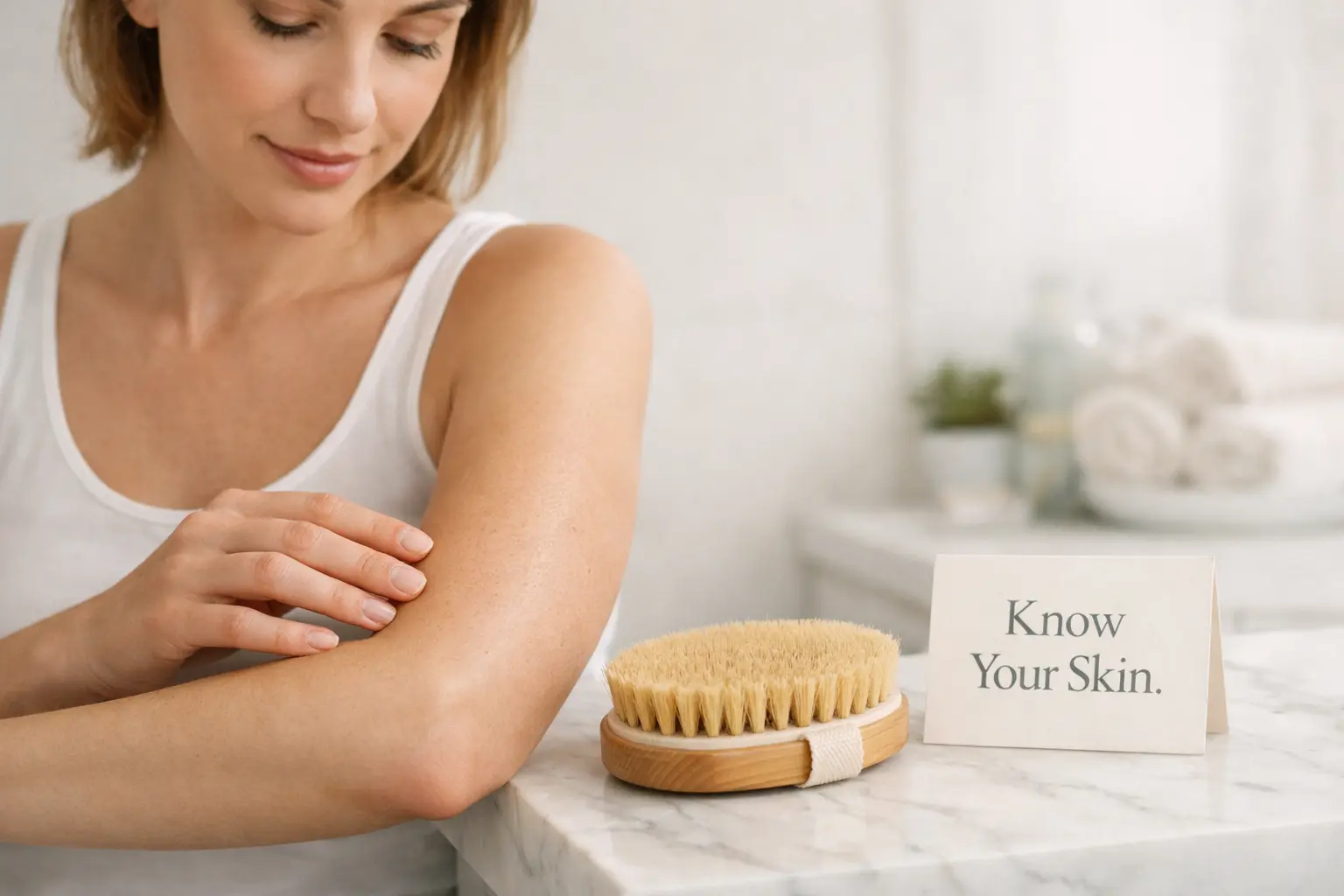
Dry brushing is safe for most healthy adults, but understanding its limitations protects you from unnecessary irritation or harm.
Skin Conditions That Require Extra Caution
Never dry brush over broken skin, open wounds, cuts, scrapes, sunburned areas, or active infections, as the bristles can introduce bacteria and worsen any existing condition. People with eczema or psoriasis should approach dry brushing with extreme caution. Additional friction can trigger flares or worsen inflammation. Dermatologists generally advise people with psoriasis to avoid dry brushing entirely, as skin trauma can actually induce new lesions through a documented response known as the Koebner phenomenon.
Why the Face Needs a Different Approach
The facial skin is significantly thinner and more sensitive than the skin on the body. A body brush is far too coarse for use on the face and will cause micro-tears, redness, and irritation rather than the beneficial exfoliation it produces on the rest of the body. If you wish to dry brush your face, use a brush designed specifically for facial skin with much softer bristles, or choose an alternative exfoliation method such as a gentle enzyme peel or soft exfoliating cloth.
Common Mistakes to Avoid
Brushing too hard is the most common mistake and creates micro-tears in the skin rather than benefits. Light to moderate pressure is all that is required. Brushing in the wrong direction, moving away from the heart rather than toward it, wastes the lymphatic benefit of the practice. Skipping the post-shower moisturizing step leaves the freshly exfoliated skin exposed and prone to dryness. Avoiding these three mistakes ensures that every session delivers the results it is capable of producing.
you may also liked our post pink-berry-glow-smoothie/
Conclusion
Dry brushing is one of those rare practices that earns its reputation completely. It is not a trendy shortcut or an overblown wellness fad. It is a time-tested, physiologically grounded technique that delivers real, measurable benefits when practiced correctly and consistently. From the immediate satisfaction of softer, more radiant skin to the longer-term advantages of better circulation, supported lymphatic health, and reduced skin concerns, the 25 benefits covered here represent a compelling case for making dry brushing a cornerstone of your daily routine.
The investment is minimal. A good brush, five minutes before your morning shower, and the consistency to repeat the practice several times a week is all it takes. Your skin is an organ that works hard on your behalf every single day. Dry brushing is one of the simplest, most effective ways to support it in return.
Frequently Asked Questions About Dry Brushing
Q1: How often should I dry brush for the best results?
Two to five times per week is the recommended frequency for most people. Beginners should start with two sessions per week and increase gradually as the skin builds tolerance. Daily brushing is possible for some individuals with resilient skin, but over-brushing can strip the skin’s protective barrier and cause irritation, so listening to how your skin responds is essential.
Q2: Should I dry brush before or after showering?
Always dry brush before showering. Brushing on dry skin maximizes the mechanical exfoliation and allows you to properly wash away the loosened dead cells immediately afterward. Brushing wet skin does not produce the same results and causes the bristles to drag uncomfortably across the surface. After showering, apply moisturizer while the skin is still slightly damp for the best absorption.
Q3: Does dry brushing actually reduce cellulite?
Dry brushing does not permanently reduce cellulite. There is no scientific evidence that it changes the underlying connective tissue structure responsible for the dimpled appearance. However, many people notice a temporary visual improvement because increased blood flow to the area plumps up the skin slightly, making cellulite less visible in the short term. It is best understood as a temporary cosmetic improvement rather than a lasting structural solution.
Q4: Can I dry brush if I have sensitive skin?
Yes, but with modifications. People with sensitive skin should start with a dry washcloth rather than a stiff-bristled brush, or look for a brush specifically made for sensitive skin with softer natural fibers. Use very light pressure and limit sessions to once per week initially. If redness persists beyond a few minutes or irritation develops, discontinue use and consult a dermatologist before continuing.
Q5: What is the correct direction to brush?
Always brush toward the heart, which aligns with the natural directional flow of the lymphatic system. Start at the feet and brush upward toward the thighs, then from the hands upward toward the shoulders. On the abdomen, use gentle clockwise circular strokes. On the back, brush inward toward the spine and then upward toward the shoulders. This directional principle ensures lymph fluid moves toward the central ducts where it can be efficiently filtered and eliminated.
One Comment