

21 Hair Growth Routine for Thicker, Healthier Hair
Hair growth is not just about luck or genetics. It is the direct result of how consistently and intelligently you care for your scalp, strands, and body from the inside out. If you have ever felt frustrated watching your hair stay stubbornly short, flat, or thin despite trying every product on the shelf, the problem is likely not the products. It is the absence of a structured, science-backed hair growth routine that addresses every layer of the problem.
Hair grows roughly half an inch per month under ideal conditions, but breakage, poor scalp health, nutritional gaps, and improper care habits can steal away that progress before you even notice it. The goal of a strong hair growth routine is not just to help new hair grow faster. It is to protect the length you already have, strengthen each strand from root to tip, and create an environment where your follicles can perform at their absolute best.
This guide breaks down 21 proven hair growth routine practices that work together to give you thicker, longer, and visibly healthier hair over time. Whether you are starting fresh or looking to upgrade an existing regimen, these steps will give you a clear and actionable plan.
1. Start With Scalp Health as Your Foundation
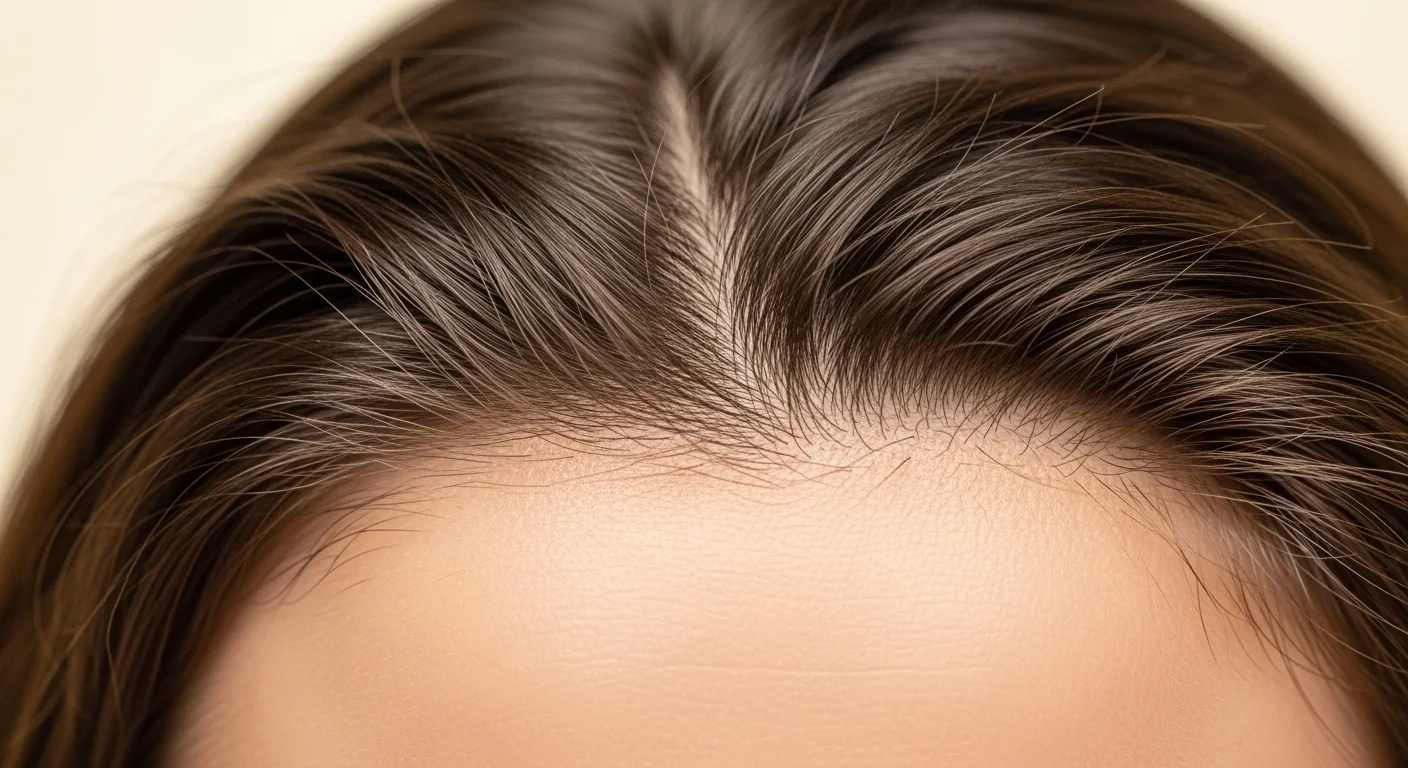
Before any product or treatment can make a real difference, your scalp needs to be in excellent condition. The scalp functions much like soil. When it is clean, balanced, and well-nourished, hair grows with far more strength and volume. Clogged follicles, excess oil, product buildup, and dryness all create barriers to healthy growth. A healthy scalp supports an active hair growth cycle, which means neglecting it will cause even the most expensive serums to struggle to penetrate and deliver results. Prioritize scalp cleansing, circulation, and balance before anything else in your routine.
Switch to a Sulfate-Free Shampoo
Shampoos containing harsh sulfates strip the scalp of its natural oils, leading to dryness, irritation, and in some cases, increased shedding. Switching to a gentle, sulfate-free formula preserves the scalp’s moisture barrier while still removing dirt and buildup effectively. Look for shampoos with ingredients like caffeine, biotin, rosemary extract, and peptides. These actively support follicle health while cleansing. Rotating between a volumizing shampoo and a densifying formula twice a week keeps your scalp responsive and prevents product tolerance.
Double Shampoo for Deeper Cleansing
One wash is often not enough, especially if you use leave-in products, oils, or dry shampoo. The first shampoo breaks down product residue and surface buildup. The second shampoo cleanses the scalp itself more deeply, allowing it to fully absorb whatever treatments you apply afterward. This two-step cleansing method is a significant upgrade for people dealing with slow growth caused by consistently congested follicles.
Perform Daily Scalp Massage
Scalp massage is one of the most accessible and effective tools in any hair growth routine. It increases blood circulation to the follicles, which means more oxygen and nutrients reach the roots. Regular massaging also helps stretch follicle cells, encouraging them to produce thicker hair strands over time. Use your fingertips or a scalp massage brush and apply firm but gentle circular pressure across your entire scalp for four to five minutes daily. You can do this during your morning routine, in the shower, or before bed. Results typically become visible after eight to twelve weeks of consistent practice.
2. Build a Targeted Hair Growth Treatment Routine

Topical treatments applied directly to the scalp are among the most powerful tools available for stimulating growth. When used correctly and consistently, they work at the follicle level to wake up dormant roots, improve circulation, and dramatically increase the density and strength of new hair. The key is choosing the right ingredients and applying them in a way that maximizes absorption and effectiveness.
Use a Hair Growth Serum Every Night
A targeted scalp serum applied nightly can dramatically accelerate follicle activity. The best formulas contain ingredients like peptides, caffeine, niacinamide, arginine, rosemary extract, and biotin. These compounds work at the cellular level to stimulate dormant follicles, improve scalp circulation, and strengthen the hair shaft. Apply a few drops directly to the scalp in sections, then massage it in gently. Unlike hair oils, a good serum is lightweight enough not to cause greasiness and can be left overnight for maximum absorption.
Apply Rosemary Oil to the Scalp Regularly
Rosemary oil has become one of the most talked-about ingredients in hair care, and for good reason. Research has shown it to be as effective as minoxidil for stimulating hair growth in certain cases. It boosts scalp circulation, reduces inflammation, and has antibacterial properties that keep the scalp environment healthy and balanced. Mix rosemary oil with a carrier like jojoba oil and apply it to the scalp two to three times per week. Massage it in for two minutes and leave it on for at least thirty minutes before washing out, or apply it at night and rinse in the morning.
Add Peppermint Oil for Circulation Boost
Peppermint oil creates a mild warming sensation on the scalp that signals increased blood flow to the area. This surge in circulation delivers more nutrients directly to the follicles, which supports stronger and faster growth. It also has a refreshing effect that can reduce scalp irritation and dandruff. Blend five drops of peppermint oil into your scalp oil mixture for an added layer of stimulation that complements the effects of rosemary beautifully.
Try Microneedling the Scalp Monthly
Scalp microneedling with a derma roller is an advanced technique that triggers the scalp’s natural healing response, encouraging collagen production and increased blood flow in the treated area. When used alongside a hair growth serum, it significantly boosts product absorption and follicle stimulation. Use a 0.5mm derma roller on the scalp once a month. Roll gently in vertical, horizontal, and diagonal directions across each section, then apply your growth serum immediately afterward. Always sanitize the roller with isopropyl alcohol before and after use.
3. Master Your Weekly Conditioning Routine
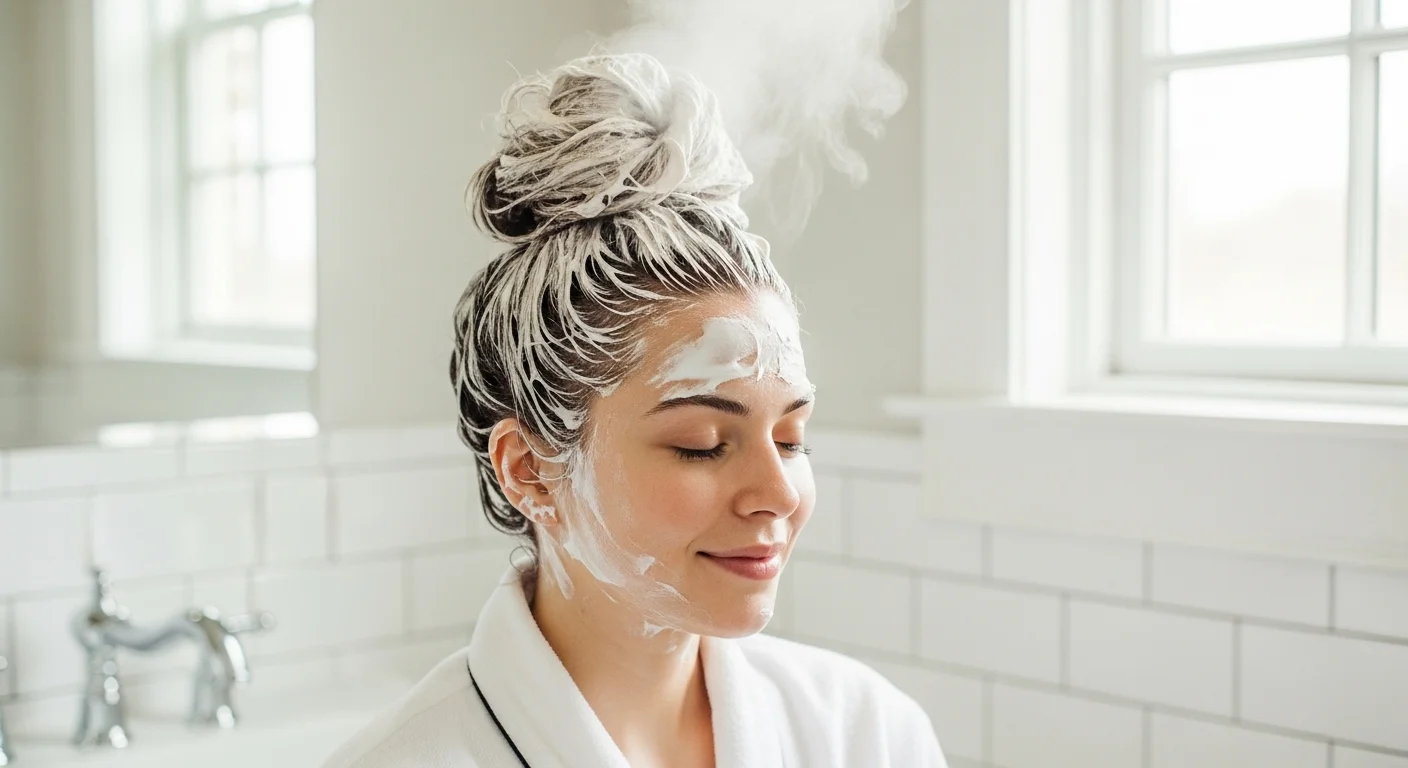
Length retention is just as important as growth speed. Hair that grows consistently but breaks off at the ends will never seem to get longer. A disciplined weekly conditioning routine addresses the structural integrity of each strand, ensuring that the hair you grow is strong enough to stay. This level of care is what separates a routine that produces visible results from one that keeps your hair merely maintained.
Deep Condition Once a Week
Deep conditioning treats the hair shaft directly, preventing the kind of dryness and brittleness that leads to breakage. Breakage is one of the biggest enemies of length retention. Even when hair is growing at a healthy rate, constant breakage at the ends prevents you from seeing that progress. Look for masks rich in amino acids, keratin, natural oils, and proteins. Apply from root to tip, cover with a heated bonnet for thirty minutes, and rinse thoroughly. Doing this weekly ensures your strands stay hydrated, elastic, and resistant to damage.
Balance Protein and Moisture Treatments
Hair needs both protein and moisture to stay strong and supple. Too much protein without enough moisture makes hair feel stiff and prone to snapping. Too much moisture without protein leaves hair soft but weak and prone to stretching and breaking. Alternate between a protein treatment and a hydrating mask every two weeks. Pay close attention to how your hair feels. If it snaps easily, it needs protein. If it feels dry and rough, it needs moisture. This balance keeps your strands performing at their best season after season.
4. Nourish Your Hair From the Inside Out

No amount of topical treatment can fully override what is happening inside your body. Hair is a living structure that depends on a consistent supply of vitamins, minerals, and macronutrients to grow at its full potential. When the body is well-nourished and hydrated, follicles stay active, strands grow with more density, and the overall quality of your hair improves noticeably within a few months of making dietary changes.
Take a Hair Growth Supplement Daily
No topical routine can fully compensate for nutritional gaps. Hair is composed primarily of a protein called keratin, and its production depends on a steady supply of vitamins and minerals. Key nutrients for hair growth include biotin, vitamin D, iron, zinc, vitamin B12, and omega-3 fatty acids. A daily hair growth supplement that covers these bases supports the internal engine that drives follicle activity. Look for clinically studied formulas with transparent ingredient lists and no unnecessary fillers.
Eat a Hair-Nourishing Diet
Supplements are a safety net, but food should be the primary source of hair-nourishing nutrients. A diet rich in protein, healthy fats, leafy greens, eggs, nuts, berries, and fatty fish provides the raw materials your follicles need to produce thick, strong hair. Eggs are loaded with biotin and protein. Spinach provides iron and folate. Avocados deliver vitamin E and healthy fats. Salmon is packed with omega-3 fatty acids and vitamin D. Sweet potatoes are rich in beta-carotene, which converts to vitamin A to support sebum production. Including these foods consistently will reflect in the quality and speed of your hair growth within a few months.
Stay Consistently Hydrated
Water is the simplest and most overlooked component of hair growth. Dehydration weakens the hair shaft, slows down cell turnover in the follicles, and leaves the scalp dry and prone to flaking. Drinking enough water each day keeps the scalp environment healthy and supports every biological process involved in hair growth. It is one of the easiest adjustments to make and one of the first things that reflects in your overall hair health.
5. Protect Your Strands From Everyday Damage
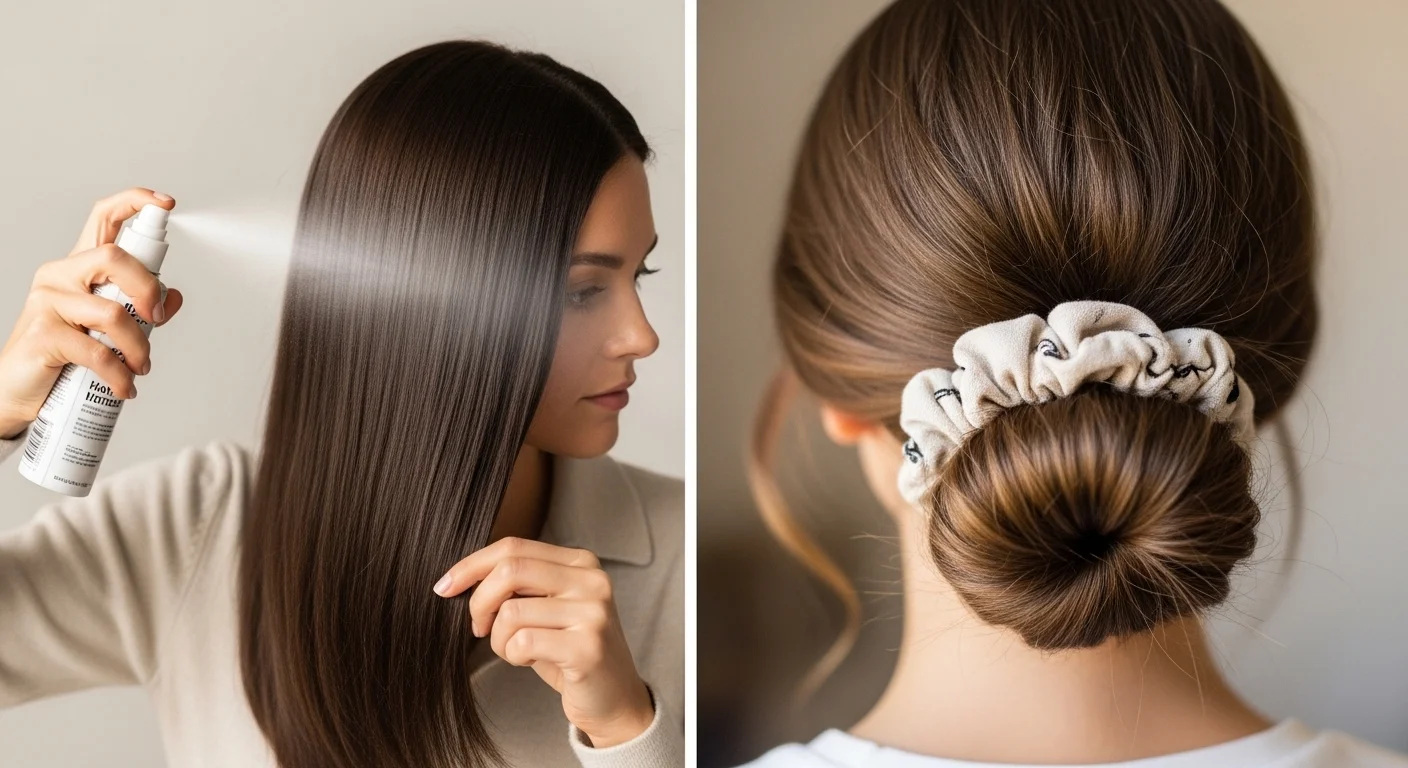
Daily styling habits and hairstyle choices cause far more damage than most people realize. The cumulative effect of heat exposure, constant tension, and friction adds up over weeks and months, leading to breakage, thinning edges, and compromised strand integrity. Protecting your hair from these everyday sources of damage is not optional. It is a core part of any hair growth routine that is serious about producing real results.
Protect Hair With Heat Defense Products
Heat styling is one of the leading causes of breakage, thinning, and dullness in hair. Blow dryers, flat irons, and curling wands can reach temperatures high enough to permanently damage the hair’s protein structure if used without protection. Always apply a quality heat protectant spray before any heat styling. Set tools to a medium temperature rather than the highest setting. Reserve heat styling for special occasions rather than making it a daily habit, and embrace air-drying or heatless styling methods as much as possible.
Avoid Tight Hairstyles That Pull at the Roots
Constant tension from tight ponytails, braids, and buns places significant stress on the follicles, especially along the hairline and temples. Over time, this tension can cause traction alopecia, a form of hair loss that is difficult to reverse. Opt for loose, low-tension styles when wearing your hair up. Use fabric-covered hair ties instead of rubber bands, and vary where you place your ponytail to avoid consistent tension on the same follicles day after day.
6. Optimize Your Nighttime Hair Care Habits

The hours you spend sleeping represent a significant window of opportunity for hair recovery and growth. Without proper protection, that same time becomes a source of ongoing damage. Friction from rough fabrics, tangling during movement, and overnight moisture loss all work against the progress you build during the day. A few simple nighttime habits can turn your sleep into a restorative part of your hair growth routine rather than a setback.
Sleep With a Silk Bonnet or Silk Pillowcase
Cotton pillowcases create friction against the hair as you move during sleep, causing tangling, breakage, and moisture loss over the course of the night. Switching to a silk bonnet or silk pillowcase eliminates that friction, keeping your strands smooth, moisturized, and intact by morning. This is especially important for people with fine, fragile, or chemically treated hair where overnight breakage can undo days of careful care in a single night.
Brush With a Boar Bristle Brush
A boar bristle brush is one of the most effective tools for distributing natural scalp oils from root to tip. These natural oils coat the hair shaft and provide protection against dryness and breakage. Brushing gently from roots to ends each morning and night keeps the strands naturally conditioned without the need for extra product. Always detangle from the ends upward before brushing to avoid placing unnecessary stress on the hair shaft during the process.
7. Perform Monthly Hair Maintenance Rituals
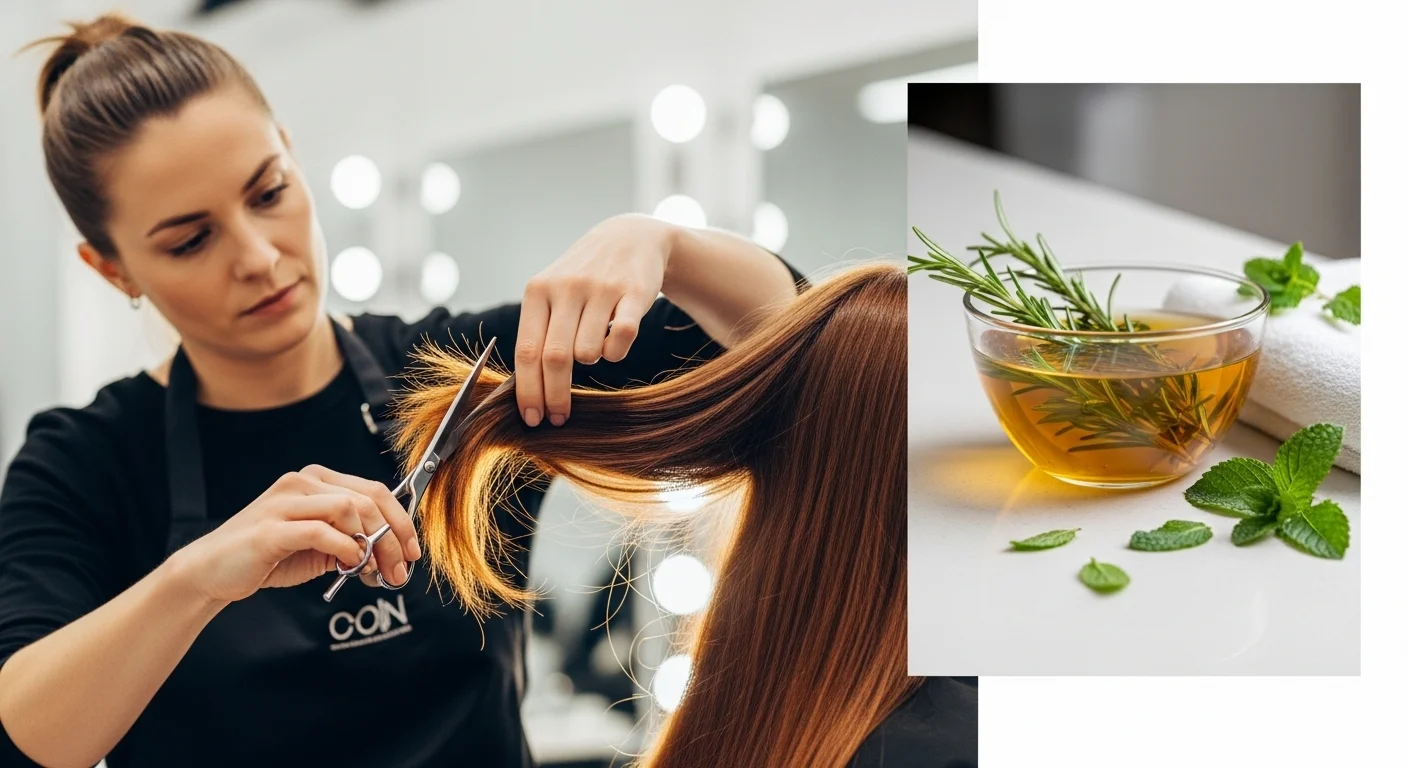
Beyond the daily and weekly habits, certain monthly rituals address the bigger picture of scalp health and strand condition. These are the reset moments that keep your routine functioning at full effectiveness, clearing away what has built up and removing damage that would otherwise compound over time. Skipping these monthly steps is one of the most common reasons people plateau in their hair growth progress despite following a consistent routine.
Do a Monthly Scalp Detox
Even with the best shampoos and gentle products, buildup accumulates on the scalp over time. This buildup can clog follicles and slow growth noticeably. A monthly scalp detox using a clarifying shampoo or an apple cider vinegar rinse clears away residue and resets the scalp’s natural balance. After a scalp detox, follow with a nourishing conditioner or mask to restore moisture that the clarifying treatment may have stripped slightly during the process.
Trim Every 10 to 12 Weeks
Regular trims do not make hair grow faster, but they are essential for retaining the length that is already growing. Split ends travel up the hair shaft over time, causing more and more breakage the longer they go untreated. Getting a small trim every ten to twelve weeks removes damage before it spreads, keeping ends strong and clean. Think of trims as maintenance that preserves your growth rather than reversing it. Check out our guide on: At-Home Blowout Guide for Salon Style Hair.
8. Support Hair Growth Through Lifestyle and Mindset

Hair growth does not happen in isolation from the rest of your life. The quality of your sleep, your stress levels, your hormonal balance, and your ability to stay consistent with a routine all directly influence how your follicles perform. Addressing these lifestyle factors is the final and often most overlooked dimension of a truly complete hair growth routine.
Reduce Stress Through Consistent Lifestyle Habits
Chronic stress is one of the most underestimated causes of hair loss and slow growth. When the body is under prolonged stress, it shifts blood flow and energy away from non-essential functions like hair growth. This can push follicles into a resting phase prematurely, leading to noticeable shedding several months later. Managing stress through regular movement, quality sleep, mindfulness practices, and social connection supports the hormonal balance your hair growth depends on and keeps your follicles active throughout the year.
Track Your Progress and Adjust Accordingly
Consistency is what separates people who see results from those who cycle endlessly through products without progress. Take a photo every four weeks from the same angle and in similar lighting. Track how your hair responds to each new treatment or product change so you can identify what is working and what is not. Hair grows approximately half an inch per month, which means real, visible length gain takes several months to notice. Patience, combined with a disciplined routine, is the real secret ingredient. Give any new routine at least ninety days before assessing its effectiveness. Find out more about self care here.
Conclusion
Growing thicker, longer, and healthier hair is not a matter of finding the one perfect product. It is the result of building a complete, consistent hair growth routine that addresses scalp health, strand integrity, internal nutrition, and damage prevention all at once. The 21 practices outlined here work together as a system. You do not need to implement all of them overnight, but the more of them you integrate into your daily and weekly habits, the faster and more noticeably your hair will respond.
Start with scalp health, protect what you already have, nourish from within, and commit to the process. Your hair has everything it needs to grow. Your routine is what gives it permission to do so.
Frequently Asked Questions
Q1. How long does it take to see results from a hair growth routine?
Most people begin to notice visible improvements in hair thickness and health within sixty to ninety days of following a consistent routine. Significant length gains become apparent around the four to six month mark, as hair grows approximately half an inch per month under healthy conditions.
Q2. What is the single most effective habit for faster hair growth?
Daily scalp massage combined with a growth-supporting serum is considered one of the most effective habits. It directly improves blood circulation to the follicles, which ensures they receive the nutrients needed to stay in the active growth phase longer.
Q3. Can a poor diet slow down hair growth?
Absolutely. Nutritional deficiencies in iron, biotin, vitamin D, zinc, and protein are among the most common and overlooked causes of slow hair growth and excessive shedding. Addressing diet and supplementation can produce dramatic improvements within a few months.
Q4. Is it necessary to use all the products mentioned in a hair growth routine?
No. A focused routine using a few high-quality, targeted products used consistently will outperform a complicated routine applied inconsistently. Start with the basics such as a gentle shampoo, a deep conditioner, a scalp serum, and a quality oil, and build from there.
Q5. Does stress really affect hair growth?
Yes, significantly. Elevated cortisol from chronic stress disrupts the hair growth cycle and pushes follicles into a resting phase, leading to noticeable shedding weeks or months later. Reducing stress through sleep, exercise, and mindfulness is a critical and often overlooked part of any effective hair growth routine.





One Comment