
Waking Up Hotter Starts with This Ugly Night Time Routine
Most people spend a lot of time thinking about their morning routine. They plan their workouts, map out their skincare, and set three alarms to make sure everything goes perfectly. But here is the truth that most people are quietly sleeping on: the morning you wake up into is entirely built by the night before it.
Your night time routine is not just a winding-down ritual. It is an investment. Every step you take before your head hits the pillow is working silently to repair your skin, restore your body, regulate your hormones, and set you up to feel genuinely good when the alarm goes off. The women who seem to wake up effortlessly radiant are not lucky. They are consistent. They have a nighttime routine that does the heavy lifting while they sleep.
The catch? The most effective night time routines are not always the prettiest ones. Silk turbans, face tape, mouth tape, castor oil wraps, and thick slugging layers are not exactly Instagram-worthy. But they work. And when you understand why each step matters, you will gladly look a little ridiculous in the name of results.
This article breaks down a complete, science-backed, beauty-forward night time routine that covers everything from your skin and hair to your gut, your mind, and your sleep environment. Follow these steps consistently and you will start waking up feeling like a different, better version of yourself.
The Science Behind a Consistent Night Time Routine
Before diving into the steps, it is worth understanding why a structured night time routine matters so much from a biological standpoint.
Your body follows a natural internal clock called the circadian rhythm. This clock regulates everything from cortisol production to melatonin release to cellular repair. When your evenings are chaotic, inconsistent, or overstimulating, you send confusing signals to this internal system. Your body does not know when to start winding down, and as a result, you either struggle to fall asleep, sleep poorly, or wake up feeling unrested even after eight hours in bed.
A deliberate night time routine trains your nervous system to recognize that sleep is coming. Each consistent step you take signals to your brain and body that it is time to shift from active mode into recovery mode. The more consistent you are, the faster and deeper this transition becomes.
Additionally, the hours between roughly ten at night and two in the morning are when the body does its most intensive cellular repair work. Growth hormone is released. Skin cells regenerate. The lymphatic system clears metabolic waste. If you are not sleeping deeply during these hours, you are missing a critical window for both physical and mental restoration.
A strong night time routine helps you get there.
The 6 Steps of the Ultimate Night Time Routine
Step One: Start with a Shower and a Full Reset

The first and most foundational step in any solid night time routine is a shower. Not just for cleanliness, but for what it does to your body temperature. When you step out of a warm shower, your core body temperature drops slightly, and that drop is one of the most powerful natural cues for initiating sleep. This is why evening showers are so deeply relaxing.
Use this time intentionally. Wash your face with a gentle cleanser suited to your skin type. Double cleansing at night is worth the extra minute because it removes both oil-based debris like sunscreen and makeup and water-based impurities like sweat and pollution. After cleansing, apply a toner and layer a hydrating serum while your skin is still slightly damp to lock in maximum absorption.
For your hair, a nighttime routine is just as important as a morning one. Before bed, gently brush through your hair using a boar bristle brush, which distributes your scalp’s natural oils down the length of the hair shaft. Apply a lightweight oil to the ends of your hair to prevent overnight friction damage, especially if you sleep on cotton pillowcases.
This shower and prep step is your beauty base zero. Everything that follows builds on it. Find out more shower stuff here.
Step Two: 3 Nighttime Habits That Quiet Your Mind Before Bed

This is one of the most underrated parts of the night time routine and one of the most impactful. You cannot expect your body to fall into deep, restorative sleep if your mind is still running through tomorrow’s to-do list or replaying a conversation from earlier in the day.
The first habit is a magnesium mocktail. Magnesium is a mineral that plays a critical role in regulating the nervous system, relaxing muscle tension, and supporting the production of melatonin. Many adults are deficient in magnesium without realizing it, and that deficiency can directly contribute to restless sleep, anxiety, and nighttime muscle cramps. Stirring a scoop of magnesium glycinate or magnesium citrate powder into a glass of sparkling water about an hour before bed is one of the simplest, most effective things you can add to your night time routine. Check out our recipe: How to Make a Magnesium Mocktail For The Best Sleep of Your Life.
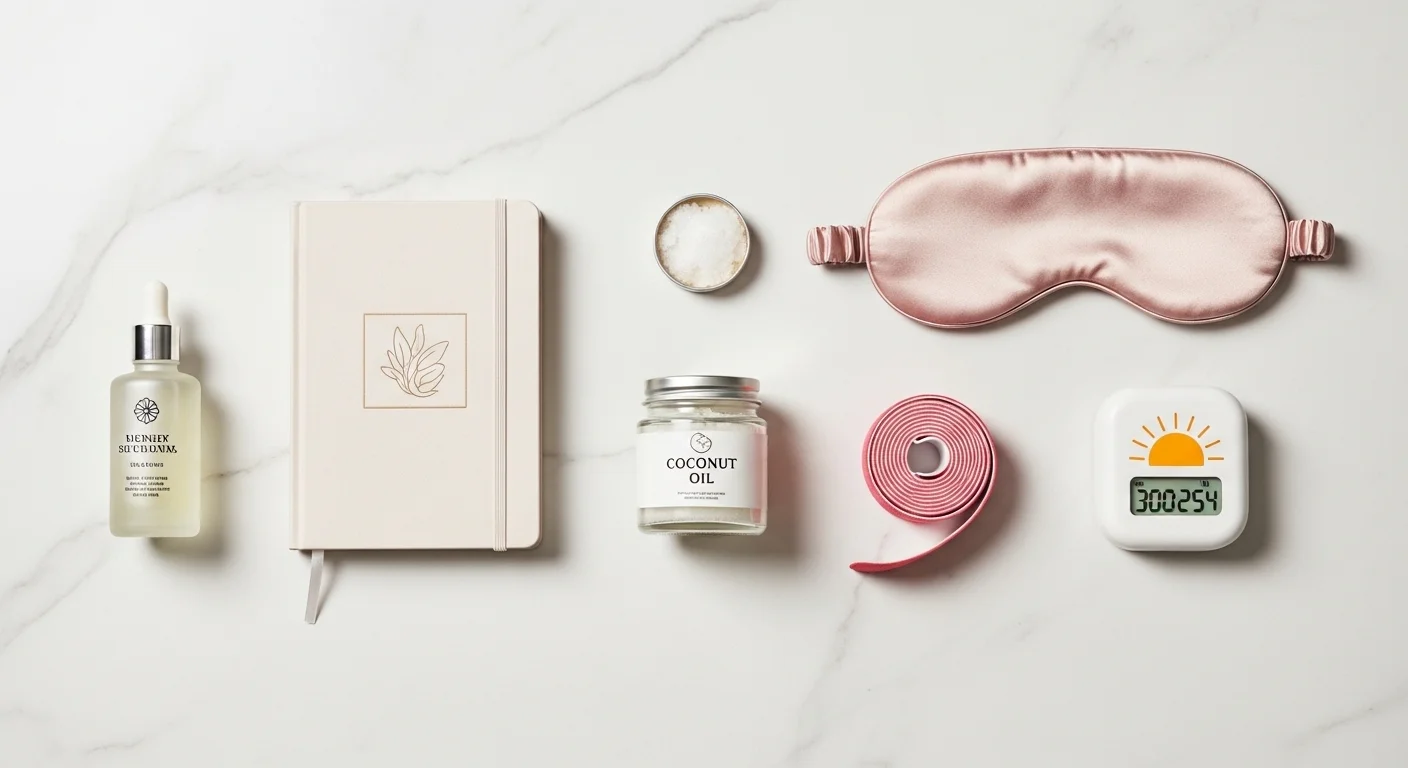
The second habit is brain dump journaling. Take five to ten minutes and write down everything that is occupying mental space. Tasks, worries, ideas, unfinished thoughts. Getting these out of your head and onto paper removes the subconscious pressure to remember them, which can dramatically reduce the mental noise that keeps people awake.
The third habit is gratitude journaling. Even three short sentences about something that went well that day shifts your nervous system out of problem-solving mode and into a calmer, more receptive state. This is not about toxic positivity. It is about deliberately ending the day on a note of acknowledgment rather than anxiety.
Combined, these three habits create a mental transition just as important as any physical step in your routine.
Step Three: Oral Care That Goes Beyond Brushing
Most people brush their teeth at night and call it done. But there are a few additional steps worth adding to your night time routine that support both oral health and overall wellness.
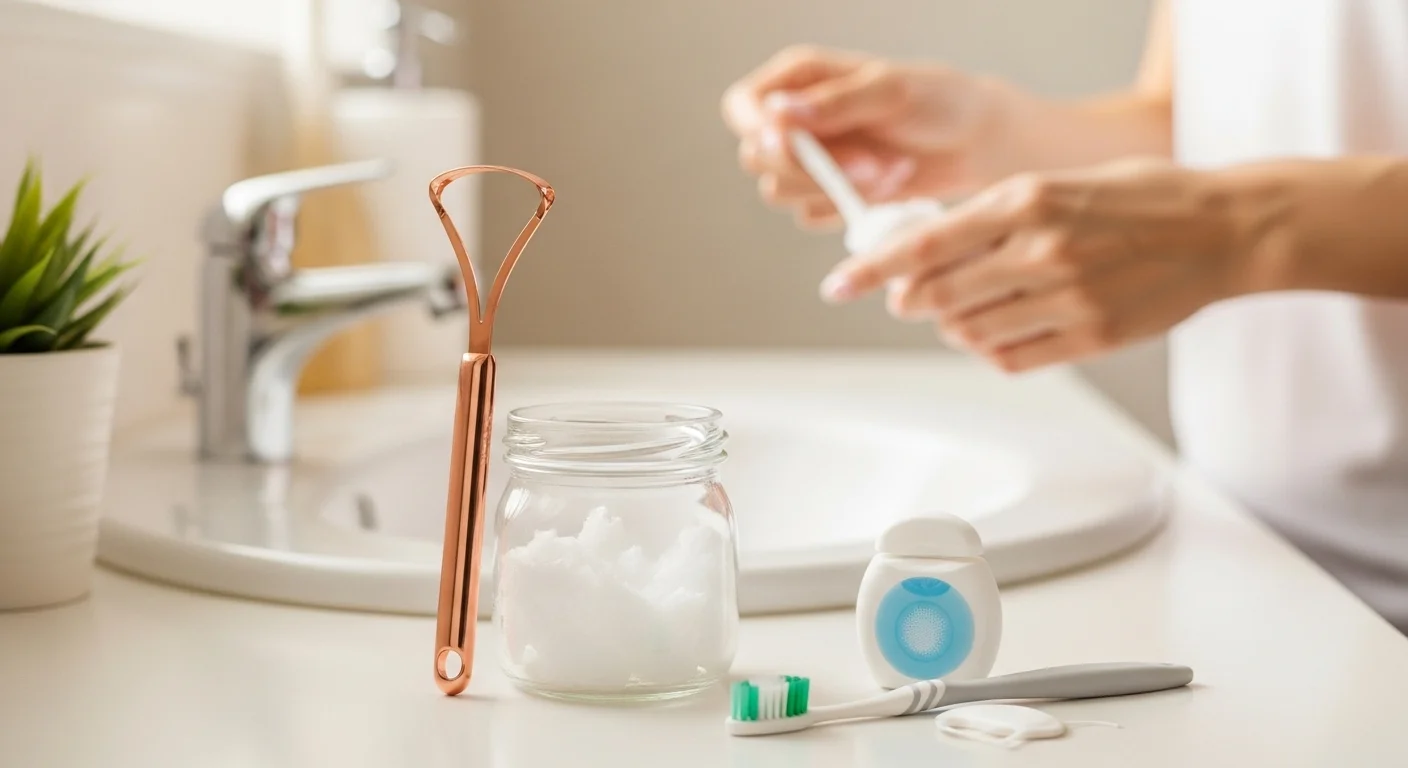
Oil pulling is an ancient Ayurvedic practice that involves swishing a tablespoon of coconut oil around your mouth for ten to fifteen minutes. It works by binding to bacteria, toxins, and debris in the mouth and pulling them out when you spit. It freshens breath, supports gum health, and over time can contribute to naturally whiter teeth. It should always be done before brushing, never after.
Tongue scraping is another powerful practice that most people skip. The tongue harbors a significant amount of bacteria overnight, especially the kind responsible for bad breath. A simple stainless steel or copper tongue scraper used each night removes this buildup and supports a healthier oral microbiome.
Finish with flossing and brushing. Use a soft-bristle toothbrush and fluoride toothpaste, and brush for a full two minutes. If you grind your teeth at night, speak with your dentist about a nightguard, as chronic grinding not only wears down enamel but can disrupt sleep quality significantly.
Step Four: 5 Bedtime Slugging Extras That Actually Work

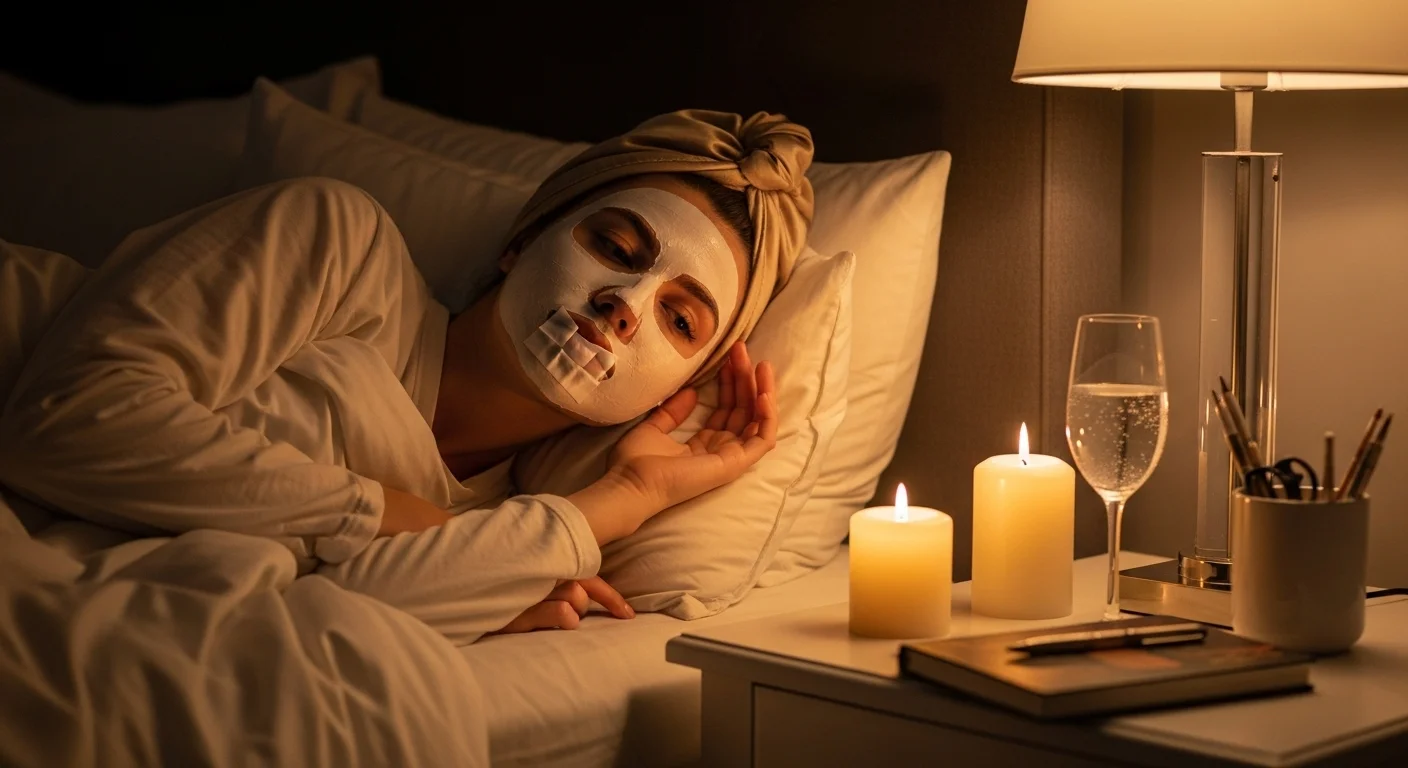
This is the most visually dramatic part of the night time routine, and also the most fun. Bedtime slugging is the practice of layering on targeted overnight treatments that support your skin, hair, and body while you sleep. You will look like you are preparing for a very unusual spa retreat. That is the point.
The first extra is overnight face slugging. Apply a thin layer of petrolatum or a thick ceramide-rich moisturizer as the final step in your skincare routine. This creates an occlusive seal that prevents transepidermal water loss overnight, resulting in noticeably plumper, softer skin by morning. If you use active ingredients like retinol or peptides, apply those first and layer the occlusive product on top.
The second extra is face taping. Kinesiology tape applied gently to expression lines while you sleep creates a physical barrier against unconscious muscle movement. Over consistent use, this can smooth fine lines and train facial muscles to relax, which is why it has become a popular, non-invasive alternative to more aggressive treatments.
The third extra is mouth taping. If you are a habitual mouth breather, this one is a genuine game changer. Nasal breathing during sleep improves oxygen efficiency, reduces snoring, prevents dry mouth, and supports better overall sleep quality. A small piece of medical-grade mouth tape placed horizontally over your lips encourages nasal breathing without forcing your mouth shut.
The fourth extra is an overnight hair treatment. Whether you use a hair oil, a deep conditioning mask, or a leave-in treatment, applying it before bed and wrapping your hair in a silk turban or bonnet allows the ingredients to penetrate over several hours without transferring onto your pillowcase.
The fifth extra is a collagen sheet mask. Overnight collagen masks deliver concentrated hydration and peptides directly to the skin barrier while you sleep. Look for masks made with bio-collagen film that adheres to the skin and dissolves gradually, allowing maximum absorption without any mess.
Pick the extras that align with your current skin and beauty goals. You do not need all five every night. But incorporating even two or three consistently will produce visible results over time.
Step Five: Building Your Sleep Oasis
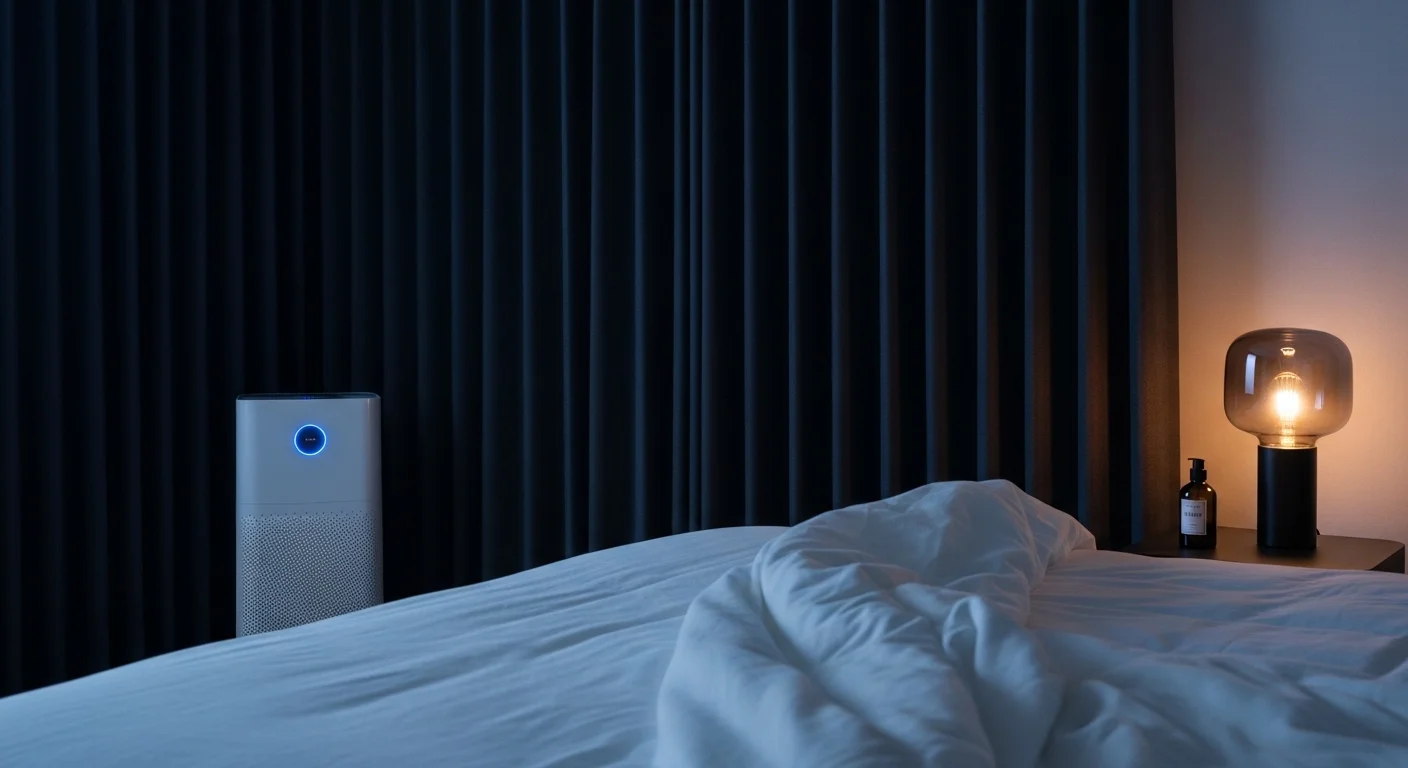
Your environment plays a massive role in the quality of sleep you get, and most people never optimize it properly. A true sleep oasis is a room that communicates to your body on a sensory level that it is safe to fully let go.
Start with temperature. The ideal sleep environment is between sixty and sixty seven degrees Fahrenheit. A cooler room supports the slight drop in core body temperature that the body needs to transition into deep sleep stages.
Invest in an air purifier. Beyond the health benefits of removing allergens and pollutants from your bedroom air, air purifiers produce a consistent low-level white noise that many people find deeply conducive to sleep. It masks disruptive sounds and creates a stable auditory environment throughout the night.
A pillow spray infused with lavender or chamomile applied to your pillow and sheets a few minutes before you get into bed adds an olfactory cue to your routine. Lavender in particular has well-documented calming effects on the nervous system. The scent begins to function as a conditioned trigger over time, signaling to your brain that sleep is imminent.
Make your bed every day and get into a made bed every night. This sounds trivial but it matters. The act of climbing into a clean, tidy bed creates a sense of order and calm that directly affects how quickly your mind settles.
Finally, block all light. Use blackout curtains or a silk sleep mask. Even small amounts of ambient light during sleep can suppress melatonin production and reduce sleep quality. A silk sleep mask has the added benefit of reducing the compression and friction around the delicate eye area that can contribute to fine lines over time.
Step Six: The Set Sleep Schedule That Changes Everything
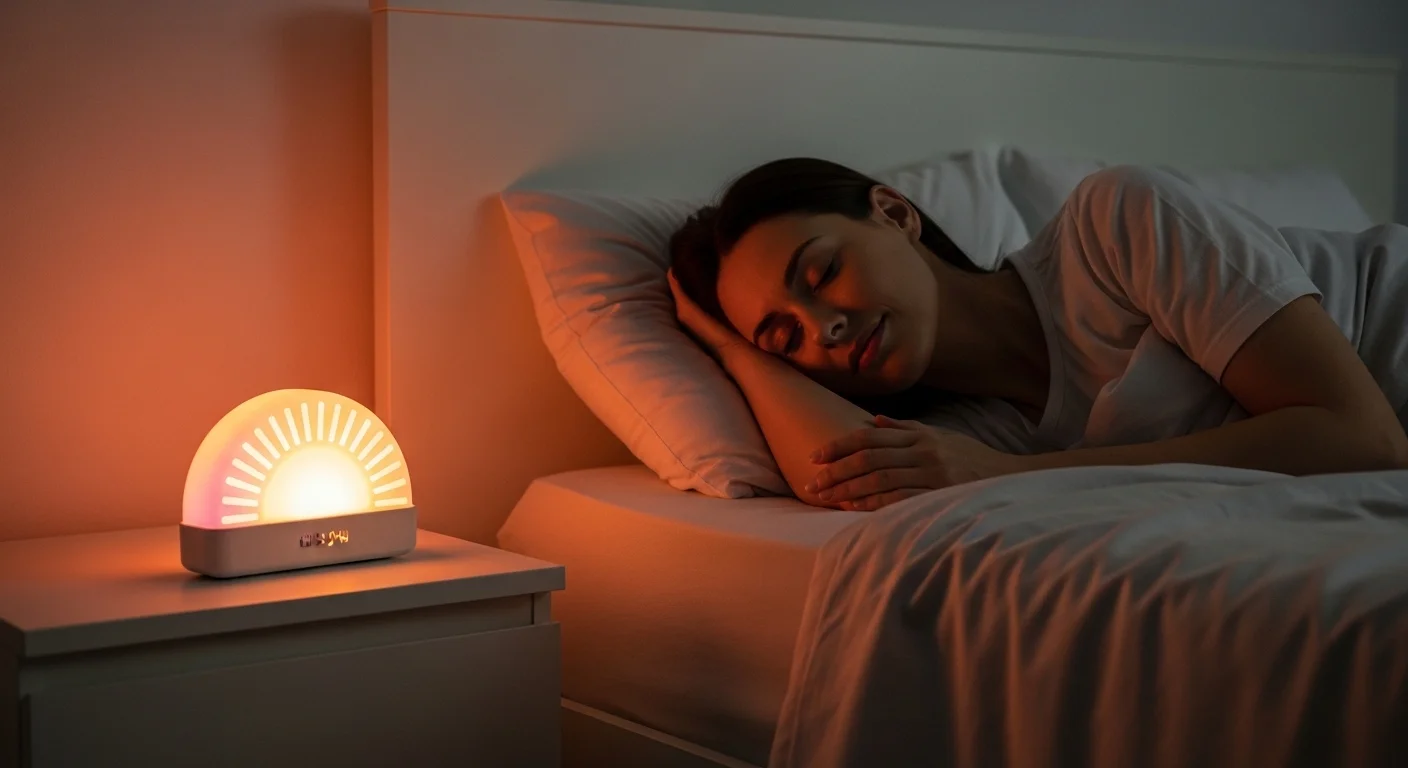
None of the previous steps will deliver their full benefit without this one. Consistency is the engine that drives every other part of your night time routine.
Choose a bedtime and protect it. If you need to be awake at seven in the morning, you need to be asleep by eleven at the latest to hit the recommended seven to eight hours. Work backwards from your wake time and set a hard start time for your routine, factoring in the thirty to sixty minutes you need to move through each step.
Replace your phone alarm with a sunrise alarm clock. These clocks simulate the gradual lightening of natural dawn over twenty to thirty minutes before your set wake time, gently bringing you out of sleep in alignment with your circadian rhythm rather than jolting you awake with a harsh sound. The quality of your waking-up experience matters. When you emerge from sleep gradually and naturally, you carry a calmer, clearer energy into the first hour of your day.
Keep your phone out of the bedroom, or at minimum, face down and on do not disturb from the moment you begin your night time routine. The blue light from screens suppresses melatonin, and the psychological pull of notifications keeps your nervous system in a low-grade alert state that is incompatible with deep rest.
If you want to read before bed, use a physical book or an e-reader with a warm amber light setting. Reading is one of the most effective natural sleep inducers because it occupies the language-processing parts of the brain just enough to crowd out anxious or circular thinking. Check out our guide on how to be attractive.
Conclusion
A great night time routine is not about perfection. It is about intention. It is about making a quiet, consistent commitment to yourself at the end of every day that your body, skin, mind, and energy are worth investing in. The steps outlined here are not complicated. They do not require hours. They require presence and repetition.
The women who wake up looking rested, clear-skinned, and mentally sharp are not operating on some secret they are keeping from everyone else. They have simply built a nighttime ritual that works and then refused to negotiate with it. Start with one or two steps this week. Add more as each one becomes habitual. Within thirty days, the compounding effect of consistent, intentional sleep hygiene will be visible, not just to you but to everyone around you.
Your mornings are built the night before. Build them well.
Frequently Asked Questions
What is the most important step in a night time routine?
Consistency is the single most important factor. A simple, consistent routine performed every night will outperform an elaborate one done occasionally. If you had to choose one step to start with, prioritize a set bedtime and a calming wind-down practice like journaling or a magnesium drink.
How long should a night time routine take?
A complete night time routine can take anywhere from thirty to sixty minutes depending on how many steps you include. It does not need to be long to be effective. Even a twenty minute routine done consistently every night will produce meaningful results over time.
Does what you do before bed actually affect your skin?
Yes, significantly. The skin undergoes most of its repair and regeneration during sleep, particularly in the hours before midnight. Cleansing, moisturizing, and applying targeted treatments before bed allows active ingredients to work during this peak repair window without the interference of sun exposure, pollution, or makeup.
Is mouth taping safe to use during sleep?
For most healthy adults who breathe through their mouths habitually, mouth taping with medical-grade tape designed for this purpose is considered safe. However, people with sleep apnea, nasal congestion, or respiratory conditions should consult a doctor before attempting mouth taping.
How does magnesium help with sleep?
Magnesium supports the nervous system by activating the parasympathetic response, which is the body’s rest and digest mode. It also plays a role in regulating melatonin and reducing cortisol. Supplementing with magnesium glycinate or citrate before bed can help reduce the time it takes to fall asleep and improve the depth of sleep.




5 Comments