
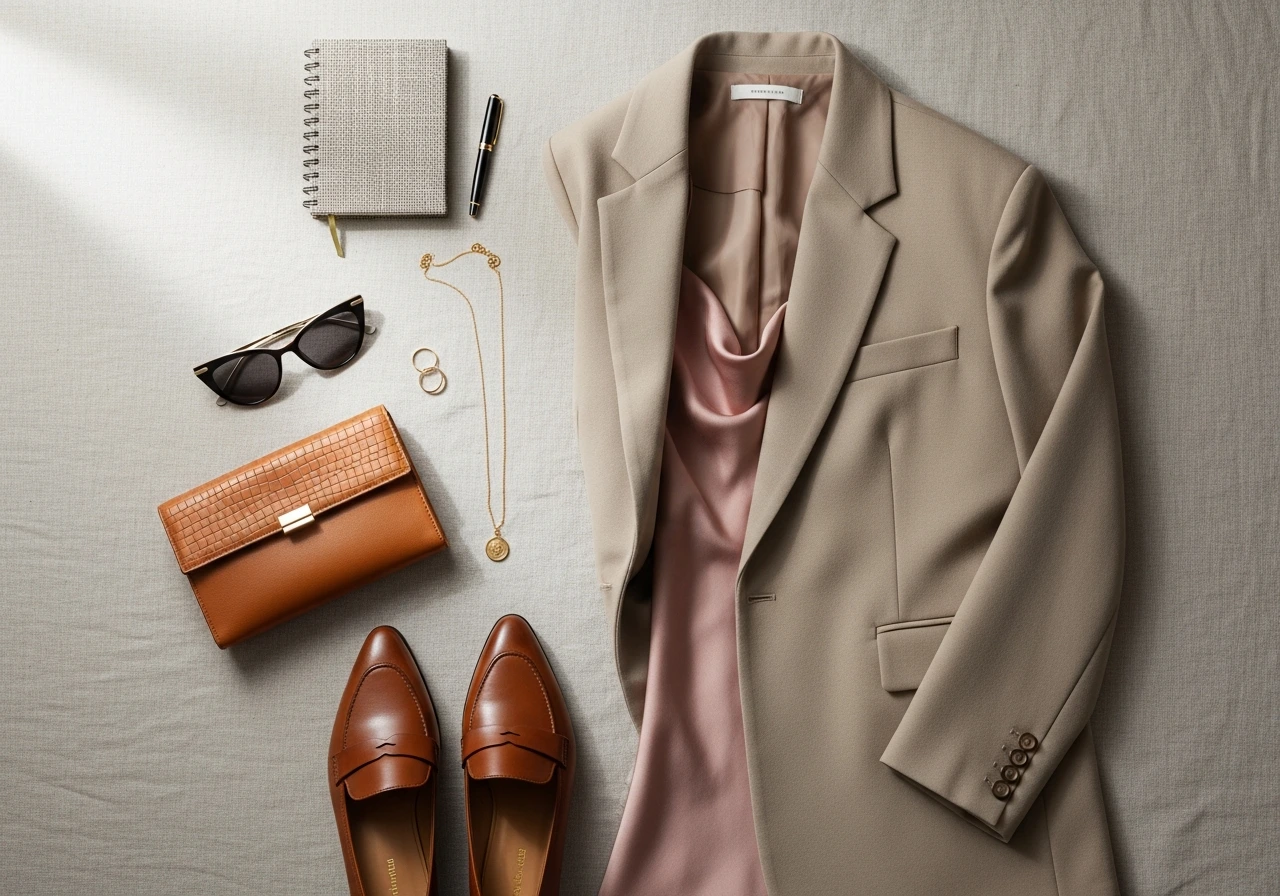
How to Define Your Personal Style
Finding your personal style can feel overwhelming when faced with endless fashion trends, social media influences, and an abundance of clothing choices. Yet, developing a signature look that truly represents who you are remains one of the most empowering journeys you can undertake. Personal style goes beyond following the latest runway trends or copying influencer outfits. It represents a visual language that communicates your personality, values, and individuality without uttering a single word.
When you discover and embrace your authentic style, getting dressed transforms from a daily struggle into an enjoyable expression of self. You stop second-guessing your wardrobe choices, avoid impulsive purchases that never get worn, and build genuine confidence in your appearance. This comprehensive guide will walk you through the essential steps to define your personal style, create a cohesive wardrobe, and present yourself authentically to the world.
Understanding What Personal Style Really Means
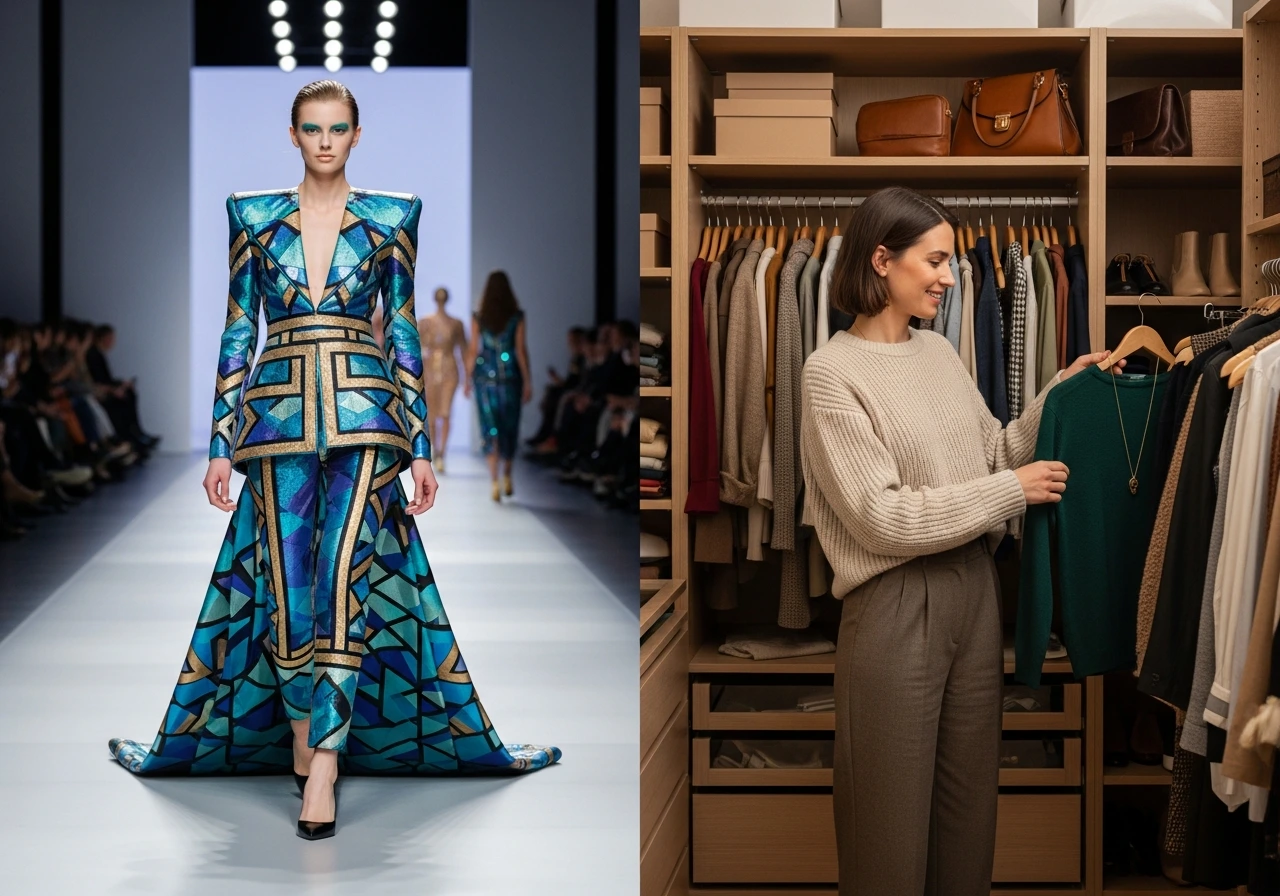
Personal style is fundamentally about how you want to present yourself through clothing, accessories, and overall aesthetic choices. It reflects your inner personality through external expression. Many people confuse personal style with fashion, but these concepts differ significantly. Fashion refers to current trends and what designers showcase on runways, while personal style represents your unique way of interpreting and wearing clothing that resonates with your authentic self.
Your personal style should align with your lifestyle, personality, and the story you want to tell about yourself. Someone working in a creative industry might embrace bold patterns and unexpected combinations, while another person might find confidence in minimalist, tailored pieces. Neither approach is superior; what matters is that your clothing choices feel genuine to you.
Understanding this distinction helps you avoid the trap of constantly chasing trends that never quite feel right. When you wear something that aligns with your personal style, you feel comfortable and confident because the outfit reflects who you truly are rather than who you think you should be.
Analyzing Your Current Wardrobe
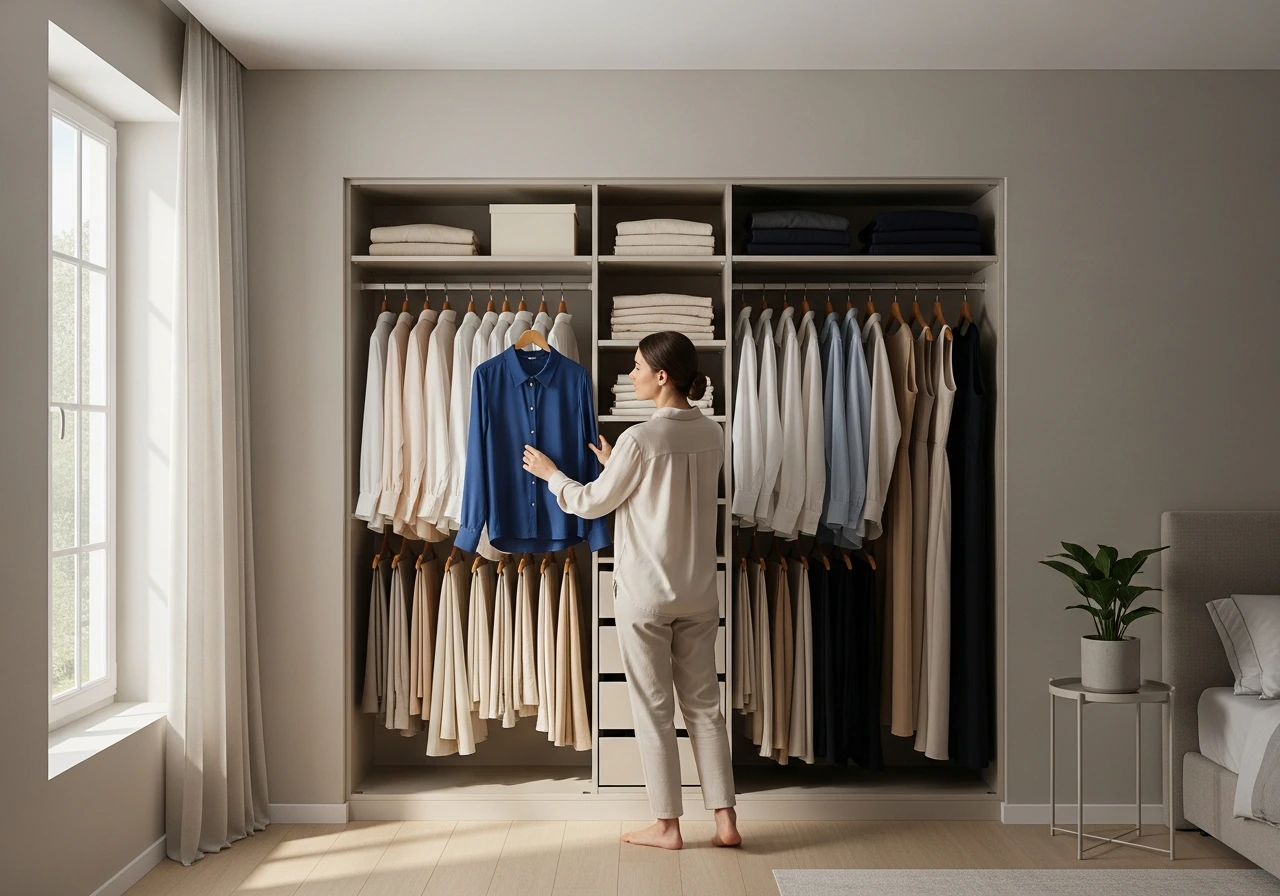
Before building your signature style, examine what you already own. Your existing wardrobe contains valuable clues about your authentic preferences. Start by reviewing the items you reach for repeatedly. These favorite pieces reveal patterns about colors, silhouettes, fabrics, and overall aesthetics that genuinely resonate with you.
Take photos of yourself wearing different outfits and review them with an objective eye. Which combinations make you feel most confident? Which pieces do you avoid wearing despite liking them when you purchased them? This exercise helps identify the gap between what you think you like and what you actually enjoy wearing.
Pay attention to the common elements in your most-worn items. Perhaps you gravitate toward soft, flowing fabrics or prefer structured, tailored pieces. You might notice you always choose earth tones or consistently reach for statement jewelry. These patterns form the foundation of your personal style identity.
Gathering Inspiration From Multiple Sources
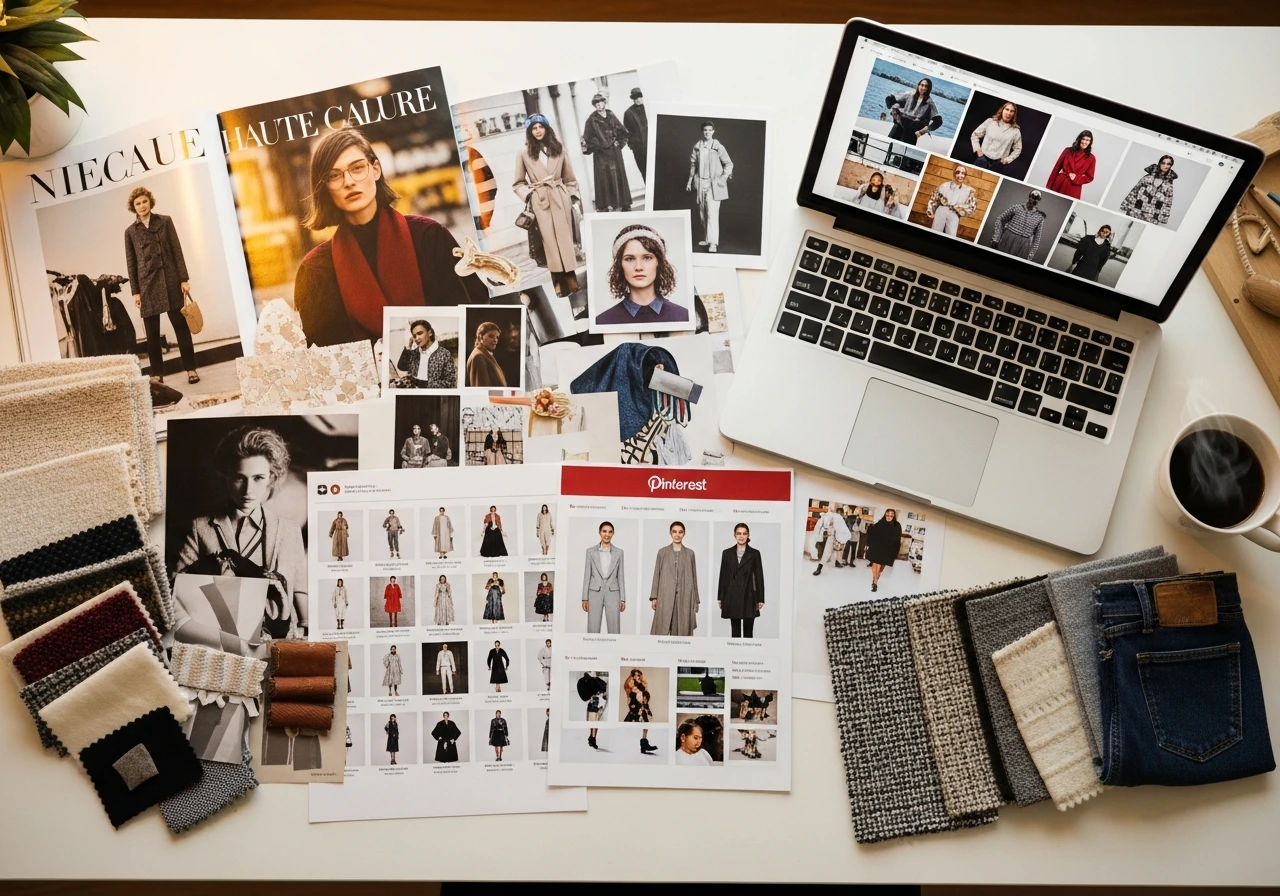
Finding your personal style requires exploration and exposure to diverse aesthetic influences. Create a dedicated space for collecting inspiration, whether through Pinterest boards, Instagram saves, or physical mood boards. As you gather images, focus on outfits that make you think, “I could see myself wearing that” rather than merely “that looks nice.”
Look beyond social media influencers and fashion magazines. Draw inspiration from people in your daily life whose style you admire, characters in films or television shows, vintage photographs, and even art and architecture. The key is collecting a wide range of references that speak to you on an intuitive level.
As your collection grows, step back and analyze the common threads. You might discover recurring elements like specific color palettes, certain silhouettes, or particular styling approaches. These consistencies point toward your authentic style preferences and help clarify the direction you want to pursue.
Identifying Your Style Keywords
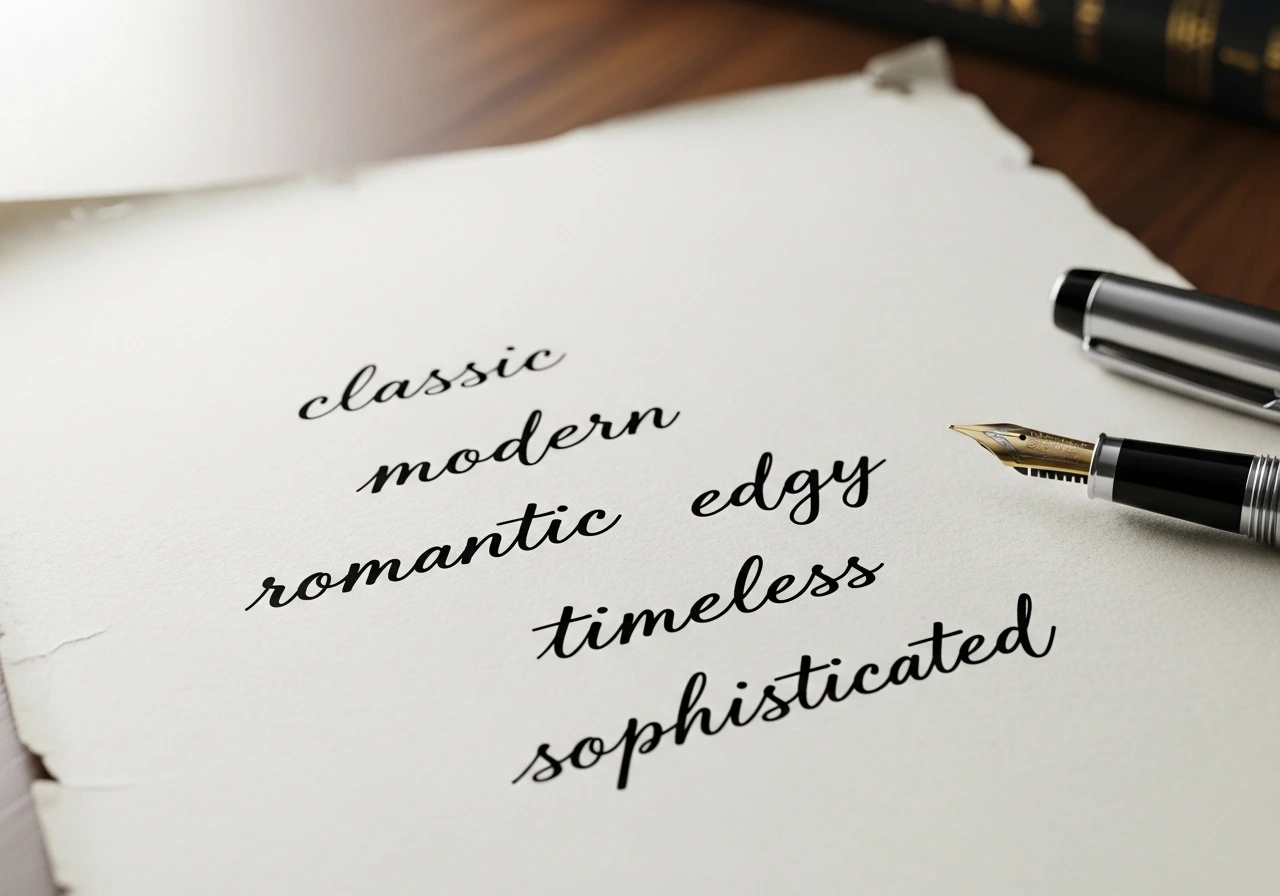
One of the most effective methods for defining your personal style involves selecting three to five descriptive words or short phrases that encapsulate how you want to look and feel. These style keywords serve as guideposts when shopping, getting dressed, or evaluating potential purchases.
Your style keywords should reflect your personality and values rather than body shape, budget, or lifestyle constraints. They describe the aesthetic impression you want to create. Examples might include classic, edgy, romantic, minimalist, bohemian, polished, relaxed, modern, vintage-inspired, or bold.
Choose words that feel authentic and exciting to you, even if they seem contradictory at first. Someone might identify with both “polished” and “creative,” finding ways to express both qualities through their wardrobe choices. These keywords only need to make sense to you and should guide your style decisions consistently.
Considering Your Lifestyle and Practical Needs

While personal style transcends practical considerations, it must also function within the realities of your daily life. A wardrobe that doesn’t serve your actual activities creates frustration rather than confidence. Consider how you spend your days and what environments you navigate regularly.
Someone working in a corporate office requires different clothing than a freelance artist working from home. Parents of young children need outfits that accommodate active movement and potential messes. Your wardrobe should reflect both your aesthetic preferences and practical requirements.
The goal is finding the intersection between what you love aesthetically and what works functionally. If you adore flowing maxi dresses but spend your days chasing toddlers, perhaps midi dresses or wide-leg pants offer a better compromise. Your personal style should enhance your life rather than complicate it.
Exploring Different Style Archetypes
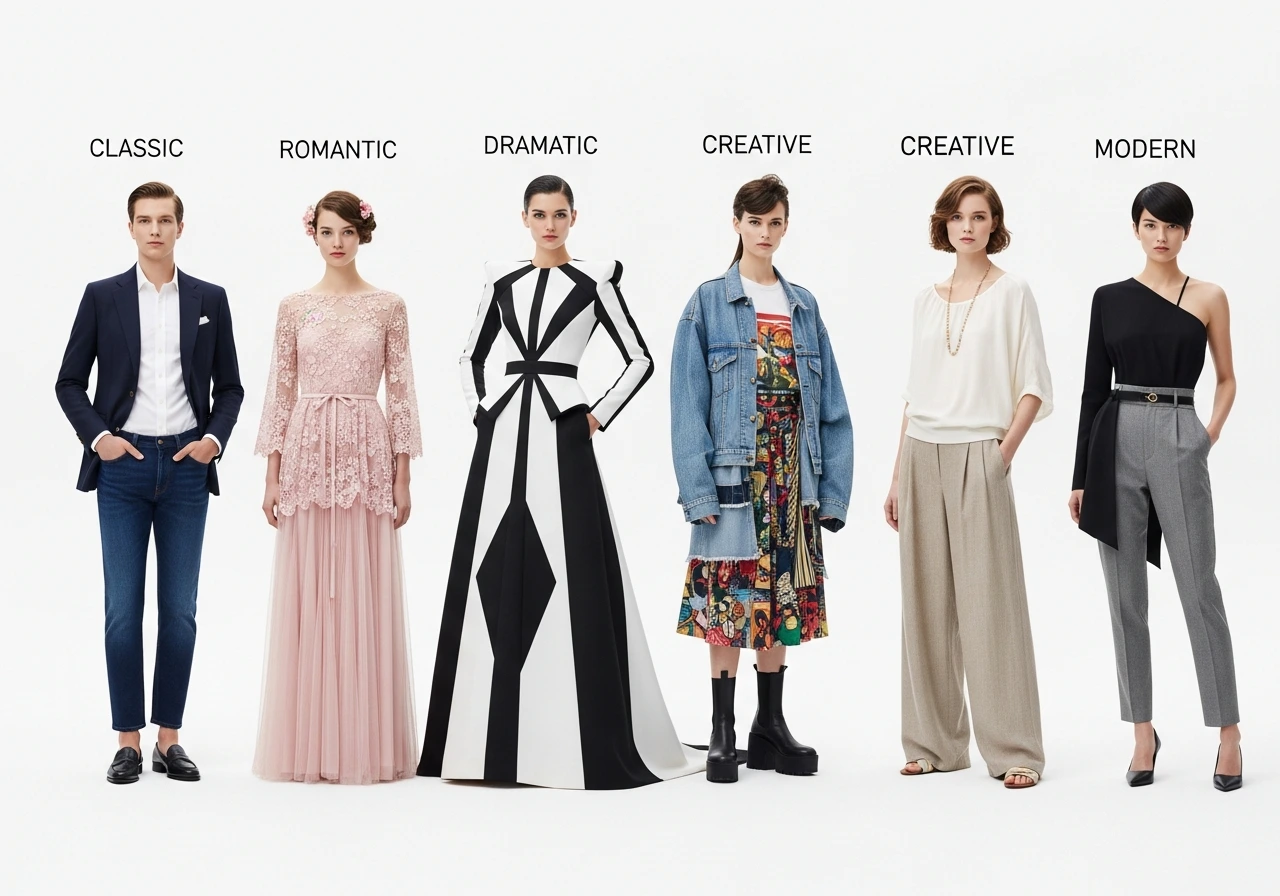
Understanding various style archetypes helps you identify which aesthetics resonate most strongly with you. While you need not fit perfectly into any single category, exploring these frameworks provides useful vocabulary and direction for your style journey.
Common style archetypes include classic, romantic, dramatic, natural, creative, and modern. Classic style emphasizes timeless, well-tailored pieces in neutral colors. Romantic style features soft fabrics, flowing silhouettes, and feminine details. Dramatic style embraces bold statements, strong lines, and eye-catching elements. Natural style prioritizes comfort, relaxed fits, and earthy tones. Creative style mixes unexpected elements and unique combinations. Modern style focuses on clean lines, contemporary cuts, and minimalist aesthetics.
Most people identify with elements from multiple archetypes. You might have a primarily classic style with romantic influences, or combine natural and creative elements. Understanding these categories helps you articulate your preferences and recognize which aspects to emphasize in your wardrobe.
Understanding Body Shape and Proportions
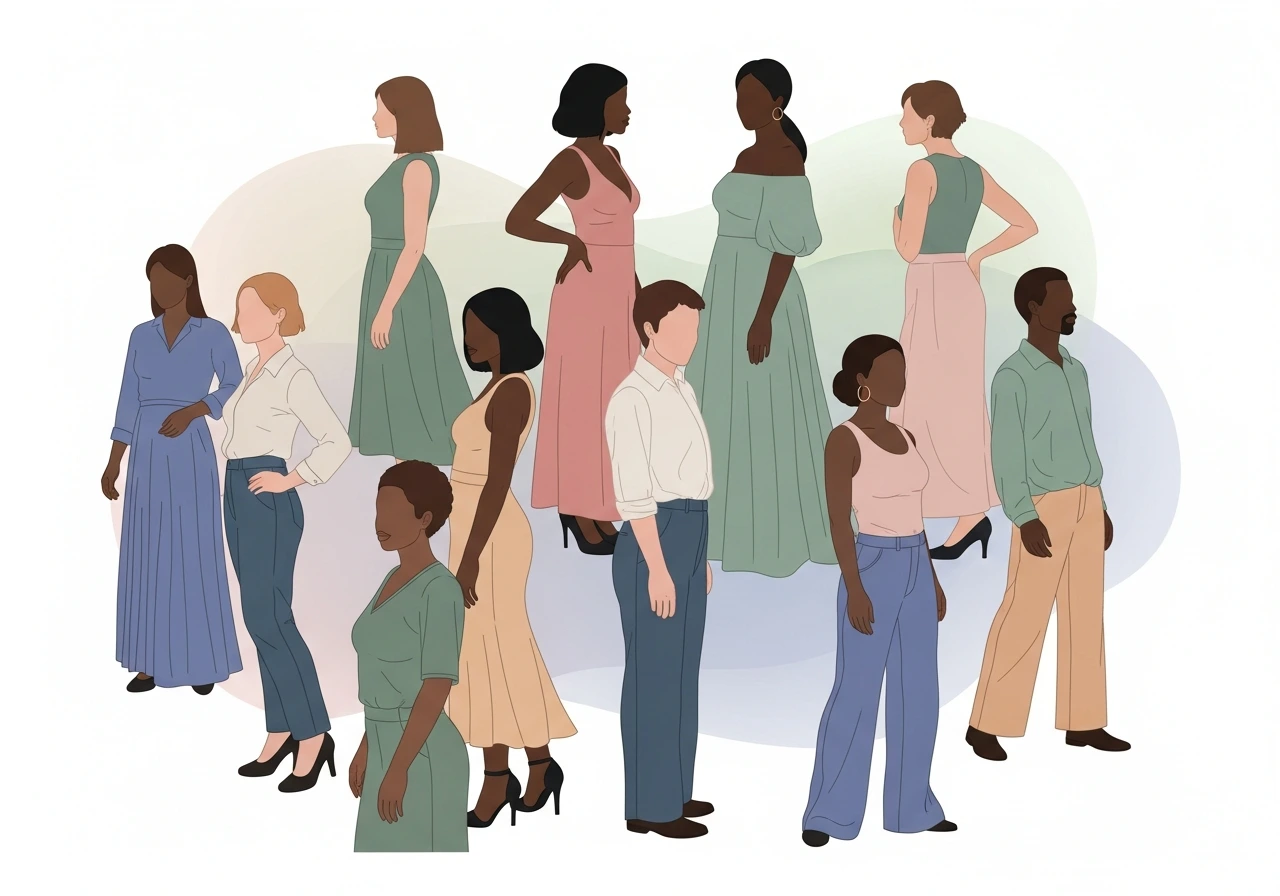
While personal style transcends body shape, understanding your proportions helps you select clothing that makes you feel comfortable and confident. This knowledge empowers you to choose silhouettes that align with your aesthetic goals rather than following rigid rules about what you should or should not wear.
Different body shapes include hourglass, pear, inverted triangle, rectangle, and round. However, these categories serve as general guidelines rather than prescriptive rules. The key is identifying which areas you want to highlight or balance according to your own preferences.
Understanding proportion helps you make intentional choices. If you want to emphasize your waist, you might choose belted styles or high-waisted bottoms. If you love your shoulders, you might opt for boat necklines or structured tops. This approach focuses on celebrating what you love about your body rather than hiding perceived flaws.
Creating Your Signature Color Palette
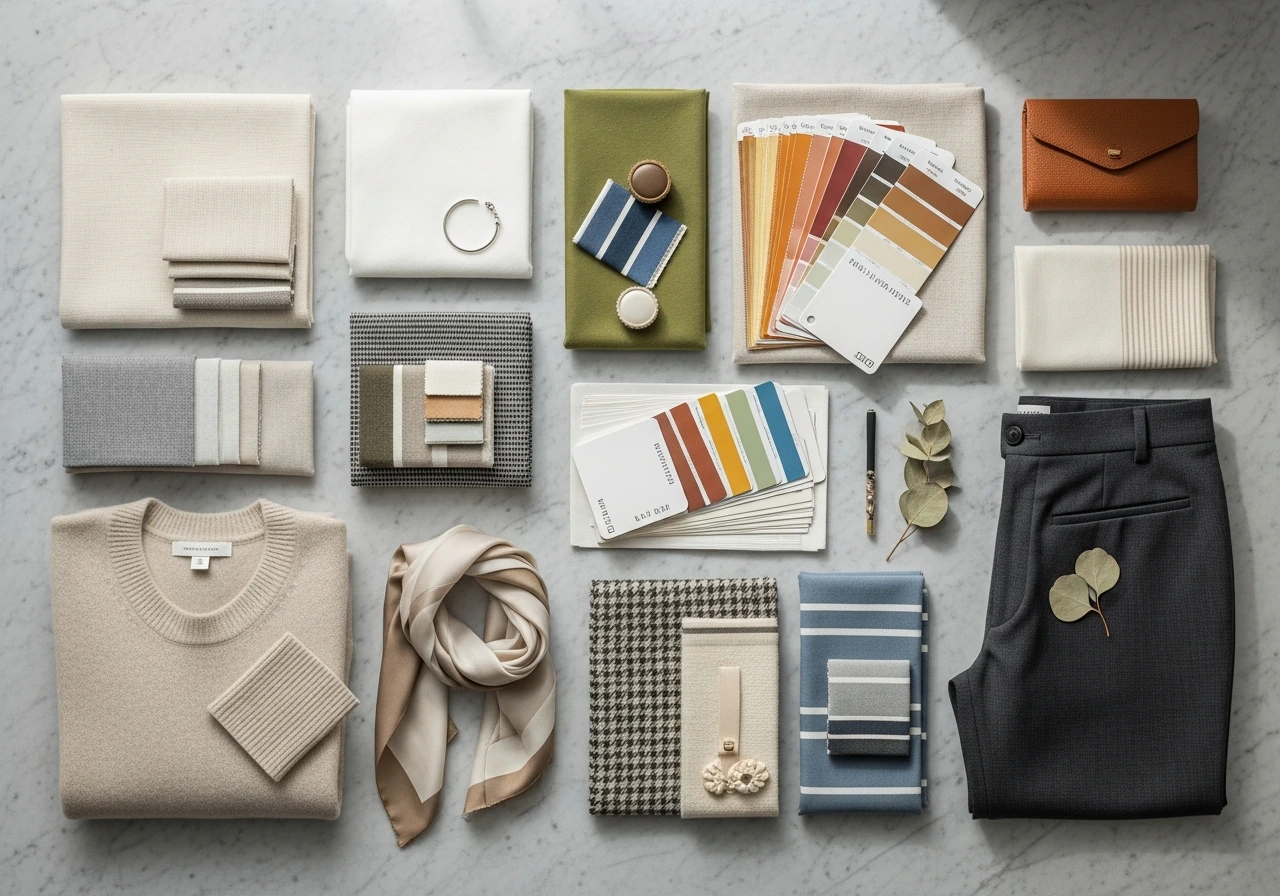
Color plays a powerful role in personal style, influencing not only how you look but how you feel. Developing a signature color palette creates visual cohesion in your wardrobe and simplifies getting dressed. Start by identifying colors that make you feel confident and energized when you wear them.
Consider both the colors that complement your natural coloring and the hues that resonate with your personality. You might discover that certain shades consistently appear in your inspiration collection or that you gravitate toward particular color families when shopping.
Your color palette might include neutrals as a foundation with accent colors for variety and interest. Someone might build their wardrobe around black, white, and gray with pops of emerald green and burgundy. Another person might embrace earth tones like camel, olive, and rust. Your palette should feel both cohesive and authentic to you.
Developing Your Signature Elements
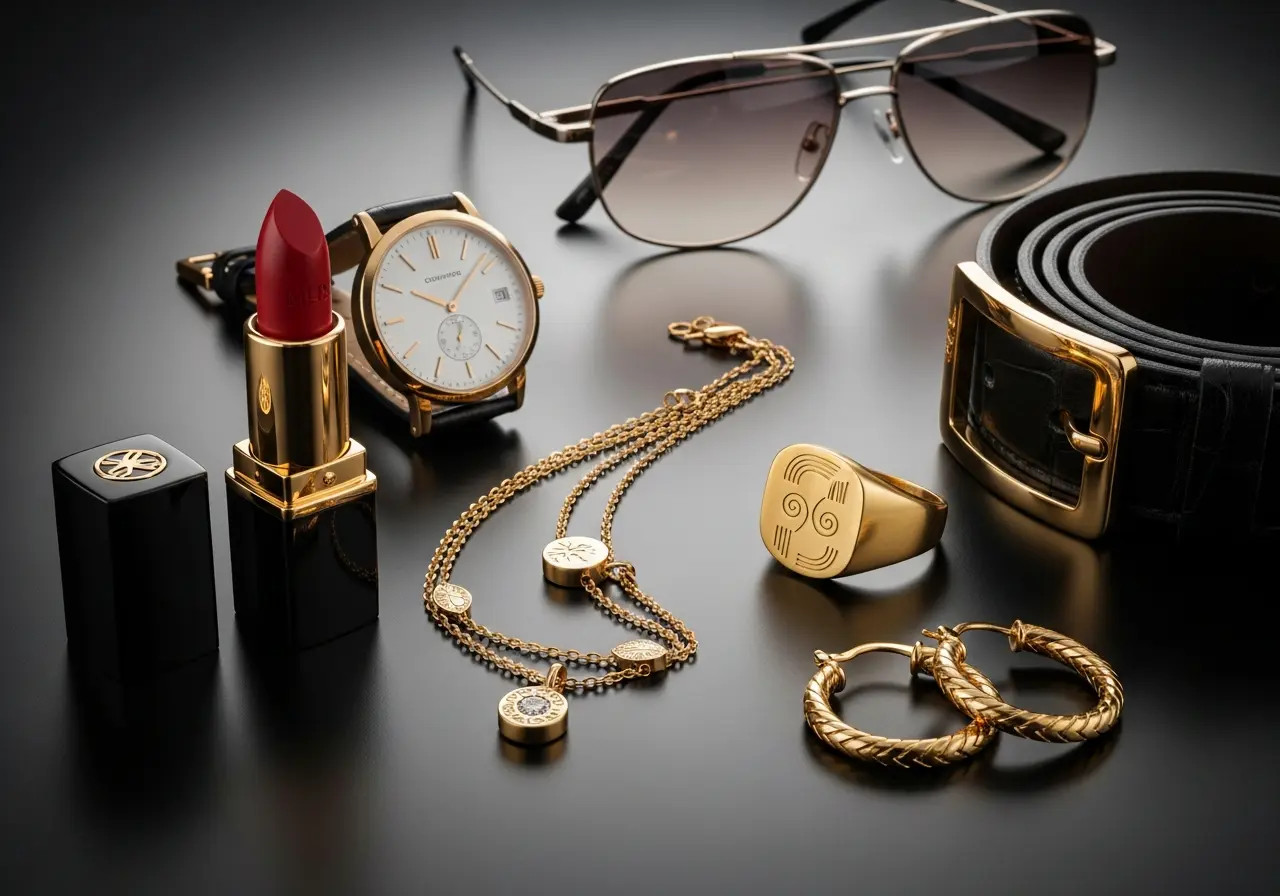
Signature elements are the distinctive details that make your style recognizable and uniquely yours. These might include particular accessories you always wear, specific styling approaches you consistently use, or certain garment types that appear throughout your wardrobe.
Perhaps you always wear gold jewelry, never silver. Maybe you invariably choose oversized blazers or always tuck in your shirts. You might consistently add menswear pieces to feminine outfits or always wear a bold red lip. These signature elements become your style fingerprint.
Start noticing what details you’re naturally drawn to and which styling choices make you feel most like yourself. Over time, these preferences evolve into signature elements that define your personal style and make getting dressed feel effortless and authentic.
Building a Cohesive Wardrobe
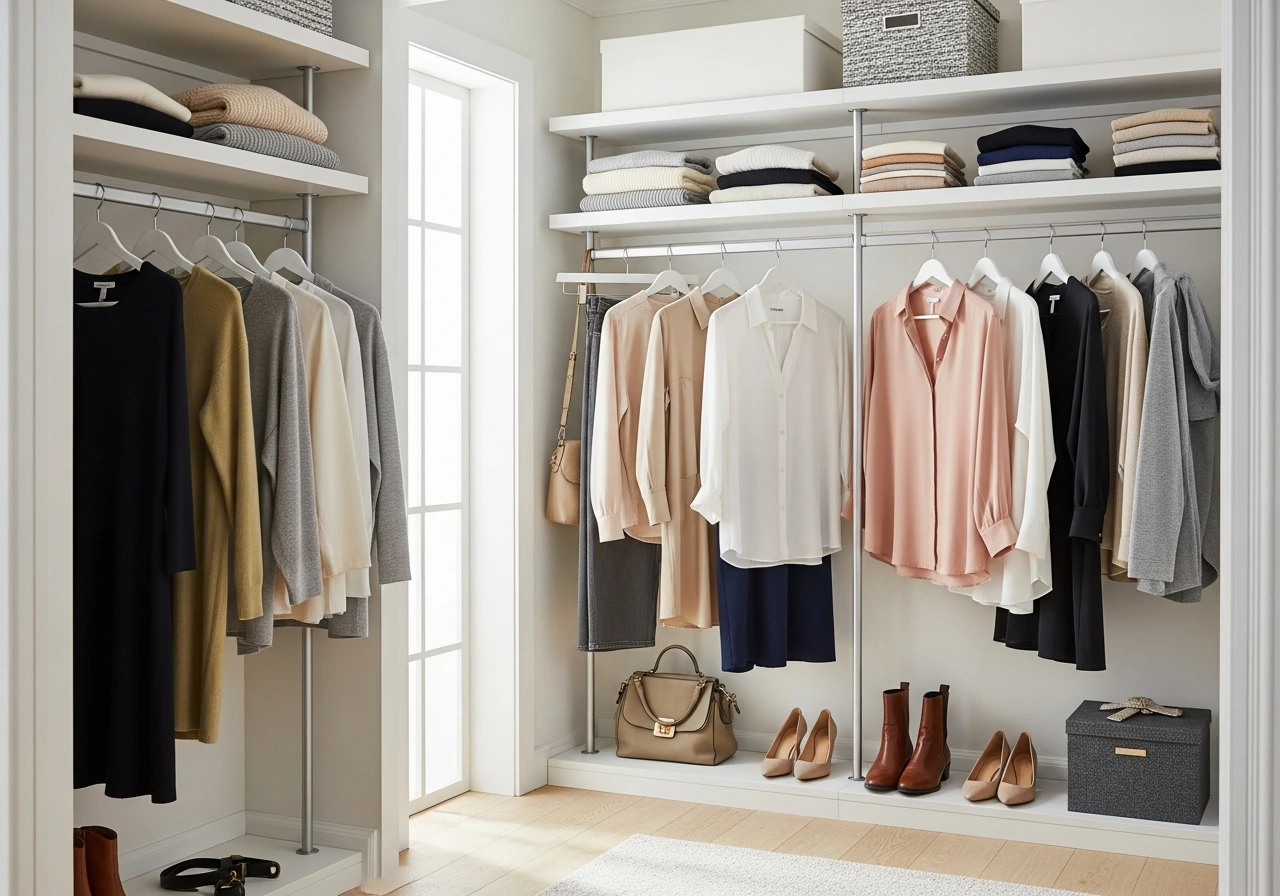
Once you’ve clarified your personal style, begin curating a wardrobe that reflects your aesthetic vision. This process involves both evaluating existing pieces and making strategic additions. Review your current clothing through the lens of your style keywords, color palette, and identified preferences.
Keep items that align with your personal style and serve your lifestyle, even if you haven’t worn them recently. Remove pieces that don’t fit your style vision, regardless of their cost or how recently you purchased them. This editing process creates space for clothing that truly represents who you are.
When adding new pieces, refer back to your style keywords and vision. Ask yourself whether each potential purchase aligns with your identified style and fills a genuine gap in your wardrobe. This intentional approach prevents impulse buying and builds a collection you genuinely love wearing.
Experimenting While Staying True to Yourself
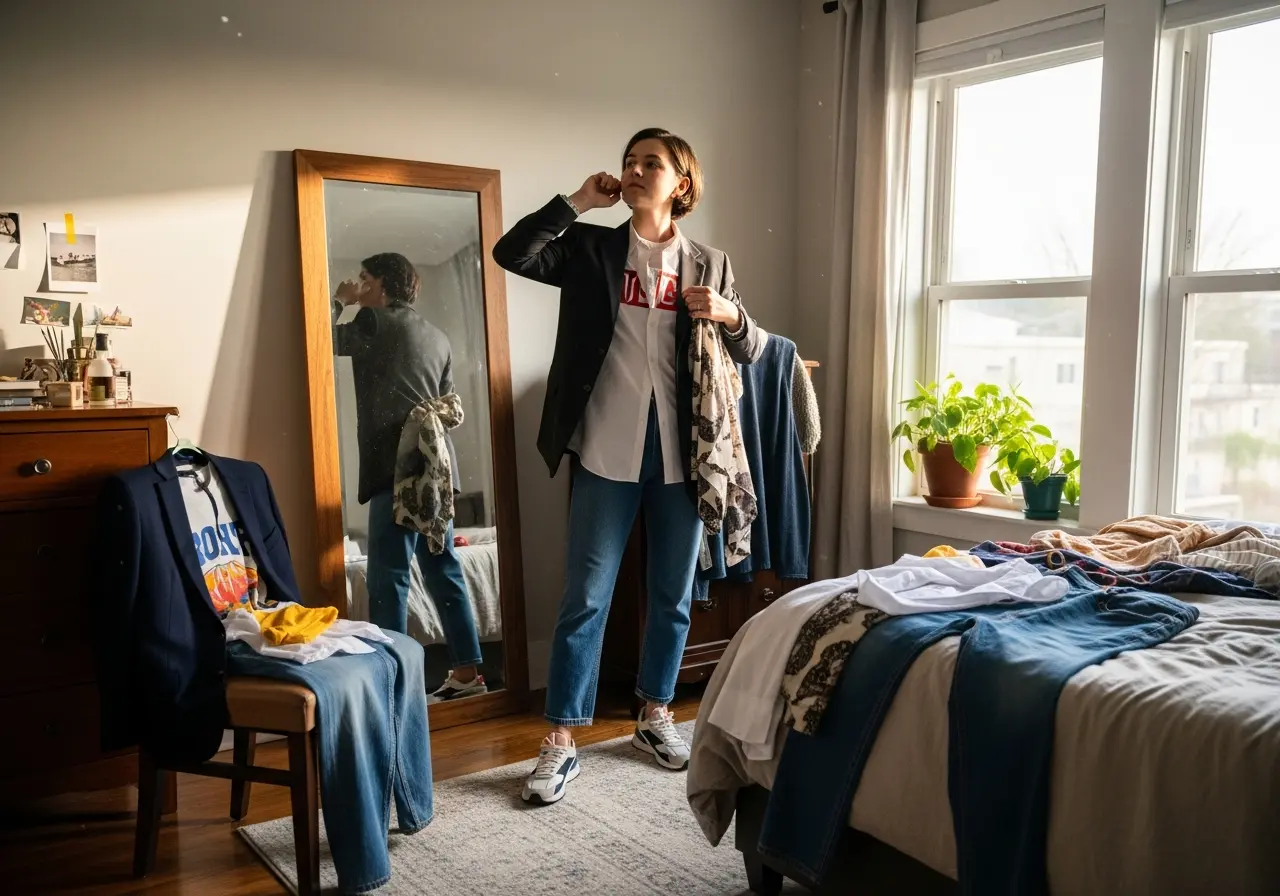
Defining your personal style doesn’t mean creating rigid rules or never trying anything new. Style evolves as you grow and change, and experimentation keeps your wardrobe fresh and exciting. The key is experimenting within the framework of your personal style rather than abandoning it entirely.
If you’ve identified a classic, minimalist style, you might experiment with different textures, proportions, or unexpected color combinations while maintaining your overall aesthetic. Someone with a romantic style might incorporate edgier elements like leather jackets or combat boots in a way that still feels cohesive with their personal vision.
Allow yourself to try trends that genuinely interest you and see how they work within your existing wardrobe. You might discover new elements that enhance your personal style or confirm that certain trends simply don’t resonate with you. Both outcomes provide valuable information.
Embracing Confidence and Authenticity
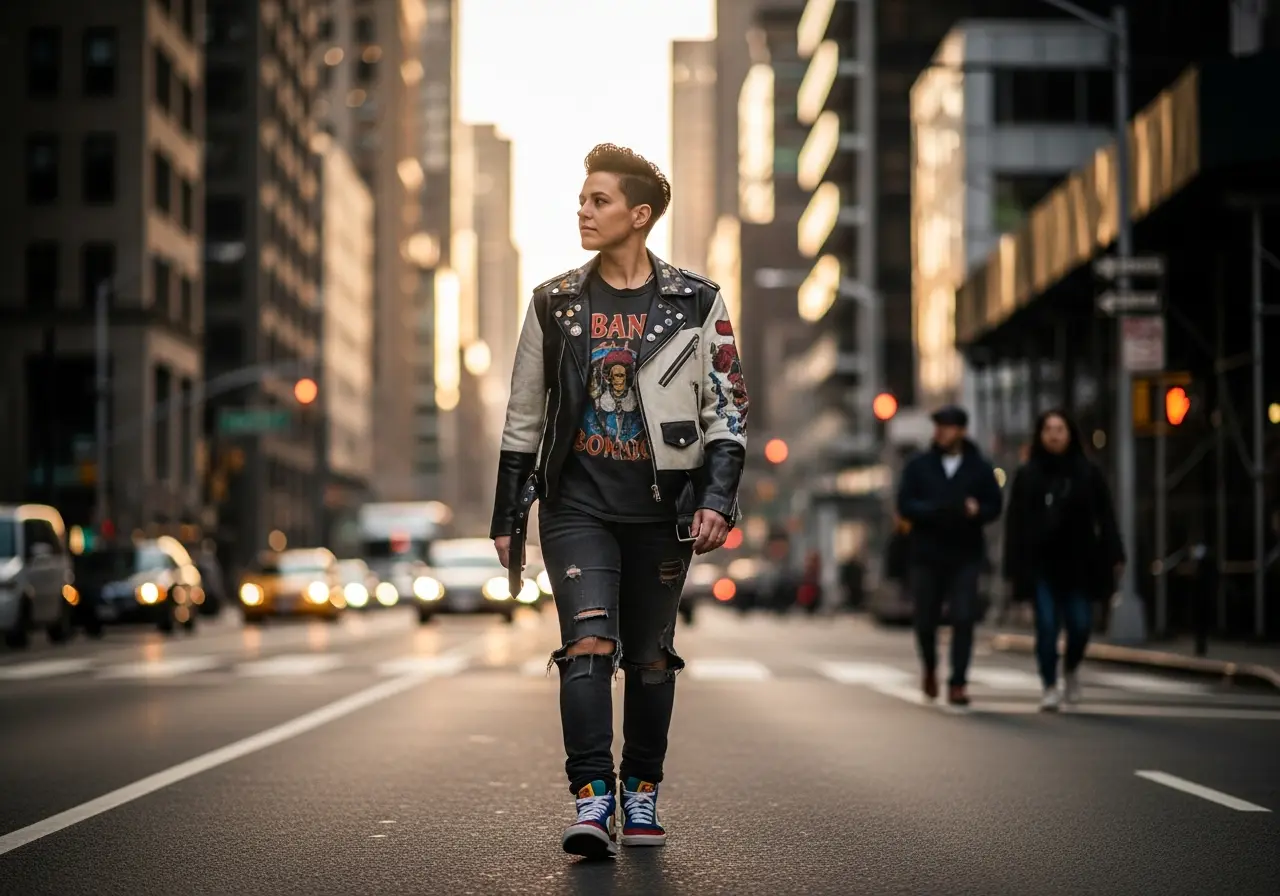
The ultimate goal of defining your personal style is cultivating genuine confidence in how you present yourself. When your clothing choices authentically reflect who you are, you stop worrying about whether you’re dressed “right” and start enjoying the creative expression that personal style offers.
Confidence comes from knowing that your outfit represents your authentic self rather than attempting to meet external expectations. This doesn’t mean you’ll never feel uncertain or want to try something different, but it provides a solid foundation from which to make styling choices.
Remember that personal style is deeply individual. What works beautifully for someone else might not suit you, and vice versa. Comparing yourself to others only undermines the very purpose of developing a personal style. Your style should reflect your unique personality, values, and aesthetic preferences.
Refining Your Style Over Time
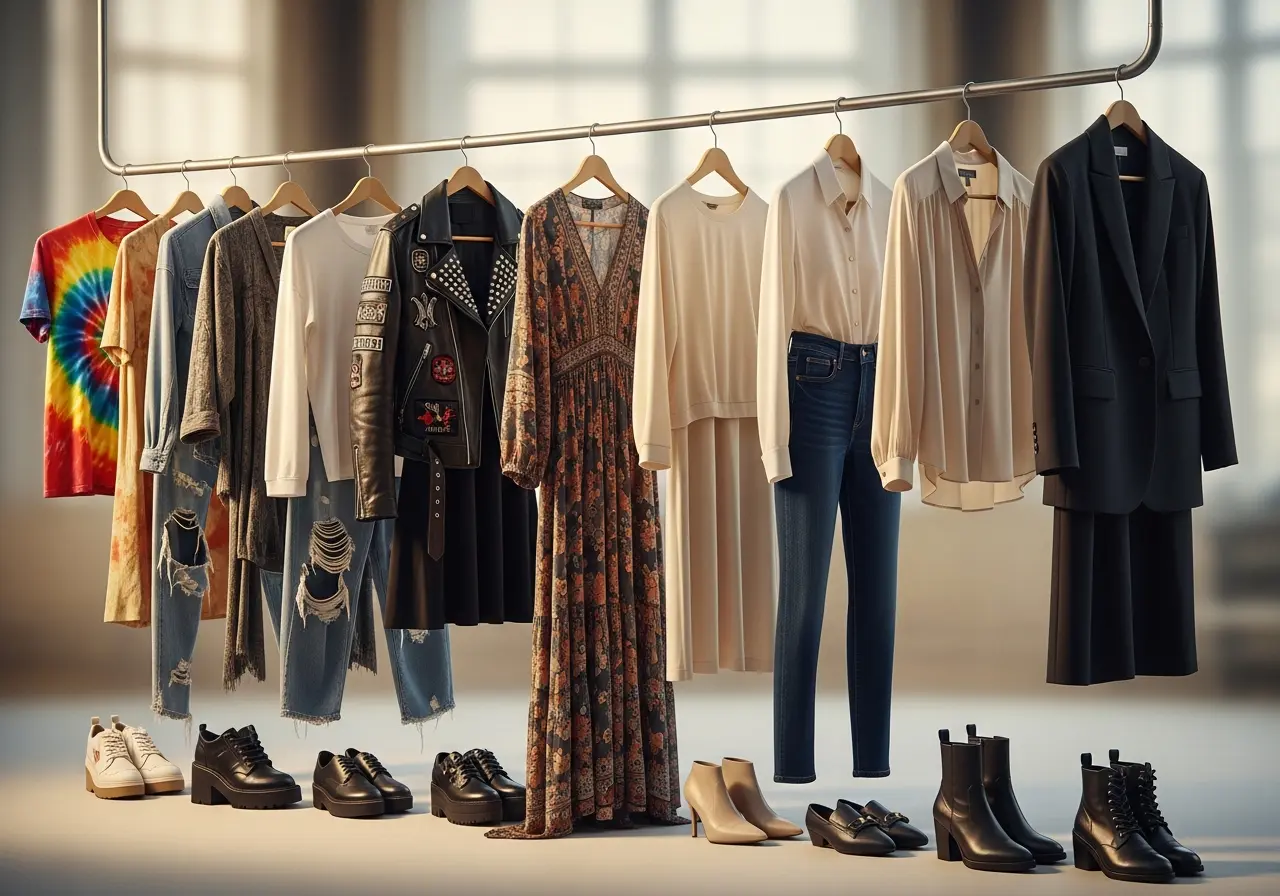
Personal style is not static. As you grow, have new experiences, and evolve as a person, your style naturally shifts and develops. What felt perfect five years ago might no longer resonate, and that’s entirely normal. Regular reflection helps ensure your wardrobe continues reflecting who you are now rather than who you used to be.
Periodically revisit your style keywords, color palette, and wardrobe to ensure they still feel authentic. Perhaps your lifestyle has changed, requiring different clothing, or your aesthetic preferences have evolved toward new influences. Allow your personal style to grow with you rather than clinging to outdated versions of yourself.
This ongoing refinement process keeps your style fresh and relevant to your current life. It prevents your wardrobe from becoming stagnant or feeling disconnected from your authentic self. Embrace this evolution as a natural part of developing and maintaining a meaningful personal style.
Defining your personal style represents a journey of self-discovery that extends far beyond clothing. It requires honest reflection about who you are, what you value, and how you want to move through the world. When you invest time and thought into this process, you create a wardrobe that serves as a genuine extension of your personality rather than a collection of random garments that never quite feel right. Your personal style becomes a powerful tool for self-expression, confidence, and authenticity that enhances every aspect of your daily life.
Explore for more capsule wardrobe tips!
Frequently Asked Questions
How long does it take to define your personal style?
Defining your personal style is an ongoing process rather than a one-time achievement. Most people begin seeing clarity within a few weeks of intentional exploration and reflection, but refining and fully developing your style typically takes several months to a year. The timeline varies based on how much time you dedicate to the process and your level of self-awareness about your preferences.
Can I have more than one personal style?
Yes, many people incorporate elements from multiple style categories to create their unique aesthetic. You might blend classic and creative influences or combine romantic and edgy elements. The key is ensuring these different aspects feel cohesive when combined rather than creating a disjointed wardrobe that lacks direction.
What if my personal style doesn’t match my body type recommendations?
Personal style should take priority over rigid body type rules. These guidelines serve as tools to help you feel confident, not restrictions on what you can wear. If certain styles make you feel authentic and empowered, wear them regardless of traditional body shape recommendations. The goal is expressing yourself, not following someone else’s rules.
How much should I spend developing my personal style?
Defining your personal style doesn’t require significant financial investment. Start by working with what you already own, exploring free inspiration sources, and making thoughtful, intentional purchases when adding new pieces. Quality matters more than quantity, and building a cohesive wardrobe gradually proves more sustainable than buying everything at once.
Should I completely ignore fashion trends?
You don’t need to ignore trends entirely, but filter them through your personal style lens. If a current trend aligns with your aesthetic and genuinely appeals to you, incorporate it in a way that feels authentic. However, avoid adopting trends that contradict your style simply because they’re popular. Your personal style should guide your relationship with trends rather than being dictated by them.


One Comment