
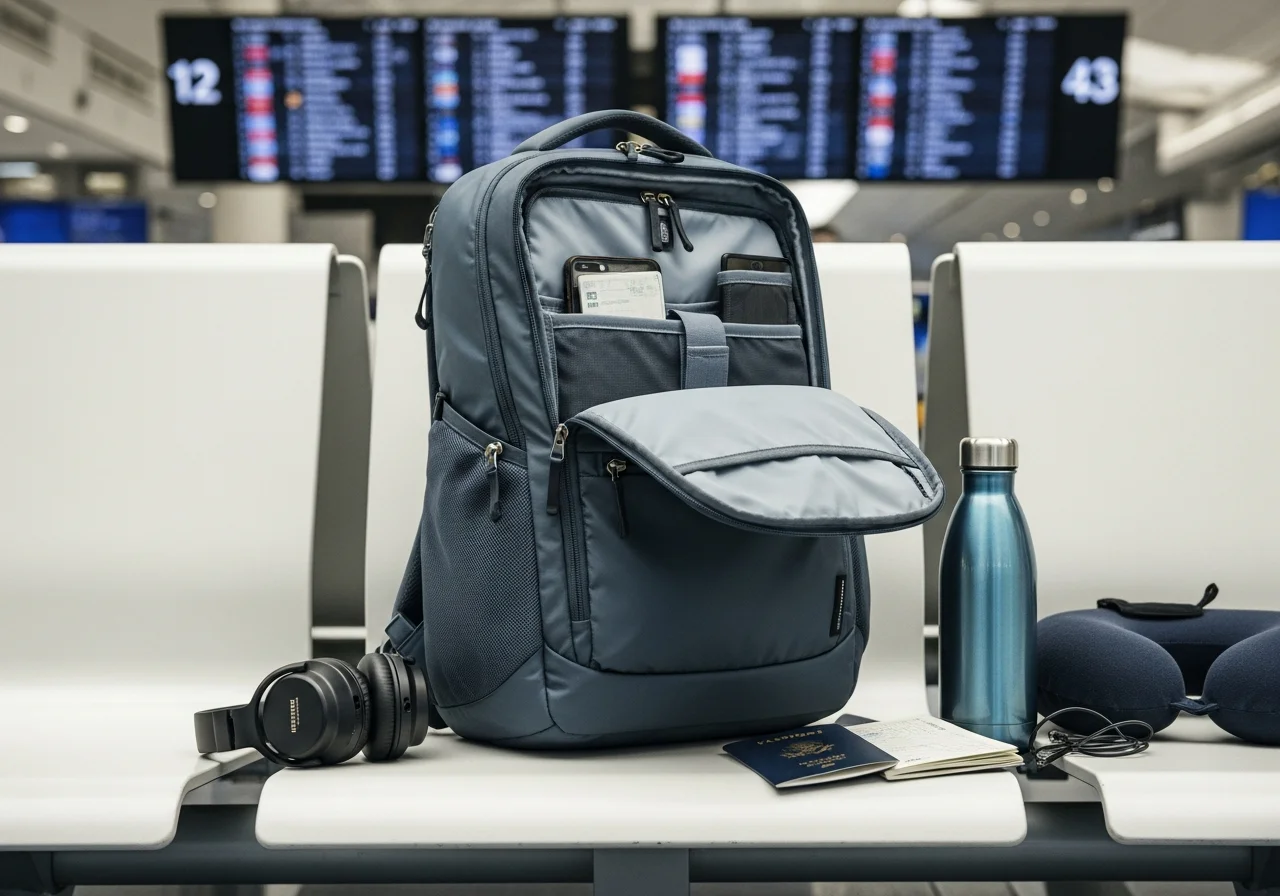
15 My Backpack For A Smooth Flight
Air travel has become an integral part of modern life, whether for business obligations, family visits, or exciting adventures to new destinations. Among all the preparation that goes into a successful journey, one element stands above the rest in importance: your backpack. This seemingly simple piece of luggage can make the difference between a stressful, uncomfortable flight and a seamless travel experience that leaves you refreshed and ready for what lies ahead.
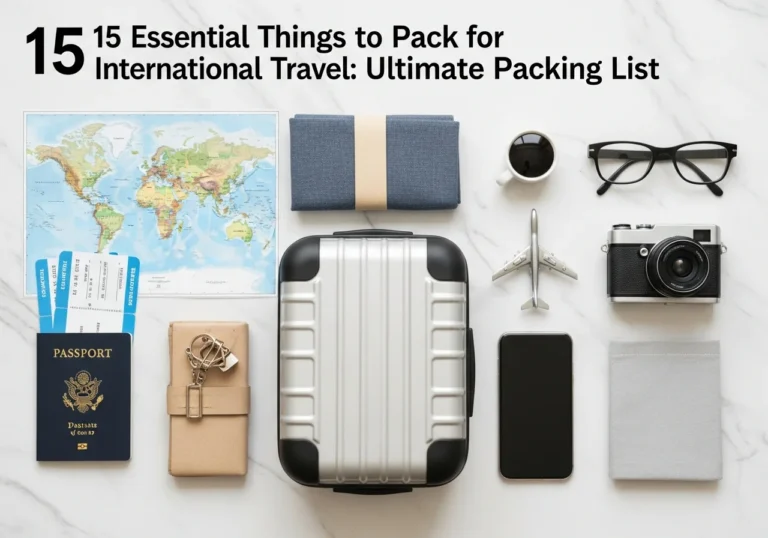
The my backpack has evolved from a simple storage solution to a carefully curated travel companion. Understanding what to pack in your backpack transforms the way you navigate airports, pass through security checkpoints, and settle into your seat for hours at altitude. This comprehensive guide will walk you through the fifteen essential items that belong in your backpack for air travel, ensuring you’re prepared for every scenario from departure to arrival.
Understanding Your Backpack Strategy
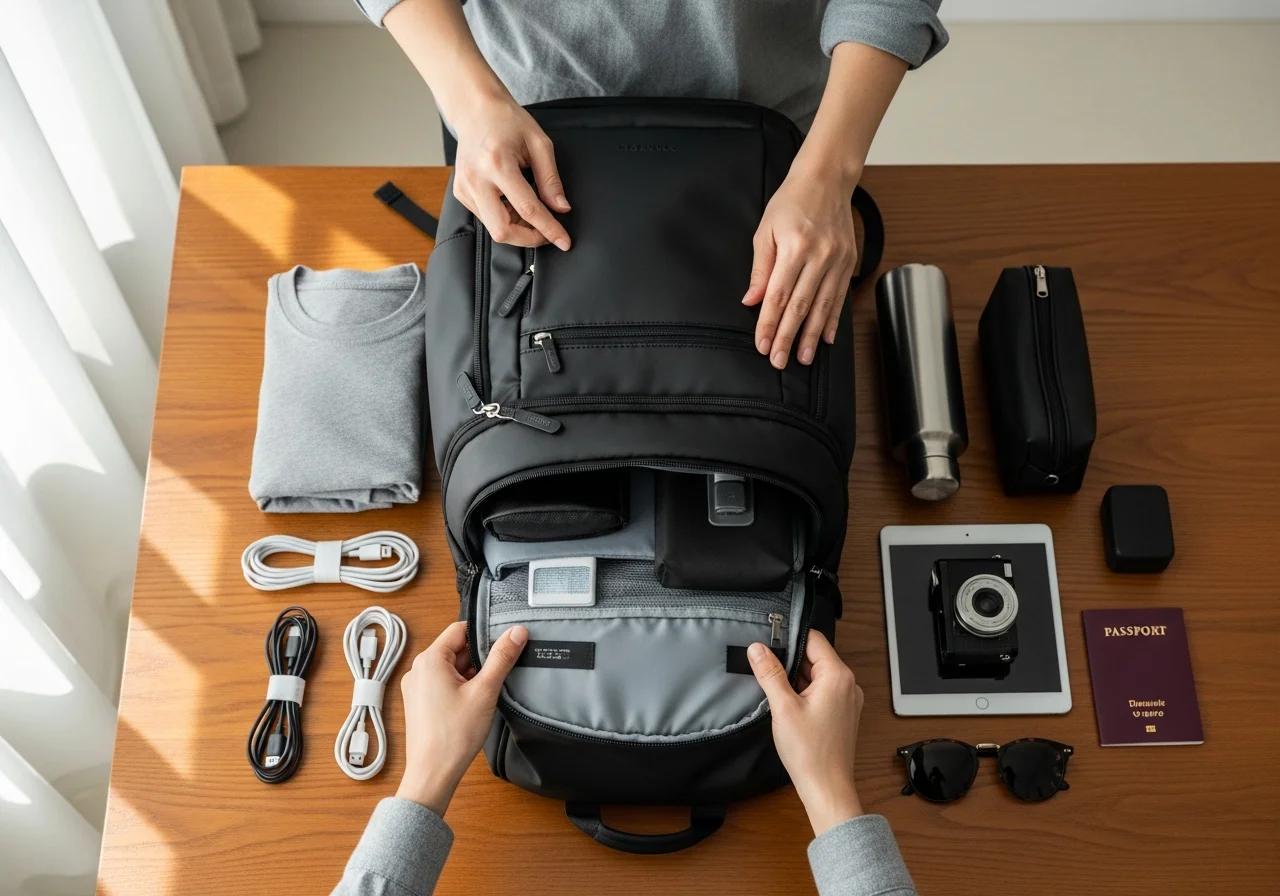
Before diving into specific items, it’s worth recognizing that your backpack serves multiple purposes during air travel. It functions as your personal item, remaining accessible throughout your journey while your larger luggage stays in the overhead bin or gets checked at the gate. Smart travelers recognize that what goes into this bag requires careful consideration based on accessibility, necessity, and airline regulations.
The modern traveler’s backpack balances preparation with practicality. Overpacking creates unnecessary weight and makes items harder to locate, while underpacking leaves you scrambling for basic necessities. The fifteen items outlined here represent the sweet spot between these extremes, covering essential categories from documentation to comfort, technology to health.
Travel Documents and Money Management
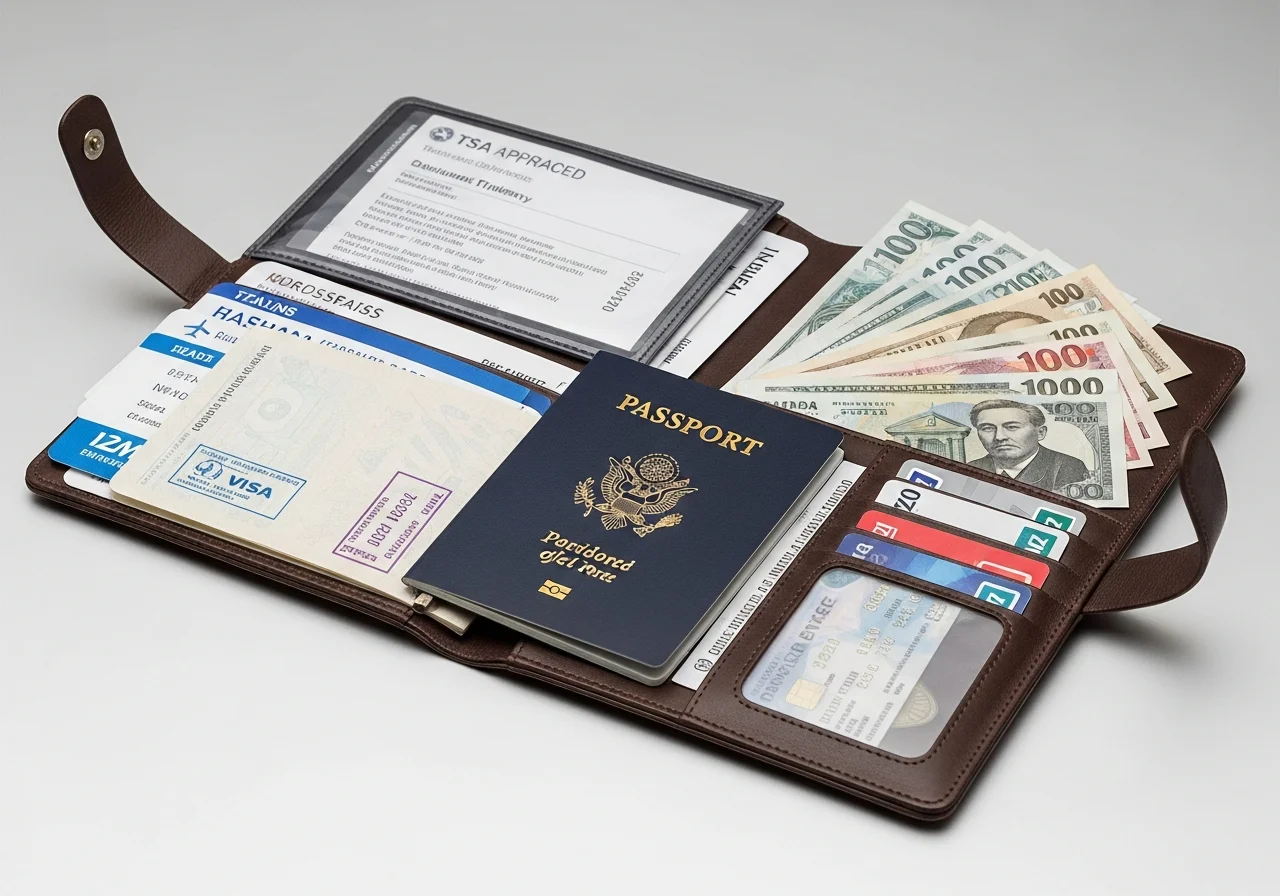
The foundation of any successful flight begins with proper documentation. Your backpack should contain your passport or identification card in an easily accessible yet secure pocket. Many experienced travelers use a dedicated travel wallet or document organizer that keeps passports, boarding passes, and travel insurance information together in one waterproof sleeve.
Physical boarding passes still serve as valuable backups even in our digital age. While mobile boarding passes work wonderfully when technology cooperates, dead phone batteries and technical glitches at the gate have stranded more travelers than anyone cares to admit. A printed copy tucked into your document organizer provides peace of mind.
Credit cards, debit cards, and appropriate currency for your destination need secure storage. Consider distributing money across multiple locations within your backpack rather than keeping everything in one wallet. This strategy protects you if theft occurs and ensures you always have access to funds regardless of what happens to any single item. or even more detailed recommendations on what to pack for international flights, see our Backpack Essentials for International Flights.
Technology and Entertainment Essentials

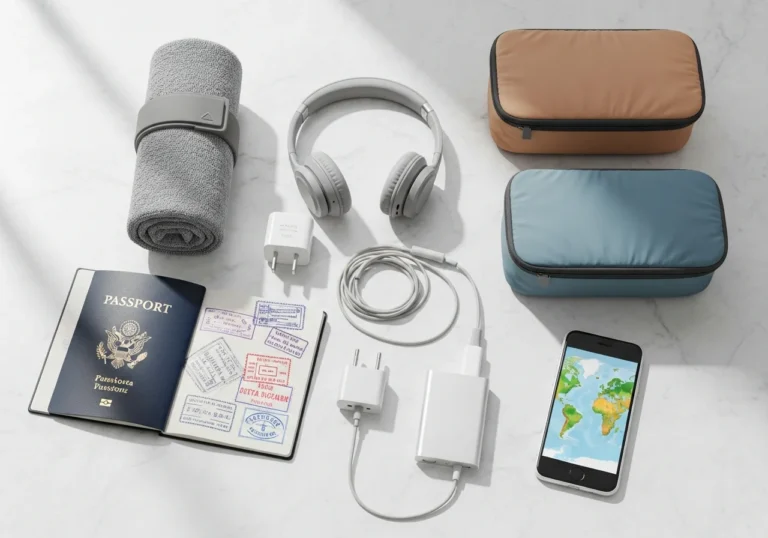
Your smartphone serves as a Swiss Army knife of modern travel, handling everything from boarding passes to entertainment, navigation to communication. However, the phone itself represents just one piece of your technology ecosystem. A portable charger or power bank ranks among the most critical items in your backpack, ensuring your devices remain functional throughout long travel days.
Quality headphones or earbuds transform the flight experience entirely. Whether you prefer noise-canceling over-ear models or compact wireless earbuds, having personal audio capability lets you enjoy entertainment, take calls, or simply create a peaceful bubble in the chaos of air travel. Remember to pack these in a protective case to prevent tangling and damage. Check out our recommended cool gadgets for long-haul flights to make your journey even more comfortable.”
E-readers and tablets offer entertainment options without the weight and bulk of physical books. A single device can carry dozens of books, magazines, and documents, providing hours of distraction during delays and flights. Download content before reaching the airport, as airplane Wi-Fi remains expensive and unreliable on many carriers.
Charging cables and adapters deserve dedicated space in your backpack organization system. Use cable organizers or small pouches to prevent the tangled mess that inevitably forms when multiple cords share space. Include the appropriate wall adapter if traveling internationally, as outlet configurations vary dramatically across countries.
Comfort Items for Long Flights
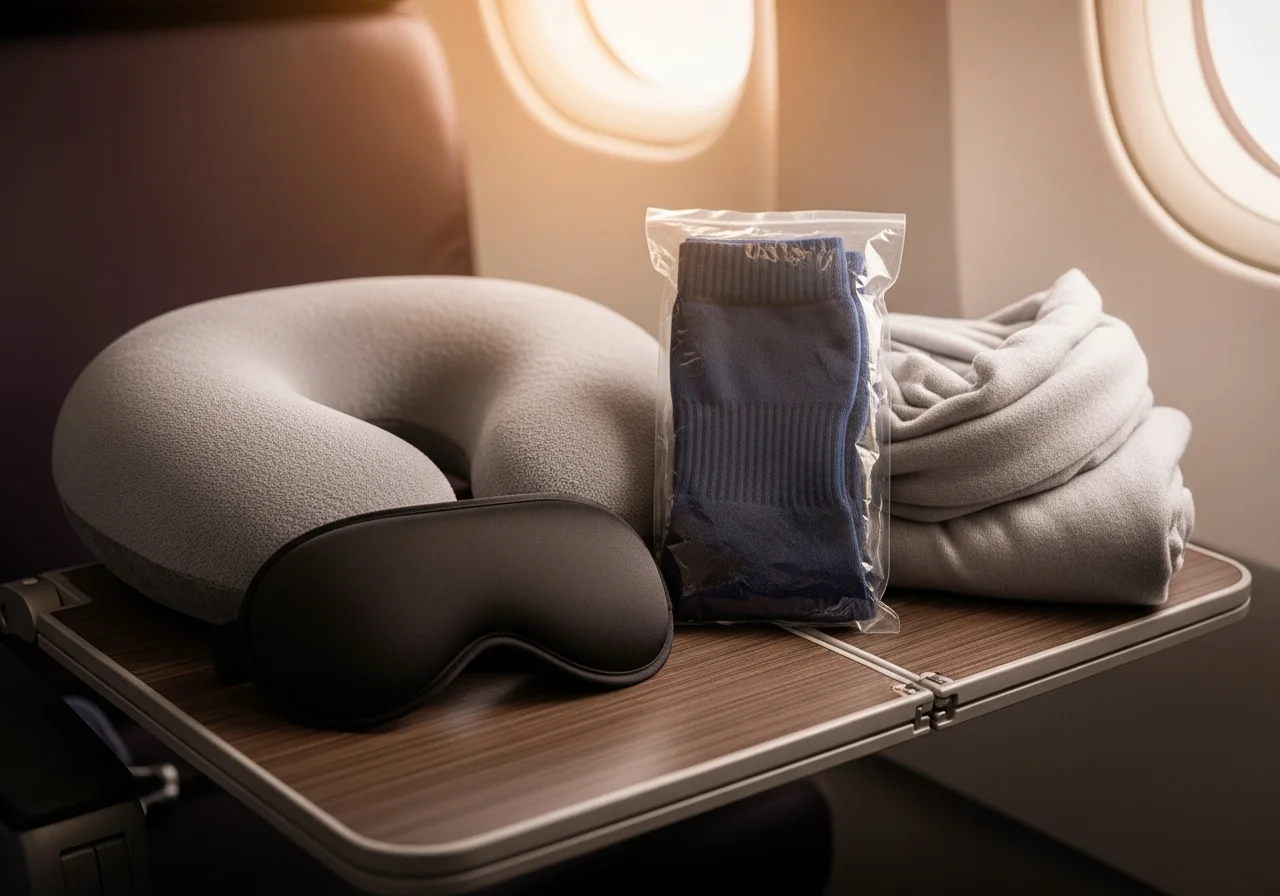
Airlines continue reducing seat sizes and legroom, making comfort items increasingly valuable for maintaining sanity during flights. A quality travel pillow supports proper neck alignment and prevents the stiff, painful awakening that comes from sleeping at awkward angles. Memory foam models that compress into small carrying cases offer the best balance of support and packability.
An eye mask blocks the harsh cabin lighting and the glow from fellow passengers’ screens, creating an environment conducive to rest regardless of the time zone you’re crossing. Choose masks with contoured designs that don’t press against your eyelids, allowing natural eye movement during sleep.
Compression socks promote healthy circulation during long periods of sitting, reducing the risk of deep vein thrombosis and minimizing the swelling that leaves feet uncomfortable and shoes tight upon arrival. These medical-grade accessories deserve a permanent place in every frequent traveler’s backpack.
A light jacket or oversized scarf serves dual purposes in your backpack. Airplane cabins maintain cool temperatures, and the thin blankets airlines provide offer minimal warmth. A versatile layer keeps you comfortable without taking up excessive space, and can double as an extra pillow when folded strategically.
Health and Hygiene Products
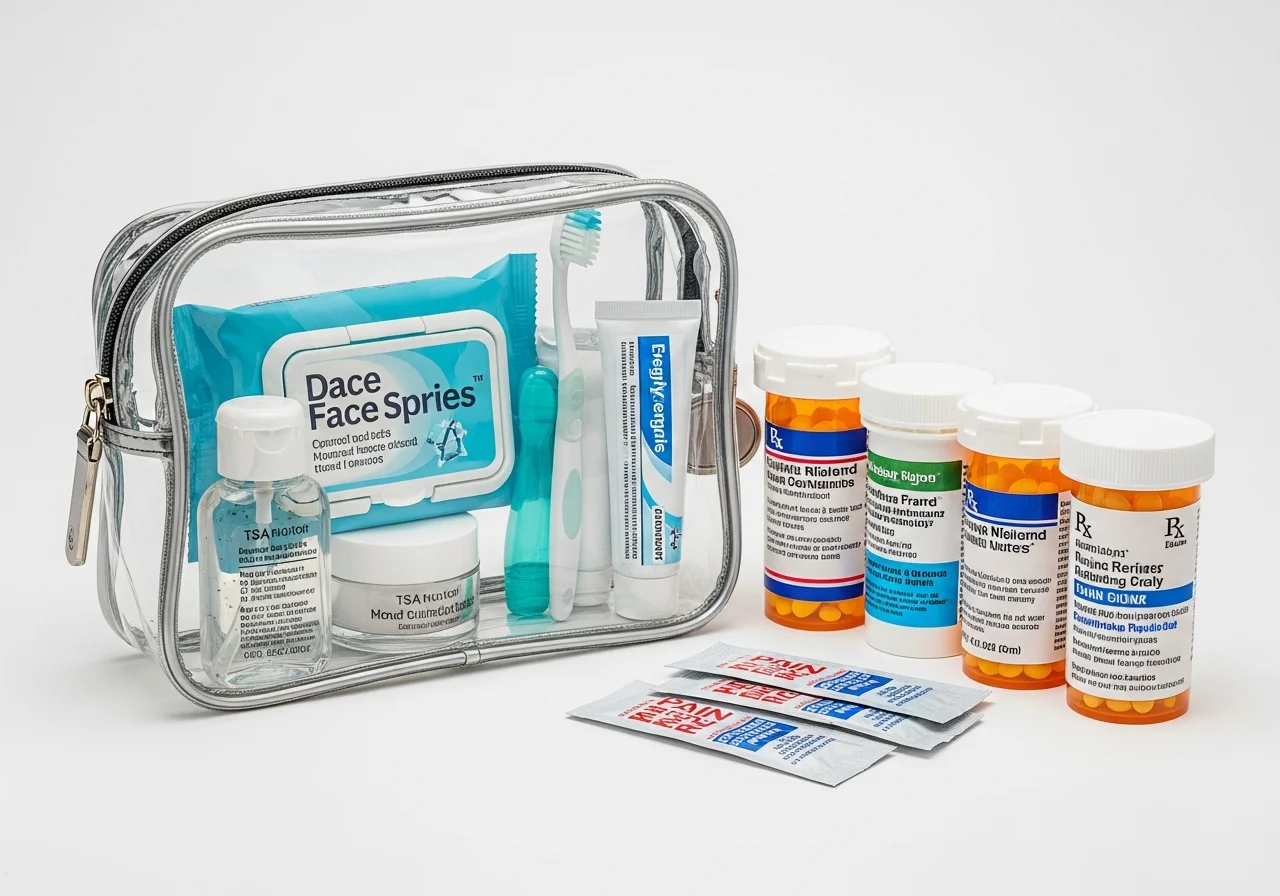
Hand sanitizer has graduated from optional to essential in recent years, and for good reason. Airplanes harbor countless germs on surfaces that hundreds of people touch daily. A small bottle of sanitizer in an outer pocket allows you to clean hands frequently without digging through your entire bag.
Personal medications require careful packing in original prescription bottles with clear labels. Keep these in a dedicated pouch within your backpack, ensuring easy access if needed during the flight. Include enough medication to last several days beyond your planned return, accounting for potential delays or lost checked luggage.
Basic toiletries in travel-sized containers help you freshen up during long flights or lengthy layovers. Face wipes, toothbrush, toothpaste, and moisturizer combat the dehydrating effects of cabin air, leaving you feeling more human upon arrival. Remember the 3-1-1 rule for liquids: containers of 3.4 ounces or less, all fitting in a single quart-sized clear bag.
Pain relievers address the headaches and body aches that can develop during travel. Whether from altitude changes, dehydration, or simply sitting too long in uncomfortable positions, having quick access to appropriate medication prevents minor discomfort from ruining your journey. For a complete expert-curated travel packing list, check out this ultimate guide from Pack Hacker.
Snacks and Hydration
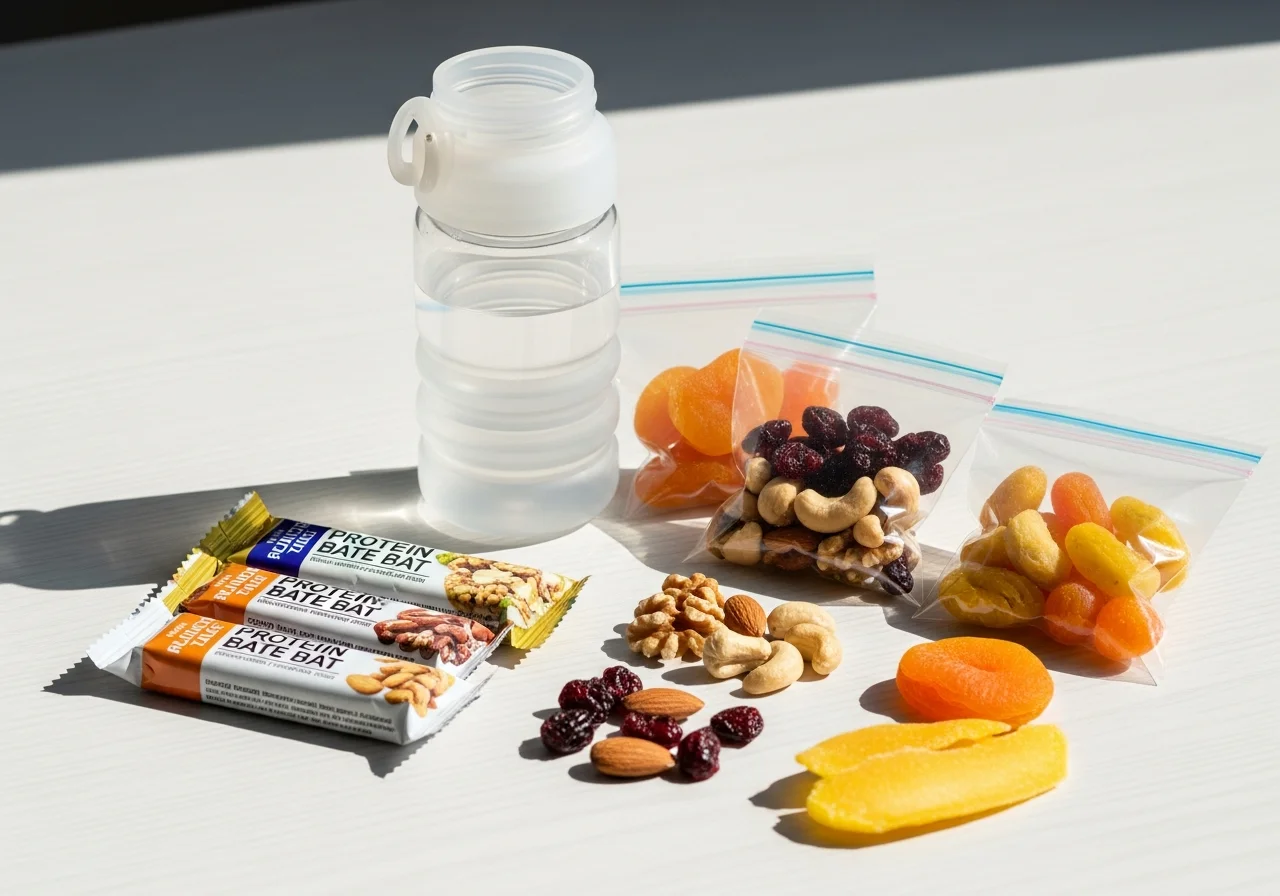
An empty reusable water bottle passes through security and can be filled at water fountains throughout the airport. Staying hydrated during flights improves comfort, reduces jet lag symptoms, and helps your body cope with the dry cabin air. Look for bottles that collapse when empty, saving space in your backpack after you’ve finished drinking.
Protein bars, nuts, and other non-perishable snacks provide sustenance when airline food fails to satisfy or arrives hours later than your hungry stomach prefers. Choose items that won’t melt, spoil, or create crumbs that scatter across your seat and clothing. Individual portions in resealable bags offer convenience and portion control.
Organization and Productivity Tools
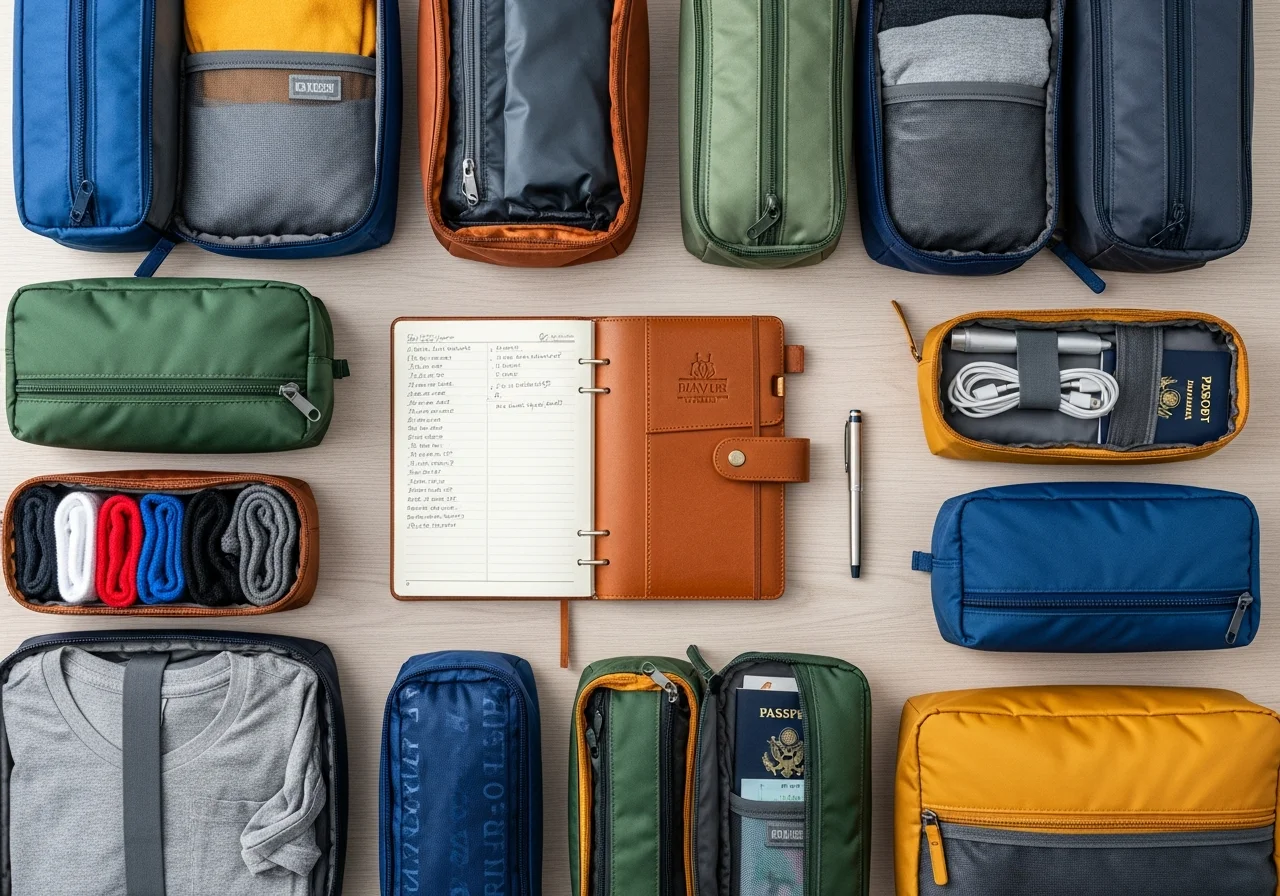
A small notebook and pen serve purposes that digital devices cannot replace. Immigration forms, quick notes, contact information, and creative ideas flow more naturally onto paper than into phone apps for many people. These simple tools require no batteries and work regardless of airline electronic device policies.
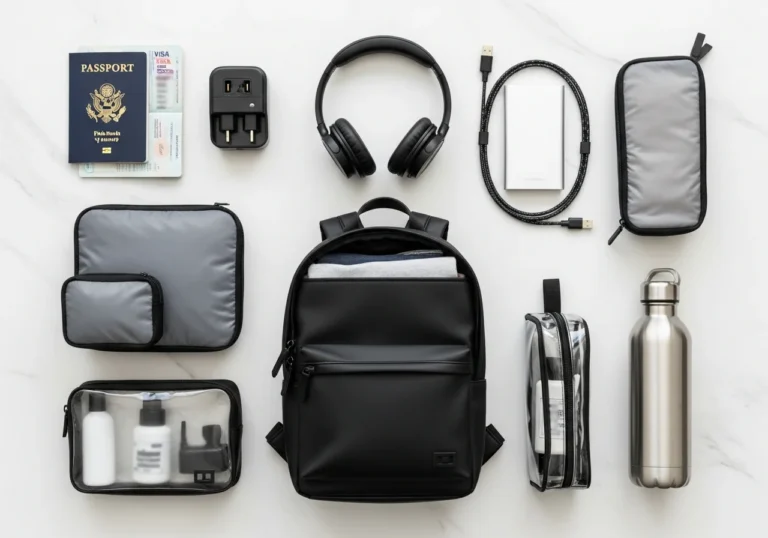
Packing cubes or zippered pouches organize your backpack’s contents into logical categories, preventing the scrambled mess that develops when items shift during travel. Dedicate specific pouches to cables, toiletries, snacks, and documents, making everything findable within seconds rather than minutes of frustrating searching.
Emergency Contact Information and Backup Plans
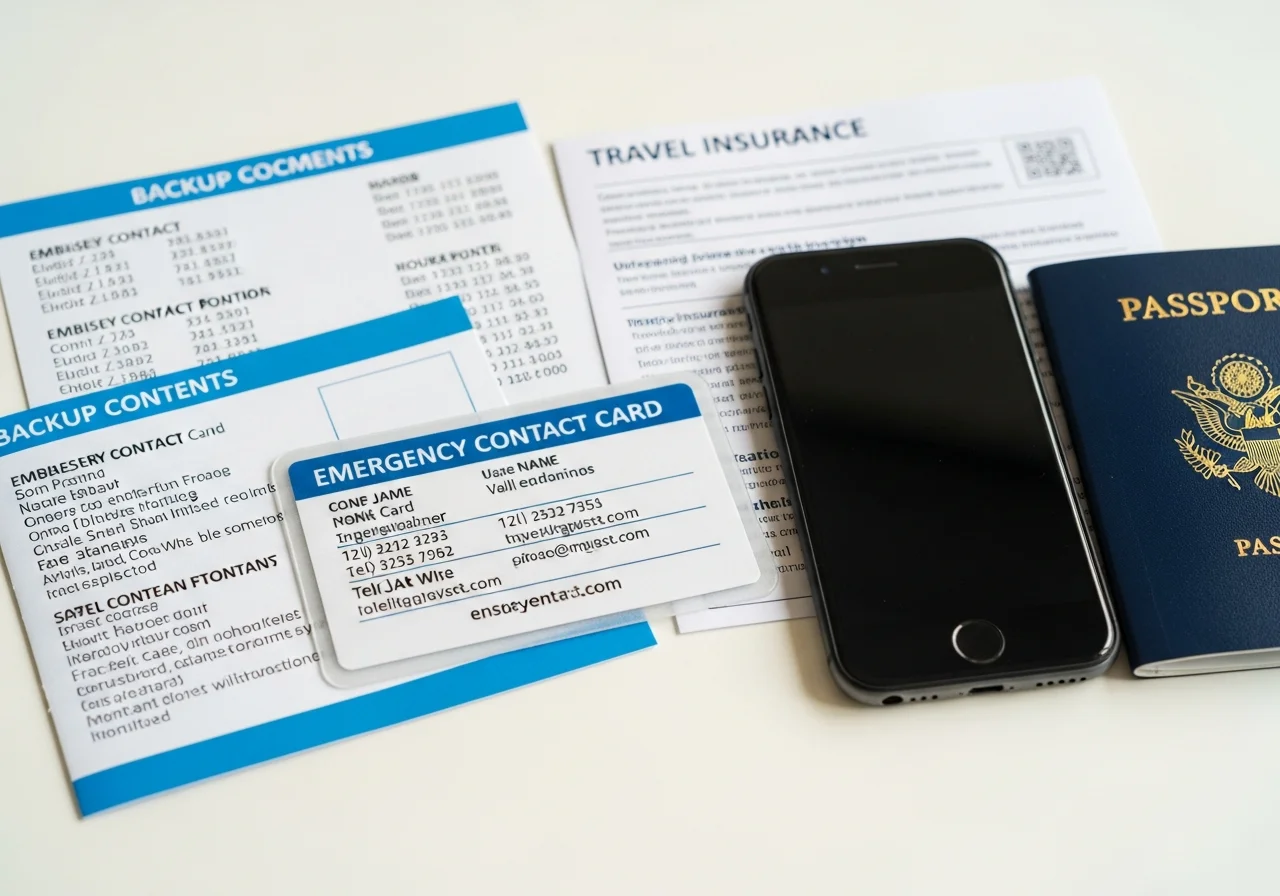
Every traveler should carry printed emergency contact information in their backpack, separate from their phone. While smartphones store countless contacts, a dead battery or lost device leaves you stranded without access to critical phone numbers. A small laminated card with essential contacts provides a reliable backup that requires no power or technology.
Include your accommodation details, emergency contacts back home, your country’s embassy information for international travel, and your travel insurance hotline number. Many travelers also add their own contact information and any medical conditions or allergies that emergency responders should know about. This simple card could prove invaluable if your phone fails or gets stolen during your journey.
Consider photographing important documents and emailing them to yourself as digital backups. This creates another layer of redundancy, ensuring you can access passport details, prescriptions, and reservation confirmations even if physical copies disappear. Store these emails in a dedicated folder that’s easy to find during stressful situations.
Personal Entertainment Beyond Electronics
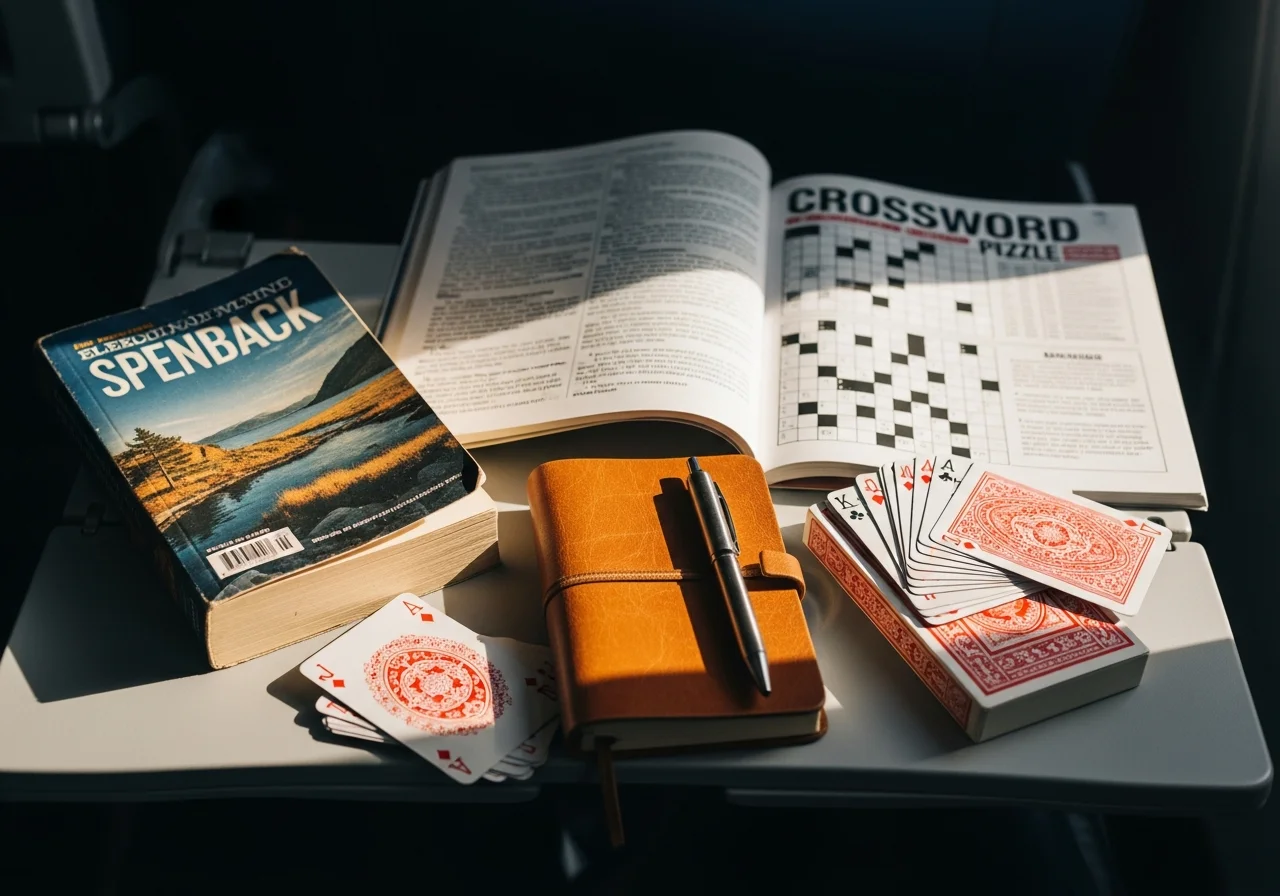
While tablets and phones dominate modern entertainment, having non-electronic options in your backpack prevents boredom when devices run out of power or airline policies restrict their use. A paperback book, crossword puzzle book, or magazine provides engagement without batteries, screens, or Wi-Fi requirements.
Physical entertainment also offers relief from screen fatigue that develops during long flights. Hours of staring at glowing displays strains eyes and disrupts sleep patterns, making it harder to adjust to new time zones. Alternating between digital and analog entertainment keeps your mind engaged while giving your eyes necessary breaks from blue light exposure.
Travel journals serve dual purposes, offering both entertainment and meaningful documentation of your journey. Writing about experiences, sketching scenes from your window seat, or simply jotting down thoughts passes time productively while creating lasting memories. Years later, these handwritten accounts often prove more valuable than hundreds of digital photos.
Portable Cleaning Supplies

Airlines have improved their cleaning protocols, but carrying your own disinfecting wipes allows you to sanitize your immediate area upon boarding. Tray tables, armrests, seatbelt buckles, and air vents get touched by countless passengers between deep cleanings. A quick wipe-down of these high-touch surfaces provides peace of mind and reduces exposure to germs.
Individual tissues or a small pack fits easily in your backpack’s outer pocket, offering solutions for everything from spills to sniffles. The dry airplane air often triggers runny noses and watery eyes, making tissues essential for comfort. They’re also helpful for blotting away excess oil from skin or cleaning minor messes without leaving your seat.
A small microfiber cloth cleans screens on phones, tablets, and laptops, removing fingerprints and smudges that accumulate during travel. Clear screens reduce eye strain and improve visibility, whether you’re watching entertainment or working on important documents during your flight.
Choosing the Right Backpack
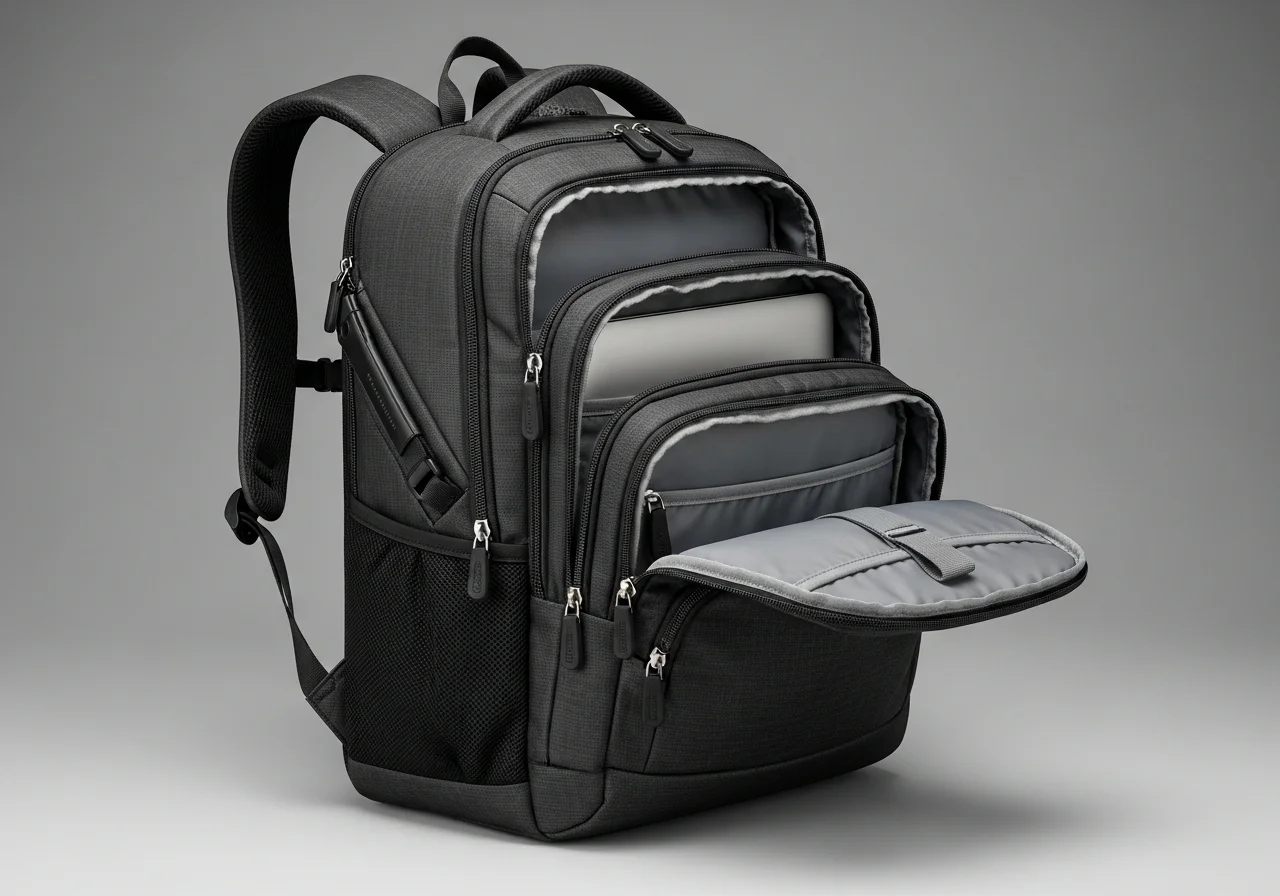
The container matters as much as the contents when selecting your travel backpack. Look for models with multiple compartments that separate electronics from clothing, valuables from everyday items. Padded laptop sleeves protect expensive devices, while external pockets provide quick access to boarding passes and identification. Learn how to maximize space and organize your bag like a pro in our Fashion Influencer packing guide.
Comfortable straps distribute weight across your shoulders and back, preventing the painful strain that develops when carrying heavy loads through endless airport terminals. Adjustable chest and waist straps further stabilize the load, allowing you to move quickly when rushing to catch connections.
Water-resistant materials protect contents from spills and weather, while lockable zippers add security when placing your backpack in overhead bins or under seats. Some travelers prefer backpacks that convert into briefcases or shoulder bags, offering versatility for different travel scenarios and professional settings.
Packing Strategies for Security Checkpoints
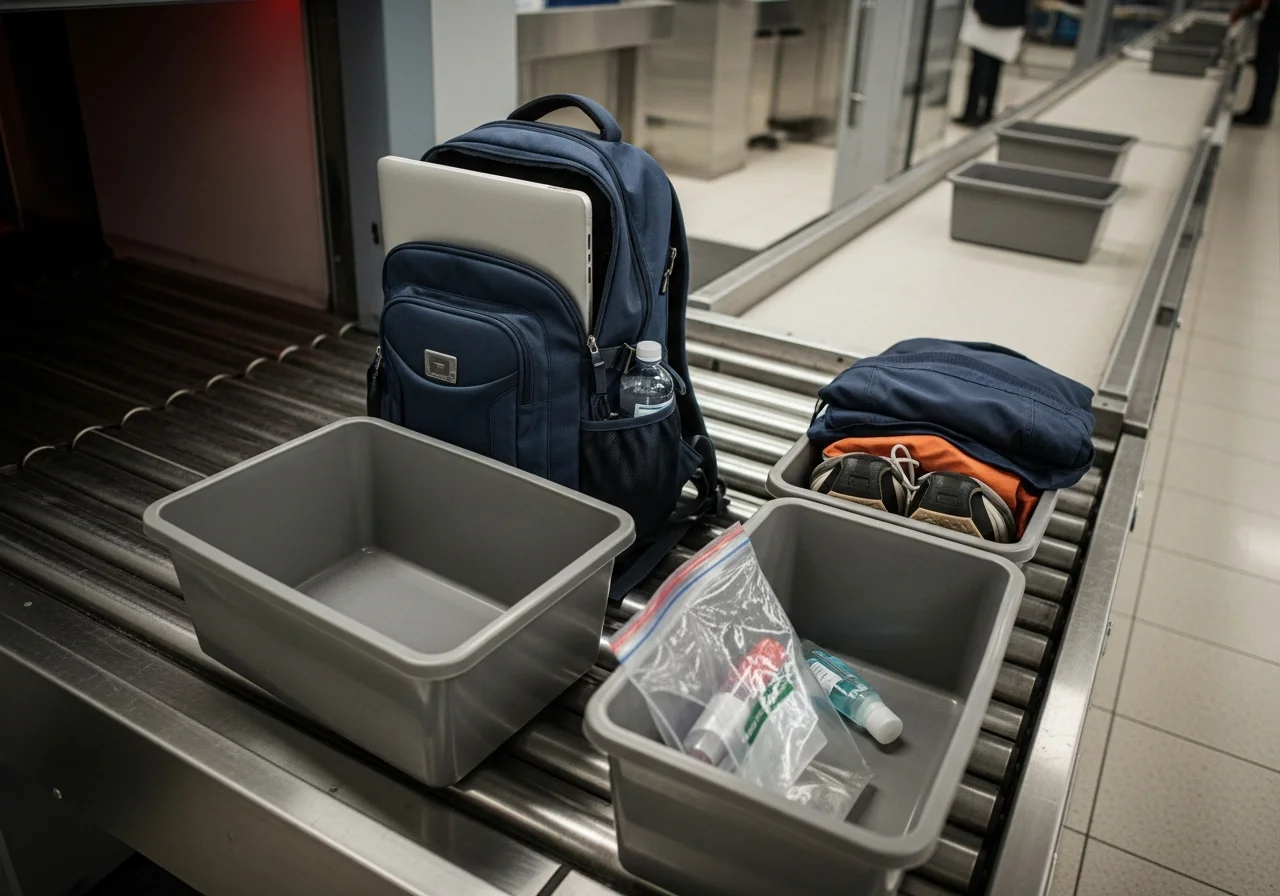
Organizing your backpack with security screening in mind saves time and stress at checkpoints. Keep your quart-sized liquids bag in an easily accessible outer pocket, allowing quick removal when requested. Electronics larger than a cell phone often require separate screening, so position laptops and tablets where you can extract them smoothly.
Wear your jacket rather than packing it when approaching security, reducing the number of items you must juggle while collecting belongings after screening. Have your identification and boarding pass ready before reaching the front of the line, demonstrating consideration for fellow travelers and keeping lines moving efficiently.
Adapting Your Backpack for Different Flight Lengths
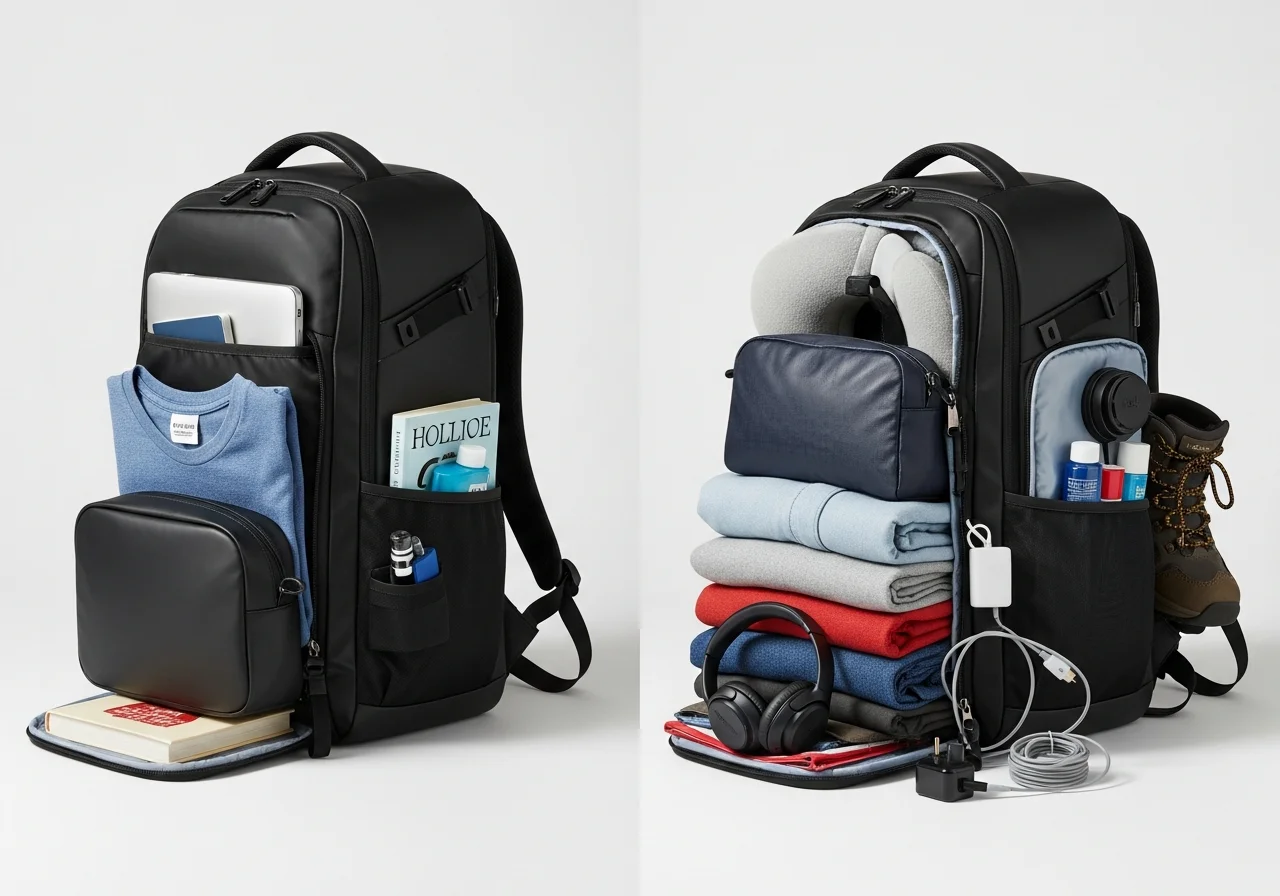
Short domestic flights lasting just a few hours require fewer items than transcontinental or international journeys spanning ten hours or more. Adjust your backpack contents based on flight duration, removing entertainment and comfort items for quick hops while adding extra layers and activities for lengthy travels. For simple, versatile outfit ideas that work for flights and destinations alike, check out our guide on How to Style a White T-Shirt for effortless travel looks.
Business trips demand different backpack configurations than leisure vacations. Professional travelers often pack tablets or laptops, portable mice, and presentation materials, while vacation travelers prioritize cameras, guidebooks, and entertainment options. Consider the purpose of your journey when selecting which of the fifteen essentials deserve space in your specific backpack.
Maintaining Your Backpack System
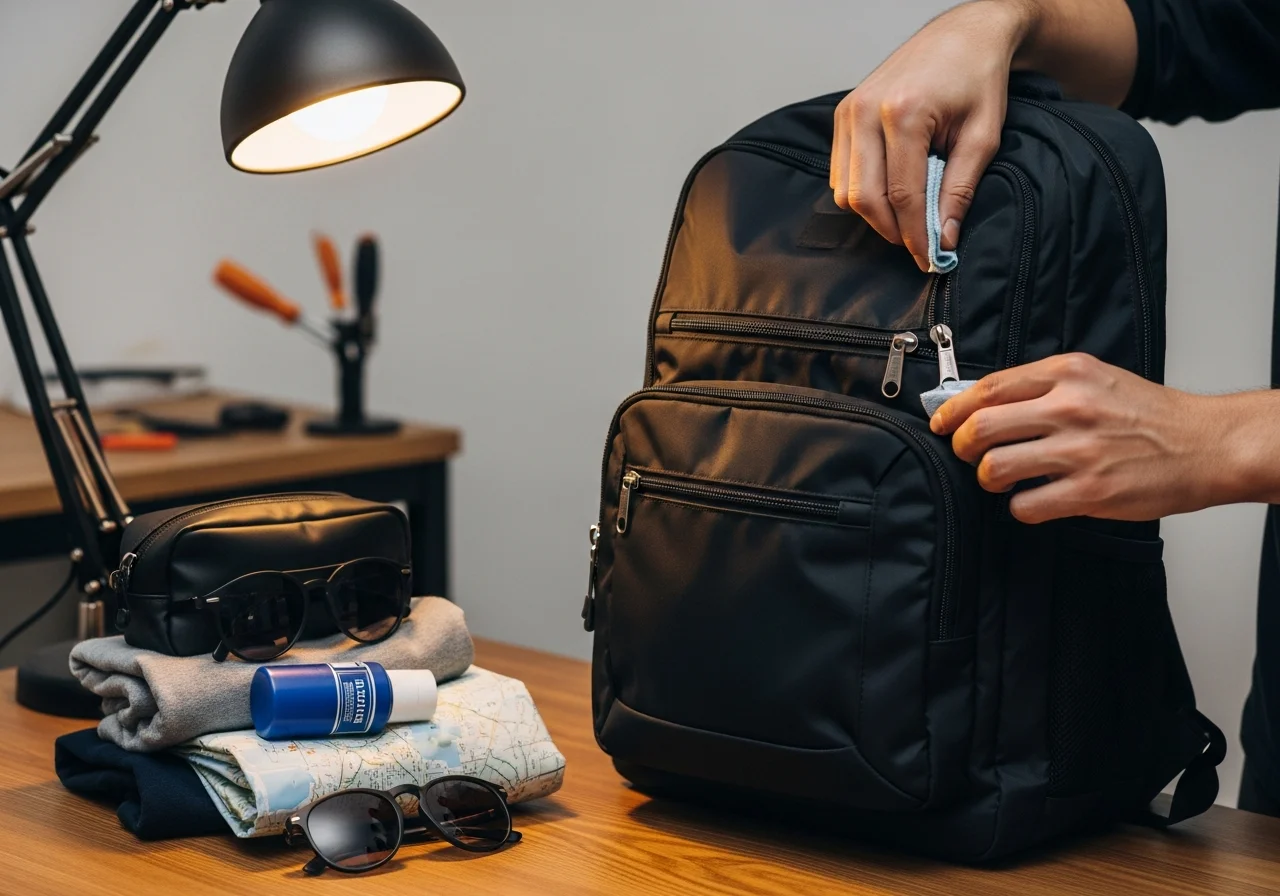
Successful travelers develop and refine their backpack packing system over time, learning from each journey what works and what creates problems. After each trip, evaluate what you used, what remained untouched, and what you wished you had packed. This continuous improvement approach optimizes your system for your unique travel style and needs.
Periodically empty and clean your backpack completely, checking for damage to zippers, straps, and fabric. Remove accumulated receipts, wrappers, and forgotten items that add weight without value. Restock consumables like hand sanitizer, medications, and snacks, ensuring readiness for your next departure.
Conclusion
The contents of your backpack shape your entire flight experience in ways both obvious and subtle. These fifteen essentials provide a foundation for comfortable, prepared travel that handles whatever challenges airports and airlines present. From the moment you arrive at the terminal until you reach your final destination, a well-packed backpack serves as your mobile support system, containing everything needed to navigate the complexities of modern air travel.
Remember that the perfect backpack configuration remains personal and evolving. Use these fifteen items as starting points, then adapt based on your experiences, preferences, and specific travel requirements. Some travelers will add items while others will remove things that don’t suit their style. The goal isn’t perfection but rather preparedness, comfort, and the confidence that comes from knowing you have what you need regardless of what your journey brings.
Your backpack represents more than just a bag filled with stuff. It embodies your travel philosophy, your understanding of what matters during journeys, and your commitment to making flight experiences as smooth as possible. Invest time in getting it right, and every future flight will reward that effort with greater comfort, less stress, and more energy to enjoy the destinations that make travel worthwhile in the first place.
Frequently Asked Questions
What size backpack should I use as a personal item on flights?
Most airlines allow personal items measuring approximately 18 x 14 x 8 inches, though exact dimensions vary by carrier. Choose a backpack that fits comfortably under the seat in front of you without requiring force or excessive compression. Check your specific airline’s requirements before traveling, as budget carriers often enforce stricter size limits than traditional airlines.
Can I bring food through airport security in my backpack?
Solid foods pass through security without restriction, making items like sandwiches, fruit, protein bars, and snacks perfectly acceptable in your backpack. However, liquid or gel-like foods including yogurt, pudding, and sauces must comply with the 3-1-1 liquids rule, fitting in your quart-sized bag with other liquids. Most travelers find that sticking to dry, solid snacks eliminates confusion and speeds up the screening process.
How do I prevent my backpack from being gate-checked on full flights?
Board as early as your group allows, as overhead bin space fills quickly on popular routes. Keep your backpack sized as a true personal item that fits under the seat, eliminating dependency on overhead bins. If you notice flight attendants gate-checking bags, immediately place yours under the seat to demonstrate compliance and retain access to your belongings during the flight.
Should I keep valuables in my backpack or checked luggage?
Always keep valuables, medications, documents, electronics, and irreplaceable items in your backpack rather than checked luggage. Checked bags face higher risks of loss, theft, and damage during handling. Your backpack remains under your control throughout the journey, providing security and immediate access to anything critical for your trip or daily needs.
How can I make my backpack more comfortable during long airport walks?
Adjust straps so weight distributes evenly across both shoulders rather than pulling on one side. Use chest and waist straps if your backpack includes them, as these transfer weight from shoulders to your core and hips. Pack heavier items closest to your back and lighter items toward the outside, creating better balance and reducing strain. Consider choosing backpacks with padded back panels and ventilated designs that reduce sweating during extended wear.



One Comment