
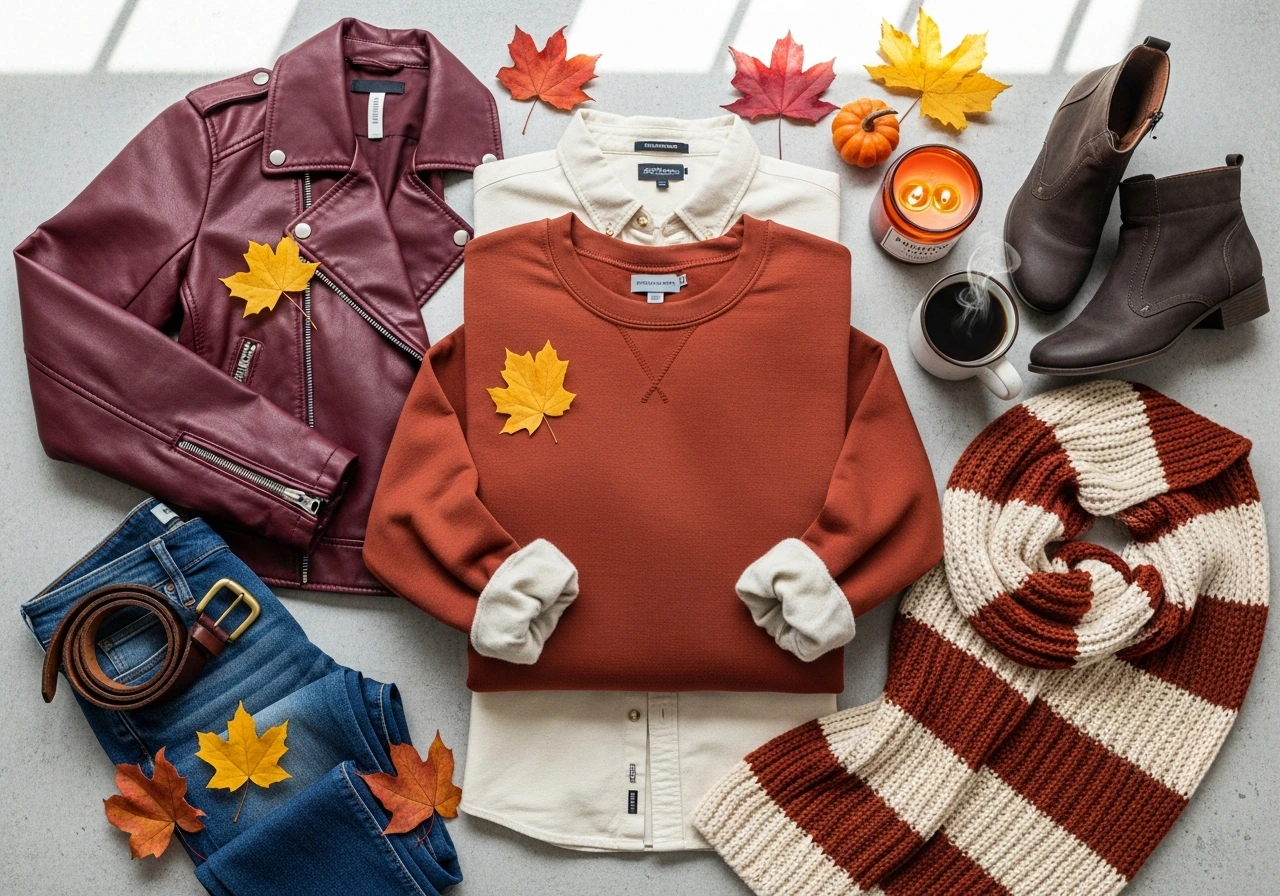
15 Styling Secrets For Layering A Fall Sweatshirt
After analyzing top-ranking articles on fall sweatshirt styling, several key themes emerged. Competitors focus heavily on layering techniques, particularly the combination of sweatshirts with oxford shirts, turtlenecks, and outerwear. Common semantic entities include oversized fits, crewneck styles, graphic sweatshirts, tailored trousers, wide-leg pants, and transitional pieces. Frequently discussed topics encompass texture mixing, proportional balance, color coordination, and versatile styling for various occasions. The most successful articles emphasize practical outfit combinations, seasonal color palettes, and the transformation of casual sweatshirts into polished ensembles
The fall sweatshirt has evolved from basic weekend wear into one of the most versatile pieces in contemporary fashion. What once signified pure comfort now represents an opportunity for creative expression and sophisticated styling. As temperatures begin their gradual descent and wardrobes transition from summer lightness to autumn richness, the sweatshirt emerges as the perfect canvas for layering experimentation.
Understanding how to layer a fall sweatshirt effectively means grasping the balance between comfort and style, casual and polished, relaxed and structured. The beauty of this garment lies in its adaptability. It pairs equally well with tailored trousers as it does with distressed denim, complements both feminine skirts and edgy leather pants, and serves as either the focal point of an outfit or a supporting layer beneath statement outerwear.
This guide explores fifteen proven styling secrets that will transform how you approach fall sweatshirt layering. These techniques go beyond basic combinations to offer nuanced approaches that consider proportion, texture, color theory, and personal style development. Whether you prefer minimalist aesthetics or bold pattern mixing, these strategies provide a foundation for creating distinctive looks throughout the season.
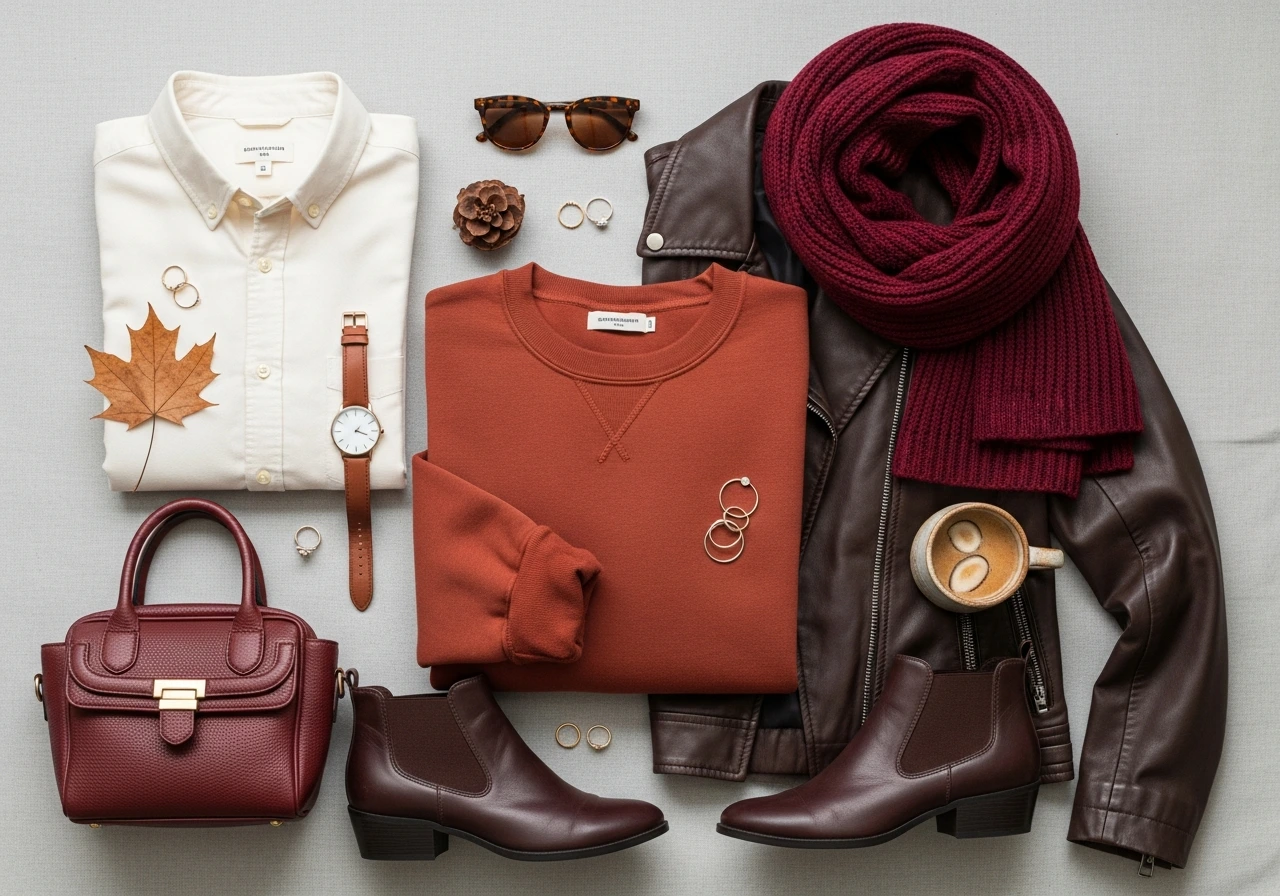
Understanding The Foundation Of Successful Layering
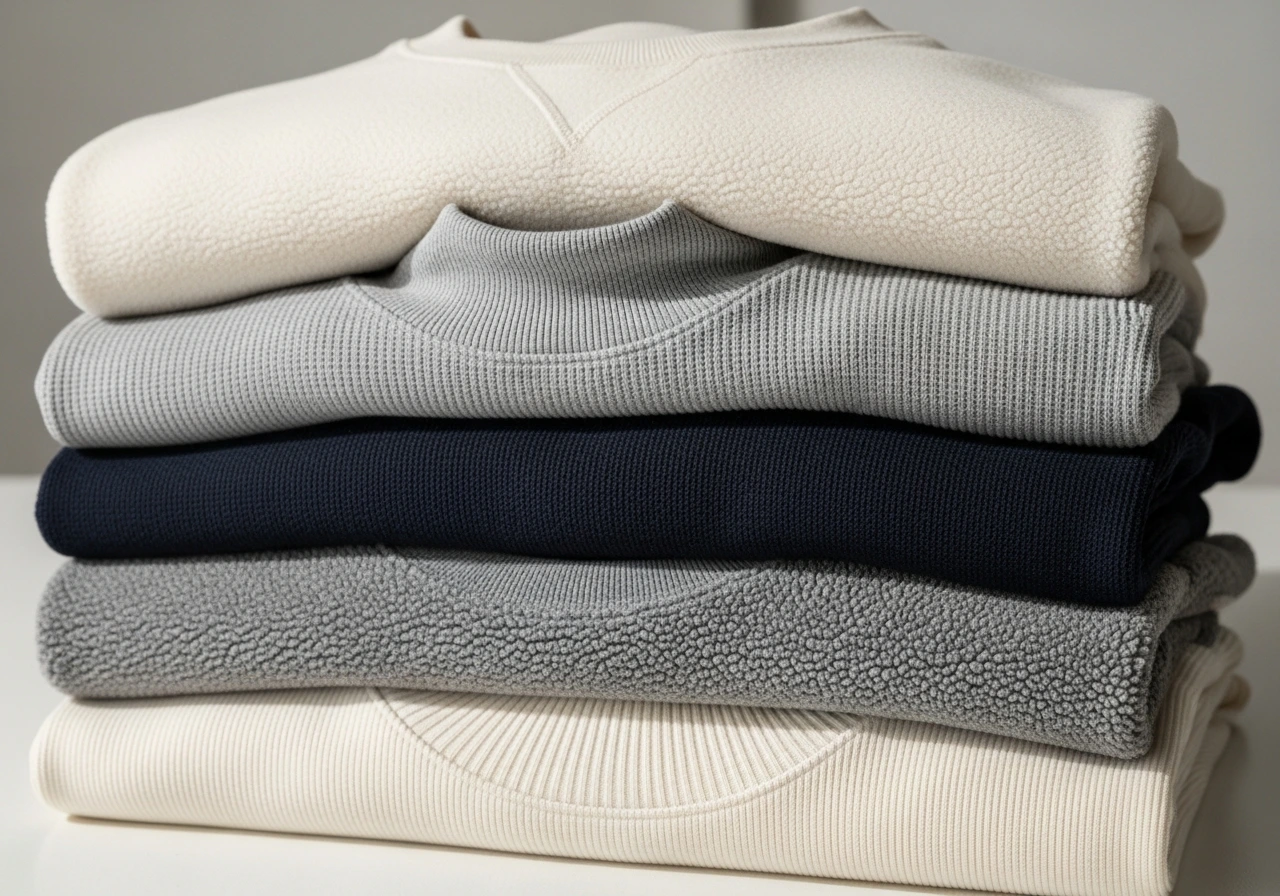
Before diving into specific styling techniques, establishing a solid understanding of layering principles proves essential. Successful layering begins with selecting the right base sweatshirt. Weight matters significantly in this equation. Midweight cotton blends offer the most versatility, providing enough substance to stand alone while remaining thin enough to layer comfortably under jackets and coats.
Fit determines how well a sweatshirt integrates into layered looks. Oversized styles create dramatic silhouettes and pair beautifully with slim-fitting bottoms, while fitted crewnecks work better under structured outerwear. The neckline influences layering possibilities as well. Traditional crewnecks provide a classic foundation, while mock necks add sophistication without the bulk of full turtlenecks.
Fabric quality affects both appearance and functionality. Natural fibers like cotton breathe better and drape more naturally than synthetic blends. Look for sweatshirts with minimal pilling tendency and colorfast dyes that maintain their richness through repeated wear. The interior finish matters too. Brushed fleece lining adds warmth without excessive bulk, making it ideal for transitional weather.
The Classic Oxford Shirt Technique
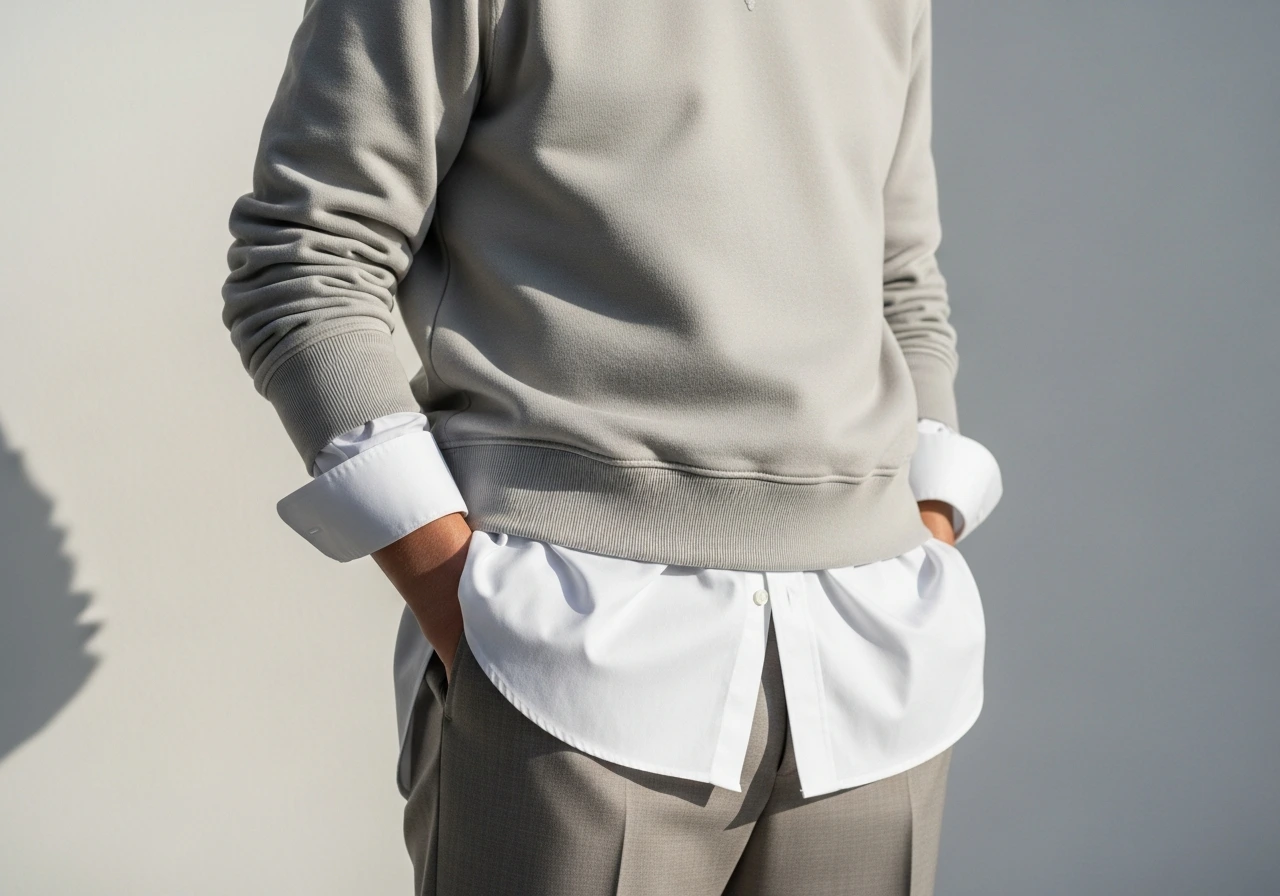
Layering a crisp oxford shirt beneath your fall sweatshirt creates an effortlessly polished look that bridges casual and refined aesthetics. This combination works because of the contrast it establishes. The structured formality of the oxford collar peeking above the sweatshirt neckline introduces visual interest while maintaining comfort.
Choose a white or light blue oxford for maximum versatility. The shirt should fit well through the shoulders without excess fabric bunching beneath the sweatshirt. Leave the collar unbuttoned for a relaxed appearance, or button it completely for a more preppy interpretation. The key lies in allowing just enough shirt collar to show above the sweatshirt neckline, typically about an inch.
The hem treatment requires attention as well. Let the oxford shirttail extend beyond the sweatshirt hem by several inches. This creates vertical lines that elongate your silhouette and adds dimension to the outfit. For a more styled approach, tuck only the front of the shirt into your pants while leaving the back untucked beneath the sweatshirt.
Pair this combination with tailored trousers or wide-leg jeans to complete the look. The juxtaposition of the casual sweatshirt with the formal oxford creates a balanced outfit suitable for various settings, from casual office environments to weekend brunches.
Mastering The Turtleneck Foundation
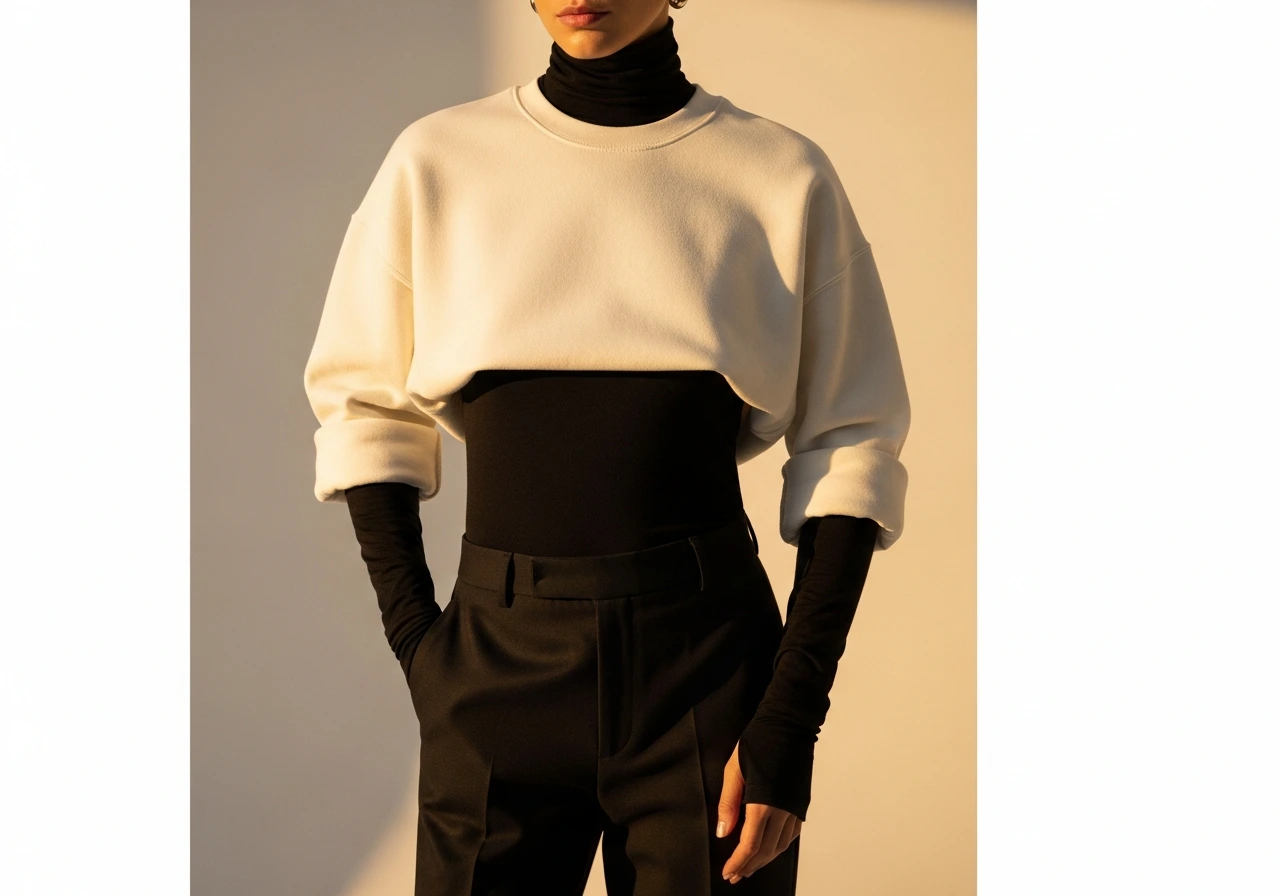
Building layers atop a turtleneck creates a sophisticated base that elevates any sweatshirt. This technique adds warmth while introducing textural contrast and refined structure to your outfit. The turtleneck acts as a frame for your face, drawing attention upward while the sweatshirt provides visual weight and casual ease.
Select a fitted turtleneck in a neutral tone like black, ivory, or gray. The slim fit prevents bulk while providing a sleek foundation. Lightweight fabrics work best here. Cotton, merino wool, or silk blends offer warmth without creating the puffy appearance that heavier knits can produce under a sweatshirt.
Color coordination matters when executing this layering technique. Create monochromatic looks by choosing turtlenecks and sweatshirts in the same color family but different shades. Alternatively, embrace contrast by pairing a black turtleneck with a cream sweatshirt or a burgundy turtleneck beneath a forest green crewneck.
The proportions require careful consideration. Fitted turtlenecks pair best with slightly oversized sweatshirts, creating a balanced silhouette that avoids both boxiness and excessive tightness. Roll the sweatshirt sleeves to reveal the turtleneck cuffs, adding another layer of visual interest and showcasing the intentional nature of your styling.
Creating Dimension With Collared Shirts
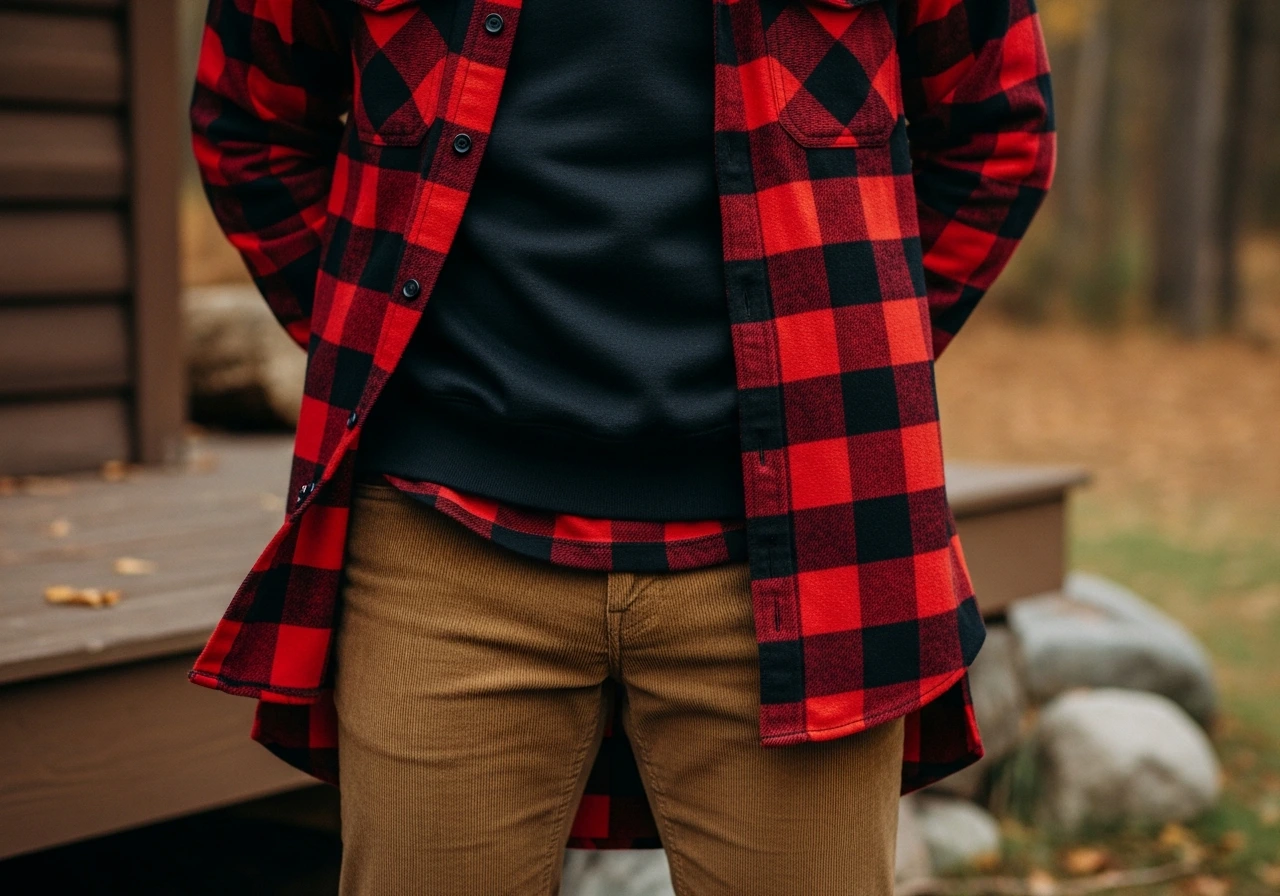
Beyond the oxford, various collared shirts offer unique layering opportunities beneath fall sweatshirts. Flannel shirts introduce pattern and texture, transforming a simple sweatshirt into a statement outfit. The key involves selecting flannels with visual interest without overwhelming the overall look.
Choose flannels in classic autumn patterns like buffalo check, subtle plaids, or herringbone. The collar should remain visible above the sweatshirt neckline, while the shirttail extends below the sweatshirt hem. This creates multiple visual break points that add complexity and dimension to your silhouette.
Chambray shirts provide another excellent option for this layering technique. Their texture resembles denim but with a softer hand and lighter weight. The casual refinement of chambray bridges the gap between dress shirts and casual button-ups, making it perfect for pairing with sweatshirts.
For maximum impact, leave several buttons undone at the collar and allow the shirt to drape naturally beneath the sweatshirt. This creates a deliberately casual appearance that suggests effortless style rather than overthought coordination. Complete the look with straight-leg jeans or corduroy pants that echo the textural richness of the layered tops.
The Art Of Jacket Layering
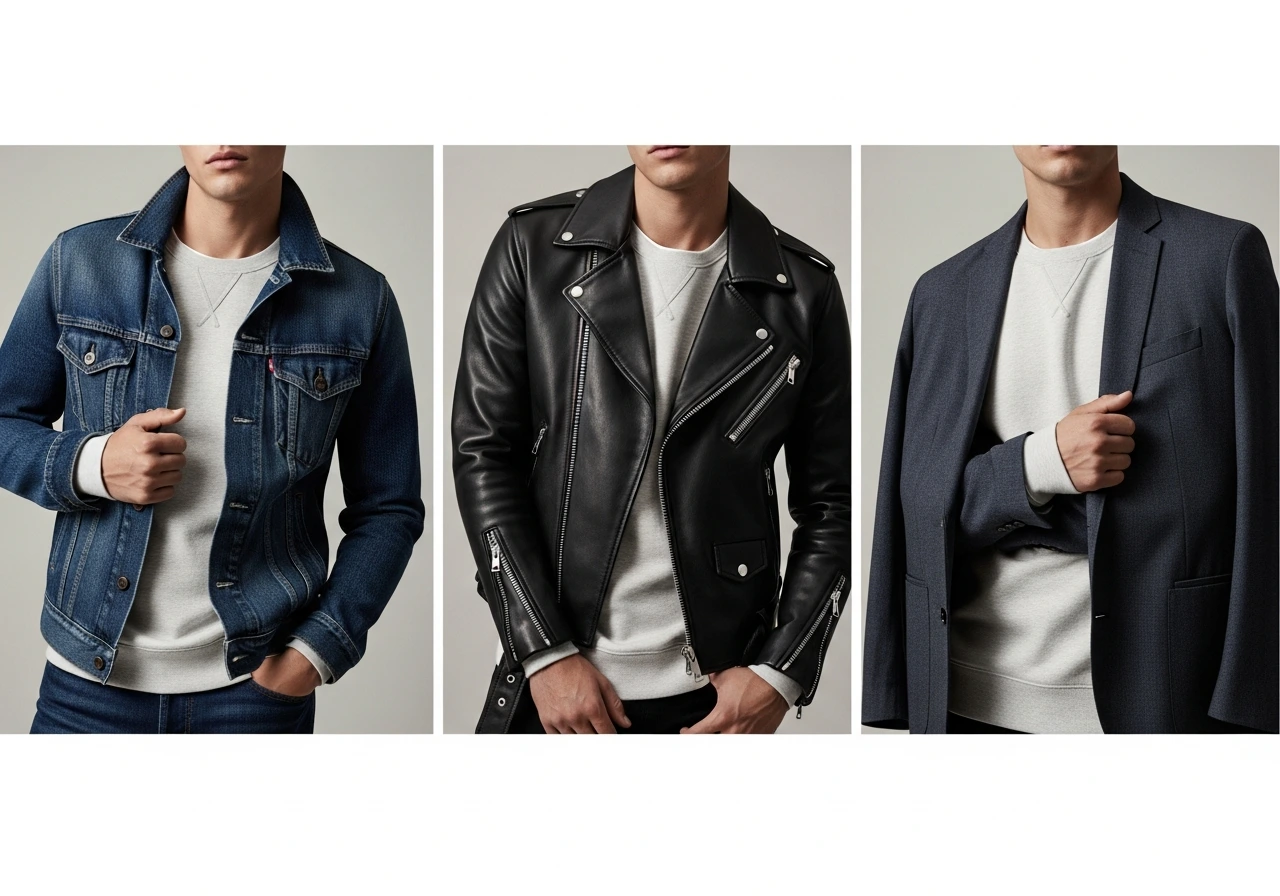
Outerwear transforms sweatshirt styling by adding structure, warmth, and visual weight. The relationship between sweatshirt and jacket creates the overall silhouette of your outfit, making this layering technique particularly important for fall dressing.
Denim jackets represent the most accessible option for sweatshirt layering. Their casual nature complements sweatshirts perfectly while adding definition to your upper body. Choose a fitted denim jacket rather than an oversized style to avoid creating bulk. The jacket should button comfortably over your sweatshirt without pulling or gaping.
Leather jackets introduce edge and sophistication to sweatshirt outfits. The juxtaposition between the tough leather and comfortable sweatshirt creates visual tension that makes outfits memorable. Black leather offers timeless appeal, while brown or burgundy leather adds warmth appropriate for autumn.
Blazers provide unexpected polish when paired with sweatshirts. This high-low mixing has become increasingly popular in contemporary fashion. Choose unstructured blazers in wool or cotton blends. The relaxed tailoring prevents the outfit from appearing too formal while still lending structure and refinement. Neutral blazers in camel, gray, or navy work particularly well for this technique.
Working With Proportional Balance
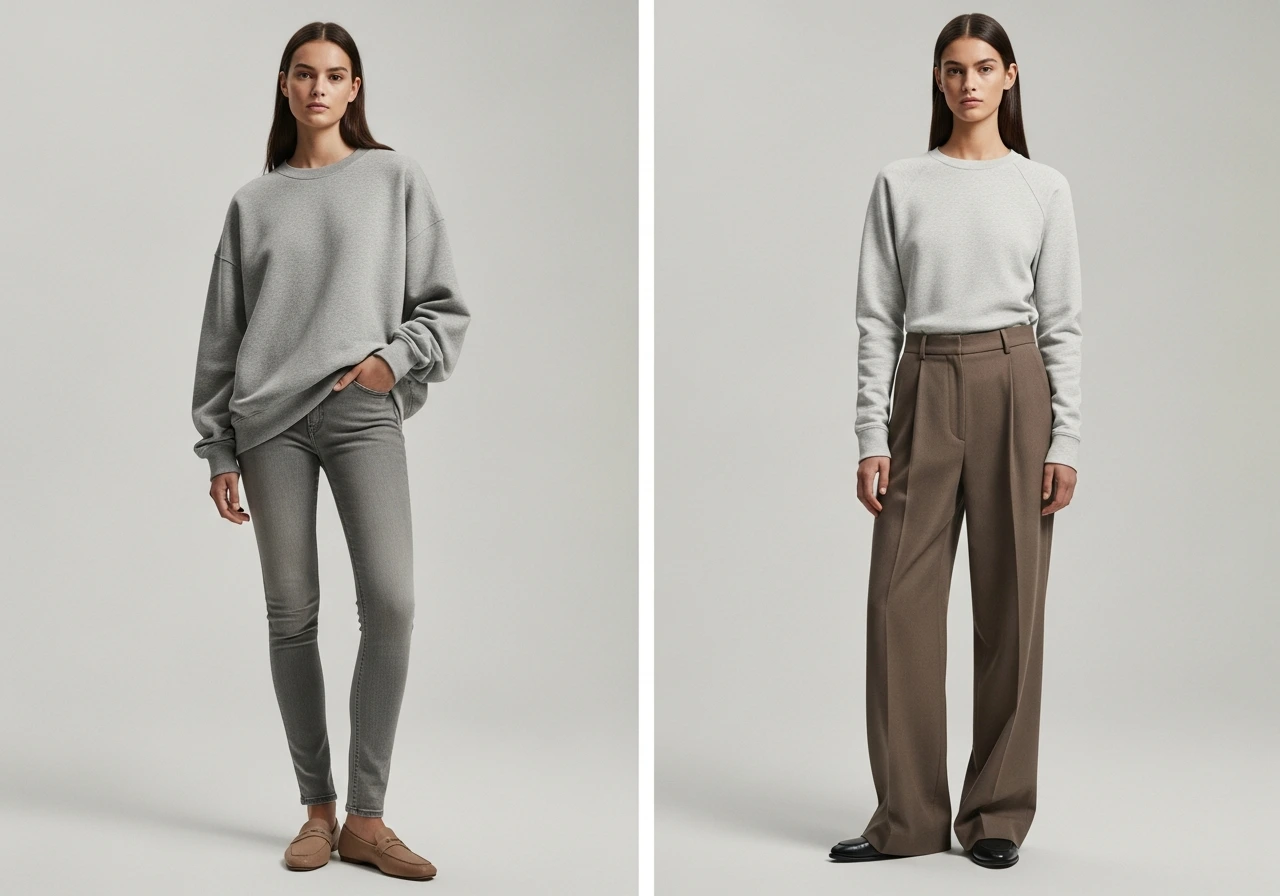
Understanding and applying proportional balance transforms adequate outfits into exceptional ones. This styling principle involves creating visual harmony between your top and bottom halves through thoughtful pairing of fitted and relaxed pieces.
When wearing an oversized sweatshirt, balance its volume with slim or straight-fitting bottoms. Skinny jeans, fitted trousers, or leggings create a clean line that prevents the outfit from appearing shapeless. This approach maintains the comfort of the oversized sweatshirt while ensuring the overall silhouette remains flattering.
Conversely, fitted sweatshirts pair beautifully with voluminous bottoms. Wide-leg trousers, pleated skirts, or palazzo pants complement the streamlined top and create an elegant, balanced look. This combination works particularly well for taller individuals or those comfortable with more dramatic silhouettes.
The principle extends beyond just fit to include length considerations. Cropped sweatshirts naturally define the waist and pair well with high-waisted bottoms of any width. Standard-length sweatshirts benefit from tucking techniques, either full tucks for a polished look or half-tucks for a more casual appearance.
Understanding your body proportions helps determine which balance approach works best for you. Experiment with different combinations to discover which creates the most flattering and confidence-inspiring silhouettes for your frame.
Incorporating Statement Accessories
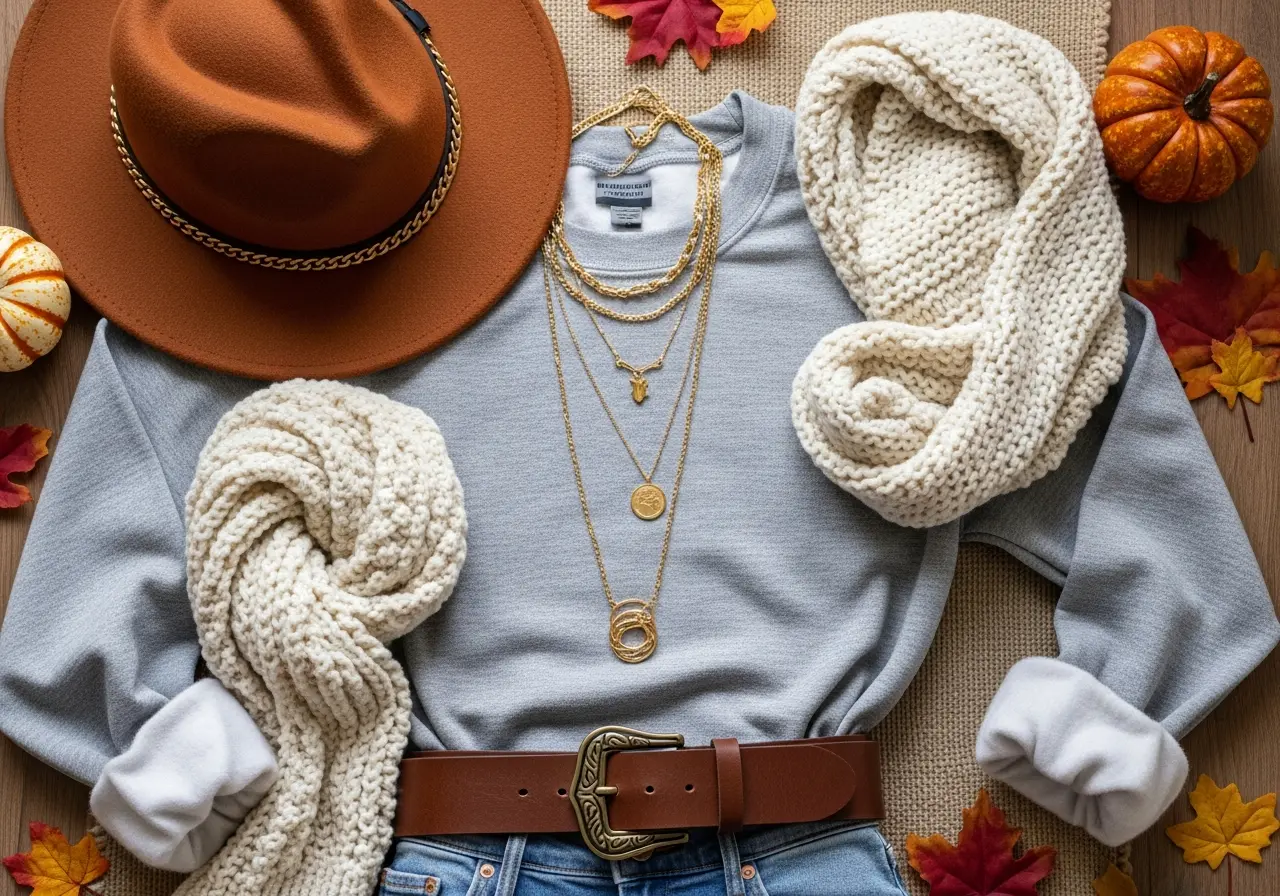
Accessories elevate sweatshirt styling from basic to intentional. The right additions transform a simple sweatshirt into a complete outfit that reflects personal style and attention to detail.
Scarves add warmth, color, and textural interest to sweatshirt outfits. Chunky knit scarves in complementary or contrasting colors create cozy fall aesthetics. Silk scarves tied loosely at the neck introduce unexpected elegance. The scarf should enhance rather than overwhelm the sweatshirt, so consider the weight and volume of both pieces when pairing them.
Statement jewelry provides another opportunity for personalization. Layered necklaces work beautifully with crewneck sweatshirts, filling the neckline with visual interest. Choose pieces in varying lengths to create dimension. Oversized earrings draw attention upward and balance the casual nature of sweatshirts with elements of sophistication.
Belts define the waist and add structure to sweatshirt outfits. Wide belts worn over sweatshirts create hourglass silhouettes, while skinny belts add subtle definition. This technique works particularly well with oversized sweatshirts that might otherwise create a boxy appearance. Choose belts in leather or woven materials that complement your overall color scheme.
Hats complete fall sweatshirt outfits while serving practical purposes. Baseball caps enhance athletic aesthetics, berets add Parisian flair, and felt fedoras introduce vintage sophistication. The hat style should align with your overall outfit aesthetic for cohesive styling.
Color Theory In Sweatshirt Styling
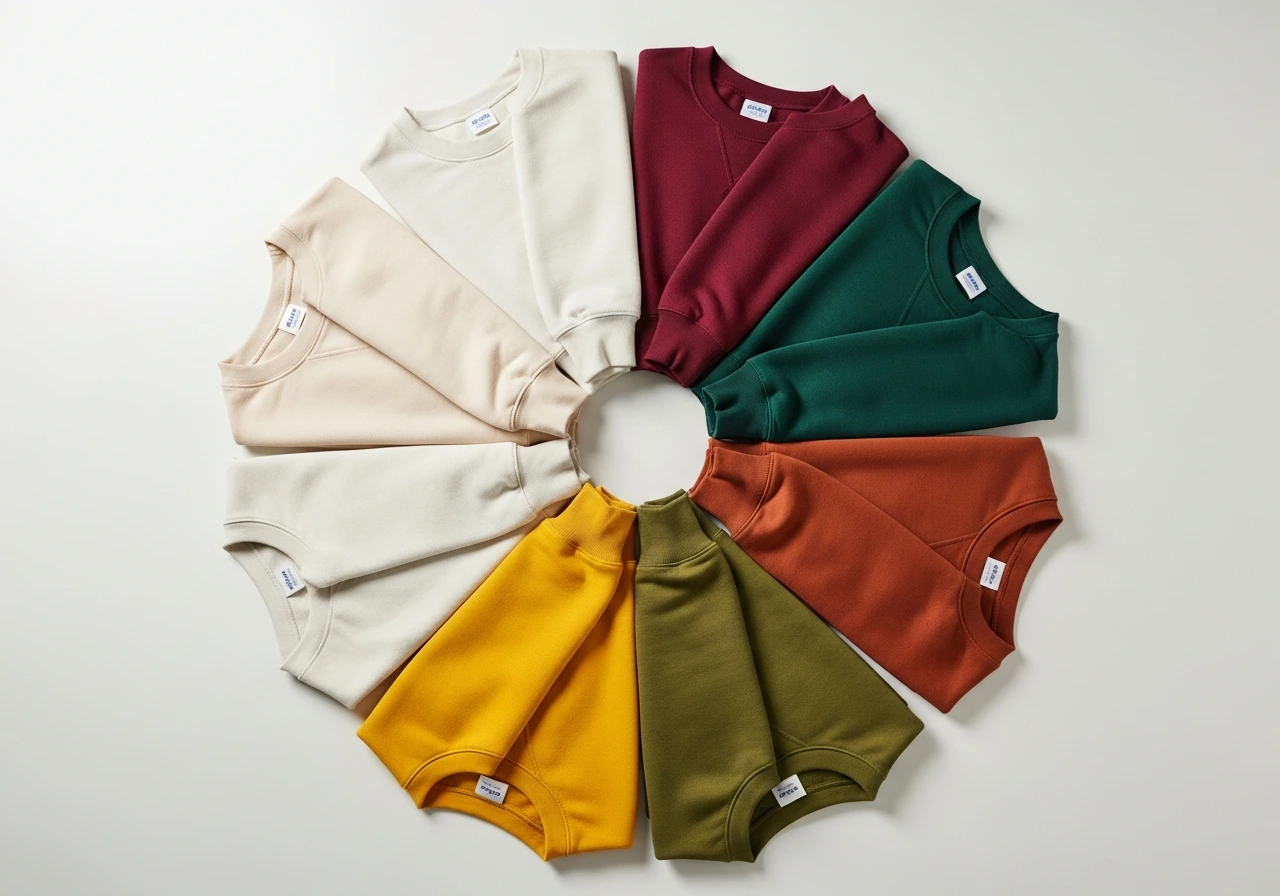
Strategic color selection and coordination elevate sweatshirt styling from acceptable to exceptional. Understanding basic color theory principles helps create harmonious, intentional outfits that communicate confidence and style awareness.
Monochromatic schemes using various shades of a single color create sophisticated, elongating looks. A cream sweatshirt paired with camel trousers and tan accessories demonstrates this approach. The subtle variations in tone add depth without introducing visual breaks that can shorten the silhouette.
Complementary color combinations create dynamic visual interest. Pairing colors opposite each other on the color wheel, such as burgundy sweatshirts with forest green pants or navy sweatshirts with rust-colored skirts, produces vibrant outfits that command attention while remaining tasteful.
Analogous color schemes use colors adjacent on the color wheel for harmonious combinations. A mustard sweatshirt paired with olive pants and burnt orange accessories exemplifies this approach. These combinations feel naturally cohesive and particularly appropriate for fall palettes.
Neutral foundations provide versatility and timelessness. Gray, black, white, and navy sweatshirts pair with virtually anything, making them wardrobe workhorses. Building a collection around these versatile shades ensures maximum mixing potential while seasonal color accents through accessories and bottoms keep looks fresh and current.
Texture Mixing Techniques
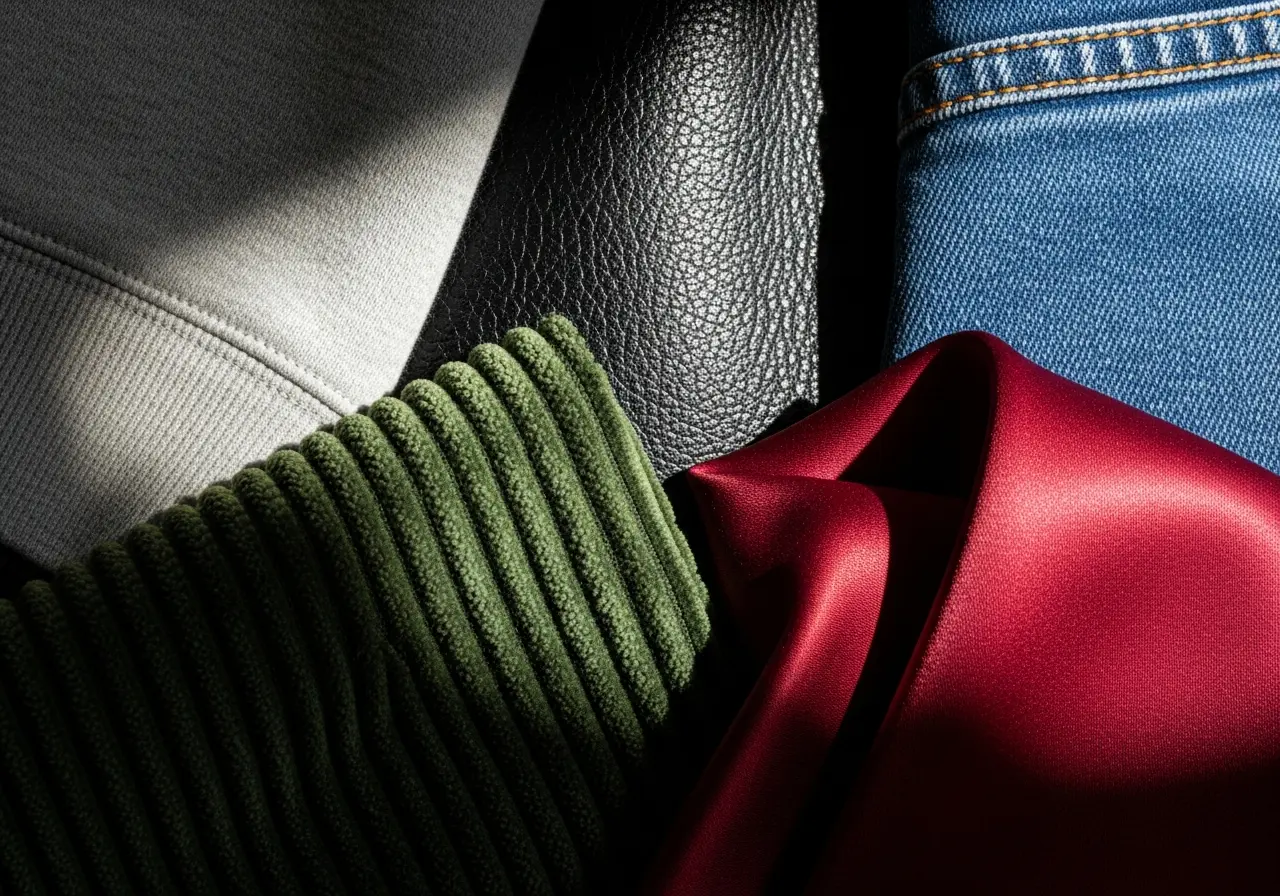
Combining different fabric textures creates visual richness that elevates simple sweatshirt outfits. This advanced styling technique adds sophistication and demonstrates fashion awareness beyond basic coordination.
Pairing cotton sweatshirts with leather bottoms creates striking contrast. The soft, casual nature of sweatshirt fabric juxtaposed with the sleek, structured quality of leather produces outfits with personality and edge. This combination works equally well with leather pants, skirts, or even leather shorts during warmer fall days.
Corduroy provides textural interest while maintaining casual comfort. The ribbed texture of corduroy pants or skirts complements the smooth surface of sweatshirt fabric. This pairing feels particularly appropriate for autumn, as both materials evoke seasonal warmth and coziness.
Silk and satin introduce unexpected elegance when paired with sweatshirts. A silk slip skirt beneath an oversized sweatshirt creates high-low contrast that feels modern and fashion-forward. Satin pants paired with fitted sweatshirts produce similar effects. These combinations require confidence but deliver memorable style impact.
Denim offers reliable textural contrast that never goes out of style. The varied textures within denim itself, from smooth rigid denim to brushed soft denim, provide numerous pairing options. Mixing different denim washes, such as a light wash sweatshirt with dark denim jeans, adds another layer of visual interest through tonal variation.
Skirt Pairing Strategies
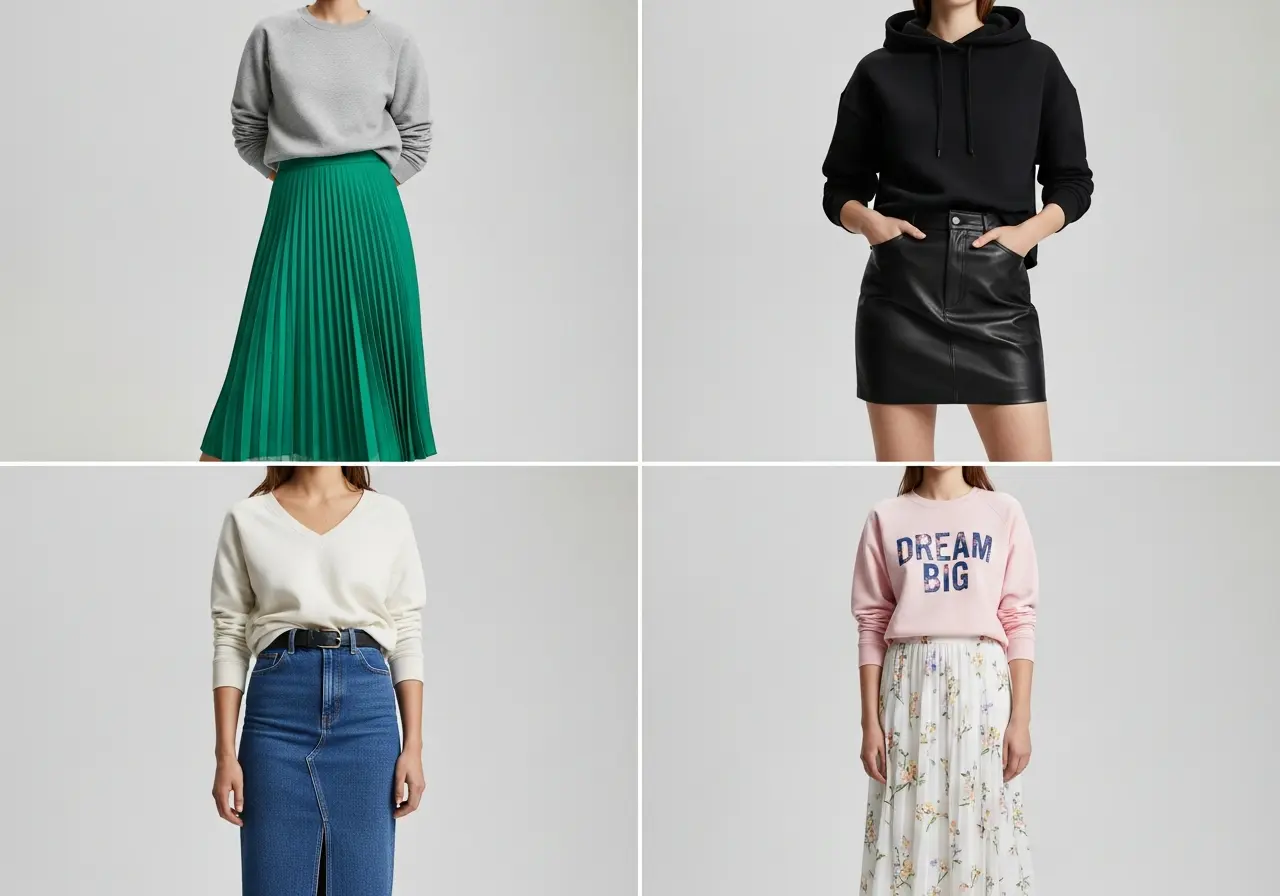
Sweatshirts and skirts create unexpectedly sophisticated combinations that challenge traditional casual-formal boundaries. This pairing demonstrates style versatility while maintaining comfort and personal expression.
Midi skirts paired with sweatshirts produce balanced, feminine silhouettes. The longer skirt length grounds the casual sweatshirt, creating outfits appropriate for various occasions. Pleated midi skirts add movement and visual interest, while sleek satin or silk midi skirts introduce elegant contrast.
Mini skirts create youthful, energetic outfits when paired with sweatshirts. This combination works particularly well with oversized sweatshirts that provide enough coverage to balance the shorter skirt length. Add tights or knee-high boots during cooler weather to maintain warmth while preserving the silhouette.
Pencil skirts introduce structure and polish to sweatshirt outfits. This high-low mixing feels current and demonstrates style confidence. Choose fitted sweatshirts or tuck standard sweatshirts into the skirt waistband to maintain the sleek lines that make pencil skirts flattering.
Maxi skirts produce flowing, bohemian aesthetics when combined with sweatshirts. This pairing works best with fitted or cropped sweatshirts that define the waist and prevent the outfit from appearing shapeless. Flowy fabrics like chiffon or lightweight knits create beautiful movement that contrasts with the stationary nature of sweatshirt fabric.
The Dress Overlay Method
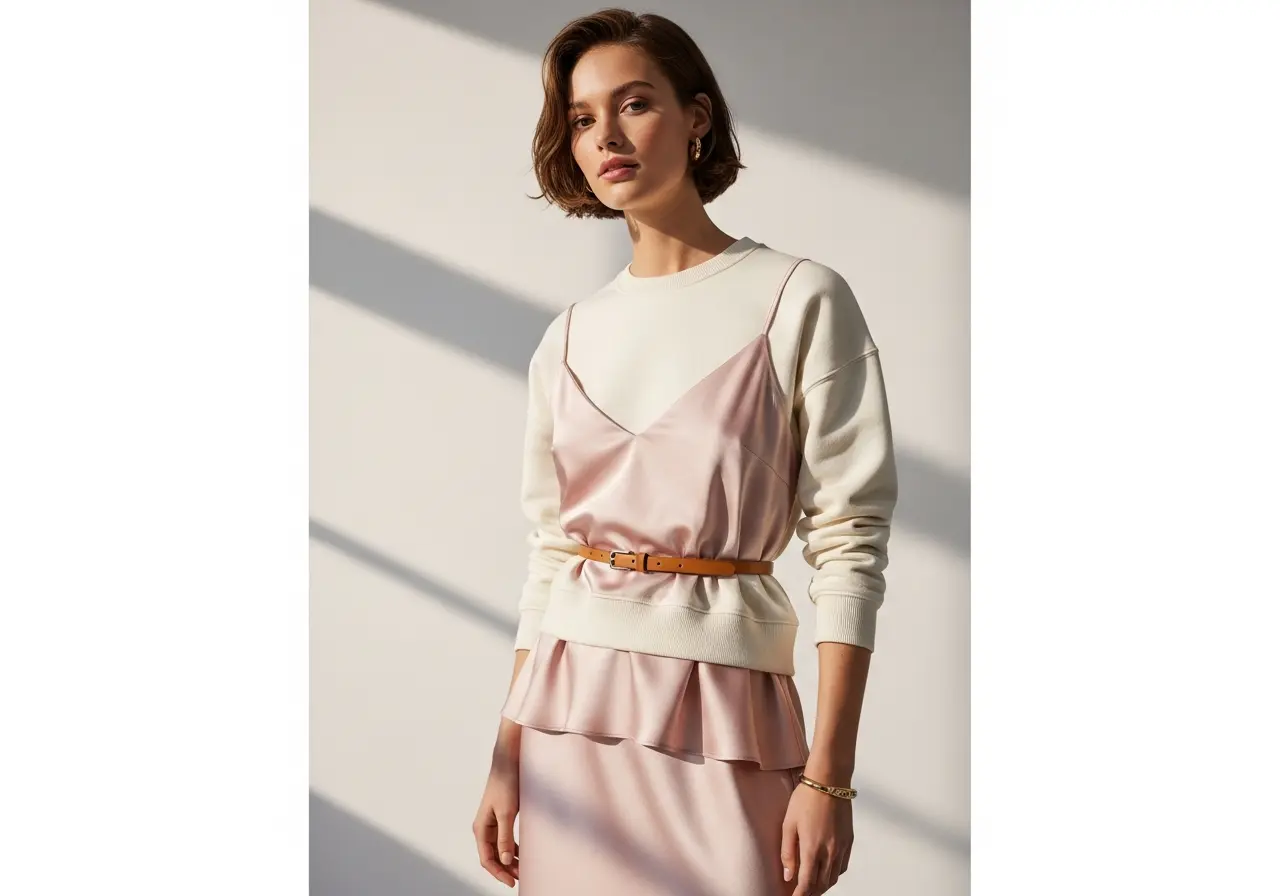
Layering sweatshirts over dresses creates one of the most innovative and fashion-forward approaches to fall styling. This technique transforms both pieces, creating entirely new outfit possibilities from existing wardrobe items.
Slip dresses provide ideal foundations for sweatshirt overlays. Their lightweight, smooth fabric layers easily beneath sweatshirts without creating bulk. The dress hem peeking below the sweatshirt adds feminine contrast while the sweatshirt provides warmth and casual ease. This combination works particularly well for transitional weather when dresses alone feel too light but full sweaters seem premature.
T-shirt dresses layer beautifully under sweatshirts for completely casual, comfortable outfits. Choose dresses in coordinating or contrasting colors and allow several inches to show beneath the sweatshirt hem. This creates a relaxed, effortless appearance perfect for weekend activities or comfortable travel days.
Shirt dresses introduce patterns and additional layering opportunities. The collar of a shirt dress showing above a crewneck sweatshirt adds preppy charm, while the button placket visible below the hem provides visual interest. This combination feels intentionally styled rather than accidentally layered.
Adding a belt over the sweatshirt and dress combination defines the waist and creates structure. This simple addition transforms the outfit from casual to polished, making it appropriate for situations requiring slightly more refinement while maintaining essential comfort.
Athletic Influences And Streetwear Aesthetics
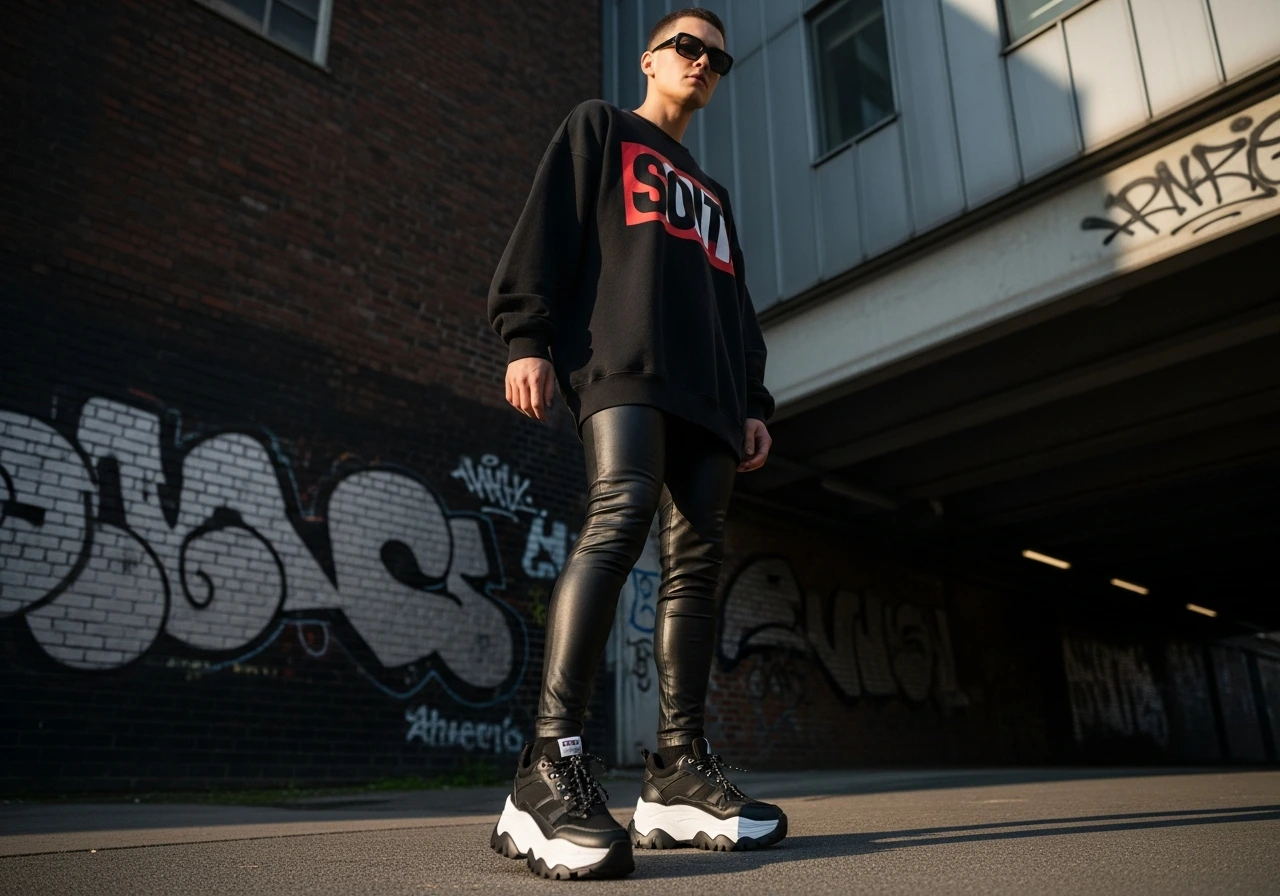
Contemporary fashion increasingly embraces athletic and streetwear influences, making these aesthetics natural companions for fall sweatshirt styling. These approaches celebrate comfort while maintaining strong visual impact and cultural relevance.
Athleisure combinations pair sweatshirts with athletic wear like leggings, joggers, or track pants. Elevate basic athleisure by choosing elevated pieces. Leather leggings instead of standard athletic leggings, structured joggers in premium fabrics, or wide-leg track pants in unexpected colors transform typical gym wear into street-appropriate outfits.
Sneaker selection significantly impacts athletic-influenced outfits. Classic white sneakers provide clean, versatile foundations. Chunky platform sneakers add edge and height. Retro running shoes in bold colors become statement pieces that anchor outfits. The sneaker should complement rather than compete with the sweatshirt for visual attention.
Streetwear layering techniques often involve multiple garments visible simultaneously. A hoodie beneath a crewneck sweatshirt beneath a jacket creates complex layering that suggests insider fashion knowledge. Keep color coordination tight when attempting multiple layers to prevent visual chaos.
Logo and graphic sweatshirts lean into streetwear aesthetics when paired with other branded pieces or statement items. Balance graphic sweatshirts with simple bottoms to let the top remain the focal point. Alternatively, create maximalist looks by mixing multiple patterns or graphics, though this approach requires confidence and developed style sensibility.
Transitional Weather Strategies
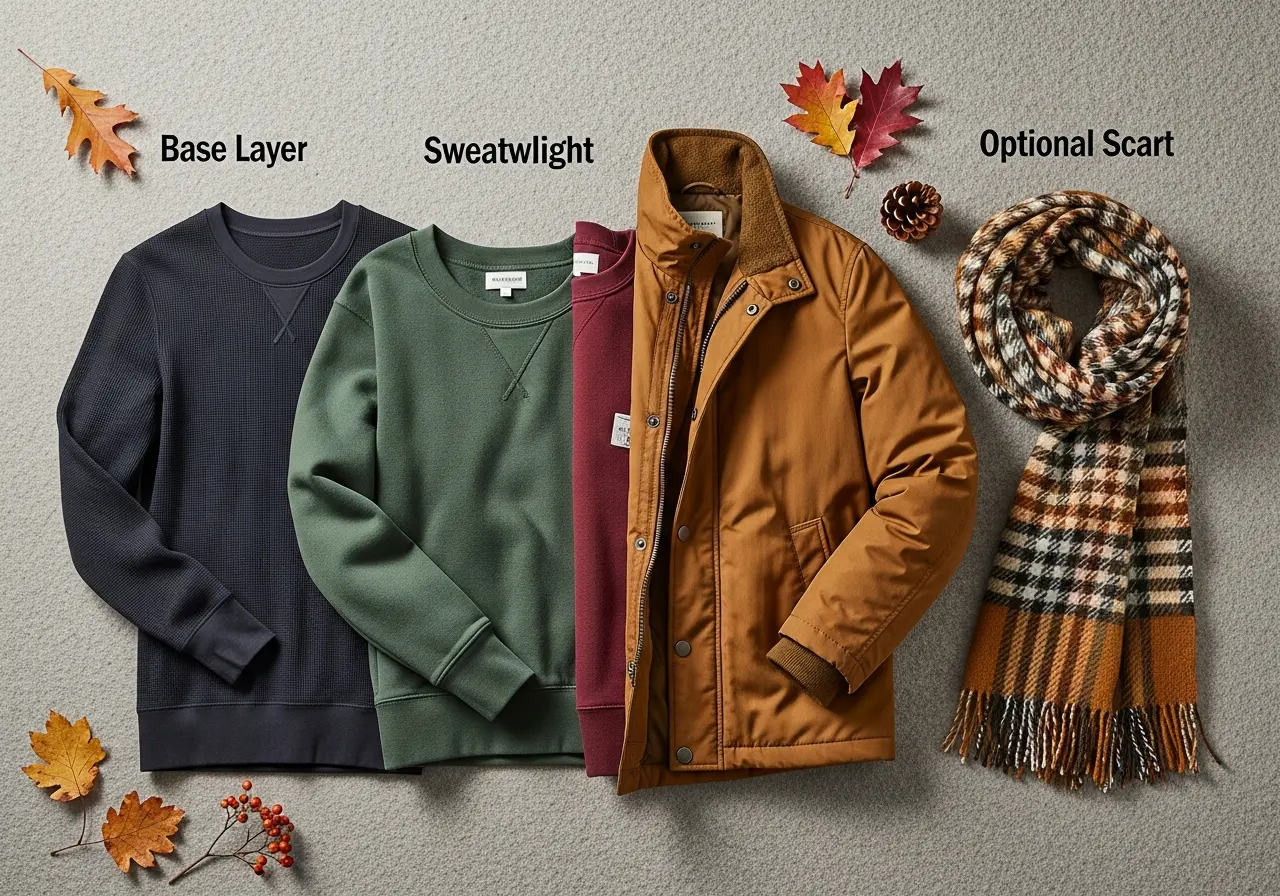
Fall presents unique dressing challenges as temperatures fluctuate throughout the day. Strategic sweatshirt layering provides solutions that maintain comfort regardless of changing conditions.
Morning layers should accommodate cooler temperatures while remaining easy to remove as the day warms. Start with a fitted base layer beneath your sweatshirt, then add a lightweight jacket or cardigan. This creates three easily adjustable layers that adapt to temperature changes without requiring a complete outfit change.
Evening cooling demands additional warmth without sacrificing style. Keep a structured blazer or denim jacket available to add over your sweatshirt as temperatures drop. These pieces integrate seamlessly into existing outfits while providing substantial warmth. Scarves offer another easily added layer that significantly impacts warmth without changing your overall silhouette.
Indoor-outdoor transitions during fall require flexibility. Buildings often maintain warm temperatures while outdoor air remains crisp. Choose breathable natural fibers that regulate temperature effectively. Avoid synthetic materials that trap heat and moisture, leading to discomfort in varying environments.
Activity level influences transitional weather dressing as well. Walking meetings or active days require lighter layering than sedentary indoor activities. Consider your planned activities when constructing sweatshirt-based outfits, adjusting layer weight and removability accordingly.
Occasion-Specific Styling Approaches
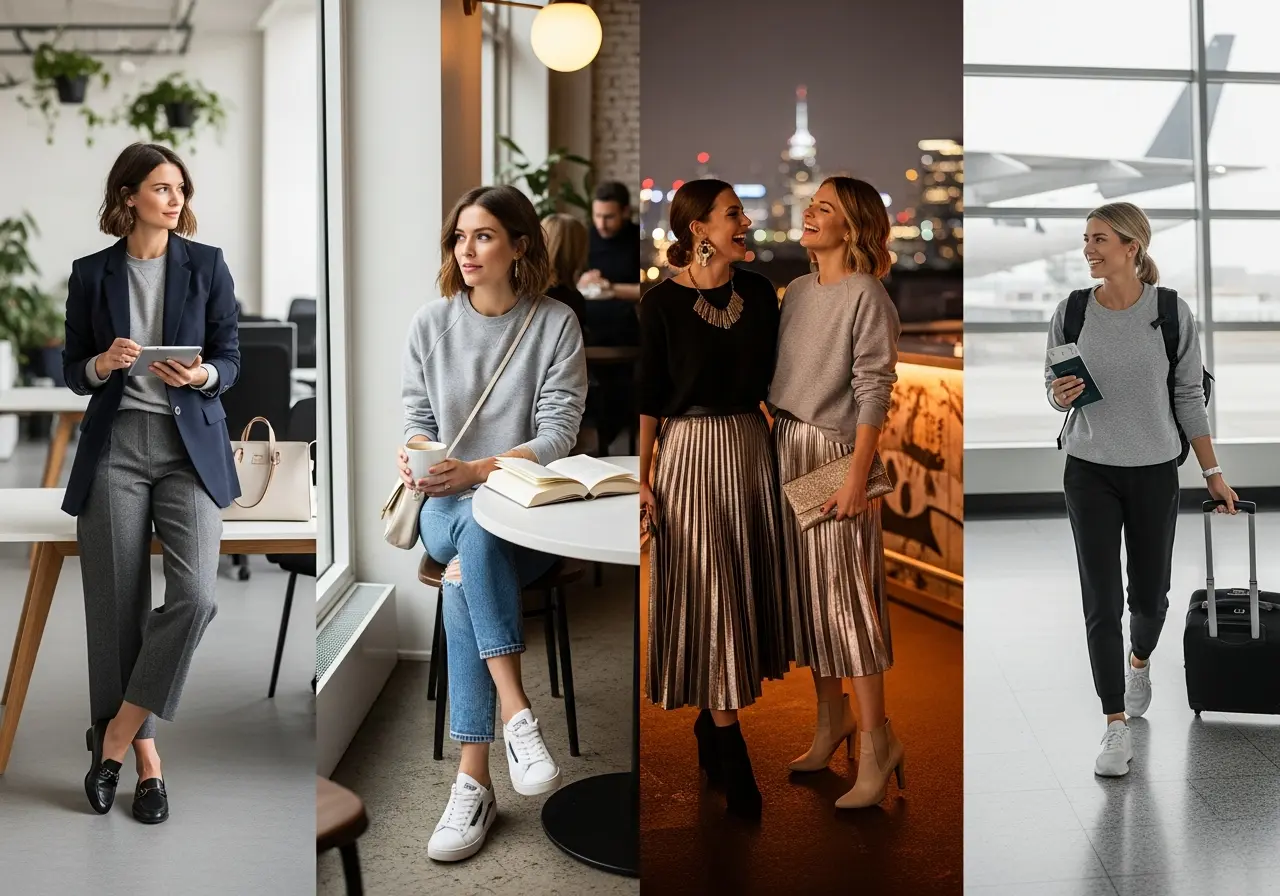
Different settings demand varied styling approaches, and sweatshirts prove surprisingly adaptable to numerous occasions when styled thoughtfully.
Casual workplace environments increasingly accept sweatshirts as appropriate attire. Elevate sweatshirts for office wear by choosing solid colors in sophisticated shades, pairing them with tailored trousers and structured blazers, and accessorizing with polished leather shoes and minimal jewelry. This combination maintains professionalism while embracing contemporary workplace casual standards.
Weekend activities benefit from comfortable, practical sweatshirt styling. Prioritize easy movement and weather appropriateness. Pair sweatshirts with comfortable denim or athletic-inspired bottoms, layer with functional outerwear, and choose supportive footwear. This approach values comfort and practicality while maintaining put-together appearance.
Social gatherings allow more creative expression in sweatshirt styling. Experiment with bold colors, interesting textures, and statement accessories. Pair sweatshirts with unexpected pieces like sequined skirts or velvet pants. These combinations demonstrate style confidence and creativity while remaining comfortable enough for extended social situations.
Travel dressing demands comfort, versatility, and packability. Sweatshirts excel in all three areas. Choose neutral sweatshirts that pair with multiple bottoms in your travel wardrobe. Layer strategically for varying climates and easy airport security navigation. Select wrinkle-resistant fabrics that emerge from luggage ready to wear.
you may also visit our webpage /fall-outfit-ideas/
Seasonal Color Palette Integration
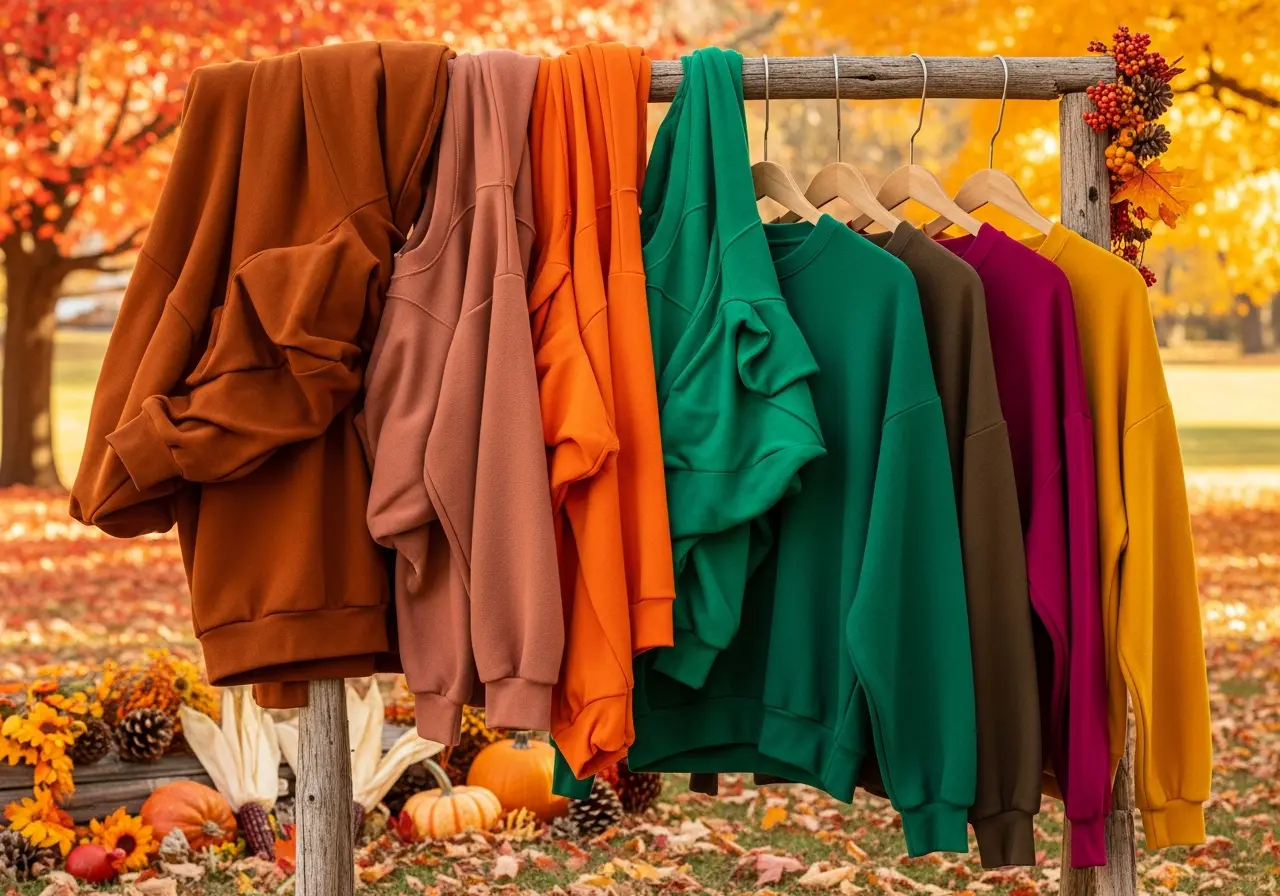
Fall’s rich color palette provides inspiration for sweatshirt styling that feels seasonally appropriate and visually cohesive with the natural environment.
Earthy tones form the foundation of autumn dressing. Rust, terracotta, burnt orange, and clay colors echo fall foliage and create warmth. These shades work beautifully in sweatshirts, either as solid colors or incorporated into graphics or patterns. Pair earth-toned sweatshirts with neutral bottoms for understated elegance or combine multiple earth tones for rich, layered color schemes.
Jewel tones add depth and luxury to fall wardrobes. Emerald green, sapphire blue, amethyst purple, and ruby red sweatshirts make bold statements while remaining seasonally appropriate. These saturated colors pair beautifully with black, gray, or camel for sophisticated combinations. Jewel tones also coordinate well with metallic accessories in gold or bronze.
Classic autumn shades like burgundy, forest green, and mustard never go out of style. These colors feel inherently fall-appropriate and work across multiple seasons within autumn. Their versatility makes them excellent investment pieces that coordinate with numerous other wardrobe items.
Neutral foundations remain important even within seasonal palettes. Cream, camel, gray, and brown sweatshirts provide versatile bases that pair with any seasonal accent color. These neutrals create cohesive, sophisticated looks while allowing statement pieces or colorful accessories to shine.
Personal Style Development Through Sweatshirt Styling
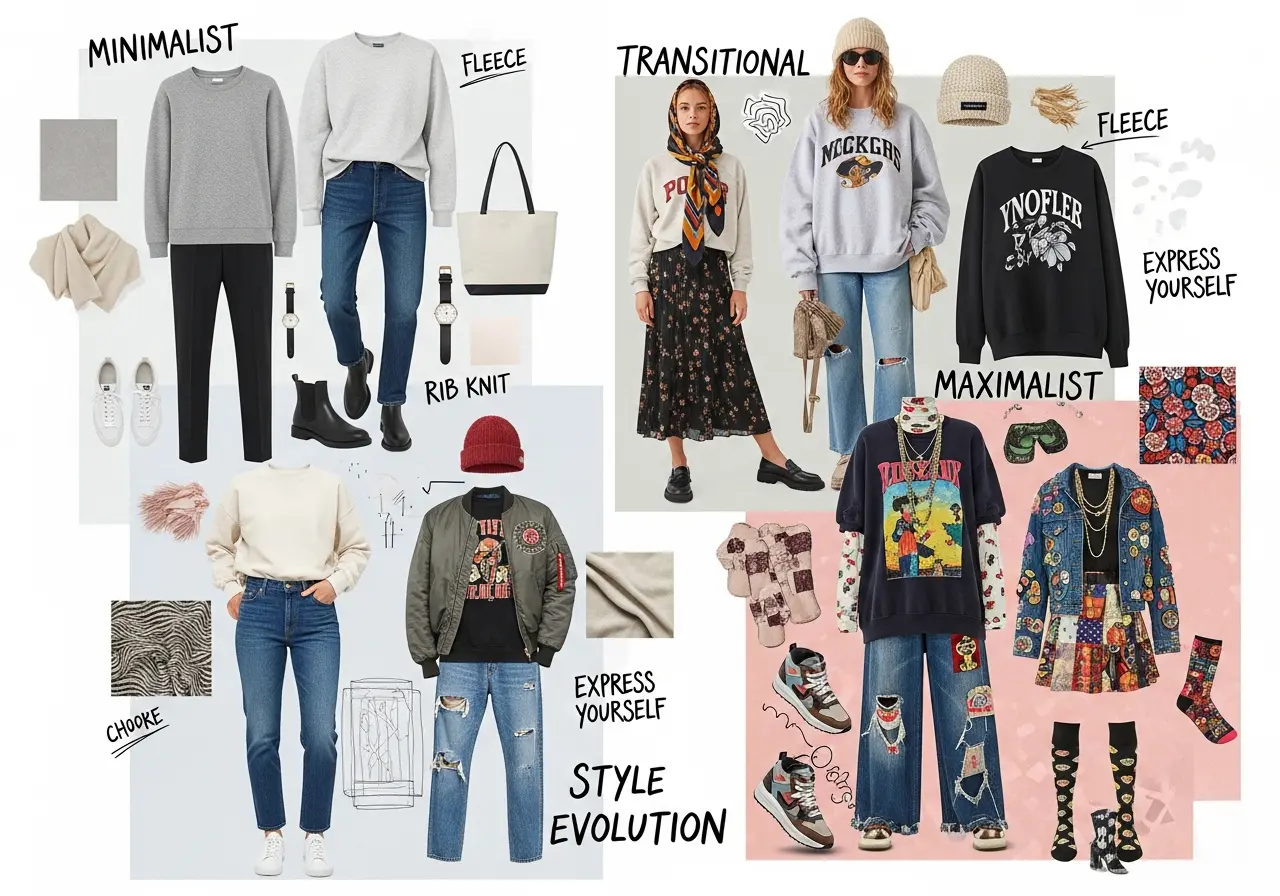
Using sweatshirt styling as a vehicle for personal style exploration and development creates opportunities for self-expression and fashion confidence building.
Identify your style preferences by experimenting with different sweatshirt styling approaches. Notice which combinations feel most authentic and comfortable. Pay attention to compliments received and outfits that generate confidence. These observations help clarify personal aesthetic preferences.
Develop signature combinations that become recognizable elements of your personal style. Perhaps you always pair sweatshirts with specific accessories, favor particular color combinations, or employ consistent layering techniques. These repeated elements create style cohesion and recognition while allowing variation within established parameters.
Challenge yourself periodically by attempting styling approaches outside your comfort zone. If you typically favor minimalist aesthetics, experiment with bold patterns or multiple layers. If maximalism defines your usual approach, try pared-back combinations focusing on silhouette over embellishment. These experiments expand styling capabilities and prevent stagnation.
Document successful outfits through photos or notes. This creates a reference library for future styling inspiration and helps identify patterns in your preferences. Review these records periodically to track style evolution and rediscover forgotten combinations worth revisiting.
you may also visit our webpage /fall-outfit-ideas/
Conclusion
Mastering fall sweatshirt layering represents more than learning specific outfit formulas. It involves understanding fundamental styling principles like proportion, texture, color theory, and personal expression while developing the confidence to experiment and refine your approach. The fifteen styling secrets explored in this guide provide foundational knowledge applicable across various aesthetic preferences and lifestyle needs.
Remember that successful styling balances established principles with personal interpretation. While these techniques offer proven approaches, your individual body type, coloring, lifestyle, and aesthetic preferences should ultimately guide your styling decisions. The most impactful outfits reflect authentic self-expression rather than rigid adherence to rules.
Fall sweatshirts deserve recognition as versatile wardrobe essentials capable of sophisticated styling when approached thoughtfully. Their comfort need not preclude polish, and their casual nature provides opportunities for creative high-low mixing that defines contemporary fashion. By applying these layering secrets and continuing to experiment with personal variations, you transform simple sweatshirts into vehicles for confident self-expression throughout the autumn season and beyond.
The journey toward styling mastery involves ongoing experimentation, occasional failures, and eventual successes that build confidence and refine personal aesthetic. Embrace this process with curiosity and patience, recognizing that style development represents a continuous evolution rather than a fixed destination. Your fall sweatshirt collection awaits transformation into the foundation of countless memorable, comfortable, and stylish outfits.
Frequently Asked Questions
What type of sweatshirt works best for layering in fall?
Midweight cotton or cotton-blend sweatshirts offer the most versatility for fall layering. They provide enough substance to stand alone while remaining thin enough to layer comfortably under jackets. Look for sweatshirts with minimal interior bulk and good shape retention. Crewneck styles offer the most layering flexibility, though quarter-zips and mock necks provide additional options for varied looks.
How do I avoid looking bulky when layering sweatshirts?
Maintain proportional balance by pairing fitted base layers with your sweatshirt and choosing structured outerwear that skims rather than clings. Select sweatshirts in appropriate sizes rather than excessively oversized styles. Use vertical lines through unbuttoned layers or visible shirt hems to elongate your silhouette. Stick to three layers maximum for most occasions, and ensure each layer serves a specific purpose rather than adding unnecessary bulk.
Can sweatshirts work for office environments?
Sweatshirts increasingly fit into casual workplace dress codes when styled appropriately. Choose solid colors in sophisticated shades, pair with tailored trousers or structured skirts, and layer under blazers for added polish. Avoid graphic prints, distressed fabrics, or athletic styling in professional settings. Complete the look with leather shoes and minimal accessories to maintain workplace-appropriate appearance while embracing comfort.
What colors of sweatshirts are most versatile for fall?
Neutral colors including gray, black, navy, cream, and camel provide maximum versatility and pair with virtually any bottoms or outerwear. These shades work across multiple occasions and coordinate easily with seasonal accent colors. For more personality while maintaining versatility, consider rich autumn shades like burgundy, forest green, or rust that feel seasonally appropriate while offering more color interest than pure neutrals.
How should sweatshirts fit for optimal styling?
Fit preferences vary based on personal style and intended styling approach. For classic proportions, choose sweatshirts that end at the hip with sleeves reaching your wrist bone. Oversized styles should still maintain structure through the shoulders while providing extra ease through the body. Avoid sweatshirts that pull across the chest or create excess fabric bunching under the arms. The neckline should sit comfortably without gaping or restricting movement
One Comment