
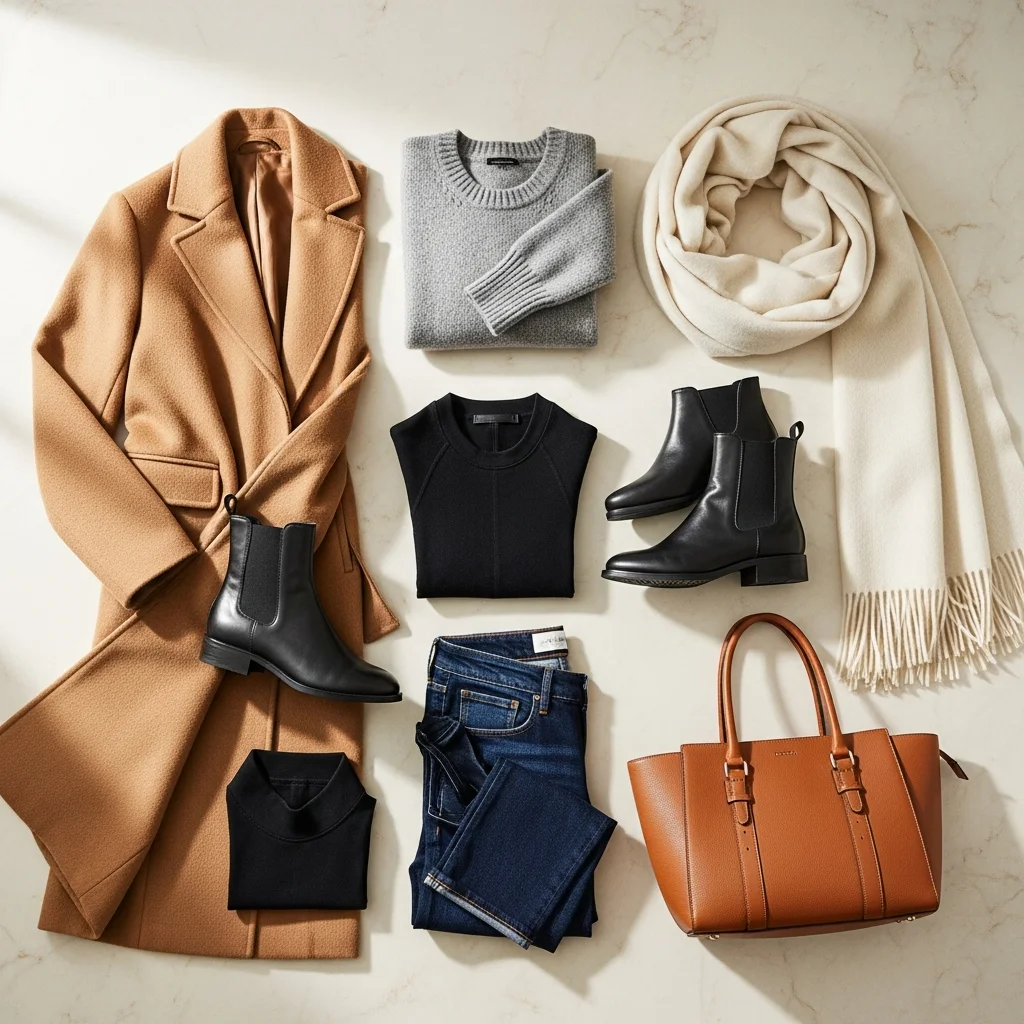
7 Winter Wardrobe Essentials That’ll Keep You Chic in the Cold
Winter Wardrobe Essentials dressing presents a unique challenge that tests every person’s ability to balance warmth with style. The temptation to prioritize function over fashion becomes overwhelming when temperatures plummet, yet giving in to this impulse often results in months of uninspired outfits and closet frustration. The solution lies not in accumulating an extensive collection of seasonal pieces but in carefully selecting winter wardrobe essentials that deliver both protection from the elements and genuine style confidence.
Building a functional yet fashionable cold weather collection requires understanding which pieces truly earn their place in your closet. Not every trendy item deserves investment, and not every practical piece needs to sacrifice aesthetics. The most successful winter wardrobes contain versatile foundations that work across multiple contexts while maintaining the wearer’s personal style identity. These essential items create endless outfit combinations without requiring excessive closet space or constant shopping trips.
The seven winter wardrobe essentials outlined here represent the core building blocks of effective cold weather dressing. Each piece serves multiple purposes, coordinates seamlessly with the others, and withstands both harsh weather conditions and changing fashion trends. Whether you’re assembling your first complete winter wardrobe or refining an existing collection, these essentials provide the framework for looking polished throughout the coldest months.
The Classic Wool Coat
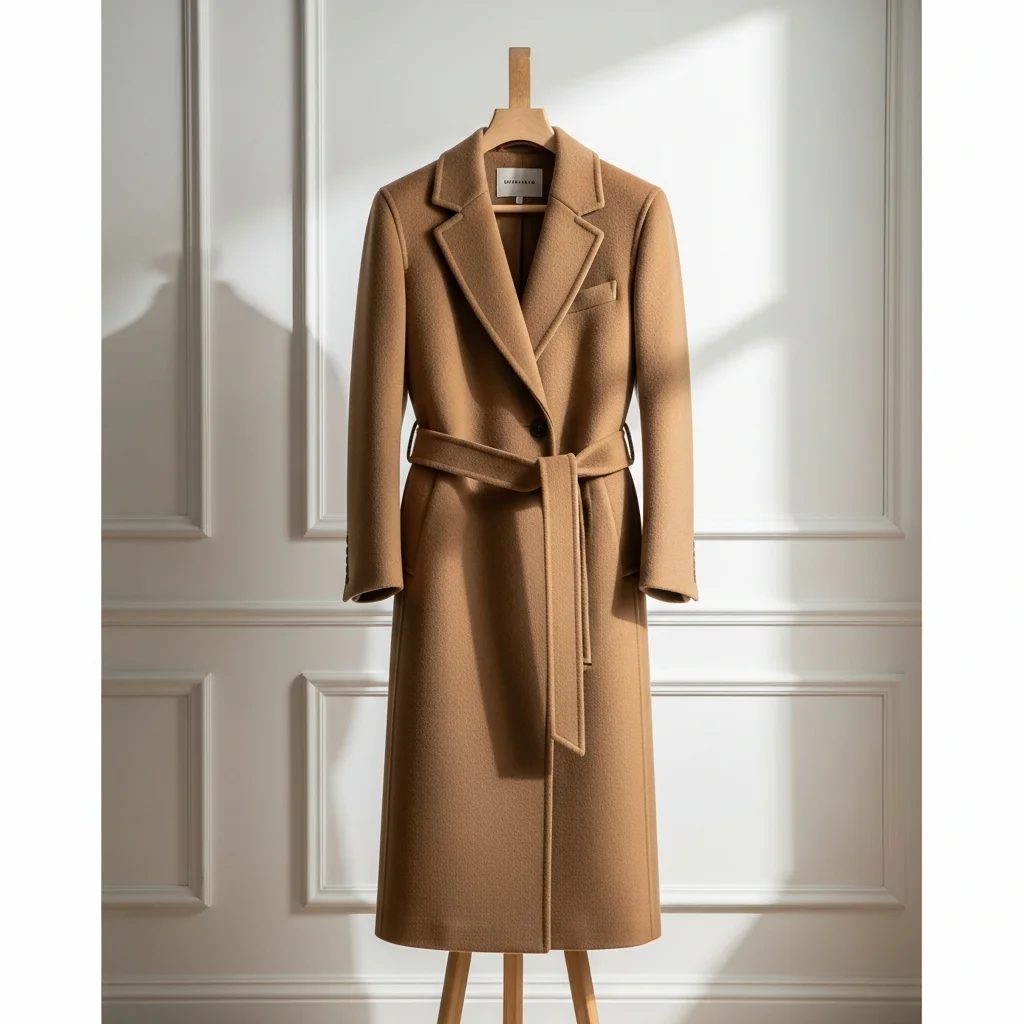
A quality wool coat stands as the single most important investment in any winter wardrobe. This foundational outerwear piece transforms simple underneath layers into complete, polished outfits while providing substantial warmth. The right wool coat works equally well over professional attire for office settings and casual weekend wear, making it perhaps the most versatile item in your entire cold weather arsenal.
When selecting a wool coat, construction quality matters significantly more than trendy details. Look for coats with substantial fabric weight, typically at least 60 percent wool content, as lower percentages compromise warmth and durability. The coat should feel substantial without being stiff, and the lining should move smoothly when you put it on and take it off. Check that buttons are securely attached and buttonholes are properly finished, as these details indicate overall construction quality in Winter Wardrobe Essentials.
Neutral colors maximize outfit coordination possibilities. Camel, navy, black, and charcoal grey work with virtually every other color and pattern in your wardrobe. While bold colors or patterns can make striking statements, they limit styling flexibility and may feel tiresome after repeated wear throughout a long winter season. Classic neutral shades maintain their appeal year after year, justifying the investment through decades of use.
Length considerations depend partly on your height and climate but generally benefit from hitting somewhere between mid-thigh and knee. Shorter coats offer easier movement and work better for car commuters, while longer lengths provide additional warmth for those who walk extensively or use public transportation. Try coats in various lengths to determine what feels most comfortable and flattering on your specific frame in Winter Wardrobe Essentials. Find more about winter wear on 9 Winter Accessories That Are as Chic as They Are Functional.
Cashmere Knitwear
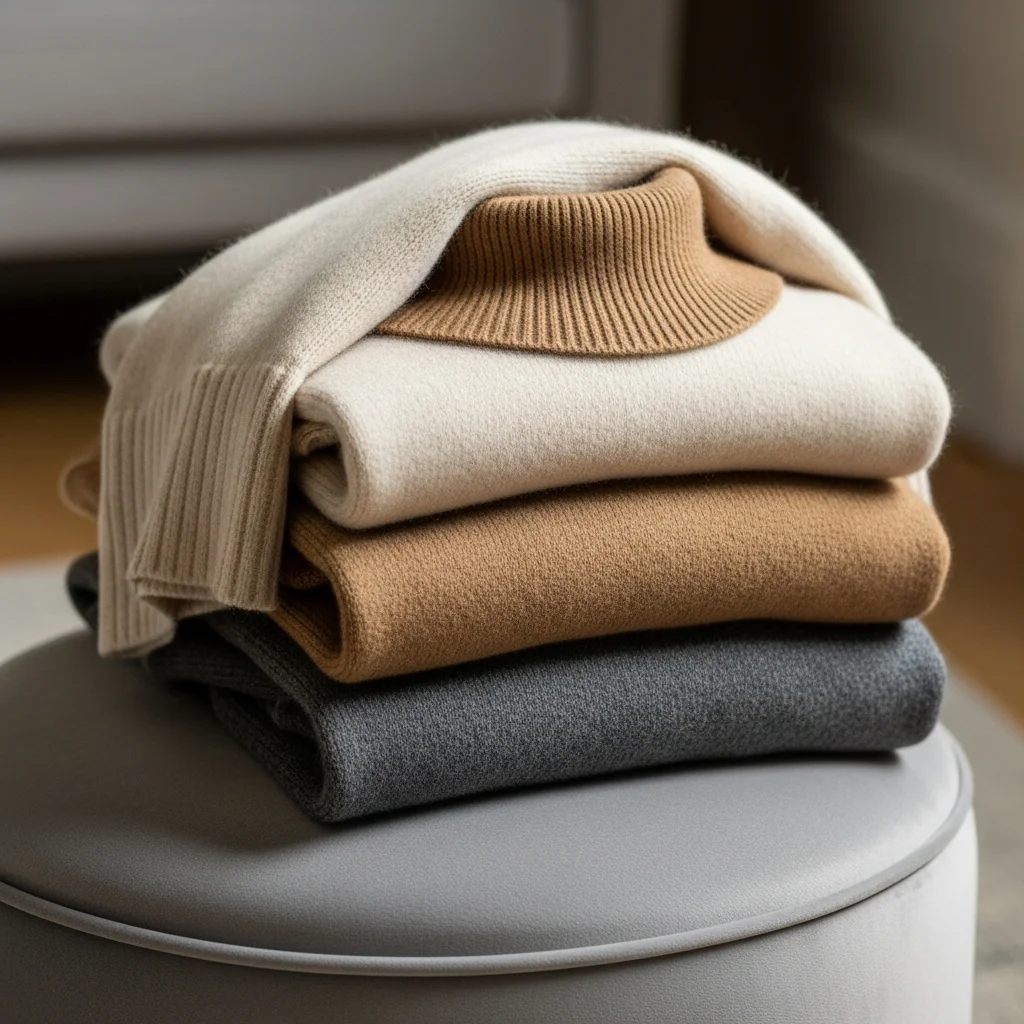
Cashmere sweaters represent the ultimate combination of luxury, warmth, and versatility in winter wardrobe essentials. This exceptional natural fiber provides superior insulation relative to its weight, allowing you to stay warm without the bulk that characterizes cheaper synthetic alternatives. Quality cashmere improves with proper care, developing a softer hand and more beautiful appearance over years of wear for Winter Wardrobe Essentials.
A well-chosen cashmere sweater works as both an outer layer for milder winter days and a middle layer under coats when temperatures drop. The classic crewneck silhouette offers the most styling flexibility, working with everything from jeans to tailored trousers to midi skirts. Turtleneck versions provide additional neck warmth and create elegant lines when worn alone or layered under jackets and coats.
Neutral shades in cashmere prove most practical for regular rotation. Grey in various tones from light heather to charcoal, navy, camel, and cream all coordinate effortlessly with other wardrobe components. Black cashmere shows wear more obviously than other colors, developing shine in high-friction areas over time. If adding color to your cashmere collection, rich jewel tones like burgundy, forest green, or deep plum offer personality while maintaining sophistication.
Care requirements for cashmere demand attention but remain manageable with proper technique. Hand washing in cool water with gentle detergent preserves the fiber better than dry cleaning, though professional cleaning works well for structured pieces. Always lay cashmere flat to dry, never hanging, as the weight of water distorts the shape. Store folded rather than hanging during off-season months to prevent stretching.
Waterproof Leather Boots
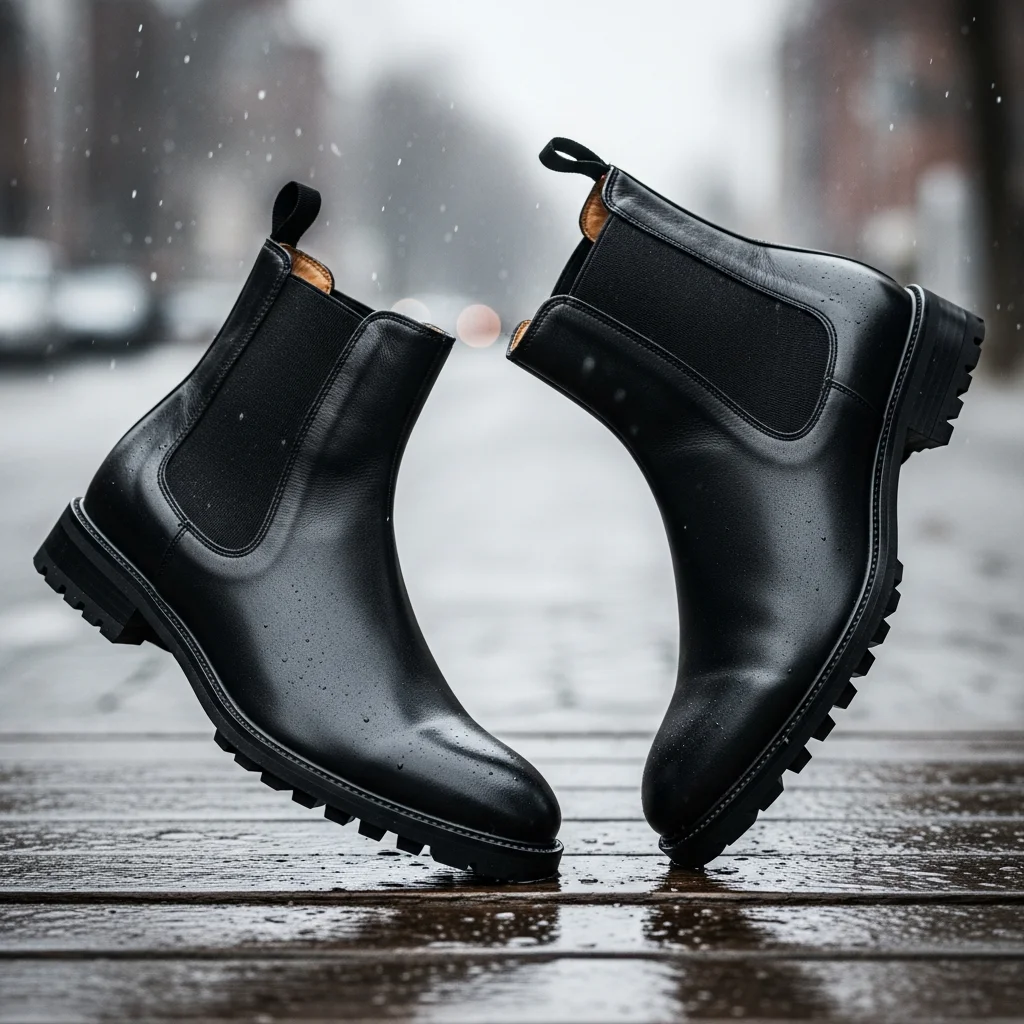
Footwear makes or breaks winter wardrobe functionality, as no amount of stylish clothing compensates for cold, wet feet. Quality leather boots that incorporate waterproofing technology provide the essential foundation for comfortable cold weather dressing. These boots must balance weather protection with style considerations, allowing you to maintain polished appearances while navigating snowy sidewalks and slushy streets.
Chelsea boots offer exceptional versatility through their sleek silhouette and elastic gore construction. This style transitions seamlessly from casual to professional contexts, working with jeans, trousers, and dresses alike. The low profile accommodates various pant lengths without creating bulk around the ankles. Look for versions with lugged rubber soles that provide traction on ice without appearing overly utilitarian.
Ankle boots with moderate heels serve as another essential style within winter footwear collections. Heights between one and two inches offer stability while adding polish to outfits. Almond or slightly square toe shapes feel current without trending into territory that dates quickly. Leather quality matters significantly in boots, as genuine leather weathers gracefully while synthetic alternatives crack and deteriorate within seasons. Find more
Proper boot care extends their functional life considerably. Apply waterproofing treatment before first wear and reapply throughout the season, especially after particularly wet conditions. Allow boots to dry naturally away from direct heat sources, and use boot trees or stuff with newspaper to maintain shape. Regular cleaning removes salt stains that damage leather over time.
Dark Wash Denim
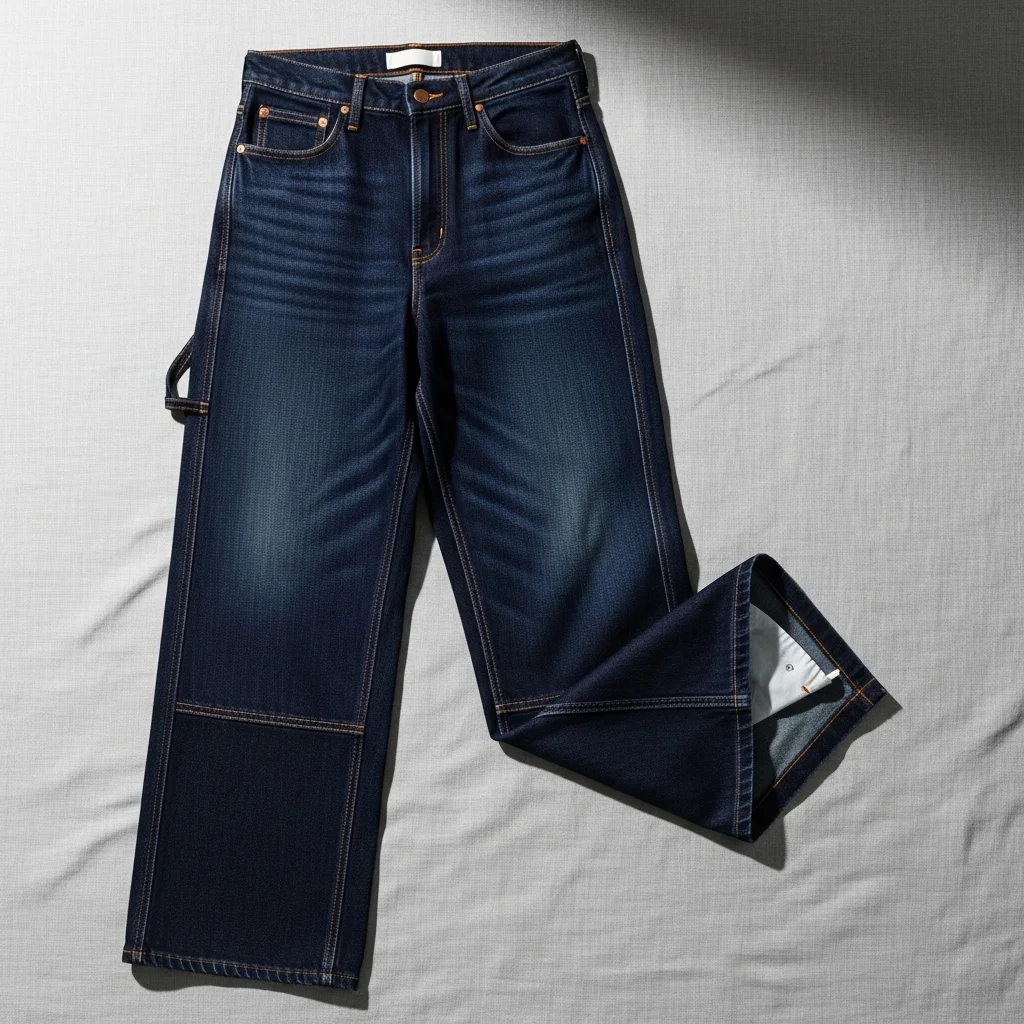
Denim forms the casual foundation of most contemporary wardrobes, and dark washes prove particularly valuable during winter months. These deeper indigo shades feel seasonally appropriate while offering styling flexibility that lighter washes cannot match. Dark denim bridges casual and dressy contexts more effectively, working for everything from weekend errands to casual Friday office environments to evening social gatherings.
Straight and wide leg silhouettes dominate current style preferences while offering practical advantages for winter wear. These relaxed fits accommodate layering underneath more comfortably than skinny styles, allowing for thermal leggings or tights on particularly cold days. The additional fabric coverage provides warmth while creating proportions that balance winter’s bulkier upper layers in Winter Wardrobe Essentials.
Quality denim construction reveals itself through details like reinforced seams, substantial fabric weight, and thoughtful hardware placement. Premium denim maintains its color and shape through repeated washing better than cheaper alternatives. The right jeans should feel comfortable immediately without requiring extensive breaking in, though they will mold to your body over time.
Styling dark denim for winter involves pairing with substantial footwear and avoiding overwhelming proportions up top. Ankle boots work beautifully with both cropped and full-length styles, while knee-high boots coordinate best with straight or slightly tapered legs. Bulky sweaters balance wide-leg denim, while fitted turtlenecks complement straight cuts.
Structured Tote Bag
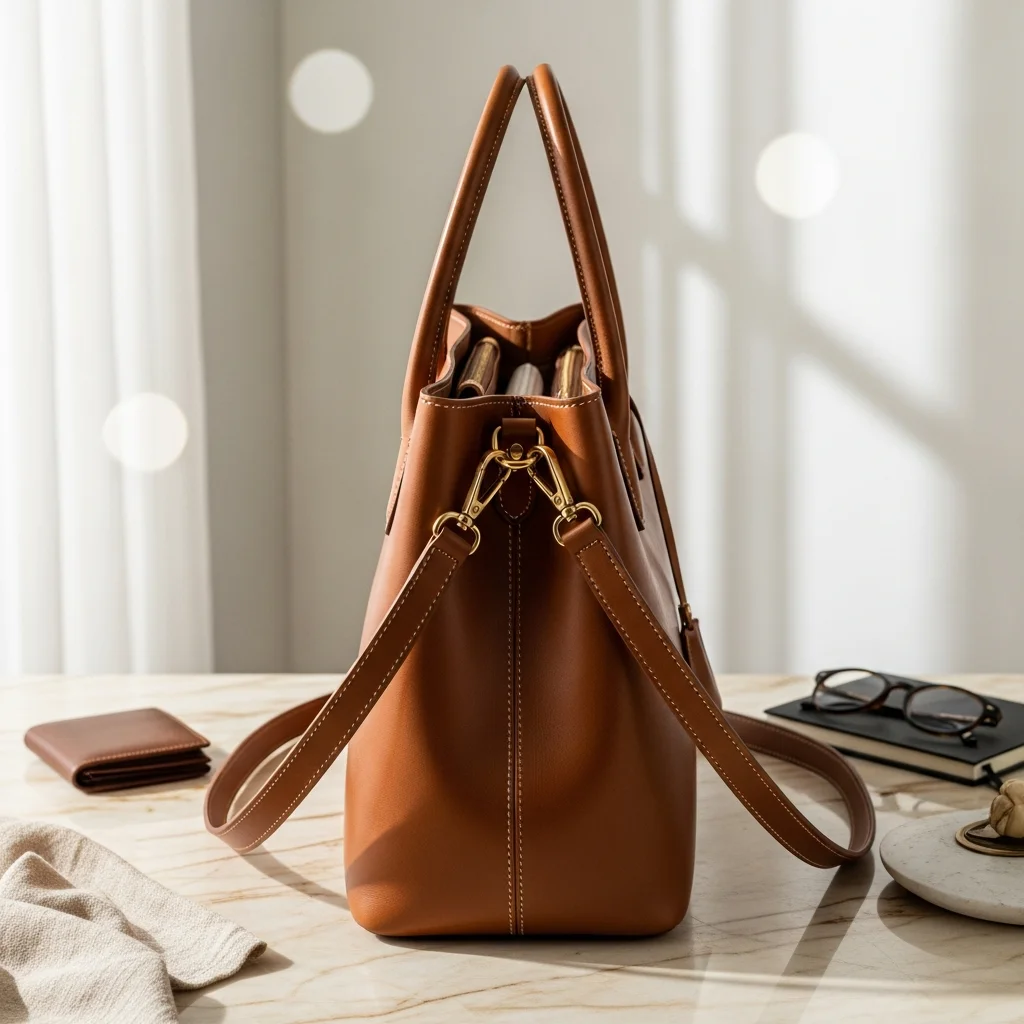
A quality leather tote serves as the workhorse of winter accessories, carrying everything necessary for daily activities while contributing to overall outfit polish. Winter Wardrobe Essentials practical demands increase what you need to transport, from extra layers to umbrellas to various weather protection items. The right tote accommodates these necessities without appearing overstuffed or sacrificing style.
Structure matters significantly in tote selection, as bags that collapse when set down look messy and make finding contents difficult. Look for totes with reinforced bottoms and sides that maintain shape even when partially full. Interior organization through pockets or compartments helps separate items and prevents the chaotic jumble that characterizes poorly designed bags.
Leather quality determines both appearance and longevity in totes. Full-grain leather develops beautiful patina over years of use, while corrected grain or bonded leather deteriorates relatively quickly. Hardware should feel substantial and operate smoothly, with zippers that glide without catching and snaps that close securely. Strap attachments require particular scrutiny, as these high-stress points often fail first in poorly constructed bags.
Classic colors provide maximum coordination flexibility. Black, brown, and tan leather totes work with virtually everything in your wardrobe. While fashion colors add personality, they limit outfit combinations and may not align with future wardrobe additions. Neutral tones justify the investment through years of daily use across changing style preferences.
Thermal Base Layers
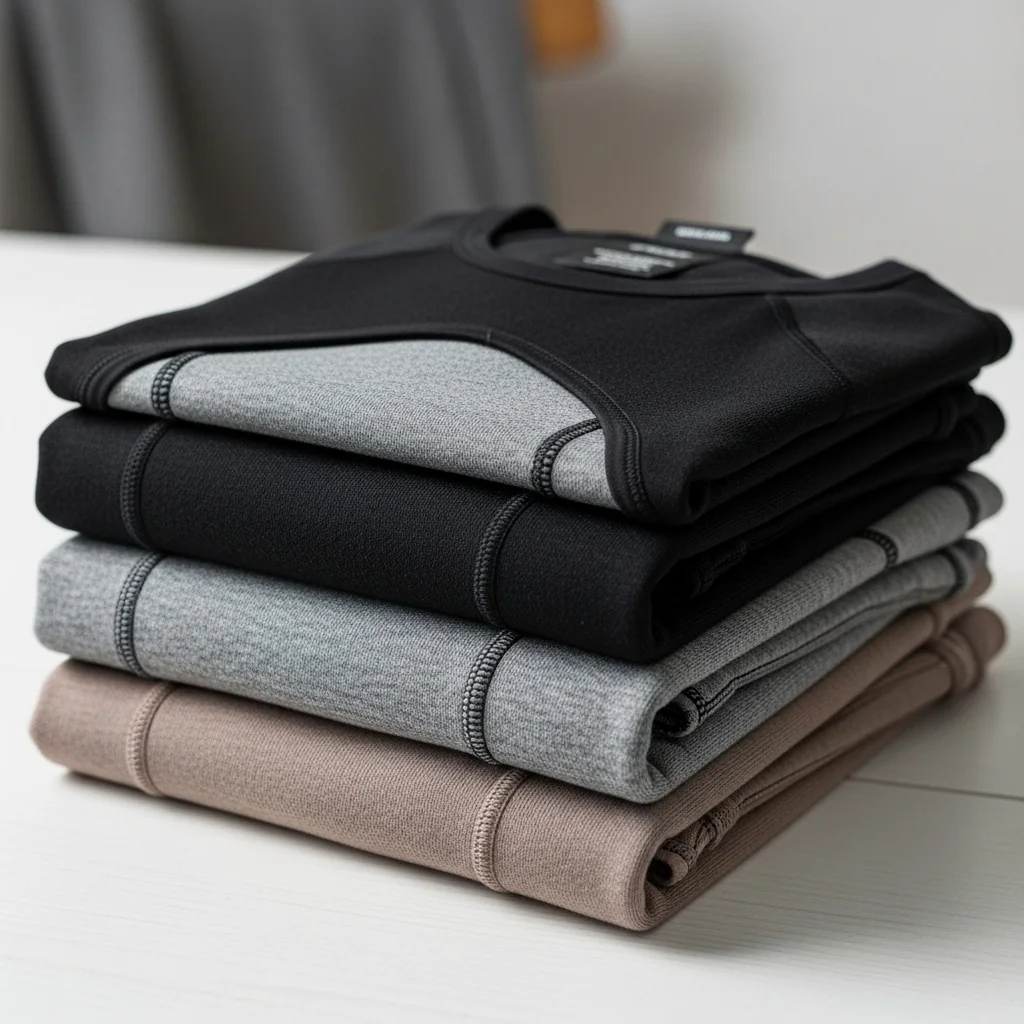
The foundation of effective winter layering starts against your skin with quality thermal underwear. Modern base layers bear little resemblance to bulky long johns, instead offering sleek profiles that disappear under clothing while providing substantial warmth. These technical pieces regulate body temperature effectively, wicking moisture while insulating against cold.
Merino wool and synthetic blends designed for athletic performance work best for base layers. Merino wool offers natural temperature regulation and odor resistance without the itchiness associated with traditional wool. Synthetic performance fabrics dry quickly and maintain insulating properties even when damp. Avoid cotton base layers, as this fiber loses all insulating value when wet and dries slowly.
Fitted construction works better than loose base layers, as excess fabric creates bulk under clothing and reduces thermal efficiency. Look for pieces that stretch comfortably in multiple directions, allowing full range of motion without binding. Flatlock seams prevent irritation during extended wear.
Neutral colors in black, grey, or nude tones remain invisible under clothing regardless of what you wear on top. While patterned or brightly colored base layers exist, they show through lighter weight tops and create unwanted lines under fitted clothing. Save decorative options for standalone wear and prioritize neutrals for layering purposes.
Cashmere Scarf
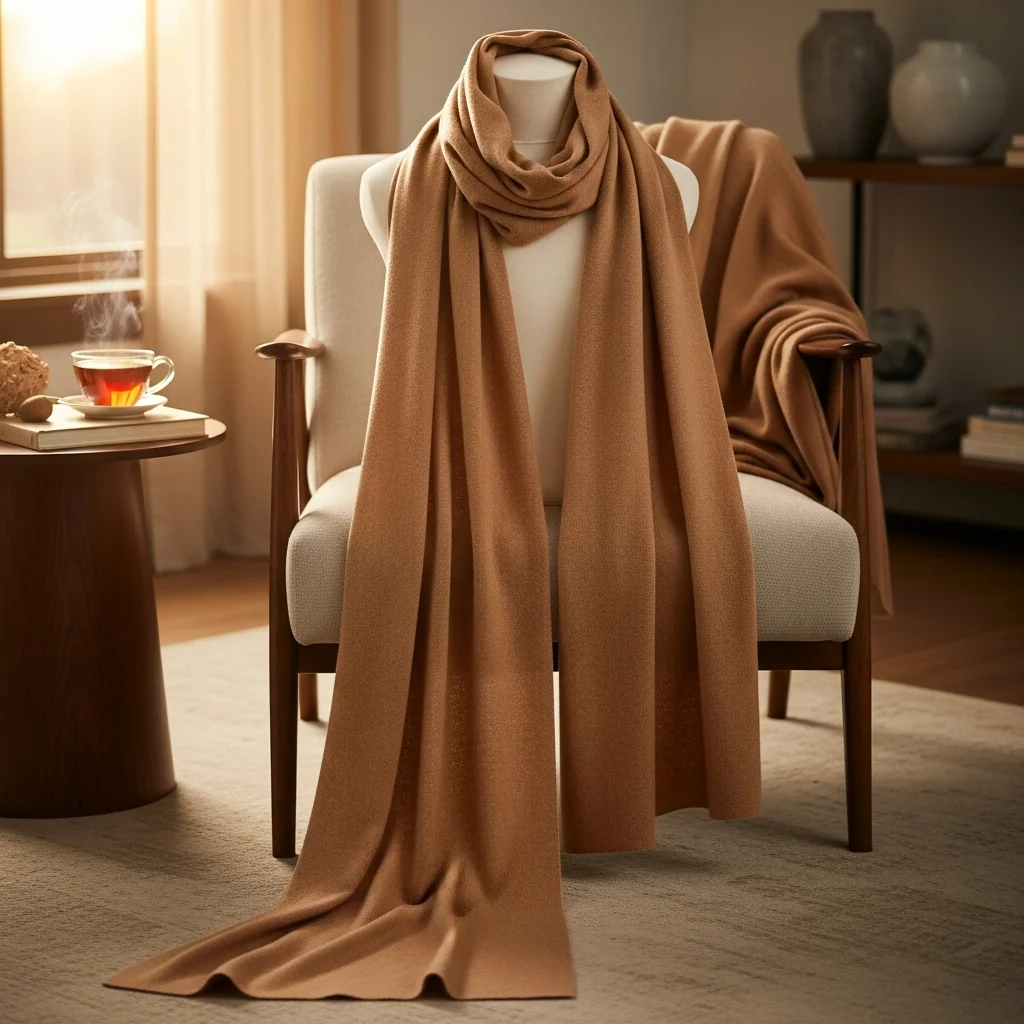
A substantial cashmere scarf completes winter wardrobe essentials through its combination of warmth, versatility, and elevated aesthetic. This seemingly simple accessory transforms outfits while providing practical protection for one of the body’s most vulnerable areas. The right scarf works across dressy and casual contexts, adding polish without fussiness.
Size matters in scarf selection, with generous dimensions offering more styling possibilities than smaller versions. Look for scarves at least 70 inches long and 24 inches wide, as these proportions allow for various wrapping techniques while providing adequate coverage. Oversized scarves create dramatic effects and double as impromptu blankets during extended outdoor time.
Solid colors in sophisticated neutrals prove most versatile for regular wear. Camel, grey, navy, and cream coordinate with everything while adding textural interest through the luxurious fabric. Patterned scarves can enliven simple outfits but require more deliberate coordination and may not work with patterned coats or sweaters.
Cashmere scarf care follows similar guidelines to sweater care, though scarves typically require less frequent cleaning. Spot cleaning handles minor issues, while gentle hand washing addresses more extensive needs. Store scarves folded or loosely rolled rather than hanging to prevent stretching. Keep them in breathable fabric bags during off-season months to protect from moths.
Building Your Winter Wardrobe
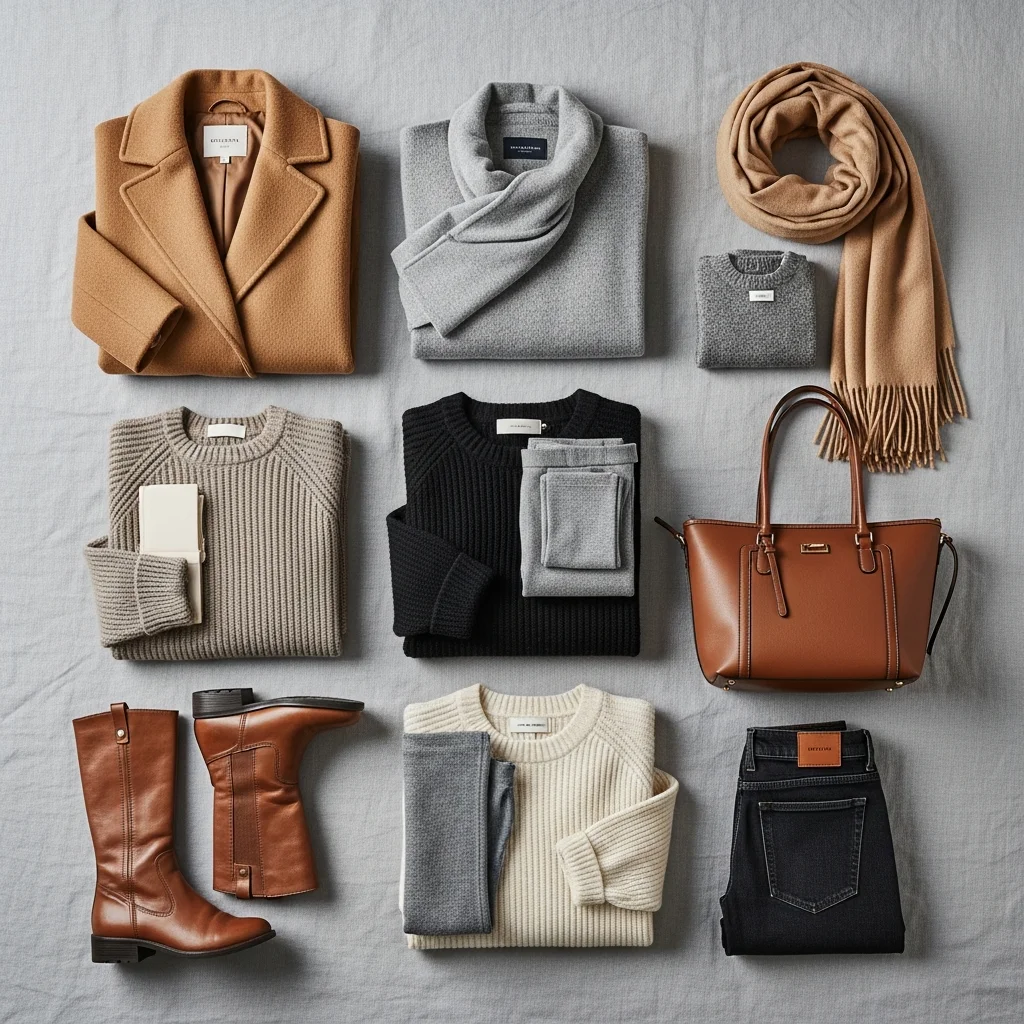
Assembling these seven winter wardrobe essentials creates the foundation for countless outfit combinations throughout cold weather months. Each piece coordinates with the others, eliminating the guesswork from daily dressing while ensuring both comfort and style. This focused approach to Winter Wardrobe building emphasizes quality over quantity, investing in fewer pieces that serve multiple purposes rather than accumulating closets full of single-use items.
Start by evaluating what you already own against this Winter Wardrobe Essentials list. You may discover you have some foundations in place but lack others, allowing you to prioritize purchases strategically. Focus first on the items you’ll wear most frequently based on your lifestyle and climate, then fill in remaining categories as budget allows.
Quality should guide purchase decisions more than price alone. While premium pieces require larger initial investments, their superior construction and materials deliver better value through extended usability. One excellent wool coat worn for ten years costs less per wear than three cheaper versions that deteriorate within seasons. Consider the total cost of ownership rather than just the purchase price when evaluating options.
Proper care maintains your winter wardrobe essentials in excellent condition across multiple seasons. Follow manufacturer care instructions, address minor repairs promptly before they become major problems, and store items properly during off-season months. This maintenance mindset extends the life of quality pieces considerably while keeping them looking their best considering Winter Wardrobe Essentials.
Winter Wardrobe Essentials building need not feel overwhelming or require extensive shopping expeditions. By focusing on these seven essential categories and selecting pieces that genuinely suit your lifestyle and personal style, you create a cohesive collection that handles whatever winter weather delivers. The result is mornings free from wardrobe stress and confidence that you look polished regardless of temperature. Get inspiration by clicking here
Frequently Asked Questions
How many winter coats do I really need?
Most people function well with two quality coats: a wool dress coat for professional and dressier occasions, and a puffer or insulated jacket for extremely cold weather or active outdoor time. This combination handles the full range of winter situations without requiring excessive closet space. Additional coats become optional based on specific lifestyle needs rather than necessities.
Is cashmere worth the investment for winter sweaters?
Cashmere delivers exceptional warmth relative to weight and develops a more beautiful appearance over time with proper care. While the initial cost exceeds synthetic or lower-quality wool options, cashmere’s durability and superior comfort justify the investment for pieces you’ll wear regularly. Start with one or two cashmere basics in neutral colors before expanding your collection.
What makes boots actually waterproof versus just water-resistant?
Truly waterproof boots incorporate membrane technology that prevents water penetration while allowing moisture vapor to escape. Water-resistant boots repel light moisture temporarily but eventually allow water through with extended exposure. For winter conditions involving snow and slush, waterproof construction proves essential. Regular application of waterproofing treatments maintains protection over time.
How do I prevent my winter wardrobe from looking bulky?
Strategic layering prevents bulk while maintaining warmth. Start with fitted thermal base layers, add one substantial middle layer like a cashmere sweater, then top with streamlined outerwear. Avoid multiple bulky layers that add volume without proportional warmth. Choose coats with tailored silhouettes rather than oversized fits, and balance wider bottoms with more fitted tops.
Can I build a winter wardrobe on a budget?
Focus on acquiring one quality item at a time rather than purchasing multiple lower-quality pieces simultaneously. Start with the essentials you’ll wear most frequently, prioritizing a good coat and boots. Mix investment pieces with more affordable basics, allocating larger budgets to items that directly contact weather and receive heavy use. Shop end-of-season sales for next year’s needs to maximize value.



6 Comments